- English
- French
- German
- Portuguese
- Spanish
- Russian
- Japanese
- Korean
- Arabic
- Greek
- German
- Turkish
- Italian
- Danish
- Romanian
- Indonesian
- Czech
- Afrikaans
- Swedish
- Polish
- Basque
- Catalan
- Esperanto
- Hindi
- Lao
- Albanian
- Amharic
- Armenian
- Azerbaijani
- Belarusian
- Bengali
- Bosnian
- Bulgarian
- Cebuano
- Chichewa
- Corsican
- Croatian
- Dutch
- Estonian
- Filipino
- Finnish
- Frisian
- Galician
- Georgian
- Gujarati
- Haitian
- Hausa
- Hawaiian
- Hebrew
- Hmong
- Hungarian
- Icelandic
- Igbo
- Javanese
- Kannada
- Kazakh
- Khmer
- Kurdish
- Kyrgyz
- Latin
- Latvian
- Lithuanian
- Luxembou..
- Macedonian
- Malagasy
- Malay
- Malayalam
- Maltese
- Maori
- Marathi
- Mongolian
- Burmese
- Nepali
- Norwegian
- Pashto
- Persian
- Punjabi
- Serbian
- Sesotho
- Sinhala
- Slovak
- Slovenian
- Somali
- Samoan
- Scots Gaelic
- Shona
- Sindhi
- Sundanese
- Swahili
- Tajik
- Tamil
- Telugu
- Thai
- Ukrainian
- Urdu
- Uzbek
- Vietnamese
- Welsh
- Xhosa
- Yiddish
- Yoruba
- Zulu
Can Titanium Sheets Reduce Maintenance Costs in Production?
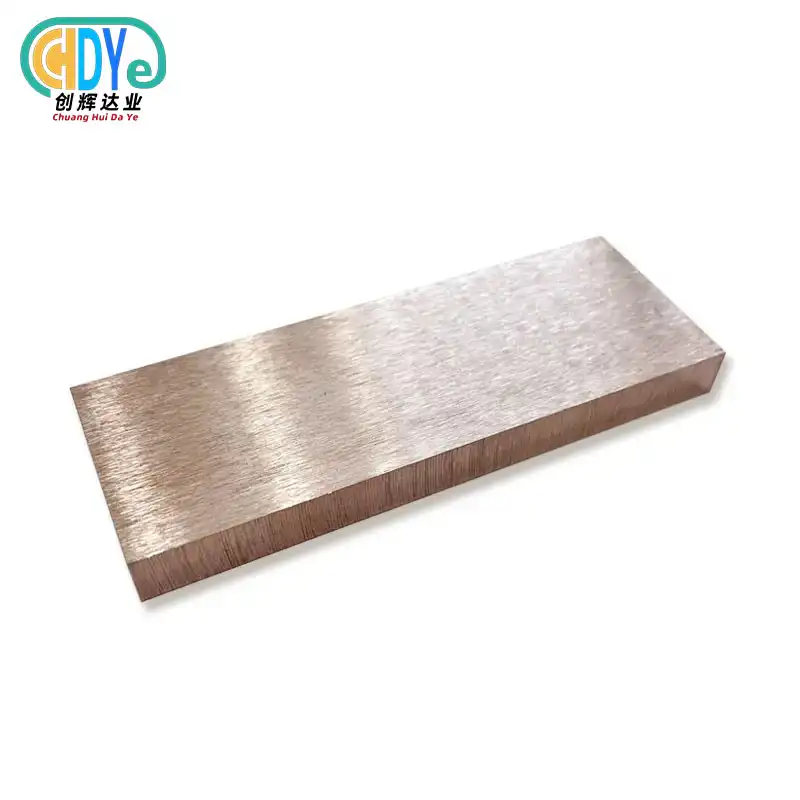
Titanium sheets cut down on upkeep costs in factories by a large amount. Compared to regular metals, they last longer and fight rust better, so they don't need to be fixed as often and cost less to replace. Titanium sheets cost more up front than steel or aluminium, but they last longer and cost less in the long run because they can withstand harsh circumstances for decades. The material's self-healing oxide layer protects against damage that usually costs more in upkeep costs. This is especially helpful in industries that work with harsh chemicals, high temperatures, or marine settings. When procurement workers use titanium sheets, they report maintenance costs going down by 40% to 70% over the lifecycles of the equipment. This makes them a smart material choice for businesses that want to save money.
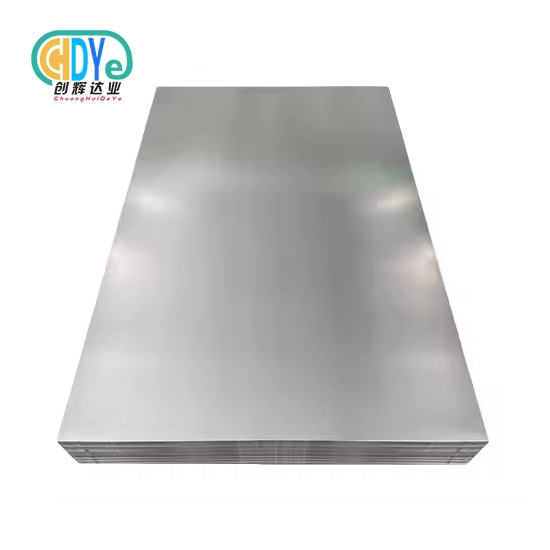
Understanding Titanium Sheets and Their Core Properties
Material Composition and Manufacturing Standards
Titanium sheets are high-tech industrial materials that are made using precise methods like hot rolling, cold rolling, and cooling. Our production meets ASTM B265 standards, which means that the quality of all of our products is always the same. Titanium ingots that have been approved are heated under controlled conditions to about 900°C before they are hot rolled to set the right grain structure. The exact 2mm thickness is then reached through cold rolling, which also gives the surface a great finish. When you anneal sheets at controlled temperatures, you improve their mechanical qualities and relieve internal stress. This makes the sheets ready for tough production uses. The titanium sheets we sell are both Grade 2 (commercially pure) and Grade 5 (Ti-6Al-4V). Grade 2 is very easy to shape and has a yield strength of about 275 MPa, which makes it perfect for chemical processing equipment that needs to be shaped in complicated ways. Grade 5 has a higher strength than Grade 4, reaching 828 MPa. It is chosen for aerospace structural parts that need to be able to hold the most weight. The sizes range from 500 mm to 2000 mm in width and from 1000 mm to 3000 mm in length, so they can meet a wide range of output needs without creating too much trash.
The Self-Healing Oxide Layer Advantage
Titanium's upkeep benefit comes from the fact that it forms a solid titanium dioxide (TiO₂) oxide film on its own. This inactive layer forms right away when exposed to air and heals itself if it gets broken. It protects against rust all the time without any extra coatings. In contrast to steel's iron oxide, which flakes off and lets rust happen, or aluminium's oxide, which breaks down in acidic environments, titanium's protective film stays stable in a wide pH range, from very acidic to very alkaline. This oxide layer is only a few nanometres thick, but it protects the metal from chloride-induced pitting, crevice corrosion, and stress corrosion cracking, all of which are problems that metals usually have. Titanium stays strong in chloride conditions up to 260°C, which are popular in chemical processing and desalination plants. Steel, on the other hand, needs to be replaced often, while aluminium just stops working. Titanium has a density of 4.51 g/cm³, which means it weighs about 60% as much as steel. This means it can be used in structures with less weight and for less money, without losing toughness.
Temperature Stability and Fatigue Resistance
Titanium sheets keep their shape even at very low temperatures, from very cold (below 0°C) to about 600°C for Grade 2 and above 400°C for Grade 5 in constant service. The low thermal expansion rate of the material reduces stress during the thermal cycle. This lowers the number of fatigue failures that need to be fixed in equipment that is exposed to temperature changes. Titanium can be heated and cooled many times without cracking or bending, which is useful for factories with heat exchanges, chemical reactors, or exhaust systems. The hexagonal close-packed crystal structure is very good at resisting fatigue. This is especially important in aircraft and automobile uses where vibration and cyclic loads happen all the time. Our quality control processes make sure that the grain structure is consistent, which means that the sheet will always work the way it's supposed to. Because of this, maintenance planners can stretch the time between inspections and cut down on sudden failures that throw off production plans.
Common Maintenance Challenges in Production and How Titanium Helps
Corrosion-Related Downtime Elimination
When factories use regular steel bars, they have to deal with rust problems that cost a lot of money to fix. Chemical processing plants say they have to replace steel parts every three to five years because acids attack them. In marine use, saltwater exposure speeds up the wear and tear. Each replacement cycle costs a lot because it shuts down production, takes away equipment, delays getting parts, workers for installation, and quality checks. These costs add up quickly when you have a lot of systems. In most places, titanium sheets completely stop this pattern. A chemical company in Texas switched the linings of their reactor vessels from 316 stainless steel to Grade 2 titanium sheets. They had no upkeep due to corrosion for 18 years of operation. When the company took into account the avoided downtime, the elimination of new materials, and the lower labour costs, they came up with savings of more than $2.3 million. Aerospace companies also gain because aeroplane parts made of Grade 5 titanium don't need as many upkeep checks as aluminium parts do, which need to be checked for cracks and treated for corrosion all the time.
Wear Resistance and Component Longevity
In production settings, upkeep costs are high because of both rust and mechanical wear. When made from lighter metals, conveyor systems, processing equipment, and structure supports get surface damage, galling, and material loss that makes them less useful. Traditional ways of maintaining things include regularly cleaning the surface, reapplying protective coatings, or replacing whole parts. Titanium's high hardness-to-weight ratio makes it resistant to wear for a long time. Abrasive conditions show that manufacturing equipment with titanium contact surfaces lasts 4–7 times longer than steel versions. Marine motor parts, offshore platform structural members, and architectural panel systems made from titanium sheets look good and work well for decades after they are installed. Aluminium and steel options need to be refinished or replaced every 5 to 10 years.
Reduced Inspection and Maintenance Labour
Maintenance offices can use condition-based rather than time-based inspection plans for titanium sheets because their performance is stable and predictable. Traditional metals need to be checked often for rust, crack growth, and surface wear and tear. Titanium doesn't easily break in these ways, so techs can spend less time doing the same checks over and over and more time doing activities that add value. A car company that uses titanium in its exhaust system parts cut the number of inspections from three times a year to twice a year without any quality issues. This change saved up 340 hours of work per production line every year, which could be put toward projects to make the process better. Similar things happen to companies that make medical devices. Titanium surgery tool parts keep their precise measurements and smooth surface finish after thousands of sterilisation cycles, while stainless steel options get pits and discolouration.
Selecting the Right Titanium Sheet for Optimal Maintenance Savings
Grade Selection Based on Application Requirements
Picking between Grade 2 and Grade 5 titanium has a direct effect on how well it maintains and how much it costs over its whole life. The best choice for chemical processing equipment, heat exchangers, and marine uses where upkeep needs to be done because of contact with the environment is Grade 2 commercially pure titanium. It has the best corrosion protection and moderate strength. It is very easy to shape, so it can be used to make complicated forms without cracking. This lowers the stress levels during fabrication that could lead to failures. Grade 5 titanium alloy (Ti-6Al-4V) is stronger and better for building structures where mechanical loads are the main design criteria. Manufacturers in the aerospace industry use Grade 5 for landing gear parts, engine mounts, and structural pieces where strength and weight reduction work together to improve performance. The metal can withstand high temperatures, which makes it last longer in exhaust systems and turbines and reduces the number of times it needs to be serviced in hot places.
Thickness and Dimensional Considerations
For most industrial uses, our 2mm thickness standard strikes a good mix between structural strength and weight reduction. This size gives the right amount of stiffness for installing panels, strength for moderately rated pressure vessels, and a weight that is easy to handle during manufacturing and installation. Thinner sizes might need extra support structures that make the system more complicated, and thicker titanium sheets add weight and material cost that aren't needed without improving upkeep in the same way. With width options from 500mm to 2000mm and length choices from 1000mm to 3000mm, fabrication joints are kept to a minimum in big projects. Fewer welds mean fewer places where the part could fail and fewer inspections that need to be done over its lifetime. Early on in the planning process, procurement teams should work with design engineers to find the best sheet sizes. This will cut down on waste and make sure that all production runs make good use of materials.
Surface Treatment and Quality Verification
Titanium sheets with a standard mill finish typically have an acceptable thin oxide layer. When the needs of the product call for it, specialised surface treatments can improve certain qualities. Pickling gets rid of surface impurities and makes sure that oxides form evenly, and mechanical finishing gets the surface hard enough for closing purposes. Our ISO 9001:2015 certification makes sure that we strictly control quality throughout the entire production process. Every package comes with full paperwork that can be used to track its origin. Checking the quality of something involves looking at its chemical make-up, testing its mechanical properties, measuring it, and judging its surface quality. We give you mill test certificates that show the products meet ASTM B265 standards. This makes it easier for your quality assurance teams to do receiving checks. This paperwork is very important for medical and military uses that need to be able to track materials all the way through their lifecycles.
Economic Comparison: Titanium Sheets vs Other Metals in Maintenance Cost Savings
Lifecycle Cost Analysis Framework
When judging titanium sheets, you need to look at more than just the original buy price. You need to look at the total cost over their entire life. Titanium can cost anywhere from $35 to $65 per kilogram, based on the type and amount. Steel sheets can cost anywhere from $3 to $5 per kilogram. This price difference of 10 to 15 times causes sticker shock during the first reviews of the buying process. Over the 15–30-year lifecycles of most pieces of equipment, however, repair costs, replacement rates, and downtime for operations change the economic balance in big ways. A lifetime cost model should include the costs of buying materials; labour for manufacturing, installation, planned and unplanned upkeep, repairs, replacement materials and labour, lost production time; and disposal. When chemical processing plants used this framework to build reactor vessels, titanium specs had 35–50% lower total lifecycle costs than rare stainless steels, even though they cost more at first. As the expected service life goes up and the working situation gets worse, the analysis gets better.
Downtime Cost Implications
Production slowdown is the highest cost that is often ignored when choosing materials. Manufacturing plants that make $50,000 to $500,000 an hour can't afford to shut down for repair breaks all the time. Every unexpected outage affects customer relationships, work plans, and promises made in the supply chain. Titanium's dependability makes these problems less likely to happen. A company that makes parts for aeroplanes figured that the extra cost for titanium chemical processing tanks would be worth it in the end if they could avoid just two unplanned repair events over the course of five years. Each shutdown cost about $380,000 in lost production, faster fixes, and time to get back on track. Making choices about which materials to use during the initial capital investment stopped these losses from happening again and again, giving the investor a return on their investment within 18 months of starting up the equipment.
Industry-Specific Value Propositions
Different industries save money on repair in different ways. Titanium's high strength-to-weight ratio is valued by aerospace makers because it makes airframes lighter, which means they need fewer structural checks and use less fuel over the course of an aircraft's life. Chemical makers like that corrosion-related breakdowns are no longer happening, which eliminates problems with the environment, safety, and regulations that go beyond just the cost of repairs. Titanium is biocompatible and resistant to sterilisation, which is good for companies that make medical devices because it means that surgical tools can be used thousands of times without losing their shape or look. Biofouling resistance that lowers the number of times that the system needs to be cleaned and keeps its mechanical efficiency is useful in marine uses. Titanium is good for architectural applications because it doesn't need to be refinished for 50 to 100 years, while aluminium and steel need to be painted or replaced every 15 to 20 years.
Best Practices to Maximise the Maintenance Benefits of Titanium Sheets
Proper Fabrication Techniques
To get the full upkeep benefits of titanium, you need to use the right manufacturing methods that keep the material's properties. When cutting, you should use sharp tools and enough coolant to keep the work from stiffening and heat-affected zones from forming. For straight cuts in smaller gauges, shearing works well. Waterjet or plasma cutting, on the other hand, can handle complex shapes without damaging them with heat. For grinding and finishing, titanium-specific abrasives are needed to keep iron bits from getting into the work and starting rust. When titanium is welded, it needs to be surrounded on both the front and back by inert gas to keep the air from getting dirty during the high-temperature process. Argon purge gas shields the weld area and stops rust, which weakens joints and makes them easier to maintain. Our technical team makes sure that the welding process is exactly right for your application by making sure that the finished assemblies keep the mechanical and corrosion-resistant qualities of the base material. The right way to weld increases the joint's service life to meet the performance of the parent material, which stops links from failing too soon.
Installation and Handling Protocols
Titanium is volatile when it is not covered by its oxide layer, so it needs to be handled carefully during installation. Clean cotton gloves should be worn instead of dirty work gloves that could spread iron particles or oils to titanium surfaces. To keep storage places clean and dry, titanium sheets must be kept away from steel items to avoid galvanic poisoning. When installing these simple steps, you can avoid the few upkeep problems that can happen with titanium parts. When choosing fasteners, you should pay extra attention. Titanium sheets should be joined together with titanium screws or, if that's not possible, materials that are suitable, such as stainless steel alloys that won't form galvanic corrosion cells. We give advice on how to choose fasteners and how much pressure should be used during fitting so that galling doesn't happen and the joint is strong enough. If the right assembly methods are used during the initial installation, there will be no need for upkeep in the future because of fasteners that are corroding or coming loose.
Routine Inspection and Cleaning Procedures
Titanium doesn't need as much upkeep as other metals, but regular inspections are still recommended to make sure it keeps working well. As part of your facility's preventative maintenance plan, visual checks should be done to make sure that fasteners are tight, welds are intact, and the surface is in good shape. Most of the time, these inspections don't find any problems that need to be fixed, but the paperwork helps with legal compliance and quality system standards. Most of the time, light soap and water are all you need to clean metal surfaces. Cleaners that contain chlorine or are rough could damage the protected oxide layer, so stay away from them. Chemical handling areas with a lot of deposits may need to be cleaned every so often to keep heat exchangers working well, but rusting doesn't happen there. Setting the right cleaning intervals based on real working conditions instead of preventative schedules based on experience with steel or aluminium stops maintenance tasks that aren't needed and ensures the best performance.
Leveraging Supplier Expertise
When you work with expert titanium sheet suppliers, you can save the most on upkeep costs over the life of your equipment. Our thirty years of experience making rare metals at Shaanxi Chuanghui Daye Metal Material Co., Ltd. helps us suggest materials that work best for each job and don't cost too much. During the planning phase, we work directly with your engineering and procurement teams to make sure that the material specs match the real working conditions and maintenance goals. In addition to providing materials, we also offer professional help in the form of fabrication advice, quality documentation, and consultations after the sale. When questions come up during installation or service, our knowledge of metals helps us figure out what's wrong quickly, so your operations aren't interrupted too much. We keep popular sizes in stock so that we can quickly deliver on urgent jobs because we know that speed is sometimes the key to success. This fast service model helps you reach your goal of lowering maintenance costs by making sure that you have access to materials and expert support from your ISO 9001:2015-certified provider when you need it.
Conclusion
Titanium sheets are very resistant to corrosion, last a long time, and are reliable in all kinds of production settings. This means that upkeep costs are significantly lower. The material's self-healing oxide layer, safety at high temperatures, and resistance to fatigue get rid of common failure modes that cause metals to wear out and require more upkeep. While the starting cost is higher than alternatives made of steel or aluminium, a full lifecycle study always shows that the total cost savings over the equipment's service life are between 35 and 70 per cent. Our ISO 9001:2015-certified production methods guarantee consistent quality in Grade 2 and Grade 5 sheets starting at 2mm thick, which can be cut to any size you need for your production needs. The best way to get the most out of these upkeep benefits is to choose the right materials, use the right fabrication methods, and work together with your suppliers. This will set up your processes for higher reliability and lower total cost of ownership.
FAQ
Q: What maintenance cost reductions can we realistically expect from switching to titanium sheets?
A: When switching from steel or aluminium sheets to titanium sheets, most industrial uses see upkeep costs drop by 40 to 70 per cent over the life of the equipment. Chemical processing plants usually save the most money because they don't have to repair parts as often because of rust. Aerospace and marine uses save money because parts last longer and don't need to be inspected as often. Actual savings rely on how harsh the working environment is, how often repairs are done now, and how long the equipment is expected to last. Lifecycle cost analysis for your application gives you accurate estimates that take into account the initial investment, avoiding downtime, fewer replacement rounds, and lower labour costs. We help buying teams make these studies by using performance data from similar sites in the same industry.
Q: How do Grade 2 and Grade 5 titanium sheets differ for maintenance applications?
A: Grade 2 commercially pure titanium is the most resistant to corrosion and is also very easy to shape. This makes it perfect for chemical processing, sea settings, and other uses that require regular maintenance due to contact with the environment. Grade 5 (Ti-6Al-4V) alloy is about three times stronger than commercially pure grades and can be used in structural applications and at high temperatures up to 400°C continuously. Both grades are much less expensive to maintain than regular metals. Which one you choose depends on whether corrosion protection or mechanical strength is more important for your purpose. Our expert team looks at your working conditions, the amount of load you need, and the temperature ranges to find the best grade that will save you the most money on upkeep in your production setting.
Q: Can titanium sheets integrate with existing steel structures without maintenance concerns?
A: Titanium can be attached to steel buildings as long as the right insulation and fastener choices are made to stop galvanic rusting. When titanium touches steel directly in a wet environment, galvanic cells are created that speed up the rusting of steel. To avoid this, insulating seals, coatings, or buffer materials should be used at the surfaces. Some good screws for links are made of titanium or high-grade stainless steel. Our application engineering team gives you detailed advice on mixed-material systems to make sure that your installation gets the upkeep benefits of titanium without making new corrosion points where materials meet. If these connections are designed correctly, they will keep the lower upkeep costs that made titanium specification worth it.
Partner with Chuanghui Daye for High-Performance Titanium Sheet Solutions
The verified titanium sheets that Shaanxi Chuanghui Daye Metal Material Co., Ltd. sells will lower your upkeep costs and make your production more reliable. We sell Grade 2 and Grade 5 titanium sheets that are 2mm thick, 500 mm to 2000 mm wide, and 1000 mm to 3000 mm long. We are located in China's Titanium Capital and have been making rare metals for over 30 years. Our ISO 9001:2015-certified production guarantees uniform quality and full traceability documents to meet your quality assurance needs. As a reliable provider of titanium sheets, we can offer affordable factory-direct pricing, quick prototyping, and flexible small-batch production in addition to a steady supply for big orders. To get the most out of your material, our expert team gives you advice based on your unique needs, offers custom processing services, and is available for help after the sale. Get in touch with our purchasing experts at info@chdymetal.com to talk about your unique needs and get quotes with material certifications that are made to fit your production needs.
References
1. Boyer, R., Welsch, G., & Collings, E.W. "Materials Properties Handbook: Titanium Alloys." ASM International, Materials Park, Ohio, 1994.
2. Schutz, R.W. & Watkins, H.B. "Recent Developments in Titanium Alloy Applications in the Energy Industry." Materials Science and Engineering, Volume A243, Issues 1-2, 1998.
3. Peters, M. & Leyens, C. "Titanium and Titanium Alloys: Fundamentals and Applications." Wiley-VCH Verlag GmbH & Co., Weinheim, Germany, 2003.
4. Donachie, Matthew J. "Titanium: A Technical Guide, 2nd Edition." ASM International, Materials Park, Ohio, 2000.
5. American Society for Testing and Materials. "ASTM B265: Standard Specification for Titanium and Titanium Alloy Strip, Sheet, and Plate." ASTM International, West Conshohocken, Pennsylvania, 2015.
6. Froes, F.H. "Titanium: Physical Metallurgy, Processing, and Applications." ASM International, Materials Park, Ohio, 2015.
Learn about our latest products and discounts through SMS or email