- English
- French
- German
- Portuguese
- Spanish
- Russian
- Japanese
- Korean
- Arabic
- Greek
- German
- Turkish
- Italian
- Danish
- Romanian
- Indonesian
- Czech
- Afrikaans
- Swedish
- Polish
- Basque
- Catalan
- Esperanto
- Hindi
- Lao
- Albanian
- Amharic
- Armenian
- Azerbaijani
- Belarusian
- Bengali
- Bosnian
- Bulgarian
- Cebuano
- Chichewa
- Corsican
- Croatian
- Dutch
- Estonian
- Filipino
- Finnish
- Frisian
- Galician
- Georgian
- Gujarati
- Haitian
- Hausa
- Hawaiian
- Hebrew
- Hmong
- Hungarian
- Icelandic
- Igbo
- Javanese
- Kannada
- Kazakh
- Khmer
- Kurdish
- Kyrgyz
- Latin
- Latvian
- Lithuanian
- Luxembou..
- Macedonian
- Malagasy
- Malay
- Malayalam
- Maltese
- Maori
- Marathi
- Mongolian
- Burmese
- Nepali
- Norwegian
- Pashto
- Persian
- Punjabi
- Serbian
- Sesotho
- Sinhala
- Slovak
- Slovenian
- Somali
- Samoan
- Scots Gaelic
- Shona
- Sindhi
- Sundanese
- Swahili
- Tajik
- Tamil
- Telugu
- Thai
- Ukrainian
- Urdu
- Uzbek
- Vietnamese
- Welsh
- Xhosa
- Yiddish
- Yoruba
- Zulu
How to Choose the Best Tantalum Round Bar Supplier
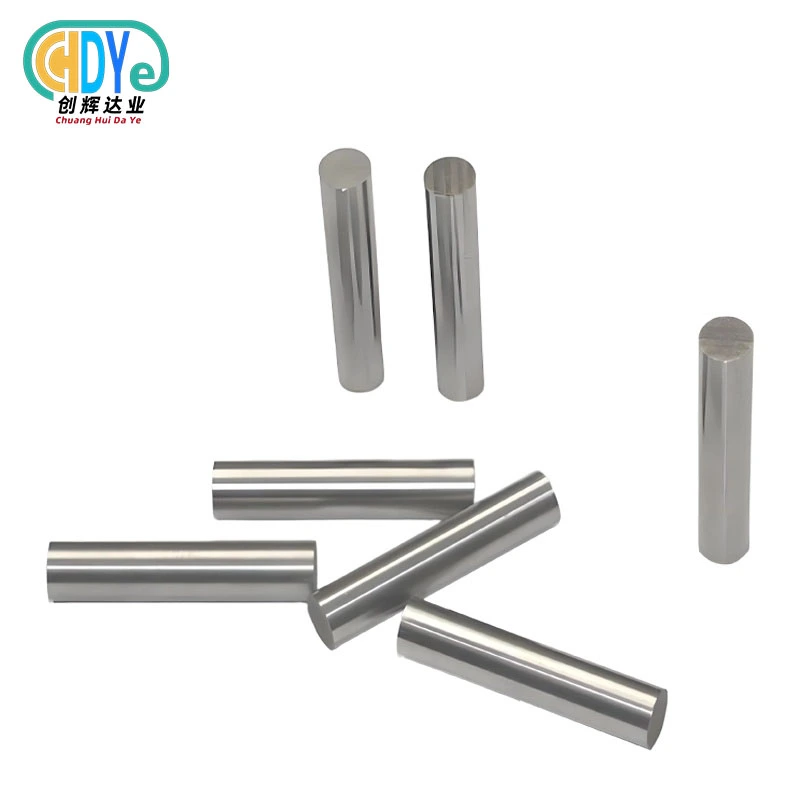
Choosing the best tantalum round bar supplier is a strategic choice that immediately affects your project’s success, cost structure, and long-term operational efficiency. The Tantalum Round Bar is a premium refractory metal product, with superior corrosion resistance, melting point over 2996°C and excellent formability, which are all critical for demanding applications in aerospace, chemical processing, electronics and medical device manufacturing. Procurement experts must consider suppliers’ material purity, production capabilities, certification compliance, delivery dependability and technical assistance to make the right decision. This guide gives you a well-rounded framework to choose a trustworthy partner that can reliably offer you with high-quality tantalum bars to meet your unique industrial needs.
Core Criteria to Evaluate When Choosing a Tantalum Round Bar Supplier
When choosing a provider, you need to look at many aspects of how they run their business and how well they can do specific things. The right partner has quality control, production know-how, and reliable logistics, especially when sourcing specialized materials such as Tantalum Round Bar.
Product Purity and Certification Standards
In demanding applications, the purity of the material has a direct effect on how well it works. The tantalum bars that reliable sources sell come in grades R05200 (electron-beam or vacuum-arc melt) and R05400 (powder-metallurgy consolidation). Both are 99.95% pure, excluding the niobium content. Following the ASTM B365 guidelines makes sure that the measurements are correct and the material qualities are up to par with industry standards. Getting ISO 9001:2015 certification shows that a supplier is dedicated to quality management systems that include checking raw materials, manufacturing processes, and final testing. For medical and aerospace uses, extra certifications might be needed, so make sure your supplier can give you full traceability paperwork, such as chemical composition reports and mechanical property test results.
Manufacturing Technology and Processing Capabilities
Advanced production facilities set quality suppliers apart from distributors of basic materials. Look for companies that have electron beam furnaces for melting very pure ingots, precise casting and rolling equipment for keeping the dimensions stable, and annealing furnaces for making the mechanical features better. Suppliers can make custom-cut bars, precision-ground surfaces, or complex geometries without having to hire outside help because they have lathes, sawing machines, and shearing equipment in-house. This unified method cuts down on wait times, keeps quality control high all along the production chain, and gives customers more options for specific needs.
Logistics Strength and Delivery Reliability
As important as product quality is, so is how reliable the supply chain is. Check with suppliers to see if they can keep common sizes in stock so that orders can be filled quickly, if they have a history of keeping delivery dates, and if they have experience with international shipping logistics. Suppliers in established industrial areas, like Baoji, China's "Titanium Capital," have access to raw materials and a shipping system that works well. Both small R&D projects and large production runs can be accommodated by flexible order quantities. Responsive customer service makes sure that communication runs smoothly throughout the procurement process.
Comparing Tantalum Round Bar Suppliers: Key Differentiators
Tantalum suppliers include both well-known foreign companies and specific regional companies, and each has its own benefits.
Product Range and Quality Assurance Processes
To meet the needs of a wide range of industries, leading providers keep extensive product lines with a wide range of sizes, lengths, and grades. Companies like Chuanghui Daye set themselves apart by having strict quality control procedures that cover every step of the production process, from checking the raw materials to packaging them up at the end. Batch traceability systems connect each bar to a specific production run. This makes it easy to fix any quality problems right away. Some suppliers also offer services that add value, like finishing the surface, making custom packaging for sensitive areas, or giving technical advice while the customer is choosing a product.
Pricing Structures and Total Cost Analysis
When you look at prices beyond the cost per kilogram, you can see what the real value is. Unit prices are affected by the purity of the material, the diameter size, and the order number. Buying in bulk usually results in volume savings. International shipping, customs taxes, and changes in the value of the currency can all have big effects on your total cost. Because they don't have to pay markups to distributors, factory-direct suppliers often have more competitive prices for Tantalum Round Bar. To make sure you get accurate cost comparisons when you compare quotes, ask for detailed breakdowns of things like material costs, processing fees, packaging, and shipping.
Technical Support and After-Sales Service
Outstanding suppliers are more like technical partners than just suppliers of goods. A proactive engineering support team helps choose the best materials for each application, and quick customer service answers questions about specs, licenses, or shipping times. Some makers keep technical libraries with information about materials, how to make things, and examples of how they were used in the past. These libraries are helpful for design engineers. Support after the sale, like helping with quality documentation, quickly replacing rejected materials, or fixing performance problems, shows that a supplier wants to build long-term relationships with customers.
How to Verify and Validate Potential Suppliers Before Purchase
Doing your research before buying something saves your business from supply chain risks and makes sure the quality meets your exact standards.
Requesting Samples and Quality Documentation
Initial samples of the materials show that the supplier can do what they say they can do. Ask for bars in the diameter range you want along with full quality documentation, such as reports on the bars' chemical composition, mechanical properties, and dimensions. Check the physical material against what you need it for by looking at the surface finish, the accuracy of the measurements, and any flaws that you can see. Quality certificates should include test results for purity levels, tensile strength, and other qualities that are important. They should also link to specific ASTM standards.
Conducting Supplier Audits and Capability Assessments
On-site or remote checks show practical facts that may not be clear from marketing materials. Check the condition of the equipment, the controls for the process, and the quality inspection procedures in the production facilities. Check out the supplier's documentation on their quality management system, records of their certifications, and how they handle customer complaints. When doing a capability assessment, you should look at the company's maximum production capacity, normal lead times for different order scenarios, and backup plans for how to handle supply disruptions. Figuring out how mature a supplier's operations are can help you figure out if they can grow with your needs.
Establishing Long-Term Partnership Frameworks
Strategic relationships make sure that both parties know what to expect from each other and give them security. Supply agreements that cover everything should talk about price, minimum order amounts, wait times, quality standards, and requirements for keeping information secret. Setting up clear rules for conversation, named contact people, and ways to settle disagreements stops confusion from happening. When you share future project timelines at collaborative planning meetings, suppliers can reserve production capacity and raw materials, making sure they are available when you need them most.
Best Practices for Efficient Procurement and Long-Term Value
Maximizing buying efficiency means more than just getting the best deal. It also means lowering the total cost of ownership and making sure the supply chain works well.
Negotiation Strategies for Bulk and Custom Orders
A lot of the time, commitments to buy Tantalum Round Bar in bulk lead to better prices and guaranteed availability. When you're negotiating bulk orders, talk about flexible delivery schedules that let you balance the costs of keeping inventory with the supplier's plans for production. Custom specs may come with higher prices, but if you work closely with your suppliers during the planning process, you can find cheaper options that still meet your needs. Long-term contracts with agreed-upon prices protect both parties from changes in the market and keep the supply going.
Leveraging Supplier Expertise During Product Development
Experienced tantalum sources know a lot about how to use the metal in different ways, which can help you make better products. Talking to suppliers early on in the development process can help you choose the best materials, make sure that the tolerances are within what can be manufactured, or find cheaper ways to process the materials. Suppliers who know about laws related to their business, like biocompatibility standards for medical implants or flight qualification standards, make it easier to follow the rules.
Monitoring Market Trends and Price Fluctuations
The price of tantalum changes based on changes in global supply and demand, politics in mining areas, and changes in technology in industries that use the metal. Keeping up with market trends helps you plan when to buy things and predict how changes in costs will affect project budgets. Having ties with several qualified sellers gives you price benchmarks and supply redundancy, which makes you less vulnerable to problems with a single source. Your buying strategies will stay in line with changing market conditions if you review the market on a regular basis.
Conclusion
To find the best Tantalum Round Bar supplier, you have to weigh a lot of things, such as the quality of the materials, the supplier's ability to make the bars, their certification compliance, how reliable their deliveries are, and the total cost. You can help your company succeed with buying by fully knowing the needs of your applications, carefully evaluating potential suppliers, and setting up frameworks for strategic partnerships. The right provider will not only give you high-purity materials that meet ASTM B365 standards, but they will also help you reach your practical goals with technical knowledge, quick service, and a stable supply chain. Spending time carefully choosing your suppliers will pay off in the form of better product performance, lower costs, and lower supply chain risks for all of your tantalum component needs.
FAQ
Q: What advantages do tantalum bars offer compared to tungsten or niobium alternatives?
A: Tantalum bars are very good at resisting chemicals like most acids, and they stay mechanically stable at temperatures over 2996°C. Tungsten is denser and harder than tantalum, but tantalum is better at resisting corrosion and can be shaped more easily, which makes it better for chemical processing equipment. Tantalum is more resistant to acids and has higher melting points than niobium. However, niobium may be cheaper for applications that don't need to be as strong. When choosing materials, they should be in line with the situations they will be used in, such as chemical exposure, temperature ranges, and mechanical stress needs.
Q: How can I verify product purity and certification authenticity?
A: Ask for full material certifications that include chemical composition analyzes from recognized testing laboratories, making sure to mention ASTM B365 standards. Genuine certificates have marks from a lab that proves they are real, as well as unique certificate numbers and full test results for all the important parts. Check the supplier's ISO 9001:2015 certification against records maintained by the official certification body. If you ask for samples of the material along with test reports, you can have them checked by independent laboratories if you need to for important reasons.
Q: What lead times should I expect for custom-sized orders?
A: Suppliers usually ship standard stock sizes within one to three business days of receiving an order. Custom diameters, widths, or surface styles usually take about 15 working days to make, but this can change depending on the complexity of the specifications, the number of orders, and the supplier's production plans. There may be faster fees for rush orders, but lead times for large custom orders may need to be longer in order to get enough raw materials and plan production capacity. Making it clear to providers during the quote process about the timeline you need helps them give you realistic delivery promises.
Partner with Chuanghui Daye for Your Tantalum Round Bar Requirements
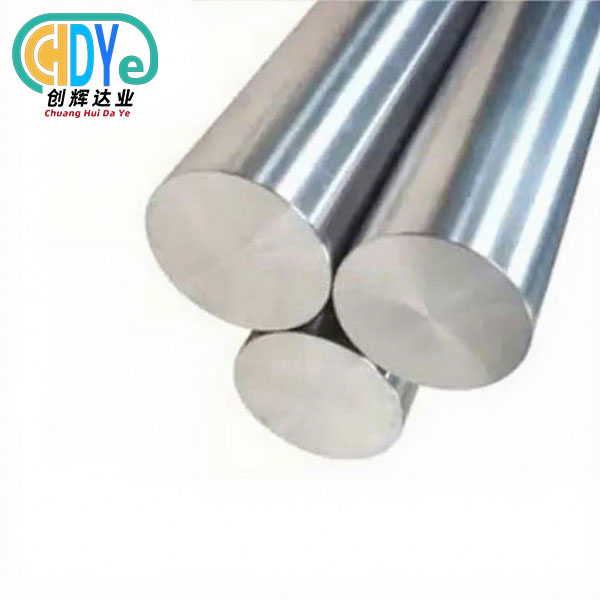
Shaanxi Chuanghui Daye Metal Material Co., Ltd. has been in the rare metal business for more than 30 years and is ISO 9001:2015 certified. They make parts for companies across the United States that make aerospace, chemicals, electronics, and medical devices. We make Tantalum Round Bars in grades R05200 and R05400, with widths from 2 to 100 mm, fully compliant with ASTM B365 standards. Our factory is located in China's Titanium Capital and has advanced electron beam furnaces, precision rolling equipment, and full machining facilities. Our stock inventory lets us send common sizes in one to three days, and custom specs usually take fifteen working days to finish. As a reliable supplier of Tantalum Round Bars, we offer technical advice, sample evaluation, and competitive factory-direct prices that are tailored to your needs. Email our team at info@chdymetal.com to talk about your project needs and get a thorough quote that helps you meet your buying goals.
References
1. Davis, J.R. (2000). Nickel, Cobalt, and Their Alloys. ASM International Materials Park.
2. ASTM International. (2018). ASTM B365-18: Standard Specification for Tantalum and Tantalum Alloy Rod and Wire. West Conshohocken, PA.
3. Cardonne, S.M., Kumar, P., Michaluk, C.A., & Schwartz, H.D. (1995). Tantalum and Its Alloys. International Journal of Refractory Metals and Hard Materials, 13(4), 187-194.
4. Stwertka, A. (2018). A Guide to the Elements (4th ed.). Oxford University Press.
5. Gupta, C.K. (1992). Extractive Metallurgy of Niobium. CRC Press, Boca Raton.
6. Lassner, E., & Schubert, W.D. (1999). Tungsten: Properties, Chemistry, Technology of the Element, Alloys, and Chemical Compounds. Springer Science & Business Media.
Learn about our latest products and discounts through SMS or email