- English
- French
- German
- Portuguese
- Spanish
- Russian
- Japanese
- Korean
- Arabic
- Greek
- German
- Turkish
- Italian
- Danish
- Romanian
- Indonesian
- Czech
- Afrikaans
- Swedish
- Polish
- Basque
- Catalan
- Esperanto
- Hindi
- Lao
- Albanian
- Amharic
- Armenian
- Azerbaijani
- Belarusian
- Bengali
- Bosnian
- Bulgarian
- Cebuano
- Chichewa
- Corsican
- Croatian
- Dutch
- Estonian
- Filipino
- Finnish
- Frisian
- Galician
- Georgian
- Gujarati
- Haitian
- Hausa
- Hawaiian
- Hebrew
- Hmong
- Hungarian
- Icelandic
- Igbo
- Javanese
- Kannada
- Kazakh
- Khmer
- Kurdish
- Kyrgyz
- Latin
- Latvian
- Lithuanian
- Luxembou..
- Macedonian
- Malagasy
- Malay
- Malayalam
- Maltese
- Maori
- Marathi
- Mongolian
- Burmese
- Nepali
- Norwegian
- Pashto
- Persian
- Punjabi
- Serbian
- Sesotho
- Sinhala
- Slovak
- Slovenian
- Somali
- Samoan
- Scots Gaelic
- Shona
- Sindhi
- Sundanese
- Swahili
- Tajik
- Tamil
- Telugu
- Thai
- Ukrainian
- Urdu
- Uzbek
- Vietnamese
- Welsh
- Xhosa
- Yiddish
- Yoruba
- Zulu
How to Select the Best Titanium Coil Tube for Performance
Selecting the right titanium coil tube for your industrial application can dramatically impact operational efficiency, maintenance costs, and system longevity. When evaluating options, understanding material grades, dimensional specifications, and manufacturing quality becomes paramount. Titanium coil tubes excel in environments where corrosion resistance, thermal efficiency, and structural integrity matter most—applications ranging from seawater cooling systems to chemical processing equipment. The selection process requires balancing technical performance criteria with procurement considerations like certification standards, customization capabilities, and supplier reliability. This guide walks through the essential factors that procurement managers and engineers should evaluate when sourcing these critical components for demanding industrial environments.
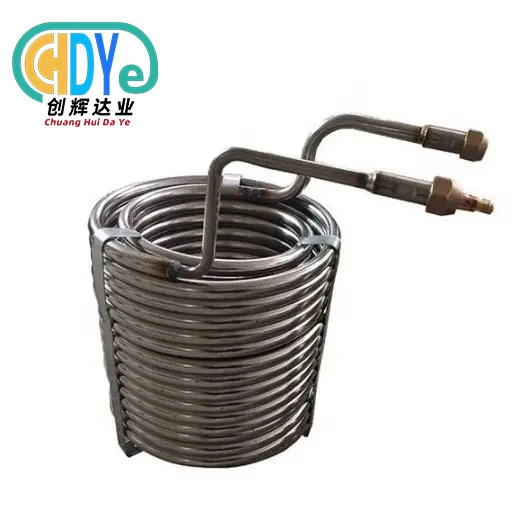
Key Performance Criteria to Consider When Choosing Titanium Coil Tubes
When making purchases, you should think about a number of technical factors that have a direct effect on how well the system works and how much it costs to run. By knowing these factors, you can better match the specs of a component to the needs of an application, and you can avoid over-engineering, which wastes time and money.
Mechanical Strength and Fatigue Resistance
How well coils handle changes in pressure, thermal expansion, and mechanical vibration is based on their tensile strength and elongation values. Grade 2 commercially pure titanium usually has a tensile strength of 345 to 520 MPa and an elongation of more than 20%. This makes a Titanium Coil Tube very flexible and easy to bend without micro-cracking. The high fatigue strength is especially useful in situations where millions of thermal cycles happen, like in condenser systems that start up and shut down every day. When looking at the specs, make sure that the calculations for wall thickness take into account both the pressure inside the building and the stress from handling outside the building during installation.
Dimensional Accuracy and Customization Flexibility
The shape of the coil has a big effect on how well it transfers heat and how easy it is to place. Some important measurements are the total height, the coil diameter (200mm to 3000mm), the wall thickness (0.3mm to 2.0mm), and the outer diameter, which is usually between 6mm and 38mm. Tighter coil sizes make the most of the room they take up, but you have to pay close attention to the minimum bend radius requirements to keep the metal from getting too hard or thinning in certain areas. Manufacturers with a good reputation keep the outer diameter within ±0.1mm and the wall thickness within ±0.05mm. This makes sure that the flow properties and pressure drop calculations are the same from one production batch to the next.
Compliance with International Standards
Following the ASTM B338 and ASME SB-338 standards ensures that the makeup of materials, their mechanical qualities, and the ways they are made meet standard industry practices. For chemical composition, grain structure, surface finish, and non-destructive testing methods, these guidelines spell out the accepted levels. The paperwork for certification should have measurement inspection records, material test reports (MTRs) that show the real measured values for each production lot, and hydrostatic pressure test results that show the integrity of the leaks. These standards should be clearly mentioned in the procurement specifications, and full traceability documentation should be required to connect finished coils to batches of raw materials that were used to make them.
Titanium Coil Tube Grades and Specifications: What Suits Your Needs?
Being aware of the differences between available pure titanium types lets you choose the best material for a given job. Each grade is a good mix of how well it resists corrosion, how strong it is, and how easy it is to shape.
Grade 1 vs. Grade 2: Purity and Performance Trade-offs
Because it has the fewest interstitial elements, Grade 1 has the best resistance to rust. This makes it perfect for harsh settings where the highest level of chemical stability justifies a slightly lower strength. The material is very flexible, which makes it easy to make complex coil shapes with little spring-back. Grade 2 has become the standard in the industry for most coiled tube uses because it is the best combination of being resistant to corrosion, strong, and inexpensive. It has a slightly higher oxygen and iron content than Grade 1, but it is still classified as commercially pure. This gives it about 25% more tensile strength than Grade 1, without affecting its ability to resist corrosion in most industrial settings.
Specialized Alloys for Enhanced Performance
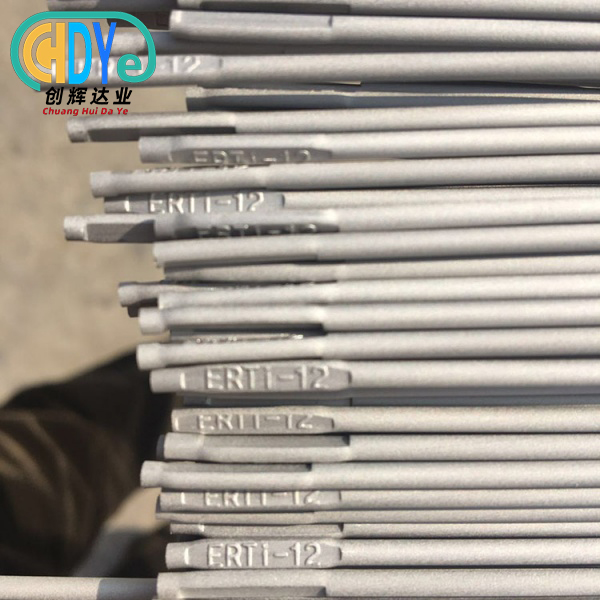
Grade 9 (Ti-3Al-2.5V) is a titanium metal that can be used in situations that need more strength while still being resistant to rust. This alloy is used in high-pressure chemical processing and heat exchanges in aircraft because it is stronger than other materials. Grade 12 has molybdenum and nickel added to it to make it more resistant to reducing acids and crack corrosion in certain chemical process environments. The choice of material should be based on the harshest conditions that the part is likely to be used in over its lifetime, taking into account both normal use and possible problems.
Testing and Quality Assurance Requirements
In addition to choosing the right material type, thorough testing procedures are used to confirm that it can perform its job. Testing the structure's strength under 1.5 to 2.0 times the highest allowable working pressure shows that it is solid and won't change shape permanently. Helium leak testing finds tiny flaws that could get worse when the load is changed over and over. Eddy current or ultrasonic inspection can find changes in wall thickness or breaks inside the material. Leading makers keep their ISO 9001:2015 certification, which shows that they have structured quality control throughout the whole production process, from receiving the raw materials to inspecting and packaging them at the end, ensuring the reliability and performance of Titanium Coil Tube products.
Comparing Titanium Coil Tubes to Alternative Materials: Making an Informed Choice
To make smart purchasing decisions, you need to know how titanium's total cost of ownership stacks up against other materials over the whole lifecycle of a system. Even though the initial costs of materials are usually higher than those of other options, performance advantages often lead to strong economic returns.
Titanium vs. Stainless Steel in Corrosive Environments
Different types of stainless steel, like 316L, work well in slightly acidic environments and cost a lot less at first. But chloride levels above 200 ppm raise the risk of pitting and crevice corrosion, which can cause materials to fail early in chemical and marine settings. Because stainless steel needs to be able to handle corrosion, the walls have to be wider, which makes heat movement less effective and adds weight. Titanium is resistant to chloride attack, so there is no need for corrosion allowances. This means that walls can be thinner, which improves heat efficiency while using less material. Titanium coils usually last 10 to 20 years in seawater service, while copper-nickel coils only last 2 to 4 years. This means that repair costs and downtime are much lower.
Performance Comparison with Copper and Aluminum
At first glance, copper's better thermal conductivity seems to mean better heat transfer, but this benefit quickly fades when fouling layers form on its surfaces in ocean or cooling tower settings. Titanium doesn't allow biological growth or scale to form, so its thermal performance stays the same over long periods of service. Although aluminum is cheaper than some other metals, it is not chemically resistant enough to be used in aggressive media and can corrode when joined to other metals that are not the same. Choosing a material shouldn't just be based on how much it costs at first, but also on how long it will last, how often it needs to be maintained, how much cleaning chemicals cost, how often it needs to be replaced, and how long system downtime will affect things.
Supplier Reliability and Supply Chain Considerations
Performance specs for materials don't mean much if you can't consistently get them and get help with them. When evaluating suppliers, you need to look at their production capacity, consistent lead times, ability to make changes, and support after delivery. Manufacturers in well-known titanium production hubs gain from linked supply chains, skilled workers, and being close to sources of raw materials. People call the Baoji region in Shaanxi Province China's "Titanium Capital" because it has a lot of manufacturing infrastructure and a lot of experience with metals. Suppliers that work in these industrial clusters usually have more technical knowledge and more production options than distributors that don't make their own products.
Procurement Best Practices: How to Buy Titanium Coil Tubes with Confidence
A good procurement process includes more than just technical specs. It also includes qualifying suppliers, agreeing on prices and quality standards, and making sure that both short-term project needs are met and long-term relationships with suppliers are maintained.
Supplier Qualification and Certification Verification
Manufacturers with a good reputation keep quality standards that are known around the world and show that they have systematic process controls. ISO 9001:2015 certification is a basic guarantee that a quality management system is being used. Other certifications, like the PED (Pressure Equipment Directive) or ASME stamps, show that strict pressure vessel codes are being followed. Ask for copies of current certificates and use records maintained by the granting body to make sure they are still valid. In addition to certifications, you can check a company's manufacturing skills by doing a facility audit or a detailed capability questionnaire that asks about things like testing capabilities, production capacity, and the qualifications of technical staff. When compared to suppliers who rely on outside processing, those who have their own melting, forging, rolling, and precise machining tools for products such as Titanium Coil Tube have better control over the properties of the materials and the limits for size.
Pricing Structure and Commercial Terms
Titanium Coil Tube prices depend on a number of things, such as the grade of the material, the size requirements, the number of tubes ordered, and how complicated the customization is. Base prices are usually given per linear meter or per kilogram, and savings are given for bigger orders. Manufacturers have different minimum order numbers, but most are between 50 and 200 meters, based on the diameter and thickness of the walls of the coil. Talk about payment terms that protect both the buyer and the seller. For example, a 30% deposit with the rest due after inspection and shipping documents. Make it clear what the difference is between standard product availability and custom fabrication schedules when it comes to lead times. From the time an order is confirmed until it is shipped, it could take 6 to 8 weeks for complex geometries or tight tolerances. Standard configurations, on the other hand, could ship within 2 to 3 weeks.
Quality Documentation and Traceability Requirements
Complete paperwork packages should be sent with every order. This way, everything can be tracked, from the chemistry of the raw materials to the results of the final inspection. The chemical make-up and mechanical properties of a material must be shown in test results for the individual production lot, not just general values. Dimensional inspection reports should include measurements of the outer diameter, wall thickness, coil diameter, and height taken in more than one place to show that the product meets the requirements. Pressure test papers show that hydrostatic testing was done successfully at certain pressures and for certain amounts of time. Keep these records as part of the permanent project paperwork so that they can be used to help with future maintenance choices and to meet legal requirements.
Conclusion
To choose the best Titanium Coil Tube, you have to balance the need for technical performance with the need to buy something quickly. The choice of material type should be based on the harshest conditions that the part will be used in over its lifetime, and the size requirements must take into account both thermal performance goals and fitting limitations. Choosing suppliers with a lot of quality certifications, strong testing tools, and a history of being able to make changes reduces the risks of procurement and makes sure that performance is consistent across multiple orders. Even though titanium coils cost more at first, they pay for themselves many times over through longer service life, less upkeep, and continued thermal efficiency in hard situations where other materials break down quickly. Using the evaluation criteria explained in this guide, procurement professionals can be sure to choose Titanium Coil Tubes that will work well and build relationships with suppliers that will help the business succeed in the long run.
FAQ
Q: How does titanium's corrosion resistance compare to stainless steel in seawater applications?
A: In ocean settings where 316L stainless steel experiences increasing pitting and crevice attack, titanium is completely resistant to corrosion caused by chloride. If the passive titanium dioxide layer gets damaged, it grows back right away. This gives permanent protection without having to account for corrosion when figuring out the wall thickness. When chloride levels go above 200 ppm or temperatures rise above 60°C, stainless steel quickly loses its usefulness, but titanium parts are safe in these conditions.
Q: What criteria determine whether Grade 1 or Grade 2 titanium suits my heat exchanger application?
A: Most industrial heat exchangers are made of Grade 2, which is well-suited to corrosion resistance and has 25% more mechanical strength than Grade 1. Because it's stronger, the walls can be thinner and the bend radius can be smaller, but the structure will still hold up under pressure and temperature changes. Grade 1 is only needed in very corrosive settings where lower strength values are acceptable for maximum chemical resistance, like when concentrating reducing acid is used or when ultra-high-purity pharmaceuticals are used.
Q: Which certifications should I require from titanium coil tube suppliers?
A: Compliance with ASTM B338/ASME SB-338 material standards and ISO 9001:2015 for quality control systems are two important certifications. Ask for material test reports that show the real chemical make-up and mechanical properties, certificates of hydrostatic pressure tests that show the material doesn't leak, and records of dimensional inspections that show the material meets all tolerances. Suppliers who work with pressure vessels should keep the right code stamps, like an ASME U-stamp or PED certification, depending on the rules in your area.
Partner with Chuanghui Daye for Premium Titanium Coil Tube Solutions
Shaanxi Chuanghui Daye Metal Material Co., Ltd. has been working with rare metals for more than 30 years and brings that experience to every Titanium Coil Tube project. They can combine advanced manufacturing skills with quick technical support. Our factory is in Baoji, which is known as China's Titanium Capital. We have full control over the whole production process, from precision coiling to stress-relief annealing and final inspection. We are experts at making heat exchangers, condensers, chemical reactors, and other specialized industrial systems with Titanium Coil Tube configurations that are exactly what you need. Our ISO 9001:2015-certified processes guarantee consistent quality and full material tracking. Before shipping, our in-house testing equipment checks for accuracy in measurements and pressure stability. Our engineering team works together to make sure that the geometry, wall thickness, and surface finish are all perfect for your needs, whether you need standard Grade 2 coils or custom alloy shapes. Our Titanium Coil Tube manufacturer team can be reached at info@chdymetal.com to talk about your project needs and get specific technical advice based on decades of experience working with metals in the aircraft, chemical processing, marine, and medical device industries around the world.
References
1. American Society for Testing and Materials. (2021). Standard Specification for Seamless and Welded Titanium and Titanium Alloy Tubes for Condensers and Heat Exchangers. ASTM B338-21.
2. Boyer, R., Welsch, G., & Collings, E.W. (2019). Materials Properties Handbook: Titanium Alloys. ASM International, Materials Park, Ohio.
3. Schutz, R.W. (2018). "Titanium in Seawater Applications: Technical and Economic Considerations." Journal of Materials Engineering and Performance, 27(4), 1783-1799.
4. European Pressure Equipment Directive. (2020). Compliance Guidelines for Heat Exchanger Materials in Corrosive Service. PED 2014/68/EU Technical Standards.
5. Donachie, M.J. (2017). Titanium: A Technical Guide, Third Edition. ASM International Technical Books Series, Materials Park, Ohio.
6. Zhang, L. & Wang, K. (2022). "Comparative Analysis of Heat Transfer Performance in Titanium versus Copper-Nickel Coiled Tube Heat Exchangers." International Journal of Heat and Mass Transfer, 185, Article 122394.
Learn about our latest products and discounts through SMS or email