- English
- French
- German
- Portuguese
- Spanish
- Russian
- Japanese
- Korean
- Arabic
- Greek
- German
- Turkish
- Italian
- Danish
- Romanian
- Indonesian
- Czech
- Afrikaans
- Swedish
- Polish
- Basque
- Catalan
- Esperanto
- Hindi
- Lao
- Albanian
- Amharic
- Armenian
- Azerbaijani
- Belarusian
- Bengali
- Bosnian
- Bulgarian
- Cebuano
- Chichewa
- Corsican
- Croatian
- Dutch
- Estonian
- Filipino
- Finnish
- Frisian
- Galician
- Georgian
- Gujarati
- Haitian
- Hausa
- Hawaiian
- Hebrew
- Hmong
- Hungarian
- Icelandic
- Igbo
- Javanese
- Kannada
- Kazakh
- Khmer
- Kurdish
- Kyrgyz
- Latin
- Latvian
- Lithuanian
- Luxembou..
- Macedonian
- Malagasy
- Malay
- Malayalam
- Maltese
- Maori
- Marathi
- Mongolian
- Burmese
- Nepali
- Norwegian
- Pashto
- Persian
- Punjabi
- Serbian
- Sesotho
- Sinhala
- Slovak
- Slovenian
- Somali
- Samoan
- Scots Gaelic
- Shona
- Sindhi
- Sundanese
- Swahili
- Tajik
- Tamil
- Telugu
- Thai
- Ukrainian
- Urdu
- Uzbek
- Vietnamese
- Welsh
- Xhosa
- Yiddish
- Yoruba
- Zulu
Where Is Titanium Anode Assembly Used in Electrochemical Systems?
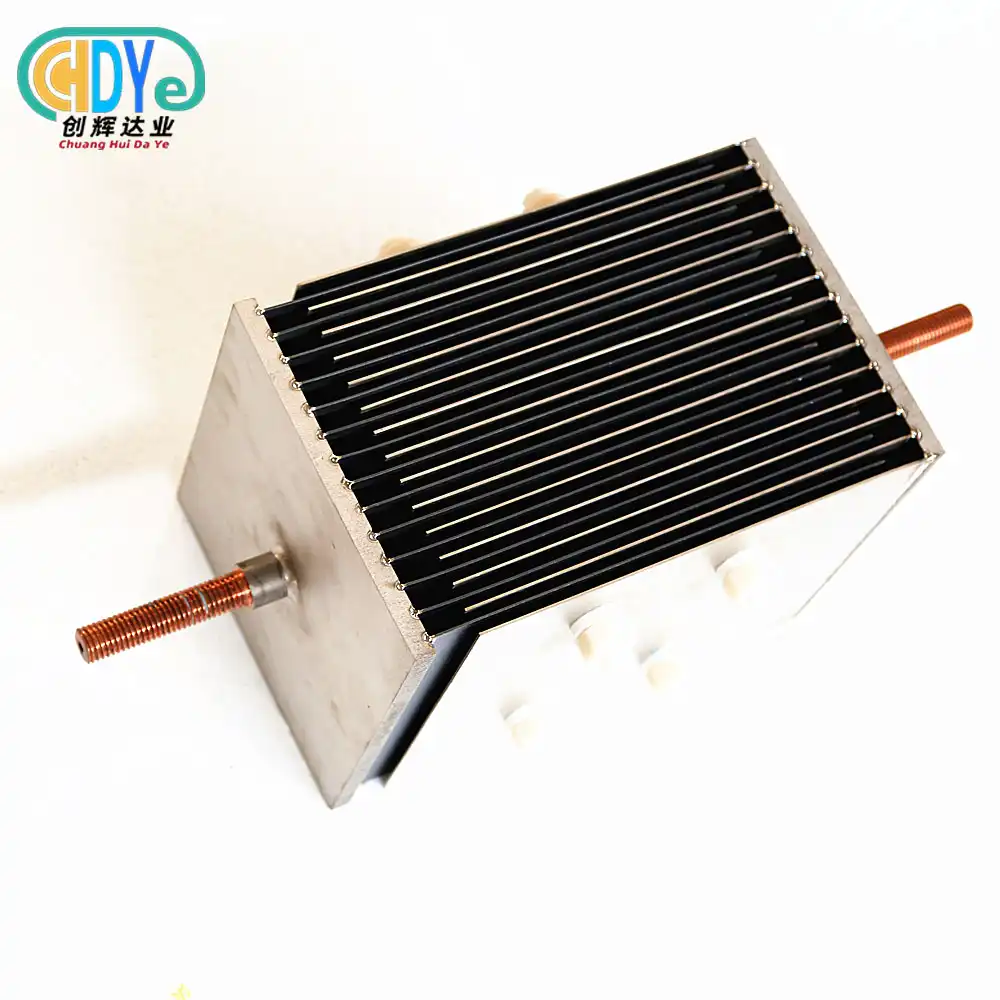
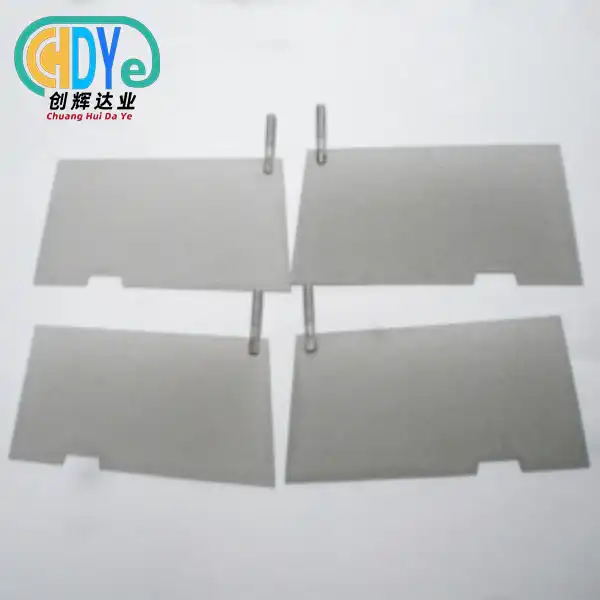
Titanium anode assemblies serve as indispensable components in modern electrochemical systems, offering unmatched durability and efficiency across demanding industrial applications. These precision-engineered units consist of high-purity titanium substrates—typically Gr1 or Gr2—coated with catalytic layers such as mixed ruthenium-iridium oxide, iridium-tantalum, or platinum. The titanium anode assembly leverages titanium's exceptional corrosion resistance and the catalytic coatings' ability to facilitate efficient electron transfer, making them ideal for environments involving aggressive electrolytes, high current densities, and extreme pH conditions. Understanding where these assemblies excel helps procurement teams and engineers make informed decisions that reduce operational costs and enhance system reliability.
Understanding Titanium Anode Assemblies in Electrochemical Systems
In electrochemical processes, the anode's quality has a direct effect on how well the process works, how much energy it uses, and how often it needs to be maintained. Titanium-based anodes are a big step forward in technology compared to older materials like graphite or lead alloys.
What Makes Titanium Substrates Ideal for Anodes?
Titanium has an inactive oxide layer that protects it from chemical attack in both acidic and basic conditions. When anodes work in chloride-rich solutions, acidic plating baths, or alkaline electrolytes, this property becomes very important. The substrate keeps the structure together, and the valuable metal oxide layer takes care of the electrochemical process. Because titanium doesn't change shape when it's under a lot of power, these anodes keep working the same way for as long as they're supposed to, which could be anywhere from three to five years or longer based on how they're used.
How Catalytic Coatings Enhance Performance
The anode's electrochemical behavior is controlled by the coating that is put on titanium substrates. Mixed metal oxide coatings use iridium and ruthenium to lower overpotential, which is the extra voltage needed to drive reactions. This saves energy. Because they are more stable and selective, platinum films work really well in oxygen evolution uses and precious metal electroplating. We at Chuanghui Daye can make coatings that are exactly what you need based on the electrolyte composition and current density. This way, we can make sure that each application has the best catalytic activity possible.
The Role of Modular Design in System Integration
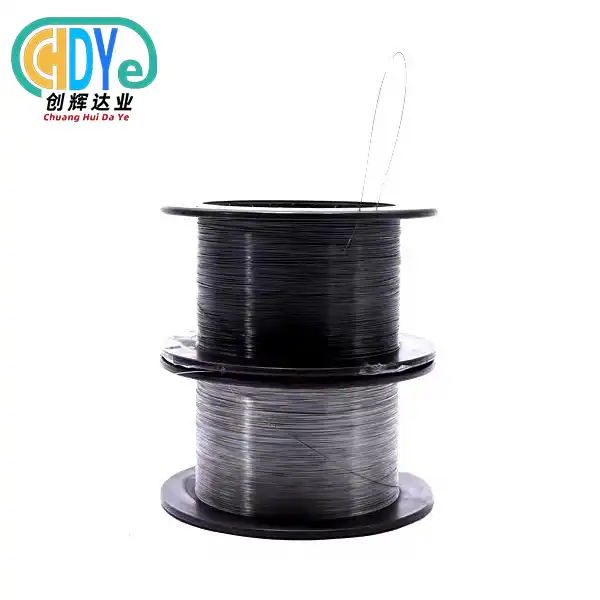
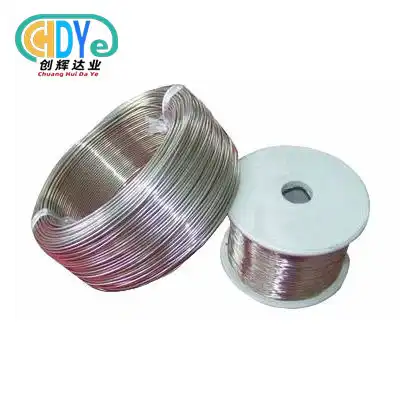
Modern titanium anode assemblies are made up of separate modules that make them easier to install and replace. These units can be made into plates, meshes, tubes, rods, wires, disks, and more, and they can fit different cell shapes and flow patterns. Custom designs can be made to fit different vessel shapes or the needs of current distribution. This adaptability makes engineering improvements easier and lets plants find the best electrode spacing for maximum efficiency. If the coating wears off, the titanium substrate can be acid-pickled, re-coated, and put back into service, which greatly reduces the long-term cost of capital.
Common Applications of Titanium Anode Assemblies in Electrochemical Systems
Dimensionally stable anodes are used in many industries because they are flexible and can be used in a variety of ways. These industries all benefit from better process control and less damage to the environment.
Electroplating and Metal Finishing Operations
In electroplating plants, the quality of the coating depends on how evenly the current flows. Titanium anode assembly systems using titanium anodes coated with platinum or mixed oxides help deposit metal evenly across complex part shapes, reducing flaws like burning or poor adhesion. Unlike consumable anodes, these inert electrodes keep their size stable while they're working, so they don't need to be adjusted very often. Plating shops that work with chrome, nickel, copper, and valuable metals depend on these anodes to meet strict surface finish requirements while cutting down on metal waste and sludge production.
Wastewater and Water Treatment Systems
Environmental laws are pushing businesses more and more toward electrolytic oxidation as a way to clean up polluted water. Titanium anodes make strong oxidizing agents, such as hydroxyl radicals and active chlorine, that break down organic toxins, dyes, drugs, and contaminants that don't go away. In cooling tower systems, these anodes make sodium hypochlorite right where they are needed from seawater or brackish water. This stops biofouling without the risks of storing or handling chemicals. Anodes are useful for municipal treatment plants and industrial facilities because they can work constantly in harsh conditions with little control, which lowers the cost of chemicals and operating complexity.
Chlor-Alkali and Chemical Manufacturing
Titanium anodes are used by the chlor-alkali business to make chlorine gas and caustic soda on a big scale through brine electrolysis. These parts can handle the harsh conditions found in membrane and diaphragm cells, which include high temperatures, high concentrations of sodium chloride, and high current densities. By keeping the chlorine overpotential low, usually below 1.13V, the anodes make the energy use more efficient, which has a direct effect on the cost of production. Titanium anode technology is also used by chemical companies that make sodium hypochlorite, potassium permanganate, and other oxidizing agents to make their processes reliable and cost-effective.
Emerging Applications in Energy and Recovery
As businesses try to be more environmentally friendly, titanium anodes are being used more and more to make hydrogen through water electrolysis, which helps with clean energy projects. They are used in electrolytic processes to collect lithium and prepare electrodes in places that make batteries. Electrowinning with titanium anodes is used by metal recovery operations to get copper, zinc, and other valuable metals out of mining solutions and industrial waste streams. The anodes can be used more than once and have a long life, which is in line with the principles of the circular economy. This makes them appealing for businesses that care about both the economy and the environment.
Titanium Anode Assembly vs. Alternative Anodes: Making the Right Choice
When choosing the right anode material, you have to weigh the original investment against the total cost of ownership. Titanium parts always show that they are the better value.
Performance Comparison with Conventional Materials
Graphite anodes are cheap at first, but they lose their shape over time and wear out slowly, so they need to be replaced often and contaminate the electrolyte. Anodes made of stainless steel rust quickly in salt settings and don't have the catalytic activity needed for reactions to work well. Lead alloy anodes have been used for a long time, but they are bad for the environment and don't use energy efficiently. These problems can't happen with titanium assemblies because they are chemically inert, stable in size, and have improved electrocatalytic properties that lower the voltage needed by 20 to 30 percent compared to regular materials.
Evaluating Total Cost of Ownership
Even though titanium anode assembly costs more up front, it usually pays for itself in 18 to 24 months. Less energy use directly cuts running costs, which is especially important in high-current situations. Maintenance intervals get a lot longer—routine inspections take the place of constant electrode management—which frees up staff to do more useful tasks. Because titanium substrates can be used again and again, replacement costs are low because only coating services are needed instead of buying whole electrodes. When you think about the time and money saved, the quality of the product, and the cost of removal, titanium anodes always do better than other options over long periods of time.
Matching Anode Specifications to Process Requirements
People who work in procurement should look at the type of covering based on the electrochemical processes that happen with it. Ruthenium-iridium layers work well with methods that release chlorine and oxidize it. Iridium-tantalum mixtures work really well in settings with a lot of air and acid. Platinum coatings are used in specific situations where high inertness or specific catalytic selectivity is needed. The best coating choice is affected by the amount of current, the temperature of the electrolyte, the pH range, and the presence of fluoride or other harmful substances. Working with experienced suppliers who offer technical advice makes sure that the specifications match the actual operating conditions. This keeps the product from breaking down too soon or not working as well as it could.
Selecting and Procuring Titanium Anode Assemblies for Your Electrochemical Systems
Strategic buying is more than just comparing prices. It also includes checking the quality, being able to customize, and being able to rely on a source for a long time.
Critical Procurement Criteria
Certified materials confirm the purity of the base and the makeup of the coating, which has a direct effect on how well it works and how long it lasts. If a company has ISO 9001:2015 approval, it means they have strong quality control systems that check everything from the raw materials to the finished products. Traceability documentation lets you connect specific batches of materials to how well they work in the field, which helps with continuous improvement. Independent testing should be done to confirm coating thickness specifications, which are usually between 2.5 and 10 microns depending on the application. Design compatibility includes things like how the parts are mounted mechanically, how they connect electrically, and how the fluid flows, all of which affect how current is distributed and how mass is moved.
Supplier Capabilities and Support
Leading makers offer technical help during system design to help find the best places to put electrodes and the best sizes and arrangements for them. Before a full-scale deployment, performance is checked with prototypes and accelerated life testing. This lowers the risk of implementation. Global logistics capabilities make sure that even urgent projects are delivered on time, and regional technical support helps with fixing problems and giving maintenance advice. Customization allows for non-standard coating formulas, forms, and sizes that are needed for specific uses. Because Chuanghui Daye has been working with rare metals for 30 years, we can quickly meet the needs of any project, whether it's making small parts for universities for research purposes or large quantities for factories.
Best Practices for Supply Chain Management
Building ties with qualified sources before you need them makes it easier to get what you need during capacity increases or replacements that weren't planned. Framework deals with clear lead times and price systems help keep budgets stable and make sure that priorities are assigned during times of high demand. Keeping a small stock of extra parts for important systems lowers the risk of production interruptions without locking up too much capital. Periodic audits of suppliers make sure that they continue to meet quality standards and production capabilities. This helps partnerships last for a long time and keep getting better.
Maintenance and Longevity: Maximizing the Lifespan of Titanium Anode Assemblies
Taking good care of anodes increases their service life and keeps them running at their best, which has a direct effect on working costs and system dependability.
Routine Inspection and Monitoring Protocols
Monitoring the voltage on a regular basis finds coating degradation before it leads to complete failure. Gradual voltage rises show rising overpotential as catalytic activity decreases, indicating that end-of-life is getting close. Visual inspections find physical damage from rough handling or mechanical contact that could speed up the loss of the coating. Scale or organic layers that shield electrode surfaces and lower active area can be removed by cleaning them on a regular basis. Keeping the makeup of the electrolyte within the design limits stops it from breaking down faster because of unexpected contaminants or changes in concentration. Simple monitoring methods allow for proactive scheduling of maintenance, which keeps businesses from having to shut down without warning or make last-minute purchases with a titanium anode assembly.
Preventing Common Failure Modes
During shutdown, reverse current breaks down titanium at the junction of the base and coating, which leads to delamination. This damage mechanism can be stopped by following the right shutdown procedures or adding protective circuitry. Organic contamination poisons catalytic sites, which lowers efficiency and means the coating needs to be replaced earlier than planned. Filtration and electrolyte treatment on a regular basis keep things clean. When you operate above the recommended current density limits, the coating wears faster because too much oxygen is released at the substrate interface. Following the manufacturer's instructions will ensure that the design life is met. By understanding these failure modes, practical changes can be made to protect the health of the anode and get the best return on investment.
Recoating and Substrate Reuse Economics
When the coating wears off, the titanium substrate is still fully usable for making more things. Chemical stripping takes off an old coating without hurting the base material. Surface cleaning and re-coating bring the system back to like-new state for about 40 to 50 percent of what it cost to buy in the first place. This circularity makes the lifecycle economics a lot better than with consumable electrodes that need to be replaced completely. Using serial numbers to keep track of each assembly allows for performance analysis and planned maintenance, which helps find the best time to recoat while keeping costs as low as possible. Reusable electrode systems are good for organizations that care about the environment because they use less materials and make less waste.
Conclusion
Titanium anode assemblies are a mature technology that has been used for a long time and has been shown to be useful in many electrochemical situations. Their ability to fight rust, work well as catalysts, and stay the same size helps solve important problems in electroplating, water treatment, chemical production, and new energy technologies. Even though the original investment is higher than other options, the total cost of ownership benefit becomes clear when you look at how much less energy is used, how long between maintenance visits are, and how the substrate can be used again. For implementation to go well, it's important to carefully match specifications, choose suppliers that focus on quality and technical support, and use operational practices that protect the integrity of the electrodes. As businesses try to be more eco-friendly and efficient, these assemblies keep becoming more popular. This is because coatings are always getting better, and they can be customized to meet the needs of different applications.
FAQ
Q: What determines the service life of a titanium anode assembly?
A: Service life is mostly determined by the working current density, the makeup of the electrolyte, and the width of the coating. When things are normal and the current density is controlled correctly, assemblies with 2.5-micron coatings usually last between three and five years. Higher current densities speed up the wear and tear on the coating, and harmful species like fluorides may attack the contact between the covering and the base. Keeping the electrolytes clean and avoiding reverse current will greatly increase the life of the device.
Q: Can titanium substrates be recoated after coating depletion?
A: Of course. After the coating wears off, the titanium substrate is still chemically stable and structurally sound. Specialized facilities remove the worn-down coating, clean the surface, and then add new catalytic layers, which restores full functionality for a lot less money than buying a new electrode. This ability to be used again and again cuts down on long-term capital costs and is in line with environmentally friendly manufacturing methods.
Q:How do I select the appropriate coating for my application?
A: The electrical response and electrolyte atmosphere affect the choice of coating. Ruthenium-iridium is good for oxidation and chlorine evolution. Iridium-tantalum works really well in acidic and oxygen-filled environments. Platinum is used for specialized oxidation and plating with precious metals. Talking to experienced suppliers who know your unique process factors is the best way to make sure you get the right coating specifications for the best performance and durability.
Partner with a Trusted Titanium Anode Assembly Manufacturer
Three decades of experience with rare metals and ISO 9001:2015-certified production processes are what Shaanxi Chuanghui Daye uses to offer complete solutions for tough electrochemical tasks. We make special assemblies with Gr1 and Gr2 titanium substrates that have ruthenium-iridium, iridium-tantalum, or platinum coats. The substrates come in shapes like plates, meshes, tubes, rods, wires, and disks. We are located in Baoji, which is known as China's "Titanium Capital." To make sure the best performance in your unique operating system, our expert team helps with specification, prototype development, and application support. We offer factory-direct pricing, thorough quality documentation, and quick global logistics, no matter how much you need for research or production. Get in touch with our team at info@chdymetal.com to talk about your needs with a titanium anode assembly supplier who is dedicated to your business's success.
References
1. Chen, G. (2004). Electrochemical Technologies in Wastewater Treatment. Environmental Science & Technology, 38(1), 11A-17A.
2. Schmuki, P., & Böhni, H. (1995). Electrochemistry of Titanium in Acidic Solutions. Journal of the Electrochemical Society, 142(5), 1705-1712.
3. Comninellis, C., & Vercesi, G. P. (1991). Characterization of DSA-Type Oxygen Evolving Electrodes. Journal of Applied Electrochemistry, 21(4), 335-345.
4. Trasatti, S. (2000). Electrocatalysis: Understanding the Success of DSA®. Electrochimica Acta, 45(15-16), 2377-2385.
5. Karlsson, R. K. B., & Cornell, A. (2016). Selectivity Between Oxygen and Chlorine Evolution in the Chlor-Alkali and Chlorate Processes. Chemical Reviews, 116(5), 2982-3028.
6. Panizza, M., & Cerisola, G. (2009). Direct and Mediated Anodic Oxidation of Organic Pollutants. Chemical Reviews, 109(12), 6541-6569.
Learn about our latest products and discounts through SMS or email