- English
- French
- German
- Portuguese
- Spanish
- Russian
- Japanese
- Korean
- Arabic
- Greek
- German
- Turkish
- Italian
- Danish
- Romanian
- Indonesian
- Czech
- Afrikaans
- Swedish
- Polish
- Basque
- Catalan
- Esperanto
- Hindi
- Lao
- Albanian
- Amharic
- Armenian
- Azerbaijani
- Belarusian
- Bengali
- Bosnian
- Bulgarian
- Cebuano
- Chichewa
- Corsican
- Croatian
- Dutch
- Estonian
- Filipino
- Finnish
- Frisian
- Galician
- Georgian
- Gujarati
- Haitian
- Hausa
- Hawaiian
- Hebrew
- Hmong
- Hungarian
- Icelandic
- Igbo
- Javanese
- Kannada
- Kazakh
- Khmer
- Kurdish
- Kyrgyz
- Latin
- Latvian
- Lithuanian
- Luxembou..
- Macedonian
- Malagasy
- Malay
- Malayalam
- Maltese
- Maori
- Marathi
- Mongolian
- Burmese
- Nepali
- Norwegian
- Pashto
- Persian
- Punjabi
- Serbian
- Sesotho
- Sinhala
- Slovak
- Slovenian
- Somali
- Samoan
- Scots Gaelic
- Shona
- Sindhi
- Sundanese
- Swahili
- Tajik
- Tamil
- Telugu
- Thai
- Ukrainian
- Urdu
- Uzbek
- Vietnamese
- Welsh
- Xhosa
- Yiddish
- Yoruba
- Zulu
How to Select the Right Titanium Metal Plate Grade?
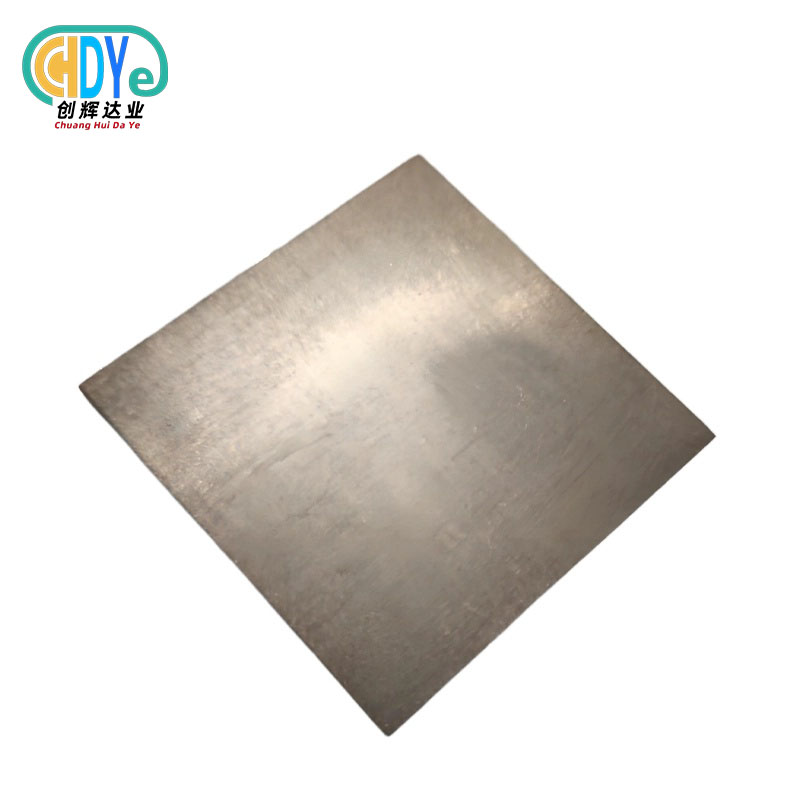
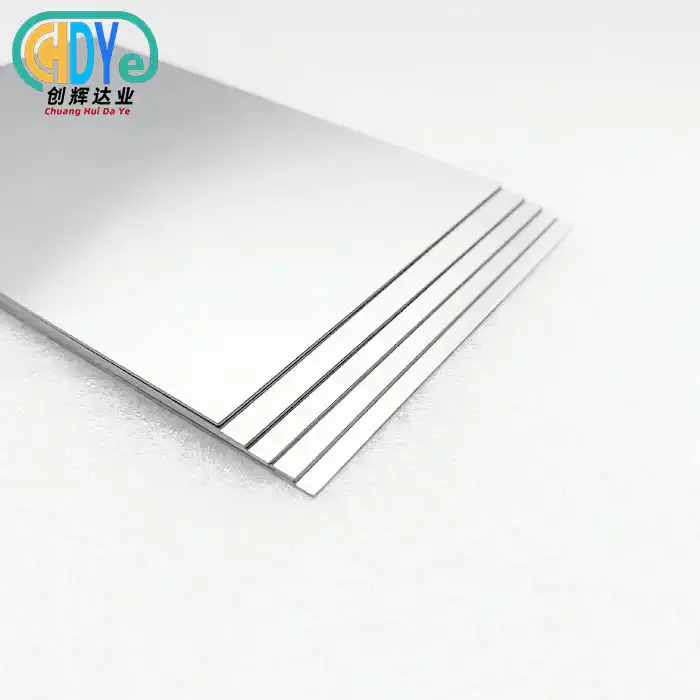
To choose the right titanium metal plate type, you need to think about the mechanical needs of your product, how it will be used, and your budget. The choice is usually based on how much strength is needed and how resistant it is to rust. Commercially pure grades, like Grade 2, protect against rust the best and are easiest to shape for chemical equipment. Alloy grades, like Grade 5 (Ti-6Al-4V), provide the strongest tensile strength for aircraft structures. By knowing these differences, you can be sure that the materials you buy will work well and last a long time in harsh industrial settings.

Introduction
Titanium metal plates are important materials that are used a lot in the chemical, automobile, aerospace, and industrial fields because they are very strong for their weight and don't rust. Picking the right titanium grade is important for getting the best performance and lowest cost in tough situations. This guide tells buying managers, engineers, and OEM clients everything they need to know about the different types of titanium plate, including their technical specs, how they can be used, and how to buy them. Businesses can make sure they choose the right material for long-term dependability and good budget management by following the listed factors and best practices.
A lot of technical factors need to be carefully thought through during the decision-making process. It's important to know how different types react to temperature stress, chemical exposure, and mechanical loading so that mistakes don't happen that cost a lot of money. We've put together selection factors that have been used by engineers for years and help them fit the properties of materials to the performance needs of real-world situations.
Understanding Titanium Metal Plates and Their Grades
Titanium metal plates are flexible flat goods that are known for being strong, light, and not corroding. They are made in different thicknesses and sizes to meet the needs of different industries. The process of making something starts with high-purity titanium sponge, which is cleaned up with vacuum arc remelting. The liquid material is then shaped and rolled into plates with controlled microstructures that decide the end strength.
What Makes Each Grade Unique
The most popular grades, from Grade 1 to Grade 5, have very different chemical compositions, mechanical strengths, and resistance to rust. The lowest intermediate elements are in Grade 1, which gives it the most flexibility and good shaping properties. Grade 2 is the most popular commercially pure titanium. It has a middling strength and a high corrosion resistance. Because Grade 4 is stronger while still being flexible, it can be used for pressure pipes. Grade 5 is an alpha-beta metal made up of vanadium and aluminium. It has tensile strengths higher than 895 MPa, which makes it essential for high-stress aircraft uses.
Manufacturing Processes That Impact Quality
It's also important to understand the steps that go into making something, like melting, rolling, and finishing, because these affect the quality and strength of the finished product. Grain size and residual stress levels are controlled by annealing temperatures, which have a direct effect on wear resistance. Anisotropic qualities are changed by rolling motion and must be taken into account when designing a component. Methods for finishing the surface, like pickling or bead blasting, change how well later coatings fight rust and stick to the surface. This basic information gives buying workers the confidence to choose the right grade and makes sure it works with operations that come after.
Key Factors to Consider When Choosing Titanium Metal Plate Grades?
To choose the right grade, you have to weigh the cost, weight, technical performance, and resistance to the environment. Different grades have different tensile and yield strengths as well as different amounts of ductility, so they can meet the needs of different industries, such as the high-performance needs of the aircraft industry or the corrosion problems faced by the chemical industry. There should be working temperature ranges in the choice matrix, since some types keep their qualities better at high temperatures than others.
Mechanical Performance Requirements
The tensile strength and yield strength of a material show how well it can handle practical loads without permanently changing shape. Grade 5 titanium metal plates have tensile strengths of up to 550 MPa and yield strengths of up to 485 MPa. This means that they can be used for structural parts that are subjected to high cycle loads. Commercially pure types have lower strengths but better elongation values, which means they can be shaped in complicated ways without breaking. Knowing the results of your stress analysis helps you match the material's mechanical environment to how it will be used in real life.
Corrosion Resistance in Harsh Environments
Titanium is often better than stainless steel and aluminium because it doesn't rust, especially in tough environments. When the material is exposed to air, it naturally forms a steady titanium dioxide (TiO₂) film. This makes it very resistant to saltwater, wet chlorine, and acids that break down materials. Even after mechanical damage, this inactive layer keeps growing back, providing long-lasting defence. This is a natural trait that helps a lot with maintenance prices and service times for chemical processing equipment, desalination plants, and offshore platforms.
Fabrication and Machining Considerations
To keep project costs and timelines under control, it's important to think about how easy it is to machine and make things. Pure grades are easier to machine than metal grades, but you need better cutting tools and the right way to get rid of chips so that the work doesn't get too hard. There are big differences in how different types of titanium join. Pure titanium is better for welding than high-strength alloys. This part tells buyers how to correctly evaluate these factors and make the best purchasing choices that are in line with practical goals. This makes sure that the new products work well with the current manufacturing processes.
Titanium Metal Plate Grade Comparisons for B2B Applications
Knowing how different grades work in different fields helps you choose the right information. Each grade fills a different performance gap and faces different organisational obstacles. This comparison framework helps purchasing teams carefully match the powers of materials to the needs of applications.
Industry-Specific Grade Matching
Chemical companies that work with aggressive media should use Grade 2, which has great corrosion resistance. The durability of the material has a direct effect on operating safety and revenue. With a melting point of 1,668°C and a mass of about 4.51 g/cm³, it is stable at high temperatures in reactors. Because Grade 5 is stronger than other grades, it is used in aircraft and automotive industries, where reducing weight directly affects fuel economy and payload capacity. Manufacturers of medical devices choose commercially pure grades for surgical tools and implants. This is done to ensure biocompatibility, which means that the materials will fuse with the bone without causing any negative tissue reactions.
Comparative Performance Against Alternative Metals
Titanium metal plates' unique benefits and sometimes cost trade-offs are shown by comparing it to other metals such as stainless steel, aluminium, nickel alloys, and carbon steel. Even though titanium costs more than stainless steel at first because it lasts longer and needs less upkeep, lifetime cost analysis usually chooses titanium over stainless steel. Aluminium has a lower mass than titanium, but it is not as strong or resistant to high temperatures. Nickel metals can handle high temperatures, but they don't have the corrosion protection of titanium in chloride conditions. This method for research helps make the case for choosing materials during budget reviews.
Customisation Options for Specific Requirements
Help with aerospace-grade needs and selection criteria makes sure that strict industry standards like AMS 4911 and ASTM B265 are met. These rules say what kinds of changes are okay in terms of chemical makeup, mechanical qualities, and surface finish. The thickness can be changed from 0.5 mm to 50 mm, the width can be changed from 500 mm to 2000 mm, and the length can be changed from 1000 mm to 6000 mm. Cut-to-size options meet specific design requirements and make supply chain integration easier. This cuts down on trash and the cost of extra processing.
Procuring Titanium Metal Plates: Supplier Selection & Best Practices
Reliable supply chain sources are important for maintaining quality and keeping operations running. When evaluating a provider, more than just unit price should be taken into account. Certifications, the ability to increase or decrease production capacity, and the ability to provide expert help are some of the things that set reliable partners apart from transactional vendors.
Critical Supplier Evaluation Criteria
Quality management system approval, like ISO 9001:2015, shows that the whole production process is under systematic control, from checking the raw materials to packaging them up at the end. A supplier's production potential shows how well they can handle big orders without affecting delivery times. Expertise in metallurgy makes it possible for people to work together to solve problems when users push the limits of materials. Location affects logistics prices and wait times, especially when prototyping needs to be done quickly. Suppliers that have been around for a while usually keep smart inventory practices that speed up project timelines.
Understanding Cost Drivers and Value Factors
The prices of raw materials change depending on how much energy is needed for vacuum melting processes and how much titanium sponge is available around the world. Tighter tolerances and specialised heat processes make production more difficult, lowering industrial returns. Price breaks are often unlocked through volume promises, but minimum order amounts need to work with strategies for managing inventory. Lead times range from two weeks for normal sizes to eight weeks for special sizes that need dedicated production runs. Support after the sale, such as material approval paperwork and mechanical advice, is very valuable, even after the sale is over.
Partnering with Experienced Titanium Specialists
As China's "Titanium Capital" and a rare metal expert with over 30 years of experience, Chuanghui Daye can help with even the most difficult sourcing issues. Our ISO 9001:2015-certified building has cutting-edge tools for melting, forging, rolling, and machining, such as electron beam ovens and precise annealing systems. We have strict quality control procedures that include using ICP spectroscopy to look at the chemical makeup, acoustic testing that meets AMS 2631 standards, and checking all of the mechanical properties. This system can handle both large-scale production runs and flexible small-batch development for research institutions. This makes sure that the quality is the same for all orders, no matter how big or small they are.
Case Studies and Practical Tips for Selecting the Right Grade
Real-life examples show how well different grades can handle different business problems. Looking at real-life deployment situations can teach you useful things that reading about theory requirements alone can't. These examples show how experienced engineers make decisions about which materials to use for different tasks.
Aerospace Structural Component Success
Grade 5 is the most popular steel in aircraft because it has a high strength-to-weight ratio and has been shown not to fatigue under repetitive stress situations. A company that makes passenger aeroplanes asked for Ti-6Al-4V titanium metal plates to be used for bulkhead structures. These plates were 40% lighter than aluminium ones and passed strict tests for fracture toughness. Because the material is resistant to heat, it could be mounted directly on engine firewalls, where temperatures can hit 300°C, without the need for thermal protection layers. This application shows how choosing the right material can directly simplify designs and improve performance.
Chemical Processing Equipment Longevity
Grade 2 is still the best choice for chemical handling because it doesn't rust when exposed to a wide range of industrial chemicals. In hydrochloric acid service, a petrochemical plant put in titanium heat exchanger tubesheets to replace 316L stainless steel units that broke after 18 months due to stress corrosion cracking. The titanium parts have been used constantly for more than 12 years without any noticeable thickness loss. This proves that the higher original costs were worth it from an economic point of view. This case shows how long-lasting materials lead to more reliable operations and less downtime.
Practical Selection Checklist
Expert information is put together into choice models that can be used. Start by writing down the working temperature ranges, chemical exposure profiles, and conditions for mechanical loading. Check to see if biocompatibility or magnetic qualities are important for the job. Look at the manufacturing needs, such as how hard it is to weld, shape, or machine the part. Don't just look at the buying price; compare the costs over the whole life of the product. Common mistakes include selecting too high of a grade when lower-cost options will do or ignoring external factors that cause the structure to fail too soon. These findings make it easier to make choices and lower the risk of the whole buying process.
Conclusion
When choosing the right type of titanium metal plate, you need to carefully look at the mechanical needs, the surroundings, and the cost. Knowing the differences between commercially pure grades and high-strength metals lets you choose materials that are best for both performance and cost. Quality certifications, the skills of the supplier, and the infrastructure for professional help all have a big effect on the long-term success of a project. With these outlines and tips, procurement professionals will be able to easily handle titanium specifications, making sure that the materials they choose will work well in a wide range of demanding industrial settings without breaking the bank.
FAQ
Q: What are the primary differences between Grade 2 and Grade 5 titanium plates?
A: Grade 2 titanium is the purest titanium metal plate material that can be bought. It is very resistant to rust and easy to shape, and its tensile strength is about 345 MPa. Grade 5 (Ti-6Al-4V) is an alpha-beta metal made up of vanadium and aluminium. It has tensile strengths of over 895 MPa and is strong enough for aircraft structures despite its low weight.
Q: Can titanium plates withstand marine environments?
A: Titanium is very resistant to weathering from saltwater because it has a steady passive oxide layer. In chloride-rich settings, where stainless steels usually fail, this material doesn't pit, crevice, or stress-corrosion crack. This makes it perfect for offshore platforms, processing equipment, and marine propulsion systems.
Q: How do titanium plates compare to stainless steel in machining?
A: Titanium usually needs carbide or polycrystalline diamond tools that are sharper and use lower cutting speeds than stainless steel. Because the material doesn't transfer heat well, heat builds up at the cutting edge, so cooling flow is important. When you use the right methods, you get great surface finishes and accurate measurements.
Partner with Chuanghui Daye for Premium Titanium Metal Plate Supply
Shaanxi Chuanghui Daye Metal Material Co., Ltd. is ready to help you buy titanium metal plates with its high quality and technical know-how. Our large collection includes Grades 1 through 5, with thicknesses ranging from 0.5 mm to 50 mm. We also offer special cutting services that get rid of wasteful material. As a company that makes titanium metal plates and is ISO 9001:2015 approved, we have strict quality control measures in place. These include checking the chemical makeup, ultrasonic testing, and keeping full records of all the steps that were taken to make the plate. Our location in Baoji gives us direct access to China's best titanium production infrastructure. This lets us offer reasonable factory-direct prices and dependable delivery times. You can email our technical team at info@chdymetal.com to talk about your specific needs, get full material certifications, or get quotes for both small sample orders and large production orders.
References
1. American Society for Testing and Materials. (2021). ASTM B265: Standard Specification for Titanium and Titanium Alloy Strip, Sheet, and Plate. West Conshohocken, PA: ASTM International.
2. Donachie, M. J. (2000). Titanium: A Technical Guide, 2nd Edition. Materials Park, OH: ASM International.
3. Aerospace Material Specification. (2019). AMS 4911: Titanium Alloy Sheet, Strip, and Plate 6Al-4V Annealed d. Warrendale, PA: SAE International.
4. Lütjering, G., & Williams, J. C. (2007). Titanium, 2nd Edition. Berlin: Springer-Verlag.
5. Boyer, R., Welsch, G., & Collings, E. W. (1994). Materials Properties Handbook: Titanium Alloys. Materials Park, OH: ASM International.
6. Peters, M., Kumpfert, J., Ward, C. H., & Leyens, C. (2003). Titanium Alloys for Aerospace Applications. Advanced Engineering Materials, 5(6), 419-427.

Learn about our latest products and discounts through SMS or email