- English
- French
- German
- Portuguese
- Spanish
- Russian
- Japanese
- Korean
- Arabic
- Greek
- German
- Turkish
- Italian
- Danish
- Romanian
- Indonesian
- Czech
- Afrikaans
- Swedish
- Polish
- Basque
- Catalan
- Esperanto
- Hindi
- Lao
- Albanian
- Amharic
- Armenian
- Azerbaijani
- Belarusian
- Bengali
- Bosnian
- Bulgarian
- Cebuano
- Chichewa
- Corsican
- Croatian
- Dutch
- Estonian
- Filipino
- Finnish
- Frisian
- Galician
- Georgian
- Gujarati
- Haitian
- Hausa
- Hawaiian
- Hebrew
- Hmong
- Hungarian
- Icelandic
- Igbo
- Javanese
- Kannada
- Kazakh
- Khmer
- Kurdish
- Kyrgyz
- Latin
- Latvian
- Lithuanian
- Luxembou..
- Macedonian
- Malagasy
- Malay
- Malayalam
- Maltese
- Maori
- Marathi
- Mongolian
- Burmese
- Nepali
- Norwegian
- Pashto
- Persian
- Punjabi
- Serbian
- Sesotho
- Sinhala
- Slovak
- Slovenian
- Somali
- Samoan
- Scots Gaelic
- Shona
- Sindhi
- Sundanese
- Swahili
- Tajik
- Tamil
- Telugu
- Thai
- Ukrainian
- Urdu
- Uzbek
- Vietnamese
- Welsh
- Xhosa
- Yiddish
- Yoruba
- Zulu
Is GR4 Titanium Bar Suitable for Marine Engineering Projects?
The GR4 titanium bar stands as an excellent material choice for marine engineering projects. This commercially pure titanium grade combines exceptional corrosion resistance against saltwater with superior mechanical strength, achieving a tensile strength of 550 MPa minimum while maintaining outstanding ductility. The material can form a stable protective oxide layer, making it very suitable for offshore platforms, subsea equipment, seawater piping systems, and marine fasteners, where long-term durability and minimal maintenance are critical performance requirements. Marine environments impose some of the harshest conditions on structural materials. Constant saltwater exposure, fluctuating temperatures, mechanical stress, and biofouling create a perfect storm that accelerates material degradation. Traditional materials like carbon steel and even certain stainless steel grades often fail prematurely, leading to costly maintenance cycles and potential safety risks. We understand these challenges deeply because our manufacturing facility in Baoji has supplied marine-grade titanium components to shipbuilders and offshore operators for decades. The question isn't whether titanium belongs in marine applications—it's about selecting the right grade that balances performance with economic viability.
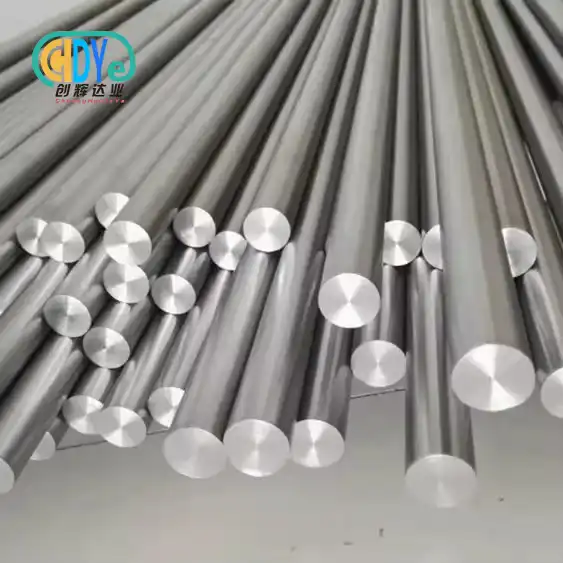
Understanding GR4 Titanium Bar: Properties and Benefits for Marine Engineering
The GR4 titanium bar is the best fully pure titanium grade that is currently available. Titanium alloys get their strength from adding elements like aluminum and vanadium. Controlled interstitial strengthening gives gr4 titanium its mechanical qualities, and this strengthening occurs because its alpha-phase microstructure has a higher oxygen level of up to 0.40%. This metal form offers truly amazing benefits for naval uses.
Chemical Composition and Standards Compliance
When we make GR4 titanium bars at Chuanghui Daye, we make sure they are made according to strict international standards like ASTM B348, ASME SB348, and ASTM F-67. The name of the material, UNS R50700 (Werkstoff Nr. 3.7065), makes sure that it is recognized around the world and meets all requirements. The controlled chemistry keeps the material pure while increasing its strength. This makes it a material that procurement managers can confidently select because they know it meets the high-quality standards needed for marine approval.
Mechanical Performance in Marine Environments
The mechanical characteristics of GR4 titanium bars directly address the demanding stress profiles encountered in marine structures. This material has a minimum tensile strength of 550 MPa and a minimum yield strength of 480 MPa, which means it can handle heavy loads while still being able to stretch by at least 15%. When it comes to things like motor shafts, rigging parts, and structural supports, where earthquake resistance and wear strength are important for safety, these qualities are very useful. The material works well in a wide range of temperatures that are usual in naval environments, from cold deep water to hot engine rooms.
Superior Corrosion Resistance Against Saltwater
What really sets GR4 titanium bar apart in naval uses is how well it resists rust in salt water. When the material is introduced to air or water, it makes a thin, solid layer of titanium dioxide on its own. This passive film grows back right away if it gets broken, protecting against chloride attack, crevice corrosion, and pitting, all of which are common ways for stainless steels to fail in marine settings. Independent tests have shown that gr4 titanium bar keeps its structural integrity even after years of being submerged in saltwater without any measurable degradation. This means that it doesn't have the catastrophic failure risks that come with structural parts that have rusted.
Weight-to-Strength Advantages for Vessel Design
Marine engineers are always weighing the needs for structure against the limits of weight. When compared to stainless steel parts of the same size and shape, gr4 titanium bar parts are about 45% lighter while still having the same or better strength properties. This decrease in weight directly leads to better fuel economy for ships, more cargo space, and more safety in designs for offshore platforms. The low density of the material (about 4.5 g/cm³) lets designers make buildings as safe as possible without sacrificing performance, which is critical in modern construction where economy is key to survival.
GR4 Titanium Bar vs Alternative Materials: Making the Right Choice for Marine Applications
When choosing materials for marine projects, you need to carefully consider a lot of performance and cost factors. When engineering teams know how gr4 titanium bar stacks up against other materials, they can make choices that save money on both the short-term costs of a project and the long-term costs of maintaining the project.
Performance Comparison with Stainless Steel
316L and other marine-grade stainless steels have long served in seawater applications. But gr4 titanium bar does better than these metals in a number of important ways. In general, 316L stainless steel is fairly resistant to corrosion, but in warm, stagnant seawater, it can still crack and pit due to stress corrosion. The GR4 titanium bar gets rid of all of these ways that it can fail. The fatigue strength of titanium under cyclic loading in saltwater environments exceeds that of stainless steel by significant margins, extending component service life in wave-action zones and rotating equipment applications. Even though titanium costs more per kilogram at first, it often has a lower total cost of ownership over a 20-year service time because it doesn't need to be coated, it needs less upkeep, and it lasts longer between replacements.
Comparison with Other Titanium Grades
When choosing a titanium grade, you have to think about how much it costs, how well it forms, and how resistant it is to rust. Grade 2 titanium is less expensive than gr4 titanium bar and has better rust protection, but its tensile strength is only 345 MPa, which is about 40% less than gr4 titanium bar. Because it isn't strong enough, Grade 2 can only be used in low-stress situations. Although Grade 5 (Ti-6Al-4V) titanium metal is very strong—approximately 900 MPa—it comes with many extra costs and raises worries about how aluminum and vanadium might leak out in some sea settings. Palladium is added to grade 7 titanium to make it more resistant to reducing acids, but it doesn't help much in normal seawater conditions and costs more. gr4 titanium bar is the best middle ground because it has the rust resistance of commercially pure titanium and the mechanical qualities that make it ideal for load-bearing structures at a competitive price.
Cost Analysis and Economic Viability
A full cost analysis needs to look at more than just the original cost of the materials. On the market right now, GR4 titanium bar stock costs between $25 and $40 per kilogram, based on the thickness, the amount, and the finishing needs. This is three to five times pricier than stainless steel, but the economic situation changes a lot when you look at lifetime costs. Marine buildings made of GR4 titanium bars don't need costly coatings that need to be reapplied every 5 to 10 years. The material resists biofouling better than steel, which lowers the drag and cleaning costs for parts that are immersed. The long service life—often more than 30 years without replacement—is the best part. It spreads out the original cost over many years of steady use. When offshore platform owners use titanium instead of stainless steel in vital seawater systems, they have seen repair costs drop by 60 to 70%.
Procurement Guide for GR4 Titanium Bars in Marine Engineering
Strategic planning for buying materials is the first step to successfully using GR4 titanium bars in naval projects. Being able to navigate the supply chain well ensures the quality of the materials, the dependability of delivery, and the lowest possible costs.
Supplier Credibility and Certification Requirements
For naval engineering uses, it is essential to track materials and guarantee quality. Reputable makers keep their ISO 9001:2015 certification, which indicates that they control quality in a planned way throughout the whole production process. This approval is held by Chuanghui Daye, and they give full material test certificates (EN 10204 3.1) for every output lot that shows the chemical makeup, mechanical qualities, and heat treatment records. Teams in charge of buying things should ensure that sellers can show proof that their products meet ASTM standards, as well as third-party inspection records and full tracking from the heating of the raw materials to the final finishing. This paper trail is crucial for government checks and the approval steps needed to classify a naval vehicle.
Custom Processing and Order Flexibility
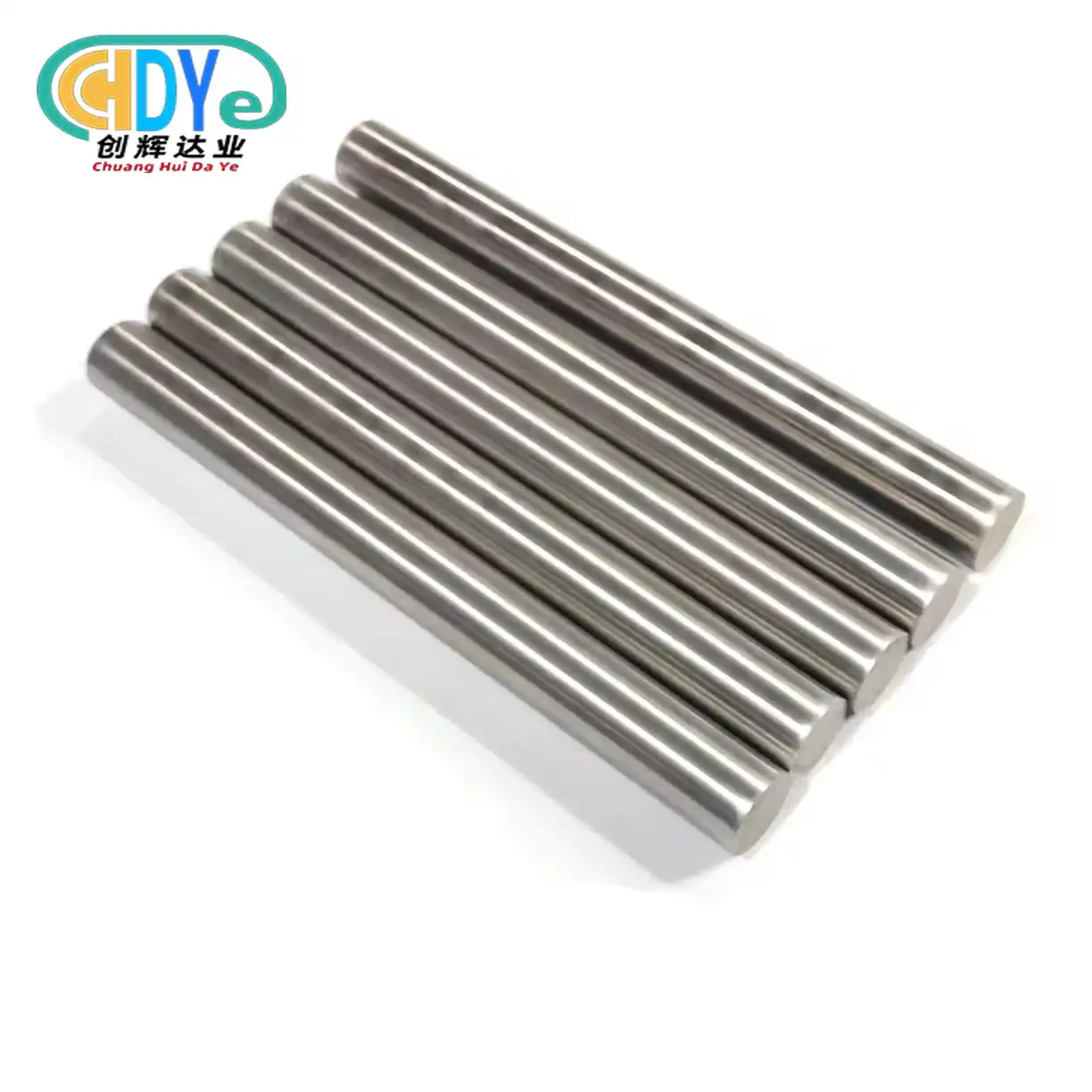
Marine projects often need GR4 titanium bars that aren't available in normal stock sizes, shapes, or finishes. They also need to be ordered in specific amounts and with certain surface finishes. We have regular lengths from 1000mm to 6000mm and diameters from 6.0mm to 200mm, so we can meet a wide range of design needs, from small screws to large structural parts. Because we can do precision cutting, we can give you surfaces that are turned, ground, or finished and meet very strict tolerance requirements. You can still use minimum order amounts for both small-scale production runs and making prototypes. This flexibility is especially helpful during the planning stages of a project, when different versions of the design need sample amounts before a full buy is made.
Lead Times and Logistics Considerations
Project managers can ensure that the timing of buying materials and building plans works together when they know when things need to be made and delivered. Standard diameter gr4 titanium bars from stock usually ship within two to three weeks. If you need custom processing or the measurements aren't standard, the wait time could go up to 6 to 8 weeks, based on the production queue and the complexity of the order. We keep common-sized goods at key levels to keep wait times for important jobs to a minimum. International shipping to U.S. ports usually takes three to four weeks by ocean freight, but you can still send critical-path parts faster by air freight. By getting involved early on in the planning stages of a project, we can pre-position goods so that they are ready when you need them, which avoids delays caused by buying.
Case Studies and Real-World Applications of GR4 Titanium Bars in Marine Engineering
Real-world success data gives theoretical material qualities more weight. There are many naval engineering uses for GR4 titanium bars that show how useful they are in tough working conditions.
Offshore Platform Heat Exchanger Components
During routine repair, a large oil rig in the Gulf of Mexico swapped out heat exchanger tube sheets and tie rods made of 316 stainless steel for ones made of GR4 titanium bar. After only 8 years of use in warm seawater cooling systems, the original stainless steel parts had a lot of pocket rust and pitting. The new GR4 titanium bar parts have been in use for 15 years now, and there has been no rust or speed loss that can be seen. The platform operator said that broken heat exchangers no longer caused unexpected shutdowns. This increased production efficiency by about 180 hours per year. This example shows how gr4 titanium bar can fix long-lasting dependability problems in important ocean systems where failure has effects that go beyond just the cost of replacement.
Shipboard Seawater Piping Systems
Three cargo ships were given seawater cooling systems that were updated by a commercial shipping company using GR4 titanium bar pipes, valves, and bolts. Due to erosion and rust in high-velocity flow places, the old copper-nickel alloy system had to be replaced every 12 to 15 years. Ultrasonic thickness readings showed that the titanium systems had not lost any material after 18 years of constant use in a variety of oceans, including warm seas. The shipping company figured that the extra 35% it cost for titanium instead of copper-nickel was paid for in the first repair cycle that wasn't needed and that the years after that were just savings. This use shows that titanium has an economic edge in marine assets that are used a lot and where keeping them running smoothly makes them profitable.
Subsea Equipment Fasteners and Connectors
A company that builds offshore wind farms requested GR4 titanium bar bolts and screws for connecting foundations in North Sea installations. The tough climate has low temperatures, high salt levels, strong currents, and organisms that make standard fasteners break down faster. After 10 years of use, the titanium screws were inspected and found to still have their full gripping force. They also showed no signs of rust, galling, or stress cracking. Similar stainless steel bolts in nearby buildings lost 15 to 25 percent of their pressure because of rust and had to be replaced. As of now, the wind farm operator requires all undersea links to use titanium screws. They are willing to pay more up front in order to avoid underwater repair tasks that cost tens of thousands of dollars each.
Future Trends and Considerations in Using GR4 Titanium Bars for Marine Projects
The field of naval engineering is always changing because of new technologies and shifting economic situations. The way gr4 titanium bar is used in upcoming projects will depend on a number of trends.
Advances in Surface Treatment Technologies
gr4 titanium bar's already amazing performance range could be expanded through research into better surface processes. Thermal oxidation processes make oxide layers thicker, which makes them more resistant to wear in situations where they will be exposed to sharp particles or come into touch with moving parts. Nitrogen is added to the surface during nitriding processes, which makes the metal harder for certain bearing uses. These new technologies will make it possible for GR4 titanium bars to be used in more naval applications, possibly replacing more expensive metal grades in tough service circumstances.
Supply Chain Dynamics and Material Availability
As production capacity changes and market trends shift, the global supply lines for titanium are always changing. China's titanium industry, especially in Baoji, where Chuanghui Daye is based, has grown and developed to the point where it now makes more than half of the world's titanium sponge. This clustering of manufacturing lowers costs, but it also raises the risk of supply chain problems during times of global unrest or changes in trade policy. Establishing relationships with dependable makers who keep extra goods on hand and can keep supplies flowing even when the market is down is an important part of smart buying strategies. Our factory can do everything from burning to making finished bars. This makes the supply chain reliable, which is important for big ship projects.
Sustainability and Environmental Responsibility
Marine businesses are under more and more pressure to use products and methods that are better for the earth. GR4 titanium bars fit well with goals for sustainability in a number of ways. Because the material is so durable, it doesn't need to be replaced often, which wastes time, money, and resources. Titanium can be recycled over and over again without losing any of its qualities. This creates chances for the circular economy as old naval buildings return materials to the supply chain. Since steel doesn't need any harmful coverings to protect it, there are no worries about polluting the environment during production or removal. As lifetime environmental-effect assessment becomes more common in naval engineering, titanium's benefits go beyond technical performance and into the areas of legal compliance and business responsibility.
Grade 4 titanium bars have strong benefits for marine engineering uses where long-term dependability, resistance to rust, and mechanical strength are important for project success. Combining the material's high resistance to saltwater attack with its high strength-to-weight ratio solves long-standing problems that plague traditional materials in marine settings. Even though the original prices of the materials are higher than those of traditional options, a full lifetime study shows that the solution is economically viable because it lasts longer and needs less upkeep. As the marine industry moves toward higher standards of performance and environmental responsibility, GR4 titanium bars will play an even bigger part in shipping, offshore energy, and underwater infrastructure projects.
FAQ
Q: How is grade 4 titanium more resistant to saltwater corrosion than stainless steel?
A: How is gr4 titanium bar better than stainless steel at resisting rust from salt water? gr4 titanium bar creates a strong, self-healing titanium dioxide passive film that stays in place even when the pH level changes and the amount of salt in the water changes, which is normal for seawater. Stainless steels depend on chromium oxide films that break down in warm, still waters, which causes rust in certain areas. The inactive shell of titanium heals itself right away if it is physically hurt, so it always protects.
Q: What delivery timeframes should we expect for large marine project orders?
A: How long should it take to get big orders for naval projects? Standard measurement bars from stock usually get sent out within two to three weeks. Custom handling adds 6 to 8 weeks to the wait time. For large project orders, it's best to start planning early. If you call us during the design phase, we can make sure that the production schedule fits with your building schedule, so supplies arrive on time without having to pay expensive expediting fees.
Q: Can Grade 4 titanium be welded for fabricating marine structures?
A: Can gr4 titanium bar be joined to make buildings for the sea? Yes, a GR4 titanium bar can be welded very well with either TIG or MIG methods and the right amount of inert gas protection. Welds can be as strong as the base metal if they are done right. To make sure quality and certification compliance, critical naval applications should follow the AWS D1.9 structural welding code rules that have been changed to work with titanium.
Partner with a Trusted GR4 Titanium Bar Manufacturer for Your Marine Projects
Certified GR4 titanium bars from Shaanxi Chuanghui Daye meet the high standards needed in naval engineering. Our factory in Baoji, China's Titanium Capital, uses quality systems that are ISO 9001:2015 approved and has 30 years of experience working with rare metals. This makes sure that the material features are always the same and that there is full paperwork for every step of the process. We have diameters from 6.0 mm to 200 mm, and our order numbers are flexible, so we can help with both small test projects and big shipbuilding projects. Our low factory-direct prices, ability to do custom cutting, and quick expert support help sourcing teams meet tight project deadlines while optimizing material specs. Email our team at info@chdymetal.com right now to discuss your specific needs and get prices and technical details for GR4 titanium bar supply options that are made to fit your marine engineering needs.
References
1. American Society for Testing and Materials. (2020). Standard Specification for Titanium and Titanium Alloy Bars and Billets (ASTM B348-13). West Conshohocken, PA: ASTM International.
2. Boyer, R., Welsch, G., & Collings, E.W. (2019). Materials Properties Handbook: Titanium Alloys. Materials Park, OH: ASM International.
3. Schutz, R.W. & Thomas, D.E. (2018). "Corrosion of Titanium and Titanium Alloys in Marine Environments." In Corrosion: Fundamentals, Testing, and Protection, Volume 13A, ASM Handbook. Materials Park, OH: ASM International, pp. 252-299.
4. International Organization for Standardization. (2021). Implants for Surgery — Metallic Materials — Part 2: Unalloyed Titanium (ISO 5832-2:2018). Geneva: ISO.
5. Lyakishev, N.P. & Bannykh, O.A. (2017). Titanium Alloys in Marine Engineering: Properties, Applications, and Design Considerations. Moscow: Metallurgiya Publishing.
6. Peters, M., Kumpfert, J., Taylor, C.H., & Leyens, C. (2019). "Titanium and Titanium Alloys: Fundamentals and Applications." In Aerospace Materials and Material Technologies, Volume 1. Singapore: Springer Nature, pp. 333-403.
Learn about our latest products and discounts through SMS or email