- English
- French
- German
- Portuguese
- Spanish
- Russian
- Japanese
- Korean
- Arabic
- Greek
- German
- Turkish
- Italian
- Danish
- Romanian
- Indonesian
- Czech
- Afrikaans
- Swedish
- Polish
- Basque
- Catalan
- Esperanto
- Hindi
- Lao
- Albanian
- Amharic
- Armenian
- Azerbaijani
- Belarusian
- Bengali
- Bosnian
- Bulgarian
- Cebuano
- Chichewa
- Corsican
- Croatian
- Dutch
- Estonian
- Filipino
- Finnish
- Frisian
- Galician
- Georgian
- Gujarati
- Haitian
- Hausa
- Hawaiian
- Hebrew
- Hmong
- Hungarian
- Icelandic
- Igbo
- Javanese
- Kannada
- Kazakh
- Khmer
- Kurdish
- Kyrgyz
- Latin
- Latvian
- Lithuanian
- Luxembou..
- Macedonian
- Malagasy
- Malay
- Malayalam
- Maltese
- Maori
- Marathi
- Mongolian
- Burmese
- Nepali
- Norwegian
- Pashto
- Persian
- Punjabi
- Serbian
- Sesotho
- Sinhala
- Slovak
- Slovenian
- Somali
- Samoan
- Scots Gaelic
- Shona
- Sindhi
- Sundanese
- Swahili
- Tajik
- Tamil
- Telugu
- Thai
- Ukrainian
- Urdu
- Uzbek
- Vietnamese
- Welsh
- Xhosa
- Yiddish
- Yoruba
- Zulu
Polishing Tantalum Rod for Medical Use: Why Is It Required?
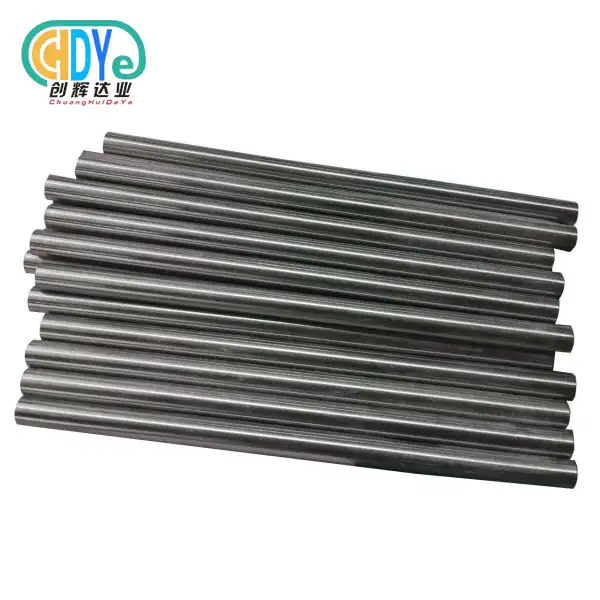
When you make medical devices, you need materials that are the purest, safest, and most effective. When it comes to these materials, the polished tantalum rod stands out as an important part of implants, surgery tools, and other biological gear. The need for cleaning goes beyond looks; it's a basic requirement that makes sure medical equipment is biocompatible, stops infection, and extends its useful life. High-purity tantalum rods can be turned into tools that can support human life safely and effectively with this special surface treatment.
Introduction
A medical device's surface can make or break it. When tantalum rods are put into the body as bone pins, skull plates, or circulatory stents, the way their surfaces are made has a direct effect on how well the patient does. Polishing makes the surface look like a mirror, and it gets rid of tiny flaws that could let bugs grow or cause stress to build up and cause the device to break.
Medical-grade tantalum parts have to meet strict biocompatibility standards set by the FDA and ISO 10993. Polishing a surface precisely gets rid of rust layers, micro-cracks, and contamination zones that could cause adverse reactions in the tissue. For B2B procurement workers who are buying materials for medical manufacturing, knowing why cleaning is so important helps improve product performance and make sure they are following all the rules. This piece discusses the useful benefits of polished tantalum rods and explains how surface treatment improves mechanical qualities that are important for patient safety.
Understanding Tantalum Rods and Their Medical Applications
Chemical Composition and Physical Properties
Tantalum rods made for medical purposes usually have more than 99.95% pure tantalum and very little oxygen, nitrogen, or carbon. This high level of purity, along with its mass of 16.65 g/cm³, makes it structurally stable without adding any harmful elements to the body. The tensile strength of the material is between 200 and 300 MPa, which means it can handle load-bearing devices.
In the medical area, tantalum stands out because it is very resistant to rust and is biocompatible. Tantalum, unlike stainless steel or cobalt-chromium metals, makes a solid oxide layer that doesn't break down when it comes in contact with chlorides, proteins, and enzymes in body fluids. This oxide layer is chemically neutral, which means that the tissues around the implant can become part of it without causing inflammation or rejection.
Medical Device Applications
Tantalum parts are used by doctors in many different areas of medicine. Tantalum rods are used by orthopedic doctors to make bone screws and fixing plates that help broken bones heal. Brain doctors use tantalum to make plates that help rebuild the skull. These plates have to stay stable for decades. Vascular doctors use tantalum in radiopaque markers inside tubes so they can see what's going on in real time during catheterization procedures.
The substance is also used in tooth implants, where its osseointegration properties—its ability to join directly with bone tissue—make it better than titanium in some clinical situations. Each application needs areas that are free of flaws to stop the growth of bacterial biofilm and protect the long-term health of the device.
Surface Quality and Patient Outcomes
Roughness on the surface affects both how living things react and how well machines work. Rough, untreated surfaces have more surface area, which could speed up rusting in physiological settings that are already active. These flaws can house bacteria colonies that are resistant to antibiotics. This can cause implant-associated illnesses that need the device to be taken out.
Smooth, polished sides reduce friction during entry, which means less damage to tissue during surgery. Precision sanding gives the surface a mirror-like finish that makes an inactive layer that keeps the same electrical qualities all over the surface. This level of consistency can be measured and is necessary because regulatory bodies need implanted devices to have surface roughness values below 0.8 micrometers (Ra), which can only be done with controlled cleaning processes.
Why Polishing Tantalum Rods Is Essential for Medical Use?
Enhanced Corrosion Resistance
Corrosive substances can do a lot of damage to the human body. Body fluids have chloride ions, proteins, and liquid oxygen that are always interacting with things that have been inserted. Tantalum surfaces that haven't been cleaned have tiny scratches and tool lines from the cutting process. These rough spots on the surface make places where the inactive oxide layer might be smaller or broken up, which creates starting points for pitting rust.
Polishing gets rid of linear scratches and makes a finish that doesn't go in any direction, which helps an even oxide layer form. This consistency greatly stretches the time before any rust starts, which is very important for devices that need to work for at least 20 years. Studies on implants that have been taken out of the body show that surfaces that are polished last a lot longer than surfaces that are made or ground.
Improved Mechanical Properties
When there is repetitive pressure, surface flaws act as stress concentrators. During their useful life, medical devices are loaded and unloaded millions of times. For example, hip implants are loaded and unloaded about a million times a year when people walk normally. Under this constant stress, tiny surface cracks spread, which leads to catastrophic wear failure in the end.
By getting rid of the tiny holes left by cutting tools, polishing gets rid of surface stress concentrators. When compared to rods that were just polished, this change to the surface improves wear strength by 15 to 25 percent. The improvement is especially noticeable in small-diameter rods used in minimally invasive treatments, where mechanical performance is already limited by their size.
Biocompatibility and Safety Advantages
How tissues react to inserted materials depends a lot on how the surfaces are made. As the body tries to separate what it thinks is foreign material, rough surfaces cause more fibrous capsules to form. Too much fatty tissue can get in the way of how a gadget is supposed to work and cause long-term pain.
Tantalum areas that have been polished help tissues integrate more smoothly. During osseointegration, the smooth finish lets osteoblasts (cells that make bone) spread out evenly across the surface. This managed cellular reaction makes the bone-implant contact stronger and speeds up the mending process. Also, surfaces that are smooth are better at keeping bacteria away than surfaces that are rough, which lowers the risk of infection during the sensitive time after surgery.
Risks of Inadequate Surface Treatment
If the rods aren't cleaned well or at all, they may still have polishing compound leftovers, cutting fluid contaminants, or abrasive material bits stuck in them. These contaminants can get into the tissue around them and cause allergic responses or long-lasting inflammation. Aluminum, silicon, and iron have been found on the surfaces of rods that were not cleaned properly. These are not biocompatible materials and should not be used in biomedical procedures.
Another big issue is following the rules set by regulators. ISO 10993 standards say that companies that make medical devices must show that their products are biocompatible by testing them thoroughly. Devices with uneven surface finishes often fail cytotoxicity tests, sensitization tests, or implantation studies, which delays product starts and raises development costs by a large amount.
The Polishing Process for Tantalum Rods: Techniques and Best Practices
Mechanical Grinding and Precision Machining
The process of finishing starts right away after the first steps of cutting. Centerless grinding is used on tantalum rods to get them to exact measurements and get rid of the highly distorted surface layer that forms during casting and drawing. This step gets everything ready for the next finishing steps by setting a uniform starting point.
For mechanical cleaning, progressively smaller abrasive materials are used, usually starting with 120-grit aluminum oxide and moving on to 400-, 800-, and 1200-grit steps. Each stage takes away scratches from the last one and adds new, smaller, thinner scratches in their place. Overheating, which could change the architecture of tantalum or add leftover loads, can't happen because the pressure and speed of spinning are controlled.
Chemical and Electrochemical Polishing
Chemical cleaning uses acidic solutions to break down surface peaks more efficiently, removing material in a controlled way to make the surface level. The process is great at getting to complicated shapes that mechanical methods can't get to well. Chemical cleaning of tantalum usually uses mixes of hydrofluoric acid and nitric acid that are carefully controlled for temperature and soaking time.
For medical-grade rods, electropolishing is the best way to finish them. Anodic dissolving in an electrolyte bath is how this electrochemical process gets rid of stuff. To get mirror finishes with surface roughness below 0.4 micrometers Ra, you have to carefully control the current density, voltage, temperature, and electrolyte makeup. Electropolishing cleans and shines at the same time, getting rid of buried dirt and making the surface as smooth as possible.
Quality Control and Inspection Protocols
Before it can be used in medicine, each cleaned stick goes through a strict checking process. Using contact profilometers or optical interferometry to measure the roughness of the surface shows that Ra values meet the requirements. Any lingering scratches, pits, or staining can be seen by looking at the item under a microscope. Dimensional verification checks to make sure that finishing hasn't messed up important limits.
The last important step is cleaning confirmation. First, ultrasonic cleaning in deionized water gets rid of any leftover polishing chemicals. Then, acid washing gets rid of any metal contamination. The stick is ready to be packed in sterile material after being cleaned on the surface using a water break test or contact angle measurement. Each finished stick can be traced back to its production batch using documentation. This gives the full supply chain openness needed for making medical devices.
How to Choose the Best Polishing Rod for Tantalum in Medical Manufacturing?
Evaluating Material Specifications
When looking for polished tantalum rod to make medical devices, the quality level is the most important thing to look at. Biocompatibility and tensile qualities are always the same in materials that contain at least 99.95% tantalum. The amount of oxygen in the material should stay below 200 parts per million (ppm), because too much oxygen makes it weak and makes it hard to shape in some ways.
Flexibility in the diameter range is very important. Prototypes of medical devices may need rods with a diameter of 2 mm, while production implants need stock with a diameter of 15 mm. Suppliers that offer diameters from 1 to 50 mm and custom length cuts give manufacturers the freedom they need to plan their production efficiently. Our factory in Chuanghui Daye makes tantalum rods in all of these different sizes, and we can also cut them to any length you need.
Supplier Certifications and Compliance
If a company has ISO 9001:2015 approval, it means they have well-documented quality management systems that include internal tracking and methods for ongoing growth. At the very least, this approval sets the standard. Manufacturers of medical devices should choose providers who know the FDA's rules about tracking materials and can give them Certificates of Compliance that show the materials' makeup, mechanical qualities, and surface finish standards.
Reliable providers keep production areas clean in a controlled setting or cleanroom so that contamination doesn't happen during the final steps of processing. They should provide test results on the material from approved labs that show its tensile strength, chemical makeup (using spectroscopy), and surface analysis. Our ISO 9001:2015-certified plant in Baoji's Titanium Capital area is home to Chuanghui Daye. It has 30 years of experience working with rare metals and high-tech melting and processing tools, such as electron beam ovens and precision machining centers.
Customization Capabilities and Lead Times
When making medical devices, it's common to need to do fast testing with small batches of parts before moving on to larger production numbers. Suppliers who can handle orders from 10 pieces for research and development to 10,000 pieces for mass production give partners a lot of freedom. Suppliers who can do advanced electropolishing are needed for custom surface finish requirements, like getting Ra values below 0.3 micrometers for specific uses.
The dependability of lead times has a direct effect on your output schedule. If suppliers keep enough raw materials on hand, they can fill urgent orders in days instead of weeks. Knowing a supplier's contact and power limits can help you avoid costly production delays. At Chuanghui Daye, our team puts an emphasis on quick communication and keeping enough supplies to meet both pilot and volume production timelines.
Trusted Suppliers and Brands of Tantalum Polishing Rods for Medical Use
Identifying Quality Manufacturers
Several well-known makers are part of the medical tantalum supply chain. These manufacturers are known for consistently high quality and following all regulations. Most of the time, these companies work in places that have a long history of working rare metals, so they can make sure that the process is run smoothly. Concentrating in places like Baoji, China, which is the world's hub for processing titanium and rare metals, gives companies access to specialized tools, a skilled workforce, and supply lines that work together.
Manufacturers of high-quality goods set themselves apart by providing clear paperwork, being open to customer checks, and spending money on advanced tools for evaluation. They know that buyers of medical devices need more than just materials. They also need partners who understand legal standards and can help with test efforts while the device is being made.
Service Excellence and Technical Support
When choosing materials, superior providers offer technical advice that helps customers balance performance needs with cost concerns. Technical teams should help improve the surface finish, suggest the best heat treatment methods for different uses, and fix any processing problems that come up while the device is being made.
Streamlining the ways people ask questions and place orders cuts down on buying confusion. Online design tools, quick price return, and clear pricing all help businesses work together more effectively. At Chuanghui Daye, our experienced team helps you with technical questions all the way through the buying process, from choosing the materials to delivery and beyond. We know how hard it is for companies that make medical devices, so we make our help fit their needs.
Building Long-Term Partnerships
Reliable material supply is the key to making medical devices that work well. By working with providers whose quality stays the same across multiple orders, you can get rid of variations that could affect how well a device works or how well it meets legal requirements. Long-term partners put in the time and effort to understand your unique needs, plan ahead for your needs when the product grows, and give your orders top priority when the market is busy.
Supplier promises are made official with warranty support and written quality agreements. These contracts should spell out the acceptable ranges of error, the required level of finish, the paperwork that needs to be turned in, and the steps that need to be taken to fix problems when the requirements aren't met. As proof of their loyalty to quality, suppliers who are sure of their processes accept these kinds of deals.
Conclusion
Using a polished tantalum rod for medical purposes is more than just a finishing touch; it's a basic condition that lets these amazing materials work safely inside the body. Precision polishing creates a surface that is like a mirror, which removes the risk of contamination, increases resistance to rust, boosts performance under dynamic stress, and supports good tissue integration. Manufacturers of medical devices must put surface quality first throughout their supply chain and choose providers who know how to meet the strict needs of biomedical uses. As regulations change and people's concerns about patient safety grow, the level of cleaning on tantalum rods will stay a key factor in separating medical devices that do well from those that don't. Investing in approved, properly polished materials from reliable makers protects both the health of your patients and the image of your company in this highly controlled field.
FAQ
Q: What surface roughness specification is required for medical-grade polished tantalum rods?
A: Surface roughness (Ra) values below 0.8 micrometers are common for medical implants, and many makers aim for 0.4 micrometers or less for the best biocompatibility. This standard makes sure that there is a low risk of bacteria sticking to the surface and encourages controlled tissue integration.
Q: Can polished tantalum rods be sterilized without damaging the surface finish?
A: Yes, polished tantalum can handle common ways of cleaning like autoclaving, gamma irradiation, and ethylene oxide treatment without losing its surface. During these processes, the stable oxide layer stays in place, which keeps the biocompatibility and rust protection.
Q: How does polishing affect the dimensional tolerances of tantalum rods?
A: When grinding is done correctly, it takes off 0.05 to 0.2 mm of material from the diameter, based on how intense the process is. To make sure that finished rods meet your standards after surface treatment, manufacturers should list the measurements of the rods before they are polished.
Q: What certifications should I request from tantalum rod suppliers for medical device manufacturing?
A: Ask for at least ISO 9001:2015 certification and test results on the materials that show their chemistry makeup, mechanical qualities, and surface finish measures. Suppliers should provide certificates of compliance and maintain records to track each production lot.
Source Premium Polishing Tantalum Rods from an Established Manufacturer
When making medical devices, the materials used have to meet very strict standards. The Shaanxi Chuanghui Daye Metal Material Co., Ltd. is an expert in offering high-purity polished tantalum rods that are designed to be used in medicinal settings. Our rods are made of more than 99.95% pure tantalum, have mirror-polished surfaces with Ra values below 0.4 micrometers, and can be made in any diameter from 1 to 50 mm. We are in China's Titanium Capital and have been handling rare metals for over 30 years. We are ISO 9001:2015 certified and use cutting edge electron beam melting and precision machining tools. Our expert team is here to help you with the whole buying process, from the first meeting to talk about specifications to delivery and beyond. We have affordable factory-direct prices, flexible order amounts that can be used for both R&D development and mass production, and quick turnaround times that are backed up by a large inventory. Please email our team at info@chdymetal.com to talk about your unique needs with a polishing tantalum rod source who has a lot of experience and knows how important it is to make medical devices.
References
1. Breme, J., Zhou, Y., and Groh, L. "Tantalum and Tantalum Compounds for Medical Applications. "In: Handbook of Biomaterial Properties, 2nd Edition. Springer Publishing, 2016.
2. American Society for Testing and Materials. "ASTM F560-17: Standard Specification for Unalloyed Tantalum for Surgical Implant Applications." ASTM International, 2017.
3. Levine, B.R., Sporer, S., Poggie, R.A., and Della Valle, C.J. "Experimental and Clinical Performance of Porous Tantalum in Orthopedic Surgery." Biomaterials, Volume 27, Issue 27, 2006.
4. International Organization for Standardization. "ISO 10993-1:2018 Biological Evaluation of Medical Devices - Part 1: Evaluation and Testing within a Risk Management Process." ISO Standards Catalogue, 2018.
5. Matsuno, H., Yokoyama, A., Watari, F., Uo, M., and Kawasaki, T. "Biocompatibility and Osteogenesis of Refractory Metal Implants: Titanium, Hafnium, Niobium, Tantalum, and Rhenium. "Biomaterials," Volume 22, Issue 11, 2001.
6. Zhang, L.C. and Chen, L.Y. "A Review on Biomedical Titanium Alloys: Recent Progress and Prospect." Advanced Engineering Materials, Volume 21, Issue 4, 2019.

Learn about our latest products and discounts through SMS or email