- English
- French
- German
- Portuguese
- Spanish
- Russian
- Japanese
- Korean
- Arabic
- Greek
- German
- Turkish
- Italian
- Danish
- Romanian
- Indonesian
- Czech
- Afrikaans
- Swedish
- Polish
- Basque
- Catalan
- Esperanto
- Hindi
- Lao
- Albanian
- Amharic
- Armenian
- Azerbaijani
- Belarusian
- Bengali
- Bosnian
- Bulgarian
- Cebuano
- Chichewa
- Corsican
- Croatian
- Dutch
- Estonian
- Filipino
- Finnish
- Frisian
- Galician
- Georgian
- Gujarati
- Haitian
- Hausa
- Hawaiian
- Hebrew
- Hmong
- Hungarian
- Icelandic
- Igbo
- Javanese
- Kannada
- Kazakh
- Khmer
- Kurdish
- Kyrgyz
- Latin
- Latvian
- Lithuanian
- Luxembou..
- Macedonian
- Malagasy
- Malay
- Malayalam
- Maltese
- Maori
- Marathi
- Mongolian
- Burmese
- Nepali
- Norwegian
- Pashto
- Persian
- Punjabi
- Serbian
- Sesotho
- Sinhala
- Slovak
- Slovenian
- Somali
- Samoan
- Scots Gaelic
- Shona
- Sindhi
- Sundanese
- Swahili
- Tajik
- Tamil
- Telugu
- Thai
- Ukrainian
- Urdu
- Uzbek
- Vietnamese
- Welsh
- Xhosa
- Yiddish
- Yoruba
- Zulu
Is niobium round bar the Best Choice for Advanced Engineering?
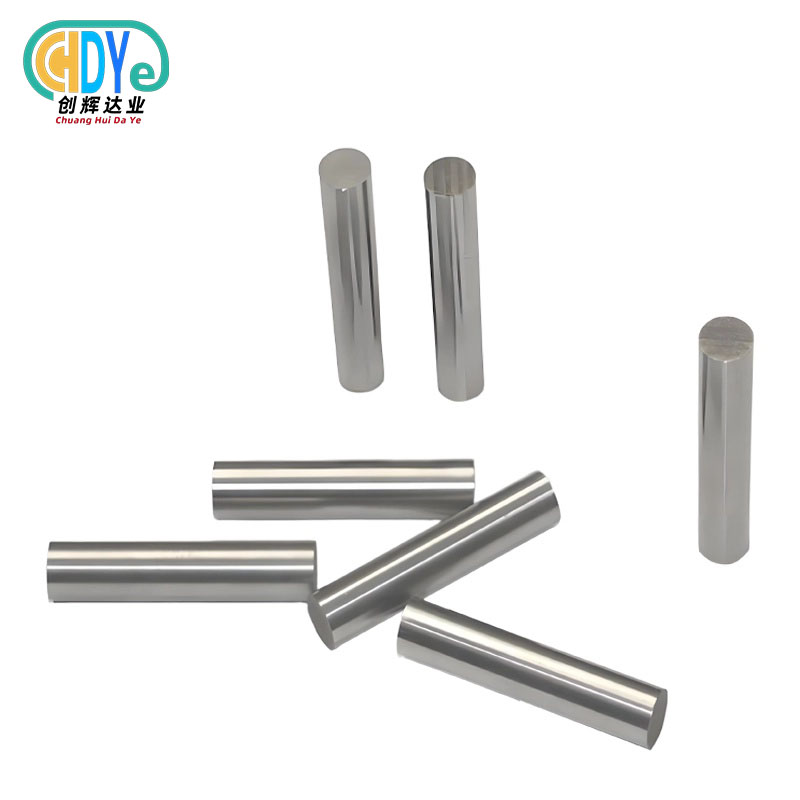
When facing material selection decisions in advanced engineering projects, performance, reliability, and long-term cost efficiency become critical factors. Niobium round bar stands out as a compelling option for industries demanding exceptional corrosion resistance, high-temperature stability, and biocompatibility. Manufactured to ASTM B 392-95 standards in grades RO4200 and RO4210 with 99.95% purity, this rare metal offers engineers a balanced solution that addresses structural integrity while maintaining workability. Understanding its properties, comparative advantages, and application-specific benefits helps procurement specialists determine whether it truly represents the optimal choice for their demanding applications.
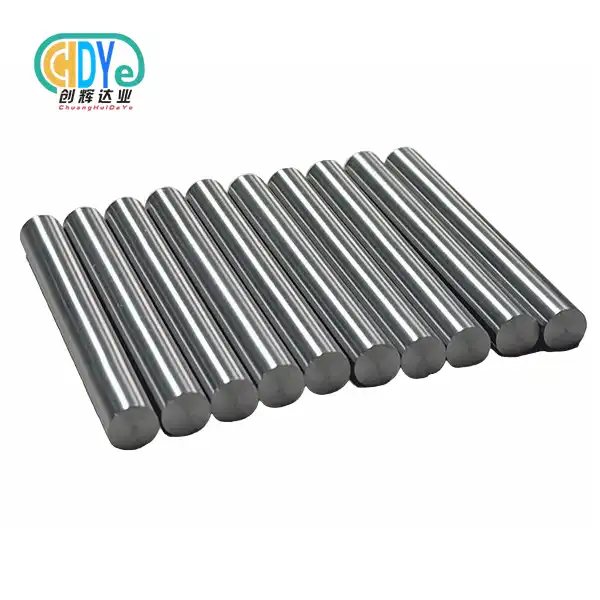
Understanding Niobium Round Bar: Properties and Advantages
A unique mix of physical and chemical properties makes the niobium round bar stand out. These properties help solve problems in advanced manufacturing settings. This silver-gray metal has a density of 8.57g/cm³, which means it is strong without being too heavy, which is important for aircraft and medical device designs.
Exceptional Thermal Performance
Niobium is one of the best high-temperature elements because it melts at 2477°C. This thermal stability is very useful in chemical processing equipment and systems that move things around in space, where temperatures often go above what normal metals can handle. The boiling point of 4744°C adds an extra safety cushion that isn't needed very often but is nice to have in extreme situations. These natural qualities are improved even more by heat treatment methods, which make the dimensions more stable across temperature changes while keeping the same mechanical behaviour.
Superior Corrosion Resistance
Chemical processing environments need materials that can stand up to harsh chemicals without breaking down. Niobium round bar products are very good at this because they keep their shape even when they are exposed to acids, alkalis, and oxidising conditions that quickly break down stainless steel alternatives. This resistance to rust makes products last longer and need to be replaced less often, which immediately lowers the total cost of ownership. The oxide layer that forms naturally on niobium surfaces protects them without the need for extra treatments or coats.
Manufacturing and Machining Advantages
Precision casting and machining are used by Shaanxi Chuanghui Daye Metal Material Co., Ltd. to make sure that all of their production runs have the same diameter specs and smooth surface finishes. Our ISO 9001:2015-certified production process starts with choosing high-purity niobium ingots. Next, the ingots are vacuum-melted, which gets rid of any impurities and makes sure the material is uniform. Hot forging and rolling are used to shape these ingots into rough bar shapes before they are machined to exact specifications. By making the material more flexible, annealing makes it possible to shape it without breaking. Each piece is finished with a smooth finish and a thorough inspection, which guarantees a defect-free delivery.
Having these production capabilities helps with a common problem in purchasing: getting materials that meet strict requirements without having to wait a long time. Our building in Baoji's "Titanium Capital" area gives us access to established supply chains and the technical know-how we've gained working in the rare metals industry for 30 years.
Comparing Niobium Round Bar with Alternative Materials
To choose the right material, you have to compare a number of options based on the needs of the purpose and your budget. In many ways, niobium round bars are just as good as titanium, tantalum, molybdenum, stainless steel, and other speciality alloys.
Strength-to-Weight Ratio Analysis
Titanium alloys have been used in aerospace for a long time because they are strong for their weight. In some temperature ranges and chemical conditions, niobium performs better than other metals with similar ratios. Stress corrosion cracking happens to titanium in some chloride-containing solutions, but niobium stays stable. With this property, it is especially useful in chemical processing where both strength and resistance to corrosion are important.
While stainless steel options are cheaper, they don't have as many of the qualities that niobium does. Even though stainless steel works well in many situations, it corrodes in ways that niobium doesn't, which limits its use in harsh chemical settings.
Performance Versus Tantalum and Molybdenum
Tantalum and niobium have a lot in common, like being able to fight rust and being compatible with living things. In natural sources, the two metals often show up together, and they are used in high-performance applications for similar reasons. Tantalum is indeed slightly more resistant to weathering in some acidic conditions, but the material is much more expensive to make. Since niobium is more affordable and works just as well in most situations, it is the better choice when it comes to cost when both materials meet the technical standards.
Molybdenum is great for high-temperature structural uses, but it doesn't have the corrosion protection that makes niobium valuable. In corrosive settings, molybdenum parts need protected coatings, which makes them more complicated and increases the amount of upkeep that needs to be done. These worries are put to rest by niobium's natural resistance to corrosion.
Round Bar Versus Wire Forms
Niobium comes in a number of different forms, each of which is best for a certain use. Wire products are used to make electronics and small parts that need to be flexible and have small diameters. Round bar stock is used in structural applications that need bigger cross-sections and more strength to hold weight. The solid bar design gives machined parts, structural members, and precise parts better mechanical stability. With this form factor, makers can use standard machining techniques to make complicated shapes, which gives designers more options than wire does.
Application-Specific Advantages of Niobium Round Bar
Niobium round bar's wide range of properties is most useful for tech teams that need to solve efficiency problems in the real world.
Aerospace and Defense Components
Manufacturers of aerospace products are always balancing the need for strength with the need to keep weight down. Every kilogram that is taken away from an airplane's frame saves thousands of flight hours' worth of fuel. Niobium round bar makes it possible to make structural parts that are light but strong enough to handle the thermal and mechanical stresses of flight. Niobium's unique ability to carry electricity without resistance at cryogenic temperatures is used in advanced propulsion studies for superconducting magnets. These magnets make strong magnetic fields that are needed for experimental engine designs that want to push the limits of performance.
Medical Device Manufacturing
Biocompatibility is an absolute must for medical gadgets that are implanted. Materials that come into contact with body fluids and tissues must not cause bad immune reactions or break down after years of exposure. Niobium meets these high standards, which means it can be used for surgical implants, orthopaedic gear, and specialised equipment. The ability to fight corrosion that is useful in chemical handling is also useful in medical devices that come into contact with body fluids. Surgeons and engineers who work on medical devices need materials that stay strong over the life of a product, so there are no risks of failure before its time.
Chemical Processing Equipment
Chemical plants use corrosive substances that break down normal materials in their reactors, heat exchangers, and piping systems. Downtime for replacing equipment messes up production plans and costs a lot of money. Making process equipment parts out of niobium round bar stock increases dependability and extends the time between repairs. Because the material is stable across a wide range of temperatures, it can be used in processes that heat and cool repeatedly without worrying about thermal stress.
Electronics and Semiconductor Manufacturing
High-purity niobium is used in circuits that need consistent electrical qualities and operation without any contamination. Niobium is good for vacuum system parts, electrode assemblies, and connectors because it is both conductive and chemically inert. Niobium easily meets the requirements for materials used in semiconductor manufacturing that won't introduce impurities that would affect the performance of the device.
Procurement Guide for Niobium Round Bars
Getting the right niobium round bar stock requires more than just knowing the basic material requirements. Procurement teams can make better decisions when they understand how the supply chain works, what affects prices, and how to check the quality of goods.
Supplier Selection Criteria
Working with reputable suppliers guarantees the quality of the materials and the reliability of the delivery. About 85% of the world's niobium is produced by companies like Companhia Brasileira de Metalurgia e Mineração (CBMM) in Brazil. They set standards for purity and consistency in the industry. Extra capacity comes from secondary sources, such as Canadian producers. When looking at possible providers, ISO 9001:2015 approval shows that quality management systems have been in place for a while.
In addition to these certifications, Chuanghui Daye offers responsiveness and customisation that big manufacturers don't always match. Our location in China's titanium manufacturing hub gives us logistical advantages for markets in Asia and the Pacific, and we can still export to serve customers in North America and Europe.
Understanding Pricing Dynamics
Niobium prices depend on several things, such as the level of purity, the number of orders, market demand, and the logistics of the supply chain. Because most of the production is in Brazil, prices are more stable than for metals that have a lot of different supply sources. The end price is affected by the cost of raw materials, the amount of energy used during preparation, and the cost of labour. Instead of just looking at prices per kilogram, people who work in procurement should ask for clear cost breakdowns and compare total delivered costs.
Production factors have a big effect on the cost of making things. Energy costs make up about 45% of processing costs, so changes in the price of energy have a direct effect on the end product's cost. Figuring out these basic causes helps explain why prices change over time and between sellers.
Custom Specifications and Lead Times
Many uses are good for standard diameter sizes and widths, but in advanced engineering, it's usual to have special needs. Chuanghui Daye can meet calls for special sizes without requiring large minimum orders, which would make making prototypes too expensive. Because we can machine, we can cut materials to length, turn their diameters to exact specifications, and clean their surfaces to meet the needs of the application. By getting rid of unnecessary processing steps, this flexibility speeds up project timelines.
Lead times depend on whether the material is in stock or needs to be made in large quantities. Standard sizes usually ship within days, but custom specs may take several weeks, based on how complicated they are and how busy the factory is right now. When you tell suppliers what you need early on in the planning stages of a project, they can easily fit your orders into their schedules.
Why Niobium Round Bar is the Rational Choice for Advanced Engineering
The choices of materials are based on both technical ability and cost factors. Niobium round bar goods have strong benefits that make them suitable for use in many different types of industries.
Technical Performance Justification
When you put together biocompatibility, high-temperature stability, and corrosion resistance, you get a performance range that not many other materials can match. Niobium is often the only material that can be used in situations where two or more of these qualities are needed at the same time. There is no good replacement for chemical handling equipment that works at high temperatures in harsh conditions. Niobium's properties are also important for medical implants that need to be biocompatible and strong.
Performance is best when specific grades are matched to the needs of the product. The standards for Grade RO4200 and RO4210 cover a range of purity and mechanical property needs. This lets engineers choose the right versions without having to pay extra for extra performance margins.
Economic Advantages and Lifecycle Costs
The initial cost of materials is only one part of the total costs of ownership. Lifecycle economics is affected by how long an item lasts, how often it needs to be maintained, and how often it needs to be replaced. Niobium doesn't rust and lasts longer than materials that break down faster in service, so it doesn't need to be replaced as often. This dependability means cheaper long-term costs, even though the initial cost of materials is higher.
When it comes to production speed, materials that machine regularly and consistently are also a plus. Niobium is easy to shape, which makes it useful for machining with long tool lives and low scrap rates. These features of the production process lower the prices of parts beyond the costs of raw materials.
Risk Mitigation Benefits
Failure of a material in critical applications has effects that are much worse than the cost of a replacement part. Failures of aerospace parts put people's safety at risk. Patients are hurt when medical devices don't work right. When chemical manufacturing equipment breaks down, dangerous substances are released. These risks can be reduced by choosing materials that have been used in harsh conditions before. Niobium has been used for decades in chemical, medical, and aerospace applications, so you can be sure that parts that are properly designed will work as expected for their whole service lives.
Conclusion
For advanced industrial uses needing high-temperature stability, excellent corrosion resistance, and biocompatibility, niobium round bar is a technically sound and economically justifiable choice. Its property portfolio solves problems that other materials have, mainly in the chemical processing, medical devices, and aerospace industries. Even though niobium costs more up front than popular metals like stainless steel, it is more cost-effective over its lifetime because it lasts longer and is more reliable. To be successful in procurement, you need to work with certified suppliers who can guarantee quality, make changes, and deliver quickly. The material has been used in demanding situations before, which gives engineering teams the confidence they need to choose parts for important functions.
FAQ
Q: What industries commonly use niobium round bar?
A: Niobium is used by aerospace makers for high-temperature structural parts and superconducting magnet systems. Companies that make medical devices use it to make implants and surgery tools that are safe. Chemical processing plants use niobium equipment to make it resistant to rust in harsh conditions. High-purity niobium round bar is used by companies that make electronics and semiconductors for specific tasks that need stable electrical qualities and clean operation.
Q: How does niobium pricing compare to alternative materials?
A: For the same level of corrosion resistance, niobium costs more than stainless steel but typically less than tantalum. Prices are based on the fact that there aren't many sources of supply around the world; Brazil produces about 85% of the world's output. Even though niobium costs more than other metals at first, it usually ends up being cheaper in the long run because it lasts longer and needs less maintenance. Total ownership costs rely on things that are specific to the application, like how harsh the working environment is and how hard it is to replace.
Q: Can niobium be machined using conventional equipment?
A: Because niobium is flexible, it can be machined with normal tools and the right cutting settings. The material can be machined in a way similar to austenitic stainless steels, but the cutting speeds and tool choices need to be changed. With the right method, you can get great surface finishes without wearing out your tools too quickly. Because annealed material is easier to work with than work-hardened stock, the time of the heat treatment is important in the production process.
Partner With Chuanghui Daye for Your Niobium Round Bar Supply Needs
Shaanxi Chuanghui Daye sends niobium round bars straight from the factory that are made to ASTM B 392-95 standards and are guaranteed to be 99.95% pure. We have been working with rare metals for 30 years and have quality control systems that are ISO 9001:2015 certified. We are located in China's titanium production hub. Our high-tech facilities, which include electron beam furnaces and precision machining tools, let us make custom sizes without having to meet unreasonable minimum orders. We can meet the unique needs of your application, whether you need a small amount for a sample or a large amount for production. Get in touch with our technical team at info@chdymetal.com to talk about your project needs with a niobium round bar supplier with a track record of quick responses and low prices.
References
1. Davis, J.R. (2000). Nickel, Cobalt, and Their Alloys. ASM International Handbook Committee.
2. Gupta, C.K. and Suri, A.K. (1994). Extractive Metallurgy of Niobium. CRC Press.
3. ASTM International. (2020). ASTM B392-95: Standard Specification for Niobium and Niobium Alloy Ingots. ASTM International Standards.
4. Schultz, H. and Wurster, R. (2011). "Applications of Niobium in Aerospace Engineering." Journal of Materials Engineering and Performance, 20(4), 512-519.
5. International Atomic Energy Agency. (2007). Niobium: Physico-Chemical Properties of Its Compounds and Alloys. IAEA Nuclear Data Section.
6. Agulyansky, A. (2004). The Chemistry of Tantalum and Niobium Fluoride Compounds. Elsevier Science Publishers.
Learn about our latest products and discounts through SMS or email