- English
- French
- German
- Portuguese
- Spanish
- Russian
- Japanese
- Korean
- Arabic
- Greek
- German
- Turkish
- Italian
- Danish
- Romanian
- Indonesian
- Czech
- Afrikaans
- Swedish
- Polish
- Basque
- Catalan
- Esperanto
- Hindi
- Lao
- Albanian
- Amharic
- Armenian
- Azerbaijani
- Belarusian
- Bengali
- Bosnian
- Bulgarian
- Cebuano
- Chichewa
- Corsican
- Croatian
- Dutch
- Estonian
- Filipino
- Finnish
- Frisian
- Galician
- Georgian
- Gujarati
- Haitian
- Hausa
- Hawaiian
- Hebrew
- Hmong
- Hungarian
- Icelandic
- Igbo
- Javanese
- Kannada
- Kazakh
- Khmer
- Kurdish
- Kyrgyz
- Latin
- Latvian
- Lithuanian
- Luxembou..
- Macedonian
- Malagasy
- Malay
- Malayalam
- Maltese
- Maori
- Marathi
- Mongolian
- Burmese
- Nepali
- Norwegian
- Pashto
- Persian
- Punjabi
- Serbian
- Sesotho
- Sinhala
- Slovak
- Slovenian
- Somali
- Samoan
- Scots Gaelic
- Shona
- Sindhi
- Sundanese
- Swahili
- Tajik
- Tamil
- Telugu
- Thai
- Ukrainian
- Urdu
- Uzbek
- Vietnamese
- Welsh
- Xhosa
- Yiddish
- Yoruba
- Zulu
Pure titanium sheet Procurement Guide for Global B2B Buyers
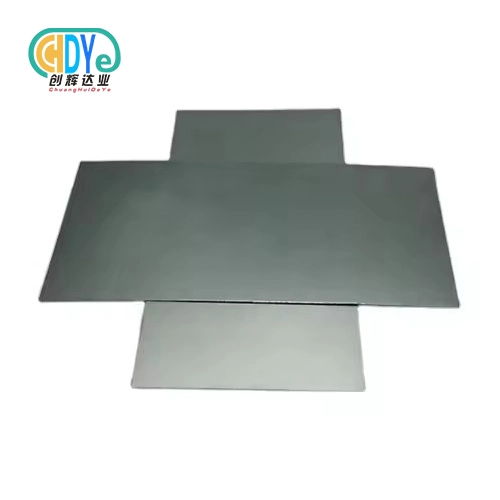
Sourcing the right materials can define the success of your next manufacturing project. Pure titanium sheet stands out as a preferred choice across aerospace, medical, chemical processing, and marine industries due to its unmatched combination of strength-to-weight ratio, corrosion resistance, and biocompatibility. To be successful in the world of global procurement, you need to know more than just how things work. You also need to know how to check sources, set standards for quality, and make smart choices about what to buy. This guide walks you through every step you need to take to get trustworthy titanium materials that work well for your business and don't break the bank. It also tells you how to avoid making common mistakes that can slow down work or make the result less good.
Understanding Pure Titanium Sheets: Properties and Applications
What Defines Commercially Pure Titanium?
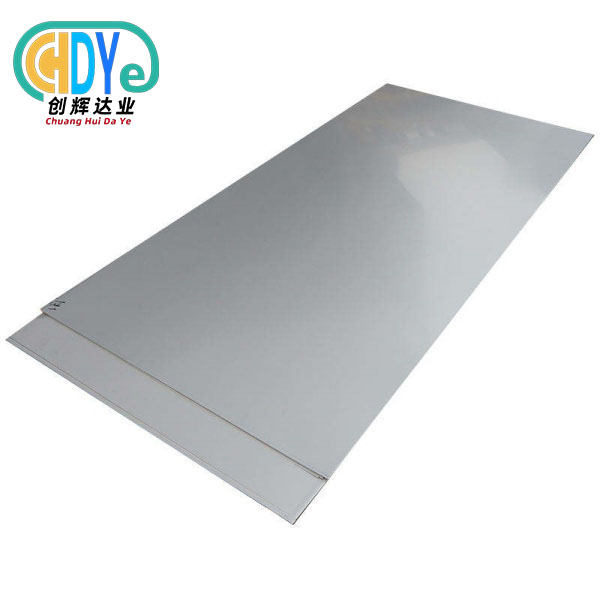
Flat-rolled products that are more than 99% titanium and have small amounts of oxygen, iron, nitrogen, and carbon mixed in are called commercially pure titanium. These kinds of things show how strong something is and how easy it is to shape. Titanium alloys like Ti-6Al-4V are not the same as pure titanium that you can buy in stores. Pure titanium is made to be strong against weathering and easy to shape. These things are put into Grades 1 through 4 based on ASTM B265. Because each Grade is made of different materials, it can be used for different tasks.
Key Physical and Chemical Attributes
Pure titanium sheets weigh 4.51 g/cm³, which is about 60% of what steel weighs. In spite of being strong, this makes them very light. The material is Grade 2 and has a modulus of elasticity of about 105 GPa. It burns at 1668°C. Titanium is unique because it has a passive film of self-healing titanium dioxide (TiO2) that forms right away when oxygen hits it. Media that oxidise, alkaline solutions, chlorides, and organic substances can't get through this layer of defence very well. It stops rust in hard places where copper and stainless steel break down too quickly.
Grade Selection and Mechanical Performance
Which grade to use relies on the mechanical and environmental needs of your product. Grade 1 is the most flexible, stretching more than 24% and having a tensile strength of about 240 MPa. This makes it perfect for deep drawing operations. Grade 2 is the workhorse of the business because it has a tensile strength of 345 MPa and can be cold shaped very well. Grade 4 has more oxygen in it, which gives it a tensile strength close to 550 MPa, which is about the same as mild steel, and better rust resistance. Being aware of these differences makes it easier to match material requirements to operating needs.
Industrial Applications Across Sectors
Titanium sheets solve problems in the business that can't be fixed with other materials. Plate heat exchangers made from Grade 1 or 2 sheets don't rust when they are exposed to high-temperature brine up to 130°C. They are used for desalination and power generation. Titanium is used in the chlor-alkali industry to make anode substrates that don't change shape and electrolysis cell liners that can handle being attacked by wet chlorine gas. Titanium cladding is used in architecture to make coastal structures that don't need any maintenance for decades. Biocompatibility is important to companies that make medical devices like implants and surgical tools. Strength-to-weight ratio is important to companies that make aircraft parts.
Procurement Criteria: How to Choose the Right Material for Your Needs
Matching Grade Selection to Industry Requirements
Baseline material standards are set by your business. For aerospace and defence uses, Grade 2 or higher is usually needed, with consistent mechanical qualities and third-party approval compliance being the most important things. Chemical manufacturing plants that work in highly acidic environments can use Grade 1 because it is easier to shape into complex shapes. Grade 4 is better for situations that need more strength without adding alloys. Manufacturers of marine equipment often choose Grade 2 for situations where the product will be exposed to saltwater and pitting resistance is important.
Understanding ASTM and ISO Certification Significance
The ASTM B265 and ASME SB265 guidelines say what the accepted surface conditions are, as well as the chemical composition limits for each pure titanium sheet. Having ISO 9001:2015 certification means that suppliers manage quality in a planned way throughout the whole production process. When looking at possible suppliers, make sure that the material test reports (MTRs) include chemical analysis using ICP-OES or combustion methods, especially to check the iron and oxygen content. Too much oxygen (above 0.25%) makes things brittle, and too much iron (above 0.30%) makes them more likely to rust. As per ASTM E8, mechanical testing should confirm the values for yield strength, tensile strength, and elongation.
Environmental Factors and Performance Optimization
The operating factors have a direct effect on the choice of material. For better creep resistance, Grade 3 or 4 may be needed for uses above 300°C. When it comes to places with a lot of salt, titanium is better because it doesn't rust or pit as stainless steel does. Titanium has a low modulus, which means that parts need to be carefully calculated in terms of bend angles and radii when they are cold forming. The finish on the surface is also important. Acid-pickled or sanded surfaces get rid of the alpha-case brittle layer, which makes the metal easier to weld and shape.
Balancing Cost Considerations with Technical Requirements
Titanium costs more than stainless steel or aluminium, but over time, it usually ends up being cheaper to own. Less frequent upkeep, longer service life, and not needing protective coatings all balance out the original investment. When getting quotes, you should compare the price per kilogram to how long you think the product will last and how often you plan to replace it. Sometimes, making a volume commitment can get you better prices, but the minimum order quantities vary from supplier to supplier. Custom processing services, like cutting, bending, and finishing the surface, add value when they take away the need for your facility to do extra work.
Navigating the Supply Chain: Finding Reliable Suppliers
Evaluating Supplier Credibility and Manufacturing Capabilities
Suppliers you can trust show that they can produce what you want and have quality control systems that you can check. Check out the websites of suppliers to see what kind of manufacturing equipment they have, such as vacuum melting equipment, electron beam furnaces, CNC rolling machines, and annealing furnaces. These technologies guarantee a stable width, a fine microstructure, and a good surface quality. The Shaanxi Chuanghui Daye Metal Material Co., Ltd. is based in Baoji, China, which is known as the "Titanium Capital." It has high-tech factories that make pure titanium sheets that strictly follow international standards.
Suppliers who have been certified by ISO 9001:2015 follow written procedures for inspecting raw materials, melting and forging, machining, and final inspection. This methodical approach reduces differences between batches and makes sure that everything can be tracked. Get references from current clients in your field to get an idea of how well you deliver on time, how quickly you respond to technical help requests, and how well you can solve problems.
Minimum Order Quantities and Customization Options
MOQ rules are very different between providers. Large makers might have big minimum orders, but specialised providers can do testing and small-batch production with ease. Chuanghui Daye keeps common sizes in stock in Grades 1 through 4, which means that normal specs can be delivered quickly within 1 to 5 days. Custom cutting, bending, and surface finishing services can meet the needs of any project without the need for processing equipment that is kept in-house.
When you talk about customisation, be specific about your thickness limits (usually ±0.1mm), flatness needs, preferred edge finishes, and any unique packing requirements. Suppliers who have cutting machines, sawing machines, and precision machining tools can send you materials that are ready to use, which cuts down on the time it takes to do the next steps in the process.
Global Logistics and Delivery Considerations
When you buy something from another country, things like shipping, clearing customs, and importing paperwork become more complicated. Suppliers with a lot of experience handle the export process, make sure the right certificates are issued for materials, and organise goods transportation. It's important to understand the Incoterms, like FOB, CIF, or DDP, so you know who is responsible for the costs of shipping and where the risks are transferred. Lead times include both the time it takes to make the item and the time it takes to ship it. In general, stock items ship faster than custom orders that need extra processing.
Make sure the packaging meets international shipping standards to keep things from getting damaged in transit. Titanium sheets need to be kept clean and from deforming while they are being handled. Reliable suppliers use packaging that doesn't get wet, wooden crates and pallets that can be shipped by container or air freight, depending on how quickly the goods need to get to the customer.
Making the Purchase: Practical Steps for B2B Buyers
Preparing Comprehensive Purchase Specifications
Clear instructions keep people from misunderstanding each other and make sure you get things that meet all of your exact needs. Include the ASTM grade, a thickness range with acceptable deviations, the width and length, the surface finish you want (pickled, annealed, or polished), and the edge state you want for your pure titanium sheet. Include minimum yield strength, tensile strength, and elongation rates as well as any industry-specific certifications that are needed, like aircraft material standards.
Issuing RFQs and Negotiation Strategies
Requests for Quotations should go out to several qualified suppliers so that prices and skills can be compared. For correct benchmarking, give all suppliers the same set of requirements. Look at the total landed costs as well as the unit prices. These include customs handling fees, packing, shipping, insurance, and any duties or taxes that apply. There's more to negotiation than just price. Talk about the terms of payment and decide if letters of credit, wire transfers, or trade credit work better for your budget. Look into volume discounts for long-term supply agreements. Make sure you understand what the lead time plans are, especially for jobs that need to be done quickly.
Quality Verification and Pre-Shipment Inspection
Quality control starts at the supplier's place of business, before the materials leave. If your quality standards say that you need to be there for mechanical tests or measurement checks, ask for hold points for witness testing. Independent testing of chemical composition, tensile properties, bend tests, and surface examination can be done by third-party inspection agencies to make sure that the goods meet the requirements of the purchase order. It is especially important to test sheet materials for bends. Grade 2 material must be able to handle bend curves of 4T–5T without breaking, showing that it can be shaped well. Ultrasonic testing finds problems inside that can't be seen with the naked eye.
Logistics Management and Post-Purchase Support
Work with your freight forwarder or operations team to keep an eye on the progress of your package and get ready for customs clearance. Make sure that all of the necessary paperwork—the business invoice, packing list, bill of lading, and material certificates—arrives at the right time. Set up clear ways to talk to your supplier so you can get help after the delivery. During manufacturing, questions may come up about how to handle materials, how to weld, or how to shape them. Suppliers with knowledgeable technical teams can give helpful advice that makes the best use of materials and avoids mistakes during processing.
Comparative Overview: Titanium Sheets Versus Alternative Materials
Performance Benchmarking Against Common Metals
Choosing the right materials affects both short-term and long-term costs. Stainless steel is cheaper up front, but it corrodes quickly in chloride conditions and needs to be replaced often in chemical processing or sea settings. Titanium alloys like Ti-6Al-4V are stronger than pure titanium sheets, but they are less resistant to corrosion and are harder to shape when cold. Aluminium is lighter and cheaper than titanium, but it doesn't resist rust or stay stable at high temperatures. Nickel and copper alloys don't react with some corrosive substances, but they are much denser, which makes them heavier.
Total Cost of Ownership Analysis
Lifecycle economics often favour titanium, even though it costs a lot. For example, a heat exchanger used in chemical processes might be 40% cheaper in stainless steel at first, but it needs to be replaced every 5 to 7 years because it rusts. Titanium parts last 25 to 30 years without breaking down, so they don't need to be replaced as often, which saves money on downtime and labour. Maintenance times get a lot longer, which means less downtime and less need for extra parts inventory. In aircraft and marine uses, reducing weight means lowering the cost of the structure and reducing fuel consumption over the life of the equipment.
Selecting Appropriate Grades for Precision Applications
Industries that need a lot of accuracy, like aircraft, need materials that can be fully tracked and have tight property margins. As a starting point for most uses, Grade 2 is good because it can be shaped easily and doesn't rust. Buyers in the aerospace industry should make sure that suppliers give them materials that can be tracked back to specific melts and come with full documentation of all chemical and mechanical tests. For medical devices, biocompatible grades that don't contain allergenic elements are needed. This means that commercially pure titanium is better than alloys that contain aluminium or vanadium.
Conclusion
To get commercially pure titanium materials, you need to know a lot about the properties of the materials, what the suppliers can do, and how to make sure the quality is good. Technical knowledge and strategic ties with suppliers are key to successful buying. This way, you can be sure to get certified goods that meet exact specs while also reducing costs and delivery times. The differences between grades, how important ASTM and ISO certifications are, and the manufacturing infrastructure of your supplier all have a direct effect on how your project turns out. You can lower risks and build reliable supply chains by following systematic evaluation procedures, from creating detailed specifications to inspecting products before they are shipped. Titanium's unique mix of biocompatibility, rust resistance, and strength-to-weight ratio solves important problems in many fields. Its investment is justified by its long life and low upkeep needs, which provide long-term value.
FAQ
Q: What certifications should I request from titanium sheet suppliers?
A: Ask for material test reports that meet ASTM B265 or ASME SB265 standards along with ISO 9001:2015 quality management certification. These papers should include information about the chemical make-up (from ICP-OES testing), the mechanical features (from ASTM E8 tension testing), and the quality of the surface. Third-party inspection badges from well-known organisations add extra security to important applications.
Q: How do I determine the correct grade and thickness for my application?
A: The required mechanical properties and the corrosion environment affect the choice of grade. Grade 1 is good for deep drawing tasks that need the most flexibility. For general industrial use, Grade 2 strikes a good mix between strength and formability. Grade 4 is stronger than Grade 3 and is closer to mild steel in terms of strength. It also stays resistant to corrosion. The thickness is determined by the needed structural load, the planned forming processes, and the powers of the equipment. Talk to the technical teams of suppliers. They can give you advice on what specifications to use based on the details of your application.
Q: What are typical MOQ requirements and delivery timeframes for custom orders?
A: MOQ changes depending on the seller and the type of goods. Standard sheet sizes usually have smaller minimums, but for setup costs to be worth it, custom cuts or special processes may need bigger orders. Suppliers who keep popular types in stock can deliver within 1 to 5 days. Custom specs usually take between two and four weeks to make, plus the time it takes to ship. Setting up long-term ties with suppliers may lower the MOQ and shorten lead times through planned production runs.
Partner with Chuanghui Daye for Your Titanium Sheet Requirements
Shaanxi Chuanghui Daye Metal Material Co., Ltd. has been in the rare metals business for more than 30 years and can help procurement professionals around the world who are looking for reliable suppliers of pure titanium sheet. Our ISO 9001:2015-certified facility is in Baoji, which is known as China's Titanium Capital. It has advanced electron beam furnaces, CNC rolling machines, and full inspection equipment that make sure every sheet meets strict international standards. We keep Grades 1 through 4 in popular sizes in stock, so we can quickly deliver regular orders in 1 to 5 days. We also offer full customisation services, such as precision cutting, surface finishing, and small-batch prototyping. Our technical team gives advice based on the application and strict quality control, from checking the raw materials to packaging them up at the end. We offer solid materials at low prices from the factory, whether your project needs traceability at the aircraft level, purity at the medical level, or corrosion resistance in chemical processing. Contact our team at info@chdymetal.com to discuss your specifications, request samples, or receive detailed quotations tailored to your procurement needs.
References
1. ASTM International. (2020). Standard Specification for Titanium and Titanium Alloy Strip, Sheet, and Plate (ASTM B265-20). West Conshohocken, PA: ASTM International.
2. Donachie, M.J. (2000). Titanium: A Technical Guide (2nd ed.). Materials Park, OH: ASM International.
3. Schutz, R.W., & Watkins, H.B. (1998). Recent developments in the application in the energy industry. Materials Science and Engineering: A, 243(1-2), 305-315.
4. Lutjering, G., & Williams, J.C. (2007). Titanium (2nd ed.). Berlin: Springer-Verlag.
5. Boyer, R., Welsch, G., & Collings, E.W. (1994). Materials Properties Handbook: Titanium Alloys. Materials Park, OH: ASM International.
6. Sedriks, A.J. (1996). Corrosion of Stainless Steels (2nd ed.). New York: John Wiley & Sons.
Learn about our latest products and discounts through SMS or email