- English
- French
- German
- Portuguese
- Spanish
- Russian
- Japanese
- Korean
- Arabic
- Greek
- German
- Turkish
- Italian
- Danish
- Romanian
- Indonesian
- Czech
- Afrikaans
- Swedish
- Polish
- Basque
- Catalan
- Esperanto
- Hindi
- Lao
- Albanian
- Amharic
- Armenian
- Azerbaijani
- Belarusian
- Bengali
- Bosnian
- Bulgarian
- Cebuano
- Chichewa
- Corsican
- Croatian
- Dutch
- Estonian
- Filipino
- Finnish
- Frisian
- Galician
- Georgian
- Gujarati
- Haitian
- Hausa
- Hawaiian
- Hebrew
- Hmong
- Hungarian
- Icelandic
- Igbo
- Javanese
- Kannada
- Kazakh
- Khmer
- Kurdish
- Kyrgyz
- Latin
- Latvian
- Lithuanian
- Luxembou..
- Macedonian
- Malagasy
- Malay
- Malayalam
- Maltese
- Maori
- Marathi
- Mongolian
- Burmese
- Nepali
- Norwegian
- Pashto
- Persian
- Punjabi
- Serbian
- Sesotho
- Sinhala
- Slovak
- Slovenian
- Somali
- Samoan
- Scots Gaelic
- Shona
- Sindhi
- Sundanese
- Swahili
- Tajik
- Tamil
- Telugu
- Thai
- Ukrainian
- Urdu
- Uzbek
- Vietnamese
- Welsh
- Xhosa
- Yiddish
- Yoruba
- Zulu
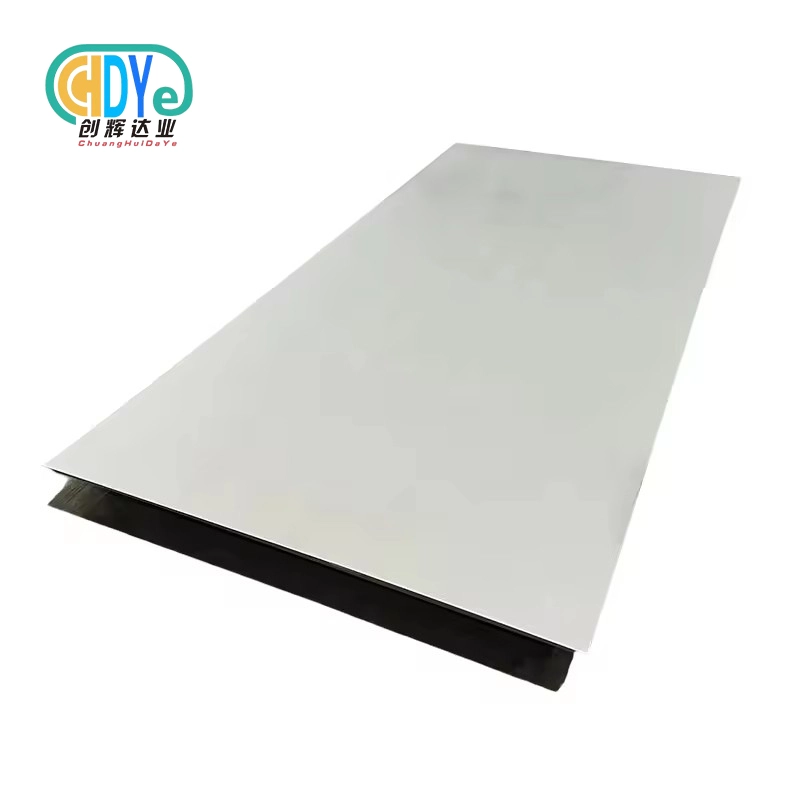
Is Titanium Plate Suitable for Marine Construction?
The titanium plate is exceptionally suitable for marine construction applications. The unique combination of superior corrosion resistance, outstanding strength-to-weight ratio, and exceptional durability makes titanium an ideal material choice for harsh oceanic environments. Unlike traditional marine materials such as steel or aluminum, titanium demonstrates remarkable resistance to saltwater corrosion, chloride attack, and biofouling. Marine engineers and procurement professionals increasingly recognize titanium's value in offshore platforms, shipbuilding components, seawater intake systems, and submarine structures where long-term performance and reliability are paramount.
Introduction: Why Consider Titanium Plates in Marine Construction?
Marine construction presents some of the most challenging material requirements in modern engineering. The relentless assault of saltwater, combined with extreme weather conditions, temperature fluctuations, and mechanical stress, demands materials that can withstand decades of harsh exposure without compromising structural integrity.
Traditional marine materials often fall short of these demanding requirements. Steel corrodes rapidly in saltwater environments despite protective coatings, while aluminum suffers from galvanic corrosion when in contact with dissimilar metals. These limitations drive up maintenance costs, reduce service life, and create safety risks that procurement professionals must address.
A titanium plate is a smart way to deal with these problems that keep coming up. Some big problems in making ships that have been around for a long time can now be solved with titanium. It's strong for its weight, doesn't rust, and has been used for a long time at sea. Because of the unique properties of the material, engineers can make military buildings that are much lighter, stronger, and last longer while also having much lower costs over their whole life.
Leaders in the water business know that the money spent on titanium materials usually pays off in the long run with better performance, longer service life, and less maintenance. For important naval uses where reliability is important, titanium is becoming a better choice because of this.
Titanium Plate Properties and Benefits in Marine Environments
The exceptional performance of titanium in marine applications stems from its unique metallurgical properties that have been refined through decades of research and development. Understanding these characteristics helps procurement professionals make informed decisions about material selection for marine projects.
Corrosion Resistance Superiority
It is harder for titanium to rust in salt water than it is for almost any other building metal. The material makes an oxide layer that stays in place and heals itself. This layer always protects against saltwater attack. This passive film can fix itself if it gets broken, so you don't need to use coats or cathodic protection systems on the outside to keep it safe.
Titanium that is made for marine use is very resistant to pitting corrosion, crevice corrosion, and stress corrosion cracking. These are the main ways that stainless steel fails in saltwater. For decades, titanium has been in saltwater, but tests in the lab show that its structure has not changed.
Mechanical Performance Characteristics
Titanium is stronger than most naval building materials when it comes to weight. In other words, builders can make buildings that are lighter without making them less strong. Pure titanium grade 2 for sale is easy to form and weld, but titanium alloy grade 5 (Ti-6Al-4V) is better for situations with a lot of stress.
Titanium's ability to fight wear and tear is especially useful in marine areas where waves are always putting and taking away weight from buildings. Because it doesn't change when the temperature does, the material will always work the same way, no matter where you are in the world. This includes seas in the Arctic and warm areas.
Biofouling Resistance
Because of how the material's surface is chemically organized, marine life has a hard time sticking to it. There is no need for damaging antifouling coatings on marine structures because they are naturally resistant to biofouling. This lets marine boats go faster and underwater structures last longer.
When marine growth forms on other materials, it can be more expensive and less effective to clean them. Titanium's smooth, non-reactive surface stops this from happening.
Comparative Analysis: Titanium Plates vs Other Metals for Marine Use
Understanding how the titanium plate works compared to other materials before you buy something. As you look at the needs of the job and the money you have, each medium has pros and cons that you need to weigh.
Titanium vs Stainless Steel Performance
Some types of stainless steel, like 316L, don't rust too badly. These types of steel are often used in war. Even so, pitting and crack rust can still damage these metals in rough seas, especially in warm places or places with a lot of salt.
Titanium doesn't have any of these rust problems, so it's a choice that doesn't need any maintenance and can last for decades without breaking. In the beginning, titanium costs more than stainless steel. However, it generally costs less in the long run because it lasts longer, needs less maintenance, and is more stable.
Titanium's lighter weight is especially helpful in naval settings, where each pound changes how stable the boat is, how much it can carry, and how much fuel it needs. Stainless steel is stronger for its weight, but titanium is stronger for its weight, so it can be used to make structures that are smaller and lighter overall.
Aluminum Alloy Limitations in Marine Environments
When not in water, marine-grade aluminum metals are very good at not rusting. But when they are buried in water, they have a hard time. When aluminum comes into contact with other metals in saltwater, galvanic rusting happens. This is a very serious issue that needs careful planning and safety gear.
Because titanium is electrochemically strong, galvanic rust is less likely to happen, and you don't need complicated separation systems as you do with aluminum. Titanium is stronger than steel, so it can be used to make forms that are more durable and can handle hard work and bad weather.
Carbon Steel Challenges and Solutions
This type of steel is still used a lot in military construction since it is inexpensive and strong. For the material not to rust quickly near the coast, it needs strong protective layers, cathodic protection systems, and regular maintenance.
These safety rules make it harder to work on military projects, cost a lot, and need a lot of TLC. Titanium gets rid of these worries and makes the structure work better and last longer by making it more reliable.
Manufacturing and Specifications of Titanium Plates for Marine Applications
To make a high-quality titanium plate for the navy, you need to use complicated production methods and stringent quality control checks. Anyone who buys things needs to know these steps to choose a source and make sure the materials they use meet standards set by the marine industry.
Advanced Production Techniques
At the moment, vacuum arc remelting (VAR) is used to make titanium. This method makes sure that the titanium is very clean and the same all over. For naval use, this method gets rid of inclusions and segregation that might make the material less able to resist rust or maintain its mechanical properties.
Hot rolling methods carefully control the temperature and reduce the amount of metal used so that the grain structure and tensile properties of the titanium plate are at their best. Using high-tech annealing methods lowers the pressure inside while keeping the nanoparticles that are needed for water uses.
At Chuanghui Daye, we use cutting-edge iron, steel, and rolling tools to heat, shape, and roll titanium into materials that are strong enough for shipbuilding. The people who work at our business in China's "Titanium Capital" have been doing this for 30 years and know how to do it right.
Quality Control and Certification Standards
At every step of the production process, quality control must be very strict for water use. When we check something, we look at all of its measurements, use ultrasonics to see if there are any problems inside, and have approved testing labs confirm its mechanical properties.
There is full tracking information for each batch of titanium material. It has a chemical makeup analysis, a mechanical property approval, and the results of non-destructive testing. This paperwork is very important for military projects that need to follow the rules set by the government and the classification society.
Dimensional Capabilities and Custom Solutions
Steel plates and sheets made to standard sizes are usually between 0.5 mm and 100 mm thick, up to 2000 mm wide, and up to 6000 mm long. For each job, sizes can be made just right, which makes the best use of materials and cuts the cost of production.
We can carefully cut, shape, and machine parts as part of our production services. This way, our customers can get finished parts that are ready to be put in place. This unified method makes it easier to buy things while still making sure that the sizes are right and the quality is always the same.
Procurement Considerations for Titanium Plates in Marine Construction
It's important to think about the skills of the sellers, the state of the market, and the specific needs of the project before you buy titanium goods for marine uses. How you buy things can have a big impact on how well a job turns out and how much it costs to own everything.
Supplier Qualification and Assessment
Titanium providers who want to do business with you must show that they have full quality control systems, the right licenses, and a history of using titanium in naval applications. Certification in ISO 9001:2015 makes sure that quality procedures are always followed, and certifications that show the company knows what it's doing with marine materials are also a good sign.
Technical support skills are very important for jobs in the Navy where you need to know a lot about different materials, how to make things, and how to put them together. Suppliers should help with planning, give advice based on the goal, and help with material specs.
Market Dynamics and Pricing Strategies
The price of titanium changes based on changes in supply and demand around the world, the cost of raw materials, and the amount of production that is being used. You can better plan when to buy things and how much to spend on marine projects if you know about these market factors.
Deals on buying titanium plates in bulk can save you money and give you peace of mind for big boat-building projects. When you work with providers early on and build long-term relationships with them, you can often get better deals and faster service when demand is high.
Supply Chain Management and Logistics
The places where marine builders work are often far away and hard to get to. They need to show that they can send goods on time, pack them properly for marine use, and adjust their plans to meet project dates.
When you use just-in-time shipping, you can save money on inventory costs and storage space, and carefully gathering key parts keeps projects moving forward. A big part of having good ties with suppliers is being ready for delays in the supply line.
Case Studies and Industry Applications of Titanium Plates in Marine Construction
Titanium plate is useful and performs better than other materials because it is used in many naval building projects. For hiring workers who want to use titanium for their own needs, these examples are very helpful.
Offshore Platform Success Stories
Titanium has been used successfully on large oil and gas sites in the ocean for heat exchangers, systems that handle seawater, and structural parts that are in contact with the rough sea. They can be used for decades without any maintenance, and these sites show that they do. They also cost a lot less than regular products.
Platform operators say that using titanium has cut down on the number of checks that need to be done, stopped problems caused by rust, and made operations more effective. Hydrogen sulfide and other chemicals that break down things that are common in marine environments don't hurt the material. We can trust it more and feel safer with this.
Naval and Maritime Applications
Modern naval vessels increasingly incorporate titanium components for critical systems, including seawater pipes, propeller shafts, and hull reinforcements. The material's magnetic neutrality provides stealth advantages while its corrosion resistance ensures reliable operation in combat conditions.
Commercial shipping applications include ballast water treatment systems, seawater cooling circuits, and exhaust gas cleaning systems, where titanium's corrosion resistance and durability provide operational advantages and regulatory compliance.
Innovative Marine Infrastructure Projects
Coastal infrastructure projects such as desalination plants, marine terminals, and underwater installations benefit from titanium's longevity and performance characteristics. These applications demonstrate the material's versatility and cost-effectiveness in diverse marine environments.
Bridge parts, docks, and fishing sites are all growing markets for titanium. This is because the material lasts a long time and doesn't need much maintenance.
Conclusion
Titanium plate is a great material for making ships that need to last a long time, be reliable, and not cost a lot of money. The material doesn't rust easily, is strong for its weight, and works well in marine environments for a long time. These are the main issues that have usually slowed down building projects in the water.
Titanium materials may cost more up front than other materials, but they always save you money in the long run because they don't need as much maintenance, last longer, and work better. People who work in the water industry know about these benefits and are choosing titanium more and more for dangerous jobs where failure is not an option.
Titanium is easy to find and can be used for naval building projects of all kinds. It can be made in advanced ways, is subject to strict quality control, and has a lot of support from experts. As things get tougher and rules get tighter in the marine environment, marine engineers and procurement workers who want to be ahead of the game choose titanium because of its unique properties.
FAQ
Q: What makes titanium plates superior to stainless steel in marine environments?
A: Chloride can pit and crack stainless steel, but titanium plates don't get these problems at all. Stainless steel does this a lot in ocean conditions. Stainless steel needs to be kept safe and in good shape all the time, but titanium can last for decades in harsh sea settings with no care at all.
Q: Which titanium grades are recommended for marine construction?
A: 99% pure titanium grade 2 is very good at not rusting and is easy to shape for most military uses. Grade 5 (Ti-6Al-4V) is better for making parts that will be put under a lot of stress. Palladium added to grade 7 titanium makes it virtually impossible for it to rust, even in the worst circumstances.
Q: Can titanium plates be welded effectively in marine applications?
A: Titanium can be welded in good ways if the right steps are taken. A barrier of inert gas keeps the joint clean, and the right filler materials make sure the joint is at least as strong as the base metal overall. Welded titanium parts keep all of their corrosion protection when they are used in naval settings.
Q: How does the cost of titanium compare to other marine materials over the structure's lifetime?
A: Titanium costs more up front than other materials, but because it lasts longer and doesn't need as much maintenance, it rarely costs more in the long run. Many military uses show a return on investment within 10 to 15 years of being used.
Partner with Chuanghui Daye for Premium Marine Titanium Solutions
Shaanxi Chuanghui Daye stands ready to support your marine construction projects with premium titanium plate manufactured to the highest industry standards. Our ISO 9001:2015 certified facility combines three decades of rare metal expertise with state-of-the-art production capabilities to deliver materials that exceed marine industry expectations.
We understand the critical nature of marine applications and provide comprehensive technical support, custom processing services, and reliable global delivery to ensure your project's success. Our competitive factory-direct pricing and flexible production capabilities make us the preferred titanium plate supplier for discerning marine industry professionals.
Contact our technical team at info@chdymetal.com to discuss your specific requirements and receive a detailed quotation tailored to your marine construction needs. Experience the Chuanghui Daye difference through superior materials, exceptional service, and unwavering commitment to customer success.
References
1. Boyer, R.R. "Titanium for Aerospace: Rationale and Applications." Advanced Performance Materials, Vol. 2, No. 4, 1995.
2. Schutz, R.W. "Seawater Corrosion Performance of Titanium Alloys." Materials Performance, NACE International, 2003.
3. Donachie, Matthew J. "Titanium: A Technical Guide, Second Edition." ASM International, Materials Park, OH, 2000.
4. Cotton, J.D. "Marine Applications of Titanium and Titanium Alloys." Corrosion Engineering, Science and Technology, Vol. 40, No. 3, 2005.
5. Lutjering, G. and Williams, J.C. "Titanium: Engineering Materials and Processes." Springer-Verlag, Berlin Heidelberg, 2007.
6. Peters, M. and Leyens, C. "Titanium and Titanium Alloys: Fundamentals and Applications." Wiley-VCH, Weinheim, Germany, 2003.
Learn about our latest products and discounts through SMS or email