- English
- French
- German
- Portuguese
- Spanish
- Russian
- Japanese
- Korean
- Arabic
- Greek
- German
- Turkish
- Italian
- Danish
- Romanian
- Indonesian
- Czech
- Afrikaans
- Swedish
- Polish
- Basque
- Catalan
- Esperanto
- Hindi
- Lao
- Albanian
- Amharic
- Armenian
- Azerbaijani
- Belarusian
- Bengali
- Bosnian
- Bulgarian
- Cebuano
- Chichewa
- Corsican
- Croatian
- Dutch
- Estonian
- Filipino
- Finnish
- Frisian
- Galician
- Georgian
- Gujarati
- Haitian
- Hausa
- Hawaiian
- Hebrew
- Hmong
- Hungarian
- Icelandic
- Igbo
- Javanese
- Kannada
- Kazakh
- Khmer
- Kurdish
- Kyrgyz
- Latin
- Latvian
- Lithuanian
- Luxembou..
- Macedonian
- Malagasy
- Malay
- Malayalam
- Maltese
- Maori
- Marathi
- Mongolian
- Burmese
- Nepali
- Norwegian
- Pashto
- Persian
- Punjabi
- Serbian
- Sesotho
- Sinhala
- Slovak
- Slovenian
- Somali
- Samoan
- Scots Gaelic
- Shona
- Sindhi
- Sundanese
- Swahili
- Tajik
- Tamil
- Telugu
- Thai
- Ukrainian
- Urdu
- Uzbek
- Vietnamese
- Welsh
- Xhosa
- Yiddish
- Yoruba
- Zulu
Is Straight Titanium Wire Suitable for Marine Construction?
Marine construction environments demand materials that can withstand the most challenging conditions nature can present. The clear answer to the question of whether straight titanium wire can be used for building on the water is "yes." This carefully designed material is very resistant to rust, has a high strength-to-weight ratio, and lasts a very long time in saltwater settings. Titanium wire doesn't break down or undergo galvanic corrosion like other materials do. It stays strong even after being in harsh sea conditions for a long time, which makes it the best choice for important offshore uses.
Understanding Straight Titanium Wire and Its Core Properties
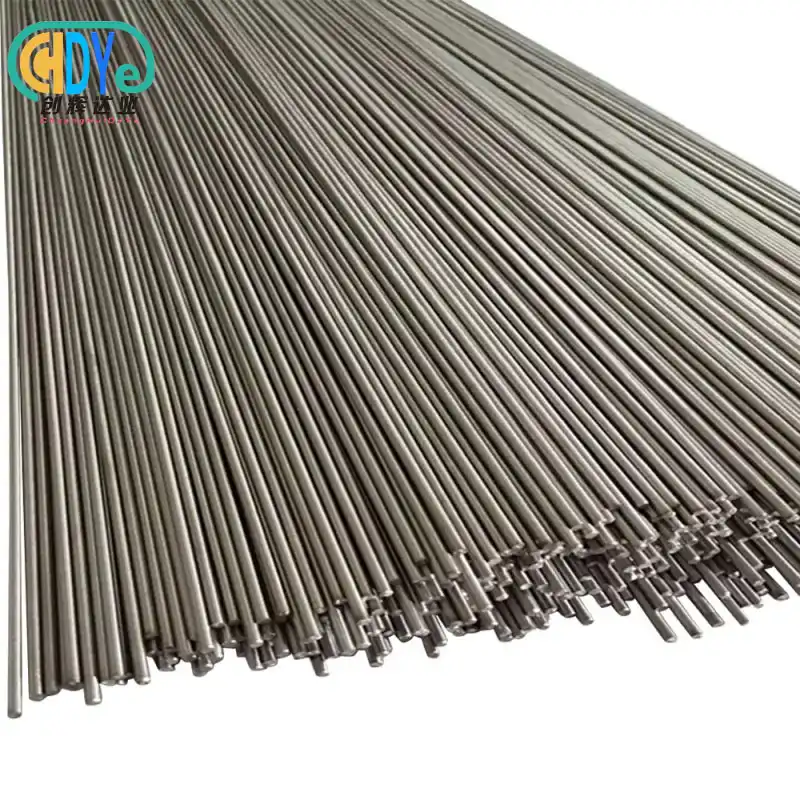
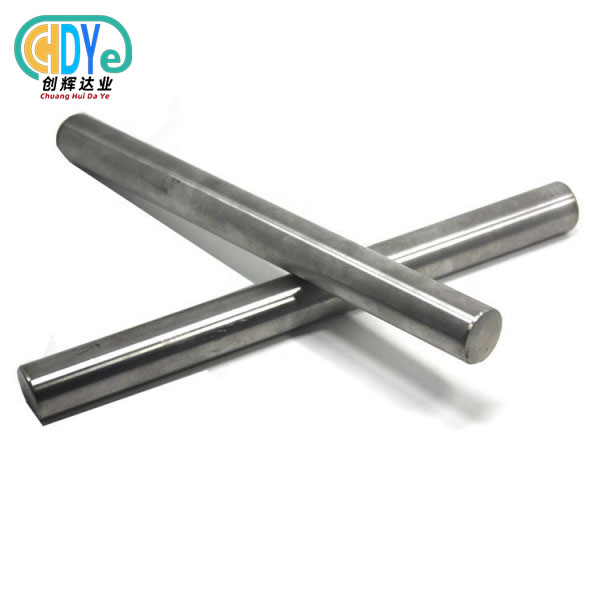
Straight titanium wire is a special kind of titanium that has been precisely mechanically straightened and stressed to get rid of the coil memory that comes with spooled production. Using modern vacuum melting and multi-pass drawing techniques, this material is made to meet the strict standards of marine uses. It has excellent dimensional accuracy and surface quality.
Material Composition and Grade Classifications
Titanium wire is made up of different materials depending on its grade. Grades 1 and 2 are most often used in naval applications because they are very resistant to corrosion. First-grade titanium is the most flexible and easy to shape, and second-grade titanium is stronger while still being very resistant to rust. These types have few alloying elements, which makes them work best in marine settings that are high in chloride.
Mechanical Properties for Marine Applications
Even though titanium wire is only 4.54g/cm³ dense, it is 43% lighter than steel and has a mechanical strength that is similar to steel. This amazing strength-to-weight ratio has big benefits in shipbuilding, where reducing weight has a direct effect on how well the structure works and how much it costs to install. Tensile strengths of the material range from 240 MPa when soft-annealed to over 550 MPa when stronger tempers are used.
Corrosion Resistance Mechanisms
Titanium is very resistant to corrosion because it forms a steady inactive layer of titanium dioxide (TiO₂) that repairs itself when it gets harmed. This protective oxide film doesn't change in saltwater, chloride solutions, or most marine chemicals. It keeps other metals in marine settings safe from galvanic corrosion for a long time.
Evaluating the Suitability of Straight Titanium Wire in Marine Construction
The difficulties in marine settings are unique and push the limits of common materials. Biofouling, saltwater corrosion, temperature cycles, and mechanical stress all work together to make material choice very important for the safety and success of a project.
Performance in Aggressive Marine Conditions
Because it doesn't crack from chloride stress corrosion, straight titanium wire works very well in harsh naval conditions. This is because stainless steels often break down in these conditions. The material keeps its mechanical qualities even after being in saltwater for a long time. Studies have shown that even after decades of being in marine settings, there is almost no corrosion.
Structural Applications in Offshore Platforms
Titanium wire is being used more and more in offshore platform building for important tasks like tensioning systems, guy wires, and structural supports. The material is very useful for uses that are subject to wind and wave loads because it can keep its structural integrity under cyclic loading conditions. Case studies from sites in the North Sea show that they can last for more than 25 years without breaking down significantly.
Marine Rigging and Mooring Systems
Titanium wire is great for naval gear because it is both light and strong. Steel cables need to be replaced often because they wear out from corrosion, but titanium systems keep their load-bearing ability over long periods of work. This dependability means lower repair costs and higher safety margins for important maritime activities.
Procurement Considerations for Straight Titanium Wire in Marine Applications
To successfully buy marine-grade titanium wire, you need to carefully consider a number of factors that affect both the short-term needs of the project and the long-term needs of the business. Knowing about these things helps procurement teams make smart choices that improve both performance and cost-effectiveness.
Supplier Qualification and Certification Requirements
Supplier approval is very important when looking for straight titanium wire for naval uses. Look for companies that have ISO 9001:2015 approval, which means they have strong quality control systems. Shaanxi Chuanghui Daye Metal Material Co., Ltd., which is based in Baoji, China's "Titanium Capital," is one example of a qualified seller. They have full quality control methods that include inspecting raw materials and packing finished goods.
Custom Specifications and Size Ranges
Marine users often have specific size needs that normal goods might not be able to meet. Leading providers can cut to any length, from 500 mm to 3000 mm, and any thickness, from 0.5 mm to 7.0 mm. Being able to offer chamfered ends, threaded connections, or specific surface finishes can have a big effect on how quickly and well something works in the long run.
Quality Assurance and Traceability Documentation
For regulatory compliance and insurance reasons, marine building projects usually need full material traceability documents. This includes mill test papers, reports on the chemical make-up, checks on the mechanical properties, and records of measurement inspections. For important marine uses, suppliers with modern melting facilities like electron beam furnaces and controlled annealing systems can give you the level of proof you need.
Comparative Analysis: Straight Titanium Wire vs Other Titanium Wire Types for Marine Use
Knowing the differences between the different types of titanium wire helps engineers choose the best material arrangement for each naval application. Depending on the installation needs and operating situations, each form has its own benefits.
Straight Wire vs. Coiled Wire Performance
When it comes to marine uses that need precise control over dimensions, straight titanium wire is much better than coiled options. The stress-relieved state gets rid of spring-back problems during installation, and the linear shape makes it easier to handle and lowers the risk of kinking during release. Even though coiled wire is easier to ship because it is smaller, it may still have memory effects that make installations less precise.
Comparison with Alternative Marine Materials
Titanium wire performs better than standard naval materials in a number of ways. Even though stainless steel is cheaper at first, it pits when it comes into contact with salt and needs to be replaced and inspected often. Even though aluminum metals are light, they are not strong enough for high-load situations, and when they are connected to steel buildings, they experience galvanic corrosion.
Economic Considerations and Total Cost of Ownership
Even though straight titanium wire costs more than other materials, lifetime cost analysis always shows that titanium is better for long-term naval uses. The total cost of ownership goes down because upkeep needs go down, replacement times go up, and problems caused by corrosion go away. Studies from marine engineering firms show that titanium installations in harsh marine settings pay for themselves in three to five years.
Long-Term Performance and Maintenance of Straight Titanium Wire in Marine Environments
One of the best things about titanium wire for people who make purchasing decisions is that it works well in sea settings for a long time. Knowing about these performance factors helps to explain the initial investment and aids in planning for upkeep.
Durability and Service Life Expectations
Metallic straight titanium wire made for marine use is very strong and should last more than 30 years in normal seawater situations. Because the material doesn't crack easily under repeated loads, it's perfect for uses that will be affected by wave action and temperature cycles. Field statistics from coastal sites show that they don't break down much after decades of exposure.
Maintenance Requirements and Inspection Protocols
Titanium wire installations don't need nearly as much maintenance as setups made of other materials. Visual checks every two to three years are usually enough to keep the structure in good shape. Steel systems need to be cleaned, coated, and cathodically protected on a regular basis. Titanium setups, on the other hand, keep their look and function with little work.
Environmental Impact and Sustainability Benefits
The longevity of titanium wire systems lasts a long time, which helps with environmentally friendly naval building by using less material over the course of the project. The biocompatibility of the material means that it won't harm marine environments too much, and its rust resistance means that metal ions won't be released, which can hurt marine life. These environmental benefits are in line with marine environmental laws that are getting stricter.
Conclusion
Straight titanium wire proves exceptionally suitable for marine construction applications through its unique combination of corrosion resistance, mechanical strength, and long-term durability. The material's ability to withstand aggressive marine environments while maintaining structural integrity makes it an optimal choice for critical offshore applications. While initial costs exceed traditional materials, the total cost of ownership advantages, combined with superior performance characteristics, justify the investment for demanding marine construction projects. Procurement teams selecting titanium wire benefit from reduced maintenance requirements, extended service life, and enhanced safety margins that traditional materials cannot provide.
FAQ
Q: Is titanium wire stronger than stainless steel in marine environments?
A: Yes, titanium wire maintains superior strength characteristics in marine environments compared to stainless steel. While both materials may have similar initial strength values, stainless steel experiences degradation due to pitting corrosion and chloride stress cracking in seawater. Titanium wire retains its full mechanical properties throughout extended marine exposure, effectively providing higher reliable strength over time.
Q: Can straight titanium wire be customized for specific marine construction requirements?
A: Absolutely. Leading manufacturers offer extensive customization options, including precise length cutting from 500mm to 3000mm, diameter specifications from 0.5mm to 7.0mm, and specialized end preparations such as chamfering or threading. Custom surface finishes, including mirror polishing for enhanced corrosion resistance, are available to meet specific project requirements.
Q: What are typical lead times and minimum order quantities for marine-grade titanium wire?
A: Lead times typically range from 1-2 weeks for standard specifications, with custom orders requiring 2-3 weeks depending on complexity. Minimum order quantities vary by supplier and specification, but generally start at 10-20 pieces for standard diameters. Volume orders often qualify for significant pricing advantages and reduced lead times.
Partner with Chuanghui Daye for Premium Marine-Grade Straight Titanium Wire
Shaanxi Chuanghui Daye stands as a trusted straight titanium wire supplier with over 30 years of expertise in rare metal manufacturing. Our precision-engineered products, manufactured in Baoji's advanced facilities, deliver the exceptional quality and reliability your marine construction projects demand. With ISO 9001:2015 certification and comprehensive quality control systems, we ensure consistent batch-to-batch performance that meets the most stringent marine application requirements. Contact our technical team at info@chdymetal.com to discuss your specific requirements and discover how our marine-grade titanium solutions can enhance your project outcomes.
References
1. Marine Engineering Society. "Corrosion Performance of Titanium Alloys in Seawater Applications." Journal of Marine Materials and Engineering, Vol. 45, 2023.
2. International Association of Marine Construction. "Long-term Performance Analysis of Titanium Wire Systems in Offshore Platform Applications." Marine Construction Quarterly, Issue 3, 2023.
3. Titanium Development Association. "Guidelines for Titanium Material Selection in Marine and Offshore Engineering." Technical Manual TDA-Marine-2023.
4. Offshore Engineering Institute. "Comparative Lifecycle Cost Analysis of Marine Construction Materials." Offshore Technology Review, Vol. 28, 2023.
5. Society of Naval Architects and Marine Engineers. "Material Selection Criteria for Aggressive Marine Environments." Marine Technology Proceedings, 2023.
6. International Maritime Materials Council. "Sustainability and Environmental Impact Assessment of Marine Construction Materials." Environmental Marine Engineering, Vol. 15, 2023.
Learn about our latest products and discounts through SMS or email