- English
- French
- German
- Portuguese
- Spanish
- Russian
- Japanese
- Korean
- Arabic
- Greek
- German
- Turkish
- Italian
- Danish
- Romanian
- Indonesian
- Czech
- Afrikaans
- Swedish
- Polish
- Basque
- Catalan
- Esperanto
- Hindi
- Lao
- Albanian
- Amharic
- Armenian
- Azerbaijani
- Belarusian
- Bengali
- Bosnian
- Bulgarian
- Cebuano
- Chichewa
- Corsican
- Croatian
- Dutch
- Estonian
- Filipino
- Finnish
- Frisian
- Galician
- Georgian
- Gujarati
- Haitian
- Hausa
- Hawaiian
- Hebrew
- Hmong
- Hungarian
- Icelandic
- Igbo
- Javanese
- Kannada
- Kazakh
- Khmer
- Kurdish
- Kyrgyz
- Latin
- Latvian
- Lithuanian
- Luxembou..
- Macedonian
- Malagasy
- Malay
- Malayalam
- Maltese
- Maori
- Marathi
- Mongolian
- Burmese
- Nepali
- Norwegian
- Pashto
- Persian
- Punjabi
- Serbian
- Sesotho
- Sinhala
- Slovak
- Slovenian
- Somali
- Samoan
- Scots Gaelic
- Shona
- Sindhi
- Sundanese
- Swahili
- Tajik
- Tamil
- Telugu
- Thai
- Ukrainian
- Urdu
- Uzbek
- Vietnamese
- Welsh
- Xhosa
- Yiddish
- Yoruba
- Zulu
Tantalum Alloy Rod Benefits for Aerospace and Medical Parts
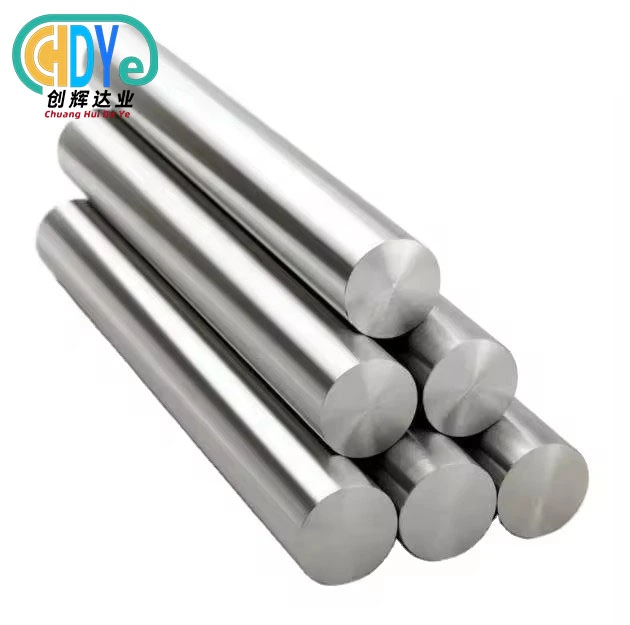
When engineers choose materials for aircraft engines, satellite components, surgical instruments, or implantable devices, they need metals that stay stable under extreme heat, aggressive chemicals, and constant mechanical stress. A tantalum alloy rod meets these demands better than most conventional metals. By combining tantalum with niobium or tungsten, manufacturers create a material that resists corrosion, holds its strength at high temperatures, and remains safe inside the human body. This article explains how a tantalum alloy rod performs in aerospace and medical parts, what technical specifications matter, how the material is produced, and why sourcing from an experienced manufacturer makes a real difference to your project.
Why a Tantalum Alloy Rod Excels in Aerospace Applications
High-Temperature Stability in Engine and Propulsion Parts
The temperatures at which aerospace parts operate are often high enough to cause ordinary steels, and even some nickel alloys, to soften or creep. Under these conditions, a tantalum alloy rod remains intact, especially when alloyed with tungsten, which greatly increases high-temperature strength. Designers use the rod to machine parts for nozzles and thermocouple sheaths, fasteners, and heat-shield support that must survive repeated thermal cycles. Engineers can specify thinner sections without sacrificing safety since the material resists deformation under prolonged heat. That saves weight, which is important in every flight application, and it helps extend the interval between inspections and replacements for critical propulsion hardware.
Corrosion Resistance Against Fuels, Oxidizers, and Harsh Atmospheres
Rocket propellants, hydraulic fluids, and high-altitude atmospheric conditions can attack many metals over time. A rod of tantalum alloy will form a stable, tightly adhering oxide film which protects the surface from most acids and aggressive chemicals. In many aggressive environments, it is clearly superior to stainless steel. That’s why aerospace suppliers use it for valve components, fluid-handling fittings and sensor housings that are exposed to reactive media. Chemical resistance minimises the risk of leaks and contamination. Long service life ensures that dimensional accuracy is maintained, which is critical when a single failed part can ground an entire fleet.
Strength, Density, and Precision Machining for Critical Components
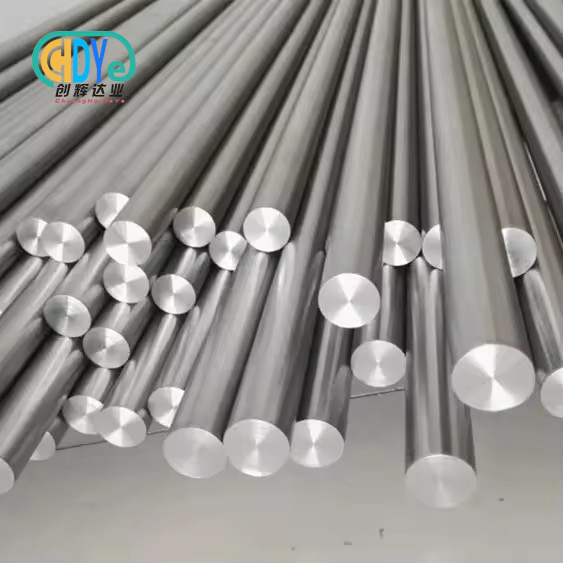
Tantalum alloys are dense, with densities of approximately 16.7 to 17.0 g/cm³, but their strength, ductility, and durability allow designers to use small, efficient parts where they are needed most. Fine shapes can be consistently turned, drilled, ground, and drawn from tantalum alloy rod, particularly from Ta-Nb grades which have improved workability. Rods can be supplied in diameters from 1 to 50 mm and lengths from 1000 to 3000 mm or cut to custom lengths. That flexibility allows aerospace machinists to reduce material waste, decrease setup time, and create tight-tolerance parts such as pins, shafts, and electrical contacts in a single, reliable workflow.
The table below summarises the core specifications that aerospace buyers typically review when evaluating a tantalum alloy rod.
| Parameter | Typical Specification | Aerospace Relevance |
|---|---|---|
| Alloy type | Ta-Nb or Ta-W | Balances ductility or high-temperature strength |
| Diameter | 1–50 mm | Suits small pins to large structural shafts. |
| Length | 1000–3000 mm or customised | Reduces cutting waste |
| Density | 16.7–17.0 g/cm³ | Compact, high-performance parts |
| Tensile strength | 250–400 MPa | Dependable load-bearing performance |
| Corrosion behaviour | Excellent resistance | Long life in fuels and chemicals |
How a Tantalum Alloy Rod Supports Medical Device Manufacturing
Biocompatibility for Implants and Surgical Instruments
Medical device makers love tantalum. The human body takes to it very well. The tantalum alloy rod is well tolerated without provoking appreciable tissue reactions, and the stable oxide surface does not permit the release of harmful ions. That is why the rod is made into bone screws, pins, dental components, and surgical instruments that have to remain in contact with tissue or body fluids. In clinical studies, tantalum in orthopaedic surgery has been shown to integrate well into the bone and remain stable long-term. By starting with a high-purity rod, manufacturers have a reliable base that meets the strict cleanliness levels required for regulated medical manufacturing.
Radiopacity and Visibility in Diagnostic Imaging
Another useful property is radiopacity. Tantalum is dense, so a tantalum alloy rod provides good contrast on X-ray and fluoroscopic images. Surgeons can use this to confirm the location of implants and markers during and after a procedure. Fine wires and small rod-derived parts are often used by medical designers as markers on catheters, stents, and guidewires. Its good ductility means the alloy can be drawn out very thinly without breaking, which allows engineers to make highly visible devices that are still small and minimally invasive. That combination of visibility and formability is tough to achieve with many competing metals.
Long Service Life in Sterilisation and Body Environments
Medical components are sterilised multiple times. And exposed to saline body fluids for long periods of time. A tantalum alloy rod is good for either case because it resists corrosion and does not deteriorate with steam, chemical, or radiation sterilisation. Rod-machined reusable surgical instruments will maintain their finish and accuracy for many more cycles than lower-grade alternatives, which reduces replacement costs for hospitals and device makers. Implants of the same material remain stable in the body for years. A long service life also means that there is less need for maintenance, downtime, and revision procedures, which is an advantage for both manufacturers and patients.
The following table compares the two main alloy families and their typical roles in aerospace and medical work.
| Alloy Grade | Key Advantage | Typical Aerospace Use | Typical Medical Use |
|---|---|---|---|
| Ta-Nb | Enhanced ductility and workability | Fine fittings, wires, sensor parts | Implants, markers, drawn wire |
| Ta-W | Superior high-temperature strength | Hot-section components, supports | High-load instruments |
| Custom composition | Tailored to application | Specialised propulsion parts | Specialised device designs |
Selecting and Sourcing a Quality Tantalum Alloy Rod
Choosing the Right Alloy Grade and Size
The first step in the specification of a tantalum alloy rod is to match the composition to the job. Ta-Nb alloys are generally chosen for parts requiring better ductility, easy forming, or fine drawing, such as medical wires and small precision pieces. Ta-W alloys are useful in applications where the primary concern is strength at very high temperatures, such as aerospace hot-section hardware. Then, confirm the diameter and length so that your machining plan wastes as little material as possible. This is easier with suppliers who offer custom compositions and cut-to-length service. You can order exactly what the design requires and avoid costly rework down the line.
Understanding the Manufacturing Process Behind the Rod
Quality in a tantalum alloy rod starts well before machining. “First we start with high-purity raw material from certified suppliers. Then we alloy it carefully in controlled atmospheres to avoid contamination. The rod is then cold worked to final dimensions by forging, rolling and drawing, and its mechanical properties are improved by optimised annealing. After each stage, inspections are performed to detect defects early. By understanding how the rod is made, buyers can ask better questions and compare suppliers on an even basis. Consistent processing is what gives uniform properties from one batch to another.
| Production Stage | Purpose |
|---|---|
| Raw material selection | Use high-purity tantalum from certified sources. |
| Alloying | Mix niobium or tungsten in controlled atmospheres. |
| Cold working | Forge, roll, and draw to the required dimensions. |
| Heat treatment | Anneal to optimise strength and ductility. |
| Quality testing | Verify composition, dimensions, and performance. |
Evaluating Supplier Experience, Certification, and Quality Control
You want a tantalum alloy rod you can rely on — from a supplier with the experience, the right equipment, and the documented quality systems to back it up. Look for ISO 9001:2015 certification, which means that the supplier controls raw material inspection, melting and forging, machining and forming, and final inspection and packaging. Advanced equipment like electron beam furnaces, annealing furnaces, rolling machines, and precision lathes also indicates real production capability. Shaanxi Chuanghui Daye Metal Material Co., Ltd. is located in Baoji, the "Titanium Capital" of China. It has over 30 years of experience in rare metals and provides tantalum, niobium, tungsten, molybdenum, and titanium products to customers around the globe.
Conclusion
A tantalum alloy rod gives aerospace and medical manufacturers a rare mix of corrosion resistance, high-temperature stability, ductility, and biocompatibility. Choosing the right grade and a trustworthy supplier is what turns those properties into dependable parts. Shaanxi Chuanghui Daye Metal Material Co., Ltd. combines three decades of rare metal experience, modern melting, forging, and rolling equipment, and ISO 9001:2015 quality control to deliver reliable, cost-effective materials. Whether you need standard sizes or custom compositions, our team is ready to support your next aerospace or medical project with consistent quality and responsive service.
FAQ
Q: What alloys are available for your tantalum alloy rod?
A: We supply Ta-Nb alloys, which offer enhanced ductility and workability, and Ta-W alloys, which provide superior high-temperature strength. Custom compositions can also be produced to match specific application requirements.
Q: What sizes can I order?
A: Diameters range from 1 to 50 mm, and standard lengths run from 1000 to 3000 mm. Customised lengths are available on request.
Q: Is a tantalum alloy rod safe for medical use?
A: Yes. Tantalum is biocompatible and highly resistant to body fluids, which makes it suitable for implants and surgical instruments. Final suitability always depends on your device design and applicable regulatory requirements.
Q: How does it compare with stainless steel in corrosive environments?
A: A tantalum alloy rod outperforms stainless steel in many harsh chemical environments because of its stable protective oxide layer, so it generally delivers a longer service life and lower maintenance costs.
Q: What quality controls do you use?
A: Our production is certified to ISO 9001:2015. We inspect raw materials, monitor melting and forging, control machining and forming, and carry out final inspection and packaging for every batch.
Request Your Tantalum Alloy Rod Quote Today
Ready to improve the performance and reliability of your aerospace or medical components? Shaanxi Chuanghui Daye Metal Material Co., Ltd. offers high-quality tantalum alloy rod products backed by more than 30 years of industry experience, advanced production equipment, and strict quality control. Tell us your alloy grade, diameter, length, and quantity, and our engineers will recommend the best solution and provide a fast, competitive quote. Contact us today at info@chdymetal.com to request samples, technical data, or customised sizes. Let us help you build safer, longer-lasting parts with materials you can trust.
References
1. Cardarelli, F. Materials Handbook: A Concise Desktop Reference. Springer, 2018.
2. Levine, B. R., Sporer, S., Poggie, R. A., Della Valle, C. J., and Jacobs, J. J. "Experimental and Clinical Performance of Porous Tantalum in Orthopaedic Surgery." Biomaterials, 2006.
3. Balla, V. K., Bodhak, S., Bose, S., and Bandyopadhyay, A. "Porous Tantalum Structures for Bone Implants: Fabrication, Mechanical and In Vitro Biological Properties. "Acta Biomaterialia, 2010.
4. Buckman, R. W. "New Applications for Tantalum and Tantalum Alloys." JOM, 2000.
5. Zhou, Y. L., Niinomi, M., and Akahori, T. "Effects of Ta Content on Young's Modulus and Tensile Properties of Binary Ti-Ta Alloys for Biomedical Applications." Materials Science and Engineering A, 2004.
6. ASTM International. ASTM B365: Standard Specification for Tantalum and Tantalum Alloy Rod and Wire.
Learn about our latest products and discounts through SMS or email