- English
- French
- German
- Portuguese
- Spanish
- Russian
- Japanese
- Korean
- Arabic
- Greek
- German
- Turkish
- Italian
- Danish
- Romanian
- Indonesian
- Czech
- Afrikaans
- Swedish
- Polish
- Basque
- Catalan
- Esperanto
- Hindi
- Lao
- Albanian
- Amharic
- Armenian
- Azerbaijani
- Belarusian
- Bengali
- Bosnian
- Bulgarian
- Cebuano
- Chichewa
- Corsican
- Croatian
- Dutch
- Estonian
- Filipino
- Finnish
- Frisian
- Galician
- Georgian
- Gujarati
- Haitian
- Hausa
- Hawaiian
- Hebrew
- Hmong
- Hungarian
- Icelandic
- Igbo
- Javanese
- Kannada
- Kazakh
- Khmer
- Kurdish
- Kyrgyz
- Latin
- Latvian
- Lithuanian
- Luxembou..
- Macedonian
- Malagasy
- Malay
- Malayalam
- Maltese
- Maori
- Marathi
- Mongolian
- Burmese
- Nepali
- Norwegian
- Pashto
- Persian
- Punjabi
- Serbian
- Sesotho
- Sinhala
- Slovak
- Slovenian
- Somali
- Samoan
- Scots Gaelic
- Shona
- Sindhi
- Sundanese
- Swahili
- Tajik
- Tamil
- Telugu
- Thai
- Ukrainian
- Urdu
- Uzbek
- Vietnamese
- Welsh
- Xhosa
- Yiddish
- Yoruba
- Zulu
Tantalum Rods Applications in Chemical Processing Plants
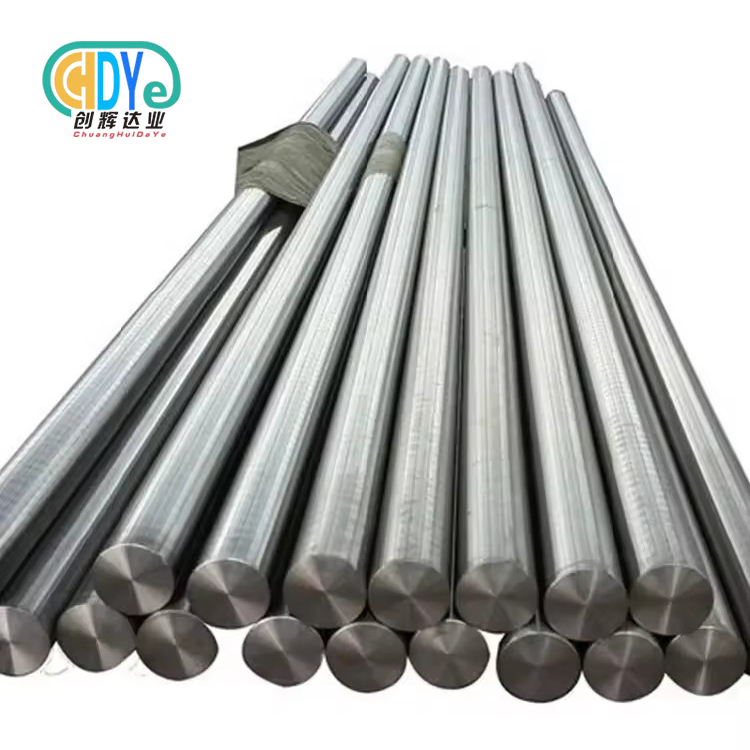
When it comes to the tough world of chemical processing, tantalum bars have become essential materials that solve important problems. These high-performance parts are made from pure tantalum rods that are more than 99.95% pure. They have great corrosion resistance against the harshest chemicals found in modern processing plants. With a density of 16.65 g/cm³ and diameters ranging from 2 to 100 mm, these specialised metal goods help chemical processors get equipment that lasts longer and works more reliably than ever before. When procurement managers and engineers know how tantalum rod technology changes the performance of chemical plants, they can make decisions that improve safety, lower upkeep costs, and make sure the plants follow the rules.
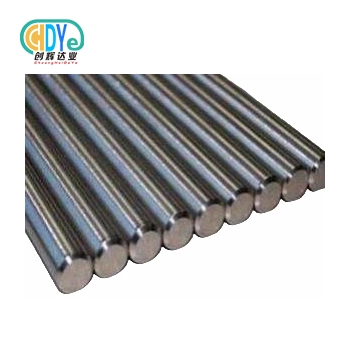
Understanding Tantalum Rods and Their Key Properties
The Elemental Advantage of Tantalum
Tantalum is one of the metals that doesn't rust and is used in many industrial settings. Because it has an atomic number of 73, this refractory metal naturally makes an oxide film on its surface that protects it from almost all acids and organic compounds. When damaged, this passive layer heals itself on its own, providing safety for the whole life of the component. The melting point of the material is around 3,000°C, which makes it stable in high-temperature chemical processing conditions where other alloys would break in hours.
Physical Properties That Define Performance
The density of tantalum can reach 16.65 g/cm³, which makes it very stable structurally and radiopaque, which is good for protective uses. Tantalum has better tensile strength and ductility than most metals, so it can be shaped into complex shapes without losing its structure. The metal is naturally not magnetic, which keeps electromagnetic interference from messing up sensitive instruments, which is a big plus in automated process control systems. These physical traits make a material that is perfectly able to handle the harsh chemicals and mechanical pressures that are common in petrochemical plants.
Comparative Material Analysis
Tantalum clearly performs better than other materials when compared to them. Stainless steel grades rust quickly in hot, acidic conditions above 80°C, while titanium can be damaged by reducing acids. Niobium is also resistant to rust, but it is not as strong mechanically at high temperatures as tantalum. Tungsten and molybdenum can be used at high temperatures, but they easily oxidise in air. This comparison shows why chemical processors are choosing tantalum more and more for mission-critical uses where a failure of the tantalum rods material could have terrible operational and safety effects.
Key Applications of Tantalum Rods in Chemical Processing Plants
Corrosion-Resistant Equipment Construction
One of the main places where tantalum rod technology actually does add value is in heat exchanges. Chemical makers use tantalum-clad tubesheets and tantalum heating elements in units that deal with temperatures over 100°C and sulphuric acid concentrations above 70%. When working with hydrochloric, nitric, and phosphoric acids that break down glass-lined equipment, reaction tanks with tantalum parts inside last for decades. When making pharmaceutical synthesis, metal ion leaching can make the result less pure. But when tantalum sections are used to make piping systems, these risks are eliminated. Because the material can work with harsh chemical mixtures, it is very useful for making speciality chemicals. Tantalum is resistant to mixed acid conditions that contain chlorine and fluorine compounds, which is good for processors that make agrochemicals. These benefits directly lead to less unplanned downtime and longer maintenance intervals, which make the tools work better overall.
High-Temperature and Pressure Applications
Heating parts for vacuum furnaces made from grain-stabilised tantalum keep their shape even after being heated and cooled many times. The material doesn't change shape when heated to temperatures where molybdenum parts break. This makes the kiln last three to five times longer. Tantalum rods are used to strengthen seals and closures on pressure tanks that need to be resistant to corrosion and strong. Metallurgy-based evaporator systems that concentrate corrosive solutions can work nonstop for years without the catastrophic breakdowns that happen with other methods.
Instrumentation and Process Control
Tantalum bars are used to make reliable sensor parts that work well in chemical streams that damage stainless steel housings. Tantalum-wetted pH probes, temperature sensors, and flow measurement devices give accurate numbers for their whole useful life, without losing their accuracy due to corrosion. Erosion-corrosion, which fails in slurry services, can't happen with control valve trim made from tantalum. This keeps precise flow control that is needed for process optimisation. After switching to tantalum-clad units for its API production lines, a major drug company said its heat exchanger repair costs dropped by 40%. Plant uptime went up by 12% because unplanned downtime for equipment repairs went down by a huge amount. These written results show that planned material selection does add real value to a business.
How Tantalum Rods are Manufactured and Machined for Chemical Plant Use
Raw Material Processing and Rod Production
To make high-purity tantalum, natural ore must first be processed using solvent extraction to get a chemical purity of more than 99.95%. Powder metallurgy or vacuum arc melting can be used to turn pure tantalum into an ingot. The grain structure must be carefully controlled to get the best mechanical qualities. Rolling and drawing lower the cross-sections of ingots to the sizes of finished rods while keeping the consistency of the material. During annealing, internal stresses are relieved, and a fine-grained structure is formed, which makes the metal more flexible and resistant to rust. Our factory in the Baoji High-tech Development Zone uses electron beam ovens and high-tech rolling tools to make tantalum parts that meet the highest quality standards around the world. At each step of production, the process includes several inspection points to check the accuracy of the dimensions, the finish on the surface, the tantalum rods and the metal's mechanical properties.
Precision Machining Techniques
Machining tantalum presents unique challenges due to its ductility and tendency toward work hardening. Specialised cutting tools with sharp geometries and appropriate rake angles prevent material galling during turning operations. Grinding processes utilise fine-grit wheels operating at controlled speeds to achieve specified surface finishes without introducing contamination. Threading operations for fastener production require careful selection of cutting speeds and coolant chemistry to maintain thread form accuracy.
Quality Assurance and Certification
Compliance with ASTM B365 standards ensures that tantalum rods meet the mechanical property requirements for chemical processing applications. Our ISO 9001:2015 certified quality management system governs all production activities, from raw material inspection through final packaging. Each production lot undergoes chemical analysis, dimensional verification, and surface quality inspection. Complete traceability documentation accompanies every shipment, providing customers with the material certifications required for regulatory compliance and liability protection.
Procurement Considerations for Tantalum Rods in the B2B Chemical Industry
Supplier Evaluation Criteria
Selecting a reliable tantalum rod supplier requires a thorough assessment of manufacturing capabilities and quality systems. Verification of ISO 9001:2015 certification confirms the supplier maintains documented processes for quality control. Manufacturing capacity evaluation ensures the supplier can meet your volume requirements within the required timeframes. Technical support capabilities determine whether the supplier can assist with material selection and application engineering. References from existing customers in chemical processing provide valuable insights into supplier reliability and responsiveness.
Material Grade Selection and Pricing Dynamics
Chemical-grade tantalum differs from aerospace and medical grades primarily in certification requirements rather than base material properties. Standard commercial purity exceeding 99.95% satisfies most chemical processing applications. Pricing varies based on purity level, rod diameter, length specifications, and order quantity. Bulk purchasing agreements often secure volume discounts ranging from 10% to 20% compared to spot market pricing. Understanding these pricing dynamics enables accurate budget forecasting and cost-effective procurement strategies.
Logistics and Lead Time Planning
Minimum order quantities for tantalum rods range from 10 to 50 kilograms, depending on rod dimensions and supplier production schedules. Standard diameter rods between 10 and 50 mm generally ship within four to six weeks. Custom dimensions requiring special tooling extend lead times to eight to twelve weeks. Global sourcing from established manufacturing regions, including China's Titanium Capital, ensures supply chain reliability. Working with suppliers offering local inventory reduces emergency procurement lead times and mitigates supply disruption risks. China has emerged as a competitive source for high-quality refractory metals, with manufacturers in the Baoji region leveraging decades of metallurgical expertise. These suppliers combine technical competence with cost-effective pricing structures that benefit international customers.
Advantages of Choosing Tantalum Rods for Chemical Processing Plants
Implementing tantalum components in chemical processing equipment generates substantial return on investment through multiple value streams. Extended equipment service life results from tantalum's superior corrosion resistance, with properly designed components operating for twenty to thirty years compared to three to five years for stainless steel alternatives. This longevity dramatically reduces asset replacement costs and eliminates the production disruptions associated with premature equipment failure.
Maintenance cost reduction represents another significant advantage. Tantalum's durability eliminates the frequent inspection and replacement cycles required for conventional materials. Chemical processors report maintenance labour savings of 30% to 50% on tantalum-equipped systems. Unplanned downtime decreases as corrosion-related failures become increasingly rare, allowing production scheduling based on market demand rather than maintenance requirements.
Regulatory compliance becomes simpler with high-purity tantalum materials. The metal's chemical inertness prevents product contamination that could trigger regulatory violations or product recalls in pharmaceutical and food-grade chemical applications. Environmental benefits accrue from reduced chemical waste generation, as tantalum equipment maintains integrity without releasing metal ions into process streams or wastewater.
Sustainability factors are becoming more and more important in purchasing decisions. Tantalum is very durable, which is in line with the ideas of the circular economy because it makes products last longer and uses fewer resources. The material can be fully recycled, so it can be recovered and used again after its useful life is over. This helps companies meet their environmental goals while keeping the material's value.
Conclusion
Chemical processors that want to improve operational dependability and lifecycle costs should invest in tantalum rod technology. The material's unbeatable resistance to corrosion, stability at high temperatures, and long-lasting mechanical strength make it perfect for chemical processing settings with tough requirements. Buying things that include tantalum parts improves how well the equipment works and helps meet safety, compliance, and environmental goals. As regulations get stricter and chemical processing gets more complicated, tantalum's special properties make it an important material for facilities that think ahead and value long-term operating excellence over short-term capital costs.
FAQ
1. What makes tantalum superior to stainless steel in chemical applications?
Tantalum forms a self-healing oxide layer that protects against virtually all acids and organic compounds at temperatures where stainless steel experiences rapid corrosion. This protective film regenerates continuously, providing reliable performance in concentrated sulfuric acid, hydrochloric acid, and other aggressive media that attack stainless steel within hours of exposure.
2. Why are tantalum rods non-magnetic, and why does this matter?
Tantalum's atomic structure results in non-magnetic properties that prevent electromagnetic interference with sensitive instrumentation. This characteristic proves essential in automated chemical processing facilities where magnetic fields could disrupt sensor accuracy or control system operation, ensuring reliable process monitoring and control.
3. What are typical lead times for custom-sized tantalum components?
Standard diameter tantalum rods generally ship within four to six weeks from order placement. Custom dimensions requiring specialised tooling extend production timelines to eight to twelve weeks. Planning procurement cycles around these timeframes ensures material availability aligns with project schedules and maintenance windows.
Partner With Chuanghui Daye for Reliable Tantalum Rod Solutions
Shaanxi Chuanghui Daye stands ready to support your chemical processing tantalum rods requirements with premium-quality tantalum rod products. Located in China's Titanium Capital, our facility combines over 30 years of rare metal expertise with ISO 9001:2015 certified quality systems to deliver materials that exceed international standards. We manufacture high-purity tantalum rods in diameters from 2 to 100 mm with complete certification documentation and full traceability. Contact our technical team at info@chdymetal.com to discuss your specifications, request bulk pricing, and explore how our tantalum rod supplier capabilities can enhance your plant's reliability and performance.
References
1. Davis, J.R. (2000). Corrosion of Refractory Metals and Their Alloys. ASM International Handbook Committee.
2. Schmidt, P.F. & Trelewicz, J.R. (2018). Materials Selection for Corrosive Chemical Processing Environments. Journal of Materials Engineering and Performance, 27(8), 3892-3905.
3. American Society for Testing and Materials (2019). ASTM B365-19: Standard Specification for Tantalum and Tantalum Alloy Rods. ASTM International.
4. Wilson, K.M. (2017). Economic Analysis of Material Selection in Chemical Plant Construction. Chemical Engineering Progress, 113(5), 45-53.
5. International Tantalum-Niobium Association (2020). Tantalum: Properties and Industrial Applications. Technical Report Series.
6. Henderson, R.L. & Matthews, S.J. (2021). Long-term Performance of Refractory Metals in Chemical Processing. Corrosion Science Quarterly, 158, 108-121.
Learn about our latest products and discounts through SMS or email