- English
- French
- German
- Portuguese
- Spanish
- Russian
- Japanese
- Korean
- Arabic
- Greek
- German
- Turkish
- Italian
- Danish
- Romanian
- Indonesian
- Czech
- Afrikaans
- Swedish
- Polish
- Basque
- Catalan
- Esperanto
- Hindi
- Lao
- Albanian
- Amharic
- Armenian
- Azerbaijani
- Belarusian
- Bengali
- Bosnian
- Bulgarian
- Cebuano
- Chichewa
- Corsican
- Croatian
- Dutch
- Estonian
- Filipino
- Finnish
- Frisian
- Galician
- Georgian
- Gujarati
- Haitian
- Hausa
- Hawaiian
- Hebrew
- Hmong
- Hungarian
- Icelandic
- Igbo
- Javanese
- Kannada
- Kazakh
- Khmer
- Kurdish
- Kyrgyz
- Latin
- Latvian
- Lithuanian
- Luxembou..
- Macedonian
- Malagasy
- Malay
- Malayalam
- Maltese
- Maori
- Marathi
- Mongolian
- Burmese
- Nepali
- Norwegian
- Pashto
- Persian
- Punjabi
- Serbian
- Sesotho
- Sinhala
- Slovak
- Slovenian
- Somali
- Samoan
- Scots Gaelic
- Shona
- Sindhi
- Sundanese
- Swahili
- Tajik
- Tamil
- Telugu
- Thai
- Ukrainian
- Urdu
- Uzbek
- Vietnamese
- Welsh
- Xhosa
- Yiddish
- Yoruba
- Zulu
Tantalum Rods FAQ: Everything You Need to Know
Tantalum rods stand out as a dependable option for places where other metals fail when looking for important materials for tough industrial uses. High-performance refractory metals are critical in chemical processing, electronics, airplanes, and medical device production because they don't rust, are safe, and don't change shape when heated. If buying experts and engineers know what they are made of, how they work, and how to use them in real life, they can make smart decisions that help important projects run more smoothly and save money.
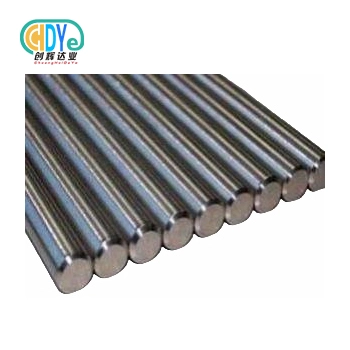
Understanding Tantalum Rods – Properties and Manufacturing
Pure tantalum metal, which is more than 99.95% pure, is used to make tantalum rods, which are a type of refractory metal product. There are chemical and physical properties of this rare metal that make it different from other commercial metals. Usually, vacuum arc melting or powder metallurgy is used to make things. All these steps keep the structure strong and ensure the material's features remain consistent across batches.
Fundamental Physical Properties
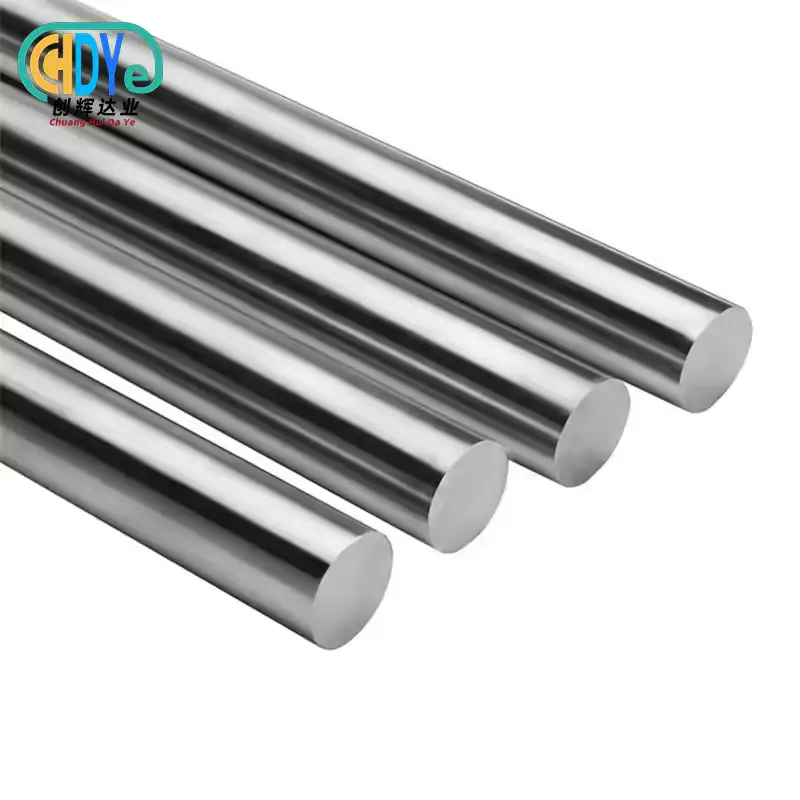
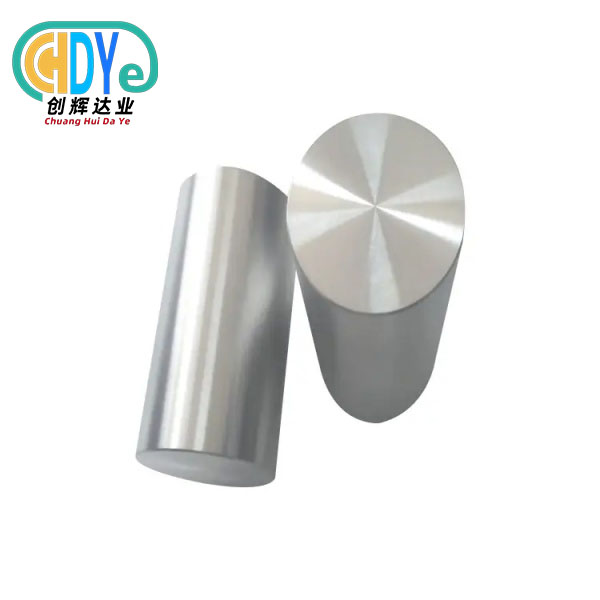
Because of its density (16.65 g/cm³), tantalum is one of the densest basic metals used in business. The high density of this material makes it beneficial for stopping radiation and X-rays, where it needs to be radiopaque. These parts are made like cylinders and come in sizes from 2 mm to 100 mm. They can be used in many industrial settings. When you look at the material, its natural blue-gray shine makes it easy to tell if it is durable.
Chemical Resistance and Thermal Characteristics
One thing that makes tantalum unique is that it naturally forms a pentoxide film on the top. Chemicals can't hurt this film, and it can repair itself. It stays strong in almost all acids below 150°C, even sulfuric, hydrochloric, and nitric acids, which are known to quickly eat away at stainless steel and other common metals. It can melt at about 2,996°C, which means it can be used constantly in hot places where most metals would melt or break. This stable temperature also applies to vacuum furnaces, where parts must be able to handle being heated over and over again without losing their shape or growing smaller.
Manufacturing Methods and Quality Control
To begin, vacuum heating high-purity tantalum powder or recycled tantalum waste gets rid of any flaws or airborne contaminants. Once the ingots are ready, they are rolled and cast while still hot to make the rods the right size. Cold work techniques like swaging and drawing improve the surface finish. During the whole production process, strict quality control measures are used to check the surface state, measurement limits, and chemical makeup. The factories that Chuanghui Daye runs are ISO 9001:2015 certified and use many different tests, such as spectroscopic analysis, hardness testing, and ultrasound inspection, to make sure that every rod meets international standards and customer needs.
Comparing Tantalum Rods with Other Materials – Making an Informed Choice
People who are buying things often compare tantalum rods to other materials to find the one that meets their needs for performance and their budget. It is easier to choose the right material for some jobs when you know how tantalum stacks up against tungsten, titanium, niobium, and stainless steel.
Tantalum Versus Tungsten and Molybdenum
In acidic places, tantalum is better at stopping rust than tungsten and molybdenum, but they are stronger at high temperatures and cost less. Tungsten can only be used in a neutral gas or a vacuum since it quickly breaks down in air at high temperatures. The same things happen to molybdenum when it weathers, and it's not very immune to mineral acids. Tantalum remains strong in both acidic chemical environments and high-temperature oxidation environments. Because of these properties, it is the best material for tools used to handle chemicals that will be exposed to hot acids.
Tantalum Compared to Titanium and Niobium
Titanium is less expensive and doesn't rust easily. And while tantalum works well in strong sulfuric acid above 150°C, this one doesn't. Niobium and tantalum have a lot of the same chemical properties. Niobium corrodes more easily in some acidic solutions, especially those that contain hydrofluoric acid. When it comes to medicine, tantalum is better than titanium because it is more flexible than human bone. This makes it easier for bone grafts to connect with the bone. Because of this mechanical fit, there is less stress buffering, which can make implants open over time.
Cost-Benefit Analysis for Industrial Applications
Tantalum parts cost more at first, but they are worth the investment because they last longer and need less maintenance. Chemical plants can use tantalum heat exchanger parts for decades without changing them. On the other hand, rust breaks down stainless steel parts, so you may need to change them every two years. You have to include the costs of downtime, new work, and the chance that rusty equipment will affect the product when you figure out the total cost of ownership. Companies that manufacture electronics, such as tantalum, do so because it has stable electrical properties and is well-suited for use in capacitors. In these cases, performance stability affects how long a device lasts and how often it breaks.
Machining and Handling Tantalum Rods – Best Practices for Optimal Performance
You have to know a lot about tantalum rods in order to keep their properties and get exact measurements when working with them. Be careful with this metal; it can be shaped but hardens during processing.
Machining Techniques and Tool Selection
Tantalum is very easy to make if the processing settings are set up right. But they wear out quickly and need to be checked and changed often. Cutting tools made of high-speed steel or sharp carbide work well. Cutting speeds should stay low, between 50 and 100 feet per minute, and a lot of water should be used to keep the measurements correct and stop the metal from getting too hard. Usually, working with unannealed tantalum rods is easier than working with annealed material. This is because annealed material is softer and can get sticky, which makes it difficult to cut and gives the surface a bad finish. When cutting thread, you need to use sewing tools made for soft, flexible metals so that the material doesn't break and the thread doesn't change shape.
Surface Preparation and Contamination Prevention
As you handle and process the surface, keep it clean to avoid contamination that could make it less resistant to rust or cause problems with the quality of the finished product. People who work with tantalum parts should wear lint-free gloves because skin oils and dust can get into the soft metal. A popular way to clean is to use acetone or alcohol to remove grease and then clean with deionized water. Stay away from carbon steel tools and work areas to avoid iron pollution that could cause galvanic rust sites in service. To keep rusting to a minimum, places where things are stored should have low humidity. On the other hand, the natural oxide film that forms shields against air damage.
Joining and Assembly Considerations
To keep the air clean during the high-temperature contact when welding tantalum, an inert gas screen is needed. You can make parts that are almost as strong as the base metal when you use tungsten inert gas welding in a controlled-atmosphere room. When you take temperature, growth compatibility, and electrical conductivity between metals into account, you can find good ways to fix things mechanically. Tantalum expands at a different rate than stainless steel and other common building metals. This means that systems that get hot and cool must take this difference in growth into account.
Procuring Tantalum Rods – A Practical Guide for B2B Buyers
You can use this helpful guide to learn how to buy tantalum rods for your business. It's important to understand the supply chain, how costs are set, and the quality standards to buy tantalum parts. For regular supplies and reliable arrival times, building ties with qualified providers is key.
Sourcing Strategies and Supplier Qualification
Manufacturers of tantalum rods who want to keep their good name maintain certifications that show they follow quality control systems and know how to make the rods. With ISO 9001:2015 approval, you can be sure that there are written rules for every step of the production process, from getting the raw materials to the final check. When providers are based in well-known manufacturing areas, like Baoji, China (also called the "Titanium Capital"), they can use the large pool of technical experts and helpful tools that are there to help them work with specialty metals. You can be sure that the things you are given meet certain standards for chemical makeup and mechanical features if you ask for material approvals, test results, and recording paperwork.
Custom Sizing and Minimum Order Quantities
Standard tantalum rod sizes are useful for many things, but special sizes are often needed for parts that aren't made the same way everyone else does. Leading sources offer unique circle standards, length cutting, and surface cleaning to cut down on the need for extra work. Sellers set minimum order amounts that vary based on the amount being bought. For instance, smaller donations may be offered for normal circle forms, but bigger ones may be needed for special specs to cover the cost of setting up the machine. If you tell the seller early on about shipping times and the number of items you need, they can better plan their output and may even offer price breaks based on quantities.
Lead Times and Logistics Planning
Based on the grade of the material, the size, and the current production plan, it can take anywhere from four to twelve weeks to make tantalum rods. Most of the time, making custom specs and high-purity grades takes longer than making regular business grades. When you ship things across foreign lines, you have to follow trade rules and fill out the right paperwork. When people plan to buy something, they should include time for production, quality control, packing, and shipping. Making plans with your suppliers about how much demand you expect can help you keep better track of your goods and get better production times when demand is high.
Industry Applications of Tantalum Rods – Real-World Use Cases
This material is unique in many technology-based fields because it is biocompatible, doesn't react with chemicals, and can withstand high temperatures. The real-world uses of tantalum rods show that they can solve scientific issues that are tough to solve with other materials.
Chemical Processing Equipment
Tantalum parts are important for chemical businesses that work with dangerous materials to make sure their goods are clean and their tools last a long time. When tantalum rods are cut into thermowell systems, they keep temperature monitors safe while still giving accurate readings in harsh liquids like sulfuric acid that is boiling. With a tantalum bayonet heater, you can heat directly with steam input without having to worry about pollution, as you do with other heater materials. If you use tantalum rods to make valve stems and pump shafts, they don't get stuck or gall like stainless steel does in chemical service. It takes less time to fix things and works better now.
Electronics and Semiconductor Manufacturing
A great deal of tantalum is used in electronics to make capacitors. These hold a lot of energy in a small area because they have a steady dielectric oxide layer. So that semiconductors can be made, sputtering targets made from tantalum rods make thin films that act as barriers to diffusion and as link layers in integrated circuits. Tantalum is used to make heating elements and supports for structures that can withstand the very high pressure and high temperatures needed for crystal growth and heat treatment. When the temperature is high, the low gas pressure of the material stops sensitive semiconductors from getting dirty during processing.
Medical Device Innovation
Tantalum implants are becoming more popular among orthopedic doctors for bone repair because they integrate better with the bone than titanium implants. Tantalum rods are made of metal structures that look like bones and are hollow inside. This helps bones stay in place for a long time and grow quickly. Tantalum is safe for living things and has mechanical qualities that make it less effective at absorbing stress. It can be used for these things: spine fusion bars, hip replacement parts, and mouth implants. The radiopacity of the material means that images can be used to check the site of the device after surgery without the need for extra marking materials.
Aerospace and Defense Applications
Tantalum is useful for high-temperature parts of airplanes, like rocket tubes and hot parts of jet engines, because it doesn't creep or rust. Tantalum fasteners and structure supports stay strong even after being heated and cooled many times, which would break down other hard metals. Tantalum's high density is used in defense to make kinetic energy penetrators and radiation screens for electrical systems that are sensitive to radiation. The material is useful for controlling nuclear plants and making radiation monitors because it can soak up neutrons.
Conclusion
Tantalum rods are the best material for making things that don't rust, stay stable at high temperatures, or react badly with living things. The big expense is well worth it because they improve the security of mission-critical systems, makes them last longer, and lowers the costs of maintenance. To make buying go smoothly, you need to work with qualified sellers who follow strict quality standards and offer full expert support. You can make smart decisions that improve performance and lower the total cost of ownership in many different businesses if you know what the material is made of, how it is made, and what it needs to do its job.
FAQ
Q: What lead times should I expect for custom tantalum rod orders?
A: Usually, standard sizes ship in four to six weeks. But, for custom sizes that need extra work, it can take eight to twelve weeks, depending on how complicated they are and how busy production plans are right now.
Q: How does tantalum perform in hydrofluoric acid environments?
A: Hydrofluoric acid doesn't affect tantalum much when the concentration is less than 10%, and the temperature is less than 100°C. In this very tough chemical climate, it holds up better than most other metals.
Q: Are material certifications available for high-purity tantalum rods?
A: Reliable providers keep full mill test records for each output batch that include information about the chemicals used, the mechanical properties, and how the batch was tracked. This makes sure the product meets customer needs and business standards.
Q: Can tantalum rods be welded to other metals?
A: Tantalum can be hard to weld straight to some metals because they have different melting points and thermal expansion factors. When engineering needs them, though, transition pieces and special ways to join parts can be used to make mixed goods.
Partner with a Trusted Tantalum Rod Supplier for Your Critical Applications
Shaanxi Chuanghui Daye is very good at making high-purity tantalum rods that have more than 99.95% metal in them. The length of these rods can be changed to fit your needs exactly. They range from 2 mm to 100 mm. We've been in business for over 30 years and are in Baoji, which is known for making rare metals. Our quality systems have been passed by ISO 9001:2015, and the materials we sell can be trusted and tracked. They are used in electronics, medical equipment, chemical processing, and the military. Each tantalum rod we make is made to meet international standards and your specific needs. We do this by using advanced production methods like vacuum freezing, precise cutting, and long tests. We make it easy to buy from us by giving you low factory-direct prices, letting you choose the amount you want to order, and providing quick expert help. Talk to us about your tantalum rod needs at info@chdymetal.com. You can also ask for material certifications or a full price from a trustworthy tantalum rod maker who wants your project to succeed.
References
1. Davis, J. R. (Ed.). (2000). Nickel, Cobalt, and Their Alloys. ASM International Handbook Committee, Materials Park, Ohio.
2. Stwertka, A. (1998). Guide to the Elements: Revised Edition. Oxford University Press, New York.
3. Lassner, E., & Schubert, W. D. (1999). Tungsten: Properties, Chemistry, Technology of the Element, Alloys, and Chemical Compounds. Springer Science & Business Media.
4. Cardonne, S. M., Kumar, P., Michaluk, C. A., & Schwartz, H. D. (1995). Tantalum and its alloys. International Journal of Refractory Metals and Hard Materials, 13(4), 187-194.
5. Habashi, F. (2016). Alloys: Preparation, Properties, Applications. John Wiley & Sons, Weinheim.
6. Robin, A., & Rosa, J. L. (2000). Corrosion behavior of niobiutantalum, lum, and their alloys in hot hydrochloric and phosphoric acid solutions. International Journal of Refractory Metals and Hard Materials, 18(1), 13-21.
Learn about our latest products and discounts through SMS or email