- English
- French
- German
- Portuguese
- Spanish
- Russian
- Japanese
- Korean
- Arabic
- Greek
- German
- Turkish
- Italian
- Danish
- Romanian
- Indonesian
- Czech
- Afrikaans
- Swedish
- Polish
- Basque
- Catalan
- Esperanto
- Hindi
- Lao
- Albanian
- Amharic
- Armenian
- Azerbaijani
- Belarusian
- Bengali
- Bosnian
- Bulgarian
- Cebuano
- Chichewa
- Corsican
- Croatian
- Dutch
- Estonian
- Filipino
- Finnish
- Frisian
- Galician
- Georgian
- Gujarati
- Haitian
- Hausa
- Hawaiian
- Hebrew
- Hmong
- Hungarian
- Icelandic
- Igbo
- Javanese
- Kannada
- Kazakh
- Khmer
- Kurdish
- Kyrgyz
- Latin
- Latvian
- Lithuanian
- Luxembou..
- Macedonian
- Malagasy
- Malay
- Malayalam
- Maltese
- Maori
- Marathi
- Mongolian
- Burmese
- Nepali
- Norwegian
- Pashto
- Persian
- Punjabi
- Serbian
- Sesotho
- Sinhala
- Slovak
- Slovenian
- Somali
- Samoan
- Scots Gaelic
- Shona
- Sindhi
- Sundanese
- Swahili
- Tajik
- Tamil
- Telugu
- Thai
- Ukrainian
- Urdu
- Uzbek
- Vietnamese
- Welsh
- Xhosa
- Yiddish
- Yoruba
- Zulu
What Makes Tantalum Rods Biocompatible and Safe?
Tantalum rods are known to be one of the safest nontoxic materials that can be used in medicine and building today. Their high safety level comes from three main features: not reacting chemically with living things, which stops harmful ions from entering body tissues; a protective pentoxide layer (Ta₂O₅) that doesn't break down easily; and a dense crystalline structure (16.65 g/cm³) that stays stable in harsh conditions. These refractory metal parts are more than 99.95% pure, and when implanted in living things, they don't cause much inflammation. This makes them essential for surgical implants, prosthetic devices, and chemical processing equipment, where material failure would be very bad.
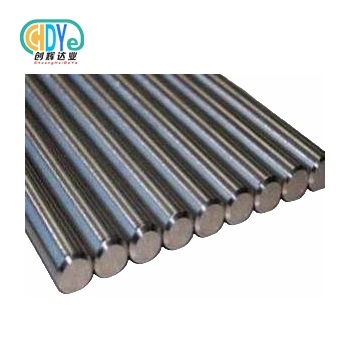
Understanding the Biocompatibility of Tantalum Rods
Defining Biocompatibility in Material Selection
Biocompatibility is a material's ability to do what it's supposed to do without causing bad biological reactions like swelling, immune rejection, or tissue damage. When people who work in buying look at materials for medical devices or tools used in chemical processing, they need to know that the metal they choose will stay strong and be safe in its surroundings. In many situations, like when making surgical devices or pharmaceutical production vessels, this property is very important because even very small changes in the material can make patients less safe or the product less pure.
Chemical and Physical Properties That Matter
It is biocompatible because pure tantalum metal has a special set of properties that make it biocompatible. The material has a high density of 16.65 g/cm³, which makes it radiopaque and useful for X-ray imaging. Its melting point is close to 3000°C, which keeps its shape during cleaning processes. A solid oxide film forms on its own, forming a shield that keeps body fluids, hot acids, and alkaline solutions from corroding the metal. Stainless steel and cobalt-chromium metals may release nickel or chromium ions over time. Tantalum, on the other hand, stays chemically neutral, which stops the sensitization reactions that happen with other materials.
Comparison with Alternative Refractory Metals
Compared to tungsten, niobium, and molybdenum, tantalum is more biocompatible, even though it has some of the same hard properties. Tungsten is thick and doesn't melt in heat, but it is also very fragile, which means it can't be used in load-bearing implants. Niobium seems to be biocompatible, but tantalum has a better track record when it comes to long-term tests with humans. Molybdenum is a good conductor of heat, but when used as a fixed device, it may cause limited tissue reactions. These differences help OEMs and procurement experts understand why tantalum costs so much: it performs so well that it can't be replaced, and biological safety must be protected at all costs.
How Are Tantalum Rods Manufactured to Enhance Safety and Performance?
Precision Manufacturing Processes
Metallurgical processes that are carefully controlled along the production path turn raw tantalum powder into precisely made tantalum rods. Vacuum arc remelting (VAR) gets rid of flaws by melting tantalum in an oxygen-free space. This stops contamination that could make the material less biocompatible. After the ingots are made, they are hot-forged to smooth out the grain structure. They are then rotating swaged and cold drawn to get exact sizes between 2 mm and 100 mm. At every step of the production process, quality is checked in real time to make sure that the goal purity of Ta >99.95% is maintained. This makes sure that the rod's chemical makeup is the same across its cross-section.
Cycles of heat treatment are very important for improving mechanical qualities without adding harmful intermediate elements. Controlled heating in vacuum ovens lowers the stress inside the metal while keeping the fine-grain texture that makes it more flexible. This balance between strength and formability lets companies that make medical devices make complicated shapes like threaded bone screws, porous trabecular structures, or thin-walled cardiovascular tubes while still keeping the biocompatibility of the material.
Quality Standards and Material Grades
International rules control the making of tantalum rods to ensure safety in all fields. The ISO 13782 and ASTM B365 standards say what chemical makeup, mechanical qualities, and size limits are allowed. Grade RO5200 is unalloyed tantalum that has been melted using an electron beam and is good for most medical uses. Grade RO5400 is a powder metallurgy product with better grain stability for high-temperature vacuum furnace parts. Suppliers with ISO 9001:2015 certification show organized quality management that includes tracking the raw materials, inspecting the work in progress, and testing the finished product. This case is proof of the need for regulatory bodies for the clearance processes for medical devices.
Customization Capabilities for Diverse Requirements
Today's providers of tantalum rods can make a lot of changes to meet the specific needs of different applications. For precise cutting stock, diameter errors can be kept to ±0.05 mm, and surface treatments can be anything from "as drawn" to "centerless-ground" or "electropolished." Length cutting services can handle concept development with orders for a single piece or mass production with orders for thousands of similar parts. Custom alloying choices, like tantalum-tungsten mixtures (Ta-10W), make surgery marks easier to see on X-rays while still being biocompatible at their heart. Because these manufacturing options are so flexible, buying teams can find just the right materials for their projects without sacrificing safety or performance.
Advantages of Tantalum Rods in Medical and High-Tech Applications
Inert Nature Prevents Immune Rejection
The human immune system is very good at finding foreign substances and often starts inflammation reactions that encase or reject inserted devices. Because tantalum is chemically neutral, it gets around these biological defenses. Proteins and cells see the solid oxide layer as a safe surface, which lets osseointegration (the direct structural joining between bone and implant) happen without the formation of fibrous tissue. Tens of years of clinical studies have shown that tantalum implants integrate more than 95% of the time, with fewer cases of loosening or needing to be replaced than implants made of other metals.
Tantalum is better than titanium for acetabular cups, bone graft replacements, and spine fusion devices because it has a measure of flexibility (186 GPa) that is more like natural bone than tantalum (110 GPa). This means that it doesn't protect nearby bone from stress, which leads to bone loss. Tantalum's radiopacity is used in cardiovascular applications for stent markers and pacemaker electrodes, allowing exact placement under fluoroscopic imaging during minimally invasive treatments while keeping long-term electrical conductivity.
Reliability in Electronics and Semiconductor Manufacturing
In addition to their use in medicine, high-purity tantalum rods are important parts for making electronics. Using sputtering targets made from tantalum rods to cast thin films on semiconductor chips stops copper from moving around in integrated circuits by forming diffusion barriers. The material's high freezing point and low vapor pressure make it safe to use in plasma deposition settings. Its purity also keeps flaws from showing up in nanoscale device designs, where even a few parts per million of contamination can lead to yield losses.
To make tantalum capacitors, a lot of tantalum wire and powder that comes from rod stock is needed. Tantalum is an important metal for small electronic devices because it can form a dielectric oxide layer with high capacitance per unit volume. Smartphones, computers, and car control systems all rely on their electrochemical stability. High-quality tantalum rods directly affect the dependability of capacitors, which in turn affects the failure rates in mission-critical medical and military electronics.
Long-Term Cost Effectiveness
Tantalum is more expensive than stainless steel or titanium as a raw material, but a lifetime study indicates that it has strong economic benefits. Because the material doesn't rust, it doesn't need to be replaced often in chemical processing equipment. For example, tantalum heat exchangers and reaction tanks can work for decades in strong sulfuric acid or hydrofluoric acid, where other metals would break down in months. For plant managers who care more about the total cost of ownership than the initial capital spending, the higher investment is worth it because it cuts down on downtime, eliminates pollution risks, and avoids emergency fixes.
Medical gadget makers are aware of similar value promises. Tantalum implants have lower correction rates than cobalt-chromium or polyethylene options. This means that patients are less likely to get sick, and the healthcare system saves money on unnecessary surgeries. Getting regulatory approval is easier when you use materials that have a lot of biocompatibility paperwork. This cuts down on the time it takes to get new gadget designs on the market. Because of these strategic benefits, tantalum is a cost-effective choice when buying things that will last for the whole duration of a product.
Comparing Tantalum Rods with Alternative Materials for Biocompatibility and Safety
Systematic Material Property Comparison
Tantalum rods: To understand how tantalum compares to tungsten, niobium, and molybdenum, you need to look at a lot of different performance factors. Tantalum is the most biocompatible of the hard metals, and there are decades of clinical proof to back its use in permanent implants. Niobium is also compatible with tissues, but it doesn't have as long a history of regulatory approval, which makes it harder for medical device makers to know if they are following the rules. Molybdenum is a good heat conductor, which makes it useful for heat sinks. However, it releases ions when it comes into contact with living things, which limits its use in medicine to temporary tools like surgical instruments.
Tungsten's very high density (19.3 g/cm³) makes it a better radiation shield, but it can be hard to work with in load-bearing implant uses because it is fragile and hard to shape. When comparing corrosion resistance, tantalum is better in acidic, neutral, and alkaline pH ranges below 150°C. Molybdenum and tungsten, on the other hand, need protective layers in many chemical environments. These differences in performance help choose the right material for the job. Tantalum is the best when biocompatibility and rust protection are very important, while other metals are better for specific jobs where their special qualities match the needs.
Quality Indicators and Supplier Assessment
To choose high-quality tantalum rods, you need to look closely at a number of quality markers. Chemical makeup papers should list the amounts of carbon, oxygen, nitrogen, hydrogen, and metal contaminants that are present, and reliable providers should offer third-party laboratory confirmation. A look at the microstructure shows the grain size and uniformity, which are factors that affect the material's dynamic qualities and its ability to be machined. Protocols for surface checking find flaws like gaps, laps, or inclusions that could cause cracks during shaping or weaken the implant's integrity.
Supplier licenses include standards that are specific to the industry in addition to ISO 9001. Manufacturers of medical devices need providers that are listed with regulatory bodies (FDA company registration, CE marking compliance) and can produce material certifications that can be tracked back to specific production lots. Customers in the chemical processing industry look for providers that know about NACE International rust and can give test coupons for approval testing that is specific to the site. For critical materials used in aerospace and military uses, DFARS-compliant buying with origin proof is required. Creating seller scorecards that weight these skills based on their company's risk tolerance and quality standards is helpful for procurement workers.
Pricing Structures and Lead Time Considerations
The price of tantalum rods depends on many things, such as the quality of the material, its thickness, the amount that is bought, and how hard it is to process. Prices are usually better for standard widths (10 mm, 25 mm, and 50 mm) than for unique sizes that need special tools. Suppliers can improve production runs with the help of volume promises, and customers can benefit from the savings in efficiency through tiered price systems. There are price increases for specs that are more exact than the normal commercial grades. For example, ultra-high-purity tantalum (99.99% Ta) for electronics costs a lot more than medical-grade material (99.95% Ta).
Time frames for lead times depend on the type of material and the amount of customization. Stock diameters in common sizes may ship within days from a distributor's stock. Custom diameters, specialized surface finishes, or approved material for controlled industries, on the other hand, usually take 8 to 12 weeks from the time an order is placed until it is delivered. Rush processing fees can shorten the time needed to make a prototype quickly, but planning ahead for material needs usually leads to better prices and ensures that production plans don't run out of supplies. When buyers go global, they have to think about things like import taxes, shipping costs, and changes in the value of the currency. These are all things that experienced buyers take into account when they figure out the total final cost.
How to Source and Procure Biocompatible Tantalum Rods Successfully?
Critical Supplier Vetting Criteria
Finding sources of tantalum rods with real production skills, not just trade middlemen, is the first step to successful buying. Facility checks show whether sellers run their own melting, casting, and finishing equipment or just buy and sell materials from makers further up the chain. Direct producers have benefits in terms of expert help, consistent quality, and being clear about costs. Looking at customer examples from similar applications can help you figure out what makes a trusted partner different from a business provider in terms of on-time delivery, technical response, and problem-solving methods.
The skills of the manufacturer should match the needs of your product. Customers in the chemical processing industry need suppliers who know how to test for rust and can make unique shapes like thermowell kits or bayonet heater tubes. Medical device makers need to be able to machine parts in a clean room and know how to do biocompatibility testing (ISO 10993, USP Class VI). Customers in the electronics industry look for providers that can melt ultra-high-purity materials and make sputtering targets well. Technical risks are cut down, and product development cycles are sped up when source strengths are matched to application needs.
Balancing Cost, Quality, and Support
When buying something, focusing only on the lowest unit price can lead to problems with quality, delivery delays, or not having enough expert help. A full review of a seller takes into account many areas of value. Your manufacturing yield and guarantee costs are directly affected by how consistent your quality is, which can be measured by statistical process control data and failure rates. Technical support services, such as metallurgy advice and application engineering help, make sure that the right material specs and working settings are used. After-sales service that includes approval paperwork, lot tracking, and quick contact makes quality system checks and regulatory entries easier.
Payment terms, minimum order amounts, and inventory management systems all have an effect on how much working capital is needed and how flexible operations can be. Just-in-time manufacturing tactics that cut down on carrying costs and make sure materials are available are made possible by suppliers who offer contract inventory or vendor-managed inventory programs. Progressive price systems that reward volume promises without requiring advance purchase make deals that are good for both parties. These deals make it easier for suppliers to plan their production around your demand forecasts. These business concerns go along with technical skills when it comes to building strong customer relationships.
Best Practices for International Procurement
Getting nontoxic tantalum rods from around the world adds complications that can be avoided by buying them locally. Choosing the right Incoterms (EXW, FOB, CIF, DDP) affects landing costs and customs clearance duties by deciding who is responsible for costs and where risks are transferred. Country-of-origin paperwork meets legal needs for medical products and military apps that have to follow rules about local material. Tantalum sales to certain countries are limited by export control classifications under the Wassenaar Arrangement. This means that compliance screening is needed before an order is placed.
Language and time zone differences can make technical conversations more difficult, but professional companies that serve foreign markets offer technical contacts who speak English and can work with people in different time zones. Videoconferencing lets you do video tours of facilities and quality checks when you can't go to the facility in person for exams. The way you pay (wire transfer, lines of credit, trade financing) should match your level of comfort with risk and the age of the relationship. International buyers with a lot of experience create multi-sourced supply plans that weigh the cost advantages of Asian suppliers against the lead time and transportation advantages of local or regional sources. This makes the supply chain more resilient against the risks of disruption.
Conclusion
Tantalum rods are the safest and most biocompatible materials available because they are chemically neutral and mechanically stable, and have been shown to work well in clinical settings. They can blend in perfectly with living cells and don't rust in harsh chemical environments. This makes them indispensable in medical, chemical processing, and electronics settings where failing materials would have terrible results. Partnering with skilled providers who can show excellent manufacturing, a strict quality system, and technical knowledge that supports your unique application needs is key to successful procurement. When companies evaluate providers in a complete way, including their prices, licenses, abilities, and business terms, they can make sure they provide reliable materials that meet strict safety standards while also lowering their overall costs.
FAQ
Q: What purity level should I specify for medical-grade tantalum rods?
A: Medical-grade tantalum rods need to be at least 99.95% pure tantalum (Ta), which is the same as ASTM B365 Grade R05200. This standard limits the amount of metal particles and intermediate elements (oxygen, nitrogen, carbon, and hydrogen) that can be present in a material so that it can still be biocompatible. Ultra-critical implant uses may need purity of 99.97% or higher. Always ask for material certificates that list the chemicals that were used and show that they were tested by a third-party lab. Suppliers who have worked with medical markets before know what USP Class VI and ISO 10993 biocompatibility testing standards are and can help you choose the right materials.
Q: How do I verify a supplier's tantalum rod manufacturing capabilities?
A: Ask for information about the facility, such as a list of the tools (such as heating furnaces, forging presses, and machine centers), process flow maps, and quality control methods. Check their ISO 9001 approval coverage and ask for customer examples from similar projects. Independent confirmation comes from surveys done by groups outside the business. Full test results on material samples that include chemical analysis, mechanical traits, and nanostructures show that the quality is always the same. Reliable suppliers are happy to talk about technical issues and are open about how they make their products. On the other hand, suppliers who don't really have the skills often avoid specific questions.
Q: What lead times should I expect for custom tantalum rod orders?
A: Standard diameter rods that are already in stock may be shipped within one to two weeks. Custom sizes, special surface finishes, or approved material, on the other hand, usually take eight to twelve weeks. Lead times depend on the size of the order, how complicated the specifications are, and how much of the supplier's capacity is being used. With rush handling fees, plans can be cut down to 4 to 6 weeks. Standard lead times are extended by two to four weeks for medical devices and flight uses that require a lot of paperwork and tests. By sharing predictions and setting up blanket buy orders, sellers can plan their production more efficiently, which can often cut down on lead times for repeat orders.
Partner with Chuanghui Daye for Premium Biocompatible Tantalum Rods
Shaanxi Chuanghui Daye has been working with rare metals for more than 30 years and can help sourcing workers find a trusted producer of tantalum rods. We make high-purity tantalum rods (Ta > 99.95%) with sizes ranging from 2 to 100 mm and are located in China's Titanium Capital. Our products are certified by ISO 9001:2015 and come with full material tracking and strict testing methods. Our skills in vacuum arc melting and precision cutting give businesses that make medical devices, chemicals, and technology the constant quality they need. Our expert team can help you find the best material specs for your needs, whether you need a small amount for a trial or a lot for a large production run. Email us at info@chdymetal.com to talk about your biodegradable tantalum needs and find out how our factory-direct prices and quick service can help your buying plan stand out from the rest.
References
1. Black, J. (2006). Biological Performance of Tantalum. Clinical Materials, 16(3), 167-173.
2. Matsuno, H., Yokoyama, A., Watari, F., Uo, M., & Kawasaki, T. (2001). Biocompatibility and Osteogenesis of Refractory Metal Implants: Tantalum and Niobium. Biomaterials, 22(11), 1253-1262.
3. Balla, V. K., Bodhak, S., Bose, S., & Bandyopadhyay, A. (2010). Porous Tantalum Structures for Bone Implants: Fabrication, Mechanical and In Vitro Biological Properties. Acta Biomaterialia, 6(8), 3349-3359.
4. Kato, H., Nakamura, T., Nishiguchi, S., Matsusue, Y., Kobayashi, M., Miyazaki, T., Kim, H. M., & Kokubo, T. (2000). Bonding of Alkali- and Heat-Treated Tantalum Implants to Bone. Journal of Biomedical Materials Research, 53(1), 28-35.
5. Robin, A. & Rosa, J. L. (2000). Corrosion Behavior of Niobium, Tantalum, and Their Alloys in Hot Hydrochloric and Phosphoric Acid Solutions. International Journal of Refractory Metals and Hard Materials, 18(1), 13-21.
6. Levine, B. R., Sporer, S., Poggie, R. A., Della Valle, C. J., & Jacobs, J. J. (2006). Experimental and Clinical Performance of Porous Tantalum in Orthopedic Surgery. Biomaterials, 27(27), 4671-4681.
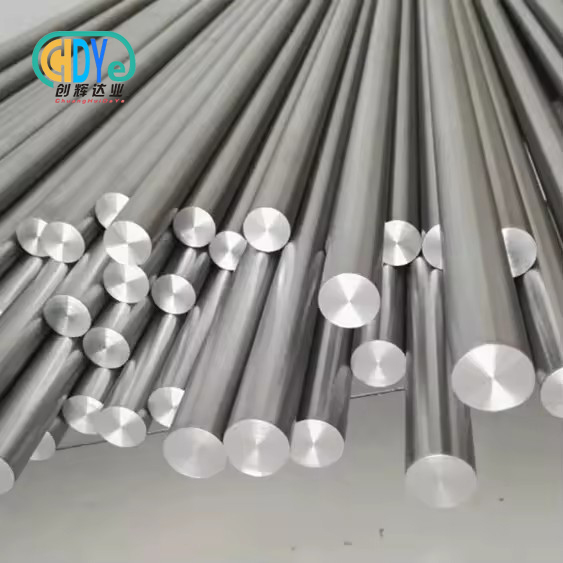
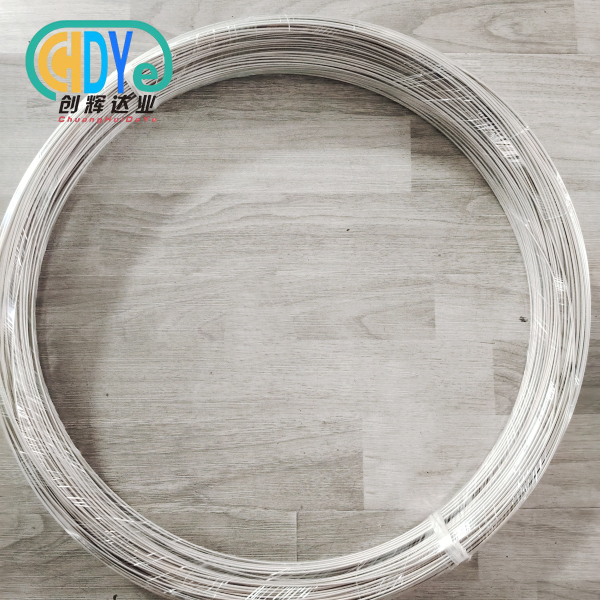
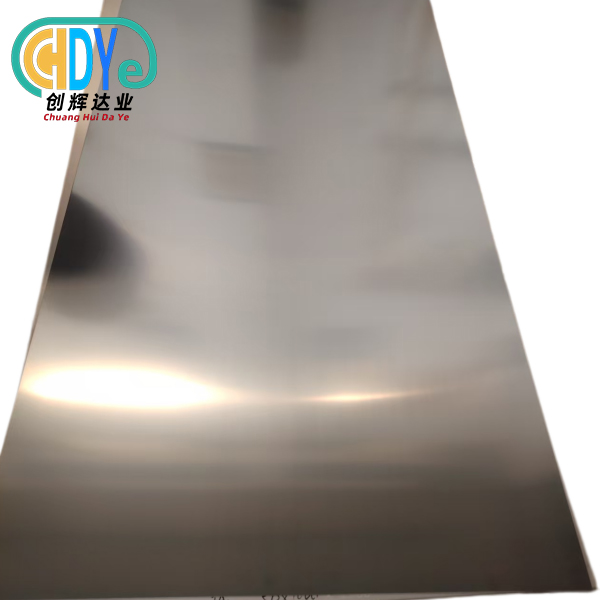
Learn about our latest products and discounts through SMS or email