- English
- French
- German
- Portuguese
- Spanish
- Russian
- Japanese
- Korean
- Arabic
- Greek
- German
- Turkish
- Italian
- Danish
- Romanian
- Indonesian
- Czech
- Afrikaans
- Swedish
- Polish
- Basque
- Catalan
- Esperanto
- Hindi
- Lao
- Albanian
- Amharic
- Armenian
- Azerbaijani
- Belarusian
- Bengali
- Bosnian
- Bulgarian
- Cebuano
- Chichewa
- Corsican
- Croatian
- Dutch
- Estonian
- Filipino
- Finnish
- Frisian
- Galician
- Georgian
- Gujarati
- Haitian
- Hausa
- Hawaiian
- Hebrew
- Hmong
- Hungarian
- Icelandic
- Igbo
- Javanese
- Kannada
- Kazakh
- Khmer
- Kurdish
- Kyrgyz
- Latin
- Latvian
- Lithuanian
- Luxembou..
- Macedonian
- Malagasy
- Malay
- Malayalam
- Maltese
- Maori
- Marathi
- Mongolian
- Burmese
- Nepali
- Norwegian
- Pashto
- Persian
- Punjabi
- Serbian
- Sesotho
- Sinhala
- Slovak
- Slovenian
- Somali
- Samoan
- Scots Gaelic
- Shona
- Sindhi
- Sundanese
- Swahili
- Tajik
- Tamil
- Telugu
- Thai
- Ukrainian
- Urdu
- Uzbek
- Vietnamese
- Welsh
- Xhosa
- Yiddish
- Yoruba
- Zulu
Why Titanium Plates Are Ideal for Long-Term Performance?
Titanium plates are known for being one of the most reliable materials for keeping up with long-term industry performance in many fields. Their unique mix of low weight, high resistance to rust, and unmatched strength-to-weight ratio makes them essential in situations where longevity is key. These flat-rolled titanium goods always work better than traditional metals because they last longer, require less upkeep, and are lighter. They can be used to make aircraft parts, chemical processing equipment, or medical devices. As someone who has worked in the rare metals business for more than 30 years, I can say that titanium plate solutions turn difficult technical problems into solid, cost-effective solutions that last.
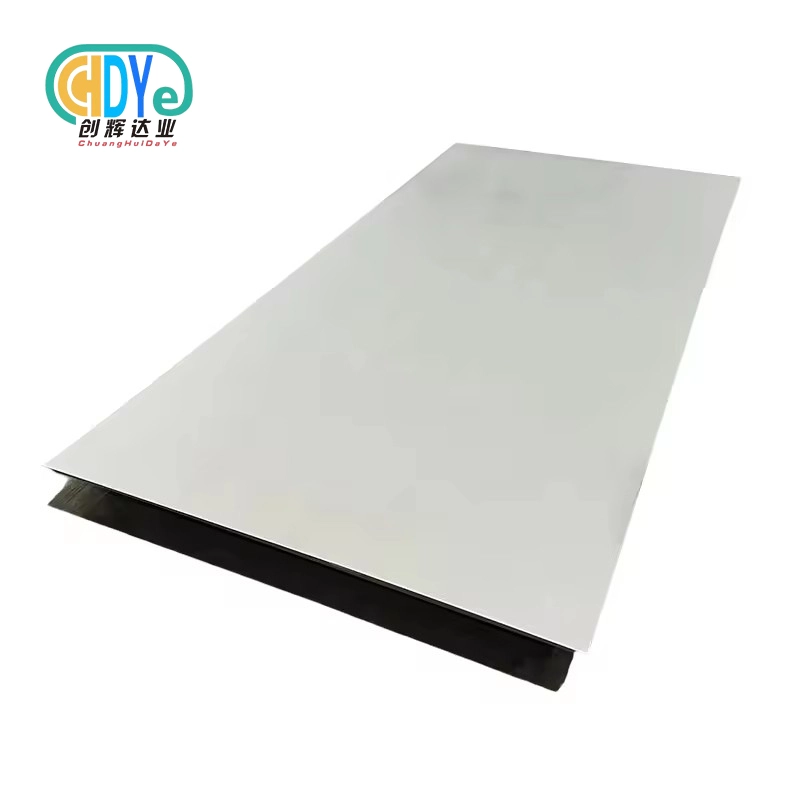
Understanding the Core Properties of Titanium Plates
Understanding the basic differences between titanium and other materials is important for making smart purchasing decisions when looking at materials for tough jobs.
Superior Strength Combined with Minimal Weight
Titanium has a mass of about 4.51 g/cm³, which makes it about 45% lighter than steel while keeping the same or higher amounts of strength. Because of its high specific strength, engineers can make structures lighter without lowering their load-bearing ability. In aircraft uses, this directly means more carrying room and better fuel economy. Titanium alloy Grade 5 (Ti-6Al-4V) has a tensile strength of over 895 MPa, while commercially pure (CP) grades have tensile strengths between 240 and 550 MPa. This means that the qualities of the material can be easily matched to performance needs.
Exceptional Corrosion Resistance Through Passive Oxide Formation
Titanium's great resilience comes from a steady layer of titanium dioxide (TiO₂) that forms on its surface on its own. When this protective film gets broken, it grows back right away, protecting against strong substances like seawater, chlorides, and most oxidizing acids. Instead of rusting in chloride-rich environments like stainless steel, titanium remains strong in naval settings for decades without breaking down. Chemical processing plants benefit significantly from this feature because it prevents major failures and costly downtime caused by rust-related part failures.
Diverse Grade Options for Precise Application Matching
Titanium types have a wide range of performance levels because different industries need different material properties. Grade 1 is the most flexible and moderately strong, so it can be used for deep drawing and complicated shapes. Grade 2 is the most common type of pure titanium. It is strong and doesn't rust, making it ideal for general industrial use. The best choice for aircraft structural parts is Grade 5 metal, which has the highest strength and best performance at high temperatures. By knowing these differences, buying experts can choose the best materials, avoiding over-specification that drives up costs needlessly while still making sure that all performance standards are met.
How Do Titanium Plates Solve Long-Term Challenges in Industrial Applications?
Long-term dependability is an important selection factor because materials are often put through hard situations in the real world that speed up decline.
Outstanding Performance in Hostile Chemical Environments
Equipment used in chemical handling is constantly exposed to substances that eat away at metals quickly. Titanium plates can withstand most acids, alkalis, and organic substances, so they keep their shape and dynamic qualities for long periods of time. A chemical company that recently switched from stainless steel heat exchanger plates to titanium ones saw its service life increase from 3 to 5 years to over 15 years. This means that they don't have to be changed as often, which means that production doesn't have to stop. The total cost of ownership study showed big savings even though the original material investment was higher. This shows that choosing reliability over appearance is a smart economic move.
Reliable Structural Performance in Extreme Temperatures
Changes in temperature put stress on materials and could damage their mechanical features, making them less effective. Titanium alloys keep their structural integrity over a wide temperature range. Depending on the metal makeup, some types can work successfully up to 400°C to 600°C. In aircraft uses, where parts are heated and cooled many times over the course of their useful life, this temperature stability is especially useful. The low thermal expansion coefficient of the material keeps its shape when the temperature changes, which lowers the risk of fit issues and seal failures that happen with materials that expand more quickly.
Minimized Maintenance Requirements and Operational Disruptions
When industrial operations have to shut down equipment for repair, it costs a lot and lowers efficiency and income. Titanium fabrications naturally last a long time, which means that they don't need to be inspected or repaired as often. Titanium plates in marine structures don't need much in the way of protective coverings or care other than regular cleaning. This is in stark contrast to steel structures, which need to be constantly inspected, and steps need to be taken to prevent rusting. Over the course of 20 years, the difference in upkeep costs often outweighs the original material price. This makes titanium the smart choice for long-term applications from a financial point of view.
Selecting the Right Titanium Plate: Grades, Thickness, and Specifications
For a project to be successful, the right materials must be chosen based on specific performance needs and operating conditions. The best design development is guided by the following factors.
Matching Grade Properties to Application Demands
Each type of titanium has different chemical protection and mechanical qualities that make it useful for different tasks. For internal parts, medical device makers usually choose Grade 23 (Ti-6Al-4V ELI, Extra-Low Interstitial) because it is better at integrating with the body and not wearing down easily. Grade 5 is often used by aerospace companies for wing parts that need to be strong and resistant to rust. When making tanks and pipes for chemical processing plants, manufacturers often choose Grade 2 because it is more rust-resistant than it is strong. At Chuanghui Daye, we keep large stocks of different-grade materials and offer expert advice to help clients find the best material for their needs.
Determining Appropriate Thickness for Structural Requirements
Plate width has a direct effect on how well a structure works, how hard it is to make, and how much the job costs. When weight is important, thinner sizes are better, and they also make things easier. On the other hand, bigger parts are more rigid and can hold more weight. When parts don't fit together properly, it can affect the quality of the assembly and how well it works. This makes dimension tolerances even more important. Thickness standards of within ±0.025 mm are often required for aerospace OEM projects to make sure that parts can be swapped out correctly and that aerodynamic shapes are kept. At Chuanghui Daye, we have advanced rolling capabilities that let us make titanium plates that are as thin as foils or as thick as structural sections while keeping the dimensions constant and meeting ASTM B265 standards.
Implementing Best Practices for Machining and Fabrication
Because titanium has special properties, it needs special ways to be made so that the material's properties are kept, and waste is kept to a minimum. Choose the right cutting tools, use the right amount of coolant, and set the right feed rates to keep the work from stiffening and get a clean edge. To get the material qualities you want without damaging the microstructure, heat treatment methods must be carefully managed. Working with makers who know how to work with titanium ensures that the parts they make meet standards and make the best use of the material. Our factory in Baoji—China's Titanium Capital—has precision lathes and advanced cutting systems that are especially set up for working with titanium. This lets us make unique parts that meet the strictest standards for size and finish.
Procurement Insights: Finding Quality Titanium Plate Suppliers and Making Smart Purchases
Strategic source selection has a big effect on the success of a project through the quality of the materials, the dependability of delivery, and the quality of the expert support.
Evaluating Supplier Credentials and Quality Systems
Titanium producers with a good reputation have strict quality control systems that are approved to meet international standards. Having ISO 9001:2015 approval means that the whole production chain is controlled in a planned way, that improvements are always being made, and that quality methods are written down. The ISO 9001:2015 approval that we have at Shaanxi Chuanghui Daye Metal Material Co., Ltd. shows that we have full control over quality, from inspecting the raw materials to melting, casting, rolling, cutting, and final inspection. This organized method makes sure that the features of the materials are always the same, and it gives buying managers all the proof they need for important uses. Leading providers in the Baoji region have access to a lot of knowledge, well-established supply chains, and specialized production equipment that make it easy to make high-quality titanium plates.
Understanding Cost Drivers and Negotiation Strategies
Titanium prices depend on a lot of things, like how much the raw materials cost, how complicated the grade is, how much is made, and what certifications are needed. Because they are easier to make and have fewer alloying elements, Commercially Pure (CP) grades usually cost less than high-performance metals. When producers get better at organizing and reducing the number of times they need to set up, they can get better prices when they commit to buying in bulk. Custom specs that need extra testing, specific measurements, or fast delivery usually come with higher prices to cover the extra steps needed to handle them and move them up in the schedule. Transparent contact with providers about project needs, expected volume, and flexible scheduling allows for group problem-solving that finds ways to cut costs while keeping quality standards.
Building Strategic Long-Term Supplier Relationships
For titanium plates, building long-term relationships with dependable titanium providers has benefits that go beyond individual purchases. Suppliers who are consistent get to know their clients' needs, quality standards, and application requirements very well. This lets them spot possible problems early and suggest ways to make things better. Long-term relationships make it easier to get special treatment when there aren't enough resources, and they also help people work together to come up with custom solutions that meet changing needs. When providers see clients as valuable partners instead of just occasional customers, they are more likely to provide quick access to technical help. At Chuanghui Daye, our dedication to the customer-first philosophy means that we put time and effort into learning how our clients' businesses work, guessing what their needs will be in the future, and giving them advice that improves the results of their projects and their success as a whole.
Future-Proofing Your Industrial Projects with Titanium Plates
Companies can stay ahead of the competition in fast-changing markets by predicting how their industries will change and using new materials.
Emerging Alloy Developments and Application Expansion
A metallurgical study that is still ongoing is improving the properties of titanium alloys, which allows for more uses. New alloys are focusing on making them stronger at high temperatures, easier to shape, and cheaper to make by finding the best ratios. As the need to make cars lighter grows, more and more automakers are choosing titanium for exhaust systems, suspension parts, and structural supports. In the renewable energy sector, titanium is used in geothermal heat exchanges, offshore wind structures, and hydrogen generation equipment because it doesn't rust and lasts a long time. For procurement managers, staying up to date on these changes helps them find chances to use different materials that improve performance and lower lifetime costs.
Sustainability Advantages Supporting Corporate Responsibility Goals
As companies try to meet green goals and meet the needs of stakeholders, environmental responsibility is becoming more and more important in their purchasing decisions. Titanium's high toughness makes parts last longer, which means they don't need to be replaced as often and use fewer resources. The material can be completely recycled, so it can be recovered and used again without losing any of its properties. This supports the ideas of the circular economy. Although they require a lot of energy to make at first, they don't need to be maintained for decades, which makes their lifetime environmental profiles better than those of alternatives that are often changed. These traits make it possible for buying decisions to align with businesses' social responsibility efforts while also providing real, practical benefits. This creates value alignment across multiple company priorities.
Strategic Procurement Approaches for Supply Security
Problems in the global supply chain have shown how important it is to have strong buying methods that keep materials available even when problems arise outside the company. Spreading out your ties with suppliers across different areas lowers the risk of concentration and gives you more supply choices when things go wrong in one region. Setting up a framework that deals with clear specs, open number limits, and clear price methods makes buying more predictable while still allowing for flexibility in meeting changing needs. Keeping extra long-lead things in stock guards against supply problems without requiring too much cash. At Chuanghui Daye, our position in Baoji gives us access to a lot of infrastructure for the titanium industry and a lot of different sources of raw materials. This means that we can reliably fill orders around the world, even when the market isn't doing well.
Conclusion
Titanium plates offer the best long-term performance because they are resistant to rust, have a higher strength-to-weight ratio, and have been proven to last in challenging situations. These materials regularly perform better than traditional options by increasing service life and lowering total ownership costs. They are used in everything from airplane structures to chemical processing equipment and medical devices. To make implementation work, you need to carefully choose the grade, be very specific with your requirements, and work with qualified sources who can provide consistent quality and technical knowledge. As the needs of industry change to require lighter structures, longer service intervals, and better sustainability, titanium plate solutions give forward-thinking companies a competitive edge and help them do their best work in settings that are getting harder to work in.
FAQ
Q: Which industries commonly use titanium plate materials?
A: For parts of the chassis, engines, and landing gear that need to be strong and resistant to rust, aerospace makers require titanium plates. Chemical processing plants use these materials for reactor tanks, heat exchanges, and pipe systems that are exposed to harsh media. Companies that make medical devices use biocompatible titanium types to manufacture surgical tools and joint implants. Marine uses include ship sections, motor shafts, and parts of remote platforms that don't require protection from saltwater. Automakers are using titanium more and more for speed exhaust systems and structure-lightening projects.
Q: How does titanium's corrosion resistance compare to stainless steel's?
A: Titanium does much better than stainless steel in places where salt is present, where stainless steel grades rust and pit in cracks. The stable titanium dioxide passive layer protects better than chromium oxide films that cover stainless steel over a wider pH range and at higher temperatures. While cheaper than titanium, stainless steel works well enough in many situations. However, titanium is a better material for harsh environments where long-term dependability without upkeep is most important.
Q: Can titanium plates be customized to specific thickness and surface finish requirements?
A: Titanium plates with exact thickness tolerances, surface finish standards, and measurement requirements for unique uses are regularly produced by certified makers. Advanced rolling skills let you control the width within very small ranges, and surface finishing methods meet a wide range of needs, from a mill finish to a polished or chemically treated surface. Custom cutting, making, and turning services turn standard plates into finished parts that are ready to be put together. This speeds up the buying process and lowers the amount of manufacturing that clients have to do.
Partner with Chuanghui Daye for Premium Titanium Plate Solutions
The Shaanxi Chuanghui Daye Metal Material Co., Ltd. is ready to help you with your important projects by making approved titanium plates to the highest standards in China's Titanium Capital. The ISO 9001:2015 quality system makes sure that strict control is used throughout production, resulting in reliable materials with full paperwork for their origin. No matter if you need Commercially Pure (CP) grades or high-performance alloys, standard sizes, or unique fabrications, our expert team can help you in a way that fits your needs. As a provider of titanium plates with more than 30 years of experience in rare metals, we can offer affordable factory-direct prices, the ability to make small batches on demand, and quick shipping for projects that need to be done right away. Email us at info@chdymetal.com to talk about your needs and find out how our titanium plate options can help your project succeed.
References
1. Boyer, R., Welsch, G., & Collings, E.W. (1994). Materials Properties Handbook: Titanium Alloys. ASM International, Materials Park, Ohio.
2. Donachie, M.J. (2000). Titanium: A Technical Guide, 2nd Edition. ASM International, Materials Park, Ohio.
3. Lutjering, G., & Williams, J.C. (2007). Titanium: Engineering Materials and Processes, 2nd Edition. Springer-Verlag, Berlin Heidelberg.
4. Peters, M., Kumpfert, J., Ward, C.H., & Leyens, C. (2003). Titanium Alloys for Aerospace Applications. Advanced Engineering Materials, Volume 5, Issue 6.
5. Schutz, R.W., & Watkins, H.B. (1998). Recent Developments in Titanium Alloy Application in the Energy Industry. Materials Science and Engineering A, Volume 243, Issues 1-2.
6. ASTM International (2020). ASTM B265-20: Standard Specification for Titanium and Titanium Alloy Strip, Sheet, and Plate. West Conshohocken, Pennsylvania.
Learn about our latest products and discounts through SMS or email