- English
- French
- German
- Portuguese
- Spanish
- Russian
- Japanese
- Korean
- Arabic
- Greek
- German
- Turkish
- Italian
- Danish
- Romanian
- Indonesian
- Czech
- Afrikaans
- Swedish
- Polish
- Basque
- Catalan
- Esperanto
- Hindi
- Lao
- Albanian
- Amharic
- Armenian
- Azerbaijani
- Belarusian
- Bengali
- Bosnian
- Bulgarian
- Cebuano
- Chichewa
- Corsican
- Croatian
- Dutch
- Estonian
- Filipino
- Finnish
- Frisian
- Galician
- Georgian
- Gujarati
- Haitian
- Hausa
- Hawaiian
- Hebrew
- Hmong
- Hungarian
- Icelandic
- Igbo
- Javanese
- Kannada
- Kazakh
- Khmer
- Kurdish
- Kyrgyz
- Latin
- Latvian
- Lithuanian
- Luxembou..
- Macedonian
- Malagasy
- Malay
- Malayalam
- Maltese
- Maori
- Marathi
- Mongolian
- Burmese
- Nepali
- Norwegian
- Pashto
- Persian
- Punjabi
- Serbian
- Sesotho
- Sinhala
- Slovak
- Slovenian
- Somali
- Samoan
- Scots Gaelic
- Shona
- Sindhi
- Sundanese
- Swahili
- Tajik
- Tamil
- Telugu
- Thai
- Ukrainian
- Urdu
- Uzbek
- Vietnamese
- Welsh
- Xhosa
- Yiddish
- Yoruba
- Zulu
The Role of Titanium Alloy Plates in Medical Device Manufacturing
The Role of Titanium Alloy Plates in Medical Device Manufacturing represents a critical intersection of materials science and healthcare innovation. Titanium alloy plate technology has revolutionized medical device design by providing superior biocompatibility, exceptional strength-to-weight ratios, and outstanding corrosion resistance. These engineered materials, particularly grades like Ti-6Al-4V and Grade 2 titanium, have become essential components in orthopedic implants, dental devices, and surgical instruments, fundamentally transforming patient outcomes and device longevity across the medical industry.
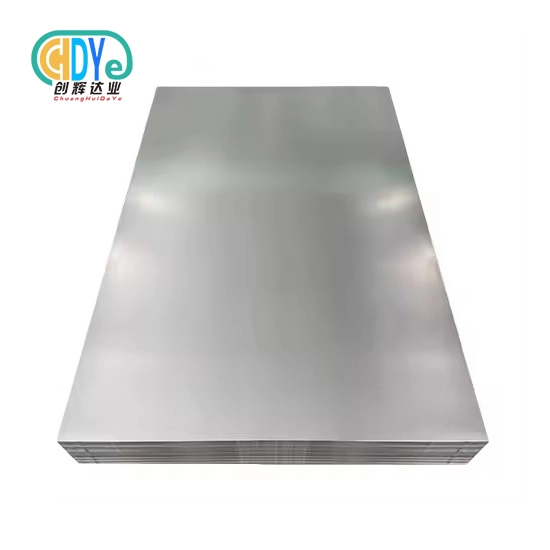
Understanding Titanium Alloy Plates in Medical Devices
Titanium alloy plates represent a sophisticated evolution from pure titanium materials, incorporating carefully selected alloying elements to enhance performance characteristics crucial for medical applications. The composition typically includes titanium as the base metal combined with aluminum, vanadium, or other elements to create materials with superior mechanical properties.
Composition and Grade Classifications
The restorative gadget industry depends intensely on particular titanium grades that meet exacting biocompatibility requirements. Review 2 titanium, known as commercially immaculate titanium, offers great erosion resistance and formability. Review 5 (Ti-6Al-4V) contains 6% aluminum and 4% vanadium, giving improved quality and toughness. Review 23 speaks to a low-interstitial form of Review 5, particularly planned for embed applications.
These titanium alloy plate producers select materials based on particular application necessities. Review 7 joins palladium for upgraded erosion resistance in challenging situations, whereas Review 12 offers made strides in quality through molybdenum and nickel increases. Each review keeps up the crucial biocompatibility that makes titanium appropriate for human implantation.
Microstructural Properties and Performance
The microstructure of titanium amalgam plates specifically impacts their execution in restorative applications. Alpha-beta titanium amalgams like Ti-6Al-4V show a dual-phase structure that gives an ideal balance of quality and ductility. This microstructural setup empowers amazing weakness resistance, vital for inserts subjected to cyclic stacking conditions.
Heat treatment forms essentially influence the mechanical properties of titanium combination plates. Arrangement treatment taken after maturing can optimize malleable quality, abdicate quality, and prolongation characteristics. These controlled warm forms guarantee steady execution over diverse plate thicknesses and measurements, extending from 0.5mm to 50mm thickness with widths amplifying up to 3000mm.
The crystalline structure of titanium combinations contributes to their extraordinary biocompatibility. The arrangement of a steady oxide layer on the surface avoids unfavorable responses with organic tissues, while maintaining auxiliary judgment over extended periods. This normal passivation process dispenses with the requirement for extra surface medications in numerous applications.
Applications of Titanium Alloy Plates in Medical Device Manufacturing
Medical device applications for titanium alloy plates span across multiple healthcare sectors, each benefiting from the unique properties these materials provide. The versatility and performance characteristics make them indispensable in modern medical technology.
Orthopedic Implant Systems
Orthopedic applications speak to the biggest showcase section for titanium combination plates in therapeutic gadgets. Bone obsession plates made from Ti-6Al-4V illustrate predominant mechanical properties compared to conventional stainless steel options. These plates give a steady break while permitting characteristic bone remodeling forms to occur.
Spinal combination frameworks broadly utilize titanium amalgam plates for their capacity to coordinate with bone tissue through osseointegration. The modulus of versatility of titanium combinations closely matches that of human bone, lessening stretch and protecting against impacts that can lead to bone resorption. This mechanical compatibility advances long-term embed solidness and persistent comfort.
Joint substitution components advantage from the wear resistance and erosion properties of titanium combinations. Hip and knee embed stems fabricated from these materials illustrate an uncommon life span in clinical applications. The lightweight nature of titanium diminishes overall mass, contributing to advanced quiet portability and decreased recovery times.
Dental and Maxillofacial Applications
Dental embed fabricating depends intensely on titanium amalgam plates for making customized prosthetic arrangements. The biocompatibility of these materials empowers coordinated contact with verbal tissues without activating provocative reactions. Dental embed posts, projections, and reconstruction plates keep up auxiliary judgment in the challenging verbal environment.
Maxillofacial remaking applications utilize titanium amalgam plates for injury repair and intrinsic imperfection adjustment. These plates can be absolutely formed to coordinate anatomical requirements, while giving adequate quality for useful stacking. The erosion resistance guarantees long-term soundness in the presence of substantial liquids and shifting pH conditions.
Surgical Instrumentation
Surgical titanium alloy plates from titanium amalgam plates offer predominant execution characteristics compared to ordinary stainless steel instruments. The non-magnetic properties avoid obstructions with attractive reverberation imaging strategies, permitting specialists to take off rebellious in put amid imaging sequences.
The lightweight nature of titanium diminishes specialist weariness during long methods while maintaining vital quality and exactness. Surgical scissors, forceps, and specialized microsurgical rebellious advantage from the fabulous edge maintenance and erosion resistance of titanium alloys.
Comparing Titanium Alloy Plates with Other Materials in Medical Manufacturing
Material selection in medical device manufacturing requires careful consideration of multiple performance factors, regulatory requirements, and cost considerations. Understanding how titanium alloy plates compare to alternative materials guides optimal design decisions.
Titanium Alloys versus Stainless Steel
Stainless steel has generally ruled therapeutic gadget fmanufacturingdue to its accessibility and cost-effectiveness. In any case, titanium combinations offer noteworthy points of interest in biocompatibility and mechanical properties. The chromium substance in stainless steel can cause unfavorably susceptible responses in delicate patients, whereas titanium illustrates fabulous tissue compatibility.
The strength-to-weight proportion of titanium amalgams essentially surpasses that of stainless steel, empowering lighter embed plans without compromising auxiliary judgment. This weight diminishment becomes especially critical in spinal implants and expansive orthopedic gadgets where quiet comfort and versatility are essential concerns.
Corrosion resistance speaks to another basic advantage of titanium amalgams. Whereas stainless steel can involve setting erosion in chloride-rich situations, titanium actually forms a steady oxide layer that gives prevalent assurance. This improved erosion resistance translates to moving forward with long-term embed execution and decreased amendment surgery requirements.
Titanium Alloys versus Cobalt-Chromium Alloys
Cobalt-chromium combinations offer fabulous wear resistance and quality characteristics, making them suitable for high-stress applications like joint substitutions. In any case, concerns about cobalt particle discharge and potential systemic impacts have expanded interest in titanium alternatives.
Recent clinical studies have reported elevated cobalt levels in patients with cobalt-chromium inserts, raising questions around long-term security. Titanium amalgams dispense with these concerns, while giving comparable mechanical properties through optimized amalgam compositions and warm treatment processes.
The machinability of titanium combinations has made strides essentially through progressed fabricating strategies and tooling advancements. Advanced CNC machining centers can accomplish exact resistances and surface wraps required for restorative gadget applications, while keeping up cost-effectiveness.
Selection Criteria for Medical Applications
Choosing the fitting titanium combination review requires assessment of particular application necessities, administrative compliance, and manufacturing considerations. Embed applications regularly favor Review 23 (Ti-6Al-4V ELI) for its improved biocompatibility and mechanical properties.
Surgical rebels may utilize Review 2 titanium for its amazing formability and erosion resistance, especially in applications requiring complex geometries. The choice handle must consider ASTM benchmarks counting ASTM F67, ASTM F136, and ISO-5832 details for therapeutic applications.
Procurement Considerations for Titanium Alloy Plates in Medical Manufacturing
Successful procurement of titanium alloy plates for medical applications requires understanding complex quality requirements, certification processes, and supplier capabilities. Medical device manufacturers must navigate stringent regulatory environments while maintaining cost-effectiveness and delivery schedules.
Quality Standards and Certifications
Medical gadget applications require compliance with different worldwide benchmarks overseeing fabric properties, manufacturing forms, and quality control strategies. ASTM B265/ASME SB265 determinations characterize dimensional resistances and mechanical properties for titanium plates. ASTM F67 and ASTM F136 particularly address restorative embed applications with improved immaculateness requirements.
ISO-5832 guidelines give extra direction for embed materials, including chemical composition limits and mechanical property requirements. Providers must keep up comprehensive documentation counting process test certificates, chemical examination reports, and mechanical test results for each generation batch.
The FDA's Quality Framework Control (QSR) requires therapeutic device producers to approve their suppliers through comprehensive examination forms. This approval incorporates evaluation of fabricating capabilities, quality control frameworks, and administrative compliance history.
Supplier Evaluation and Selection
Evaluating titanium amalgam plate providers requires evaluation of numerous criteria beyond fundamental fabric details. Fabricating capabilities must incorporate fitting dissolving forms, regularly vacuum circular segment remelting or electron pillar dissolving, to guarantee fabric immaculateness and consistency.
Quality control frameworks ought to encompass crude material confirmation, in-process checking, and last assessment methods. Providers must illustrate capability for ultrasonic testing, dimensional confirmation, and surface quality evaluation. Traceability frameworks must track materials from crude stock through the last delivery.
Delivery capabilities ended up basic for therapeutic gadget producers overseeing complex production plans. Providers ought to illustrate adaptability in dealing with both model amounts and full generation volumes while maintaining steady quality standards.
Cost-Quality Balance Optimization
Titanium alloy plates with quality prerequisites cchallengerestorative gadget acquisition groups. Whereas titanium amalgam plates command a premium compared to choices, their execution benefits frequently legitimize the speculation through diminished modification rates and advanced quiet outcomes.
Long-term examination ought to consider not only fabric estimating but also preparation, quality control, and potential liability issues. Providers advertising value-added services like accuracy cutting, surface wrapping, and custom bundling can decrease the general manufacturing costs.
Volume commitments may empower particular estimating courses of action while guaranteeing supply security. Be that as it may, restorative gadget producers must adjust stock costs against potential supply disturbances and fabric out of date quality risks.
Company Introduction and Product & Service Information
Shaanxi Chuanghui Daye Metal Fabric Co., Ltd. stands as a chief producer and provider of high-quality titanium amalgam plates, particularly built for restorative gadget applications. Found in Baoji High-tech Advancement Zone, Shaanxi Province—China's eminent "Titanium Capital"—our company leverages over 30 years of uncommon metal industry mastery to provide remarkable items and services.
Our comprehensive titanium combination plate offerings incorporate Review 1, Review 2, Review 5 (Ti-6Al-4V), Review 7, Review 5 ELI, Review 12, and TC20 details. These materials are accessible in thickness ranges from 0.5mm to 50mm with widths ranging from 1000mm to 3000mm, fabricated to strict ASTM B265/ASME SB265, ASTM F67, ASTM F136, and ISO-5832-2(3) standards.
The key highlights that recognize our titanium combination plates incorporate low thickness combined with high quality, fabulous erosion resistance, high temperature resistance, excellent mechanical properties, high modulus of elasticity, natural compatibility, amazing cryogenic properties, non-magnetic and non-toxic characteristics, and prevalent thermal properties. These characteristics make our items perfect for requesting restorative gadget applications requiring unwavering quality and biocompatibility.
Our state-of-the-art fabricating office includes vacuum dissolving frameworks, electron pillar heaters, shaping presses, rolling machines, and precision CNC machines. Thisprogressived hardware empowers us to keep up strict quality control throughout the whole generation preparation, from crude material confirmation through last assessment and packaging.
Quality confirmation remains central to our operations through comprehensive testing conventions counting crude fabric confirmation, mechanical and chemical testing, ultrasonic and dimensional review, and lastly bundling with total documentation. Our ISO 9001:2015 certification guarantees compliance with universal quality guidelines, while providing clients with total process test reports and traceability documentation.
Conclusion
The role of titanium alloy plates in medical device manufacturing continues to expand as healthcare technology advances and patient demands for superior implant performance increase. These engineered materials provide unmatched combinations of biocompatibility, mechanical strength, and corrosion resistance that enable innovative medical device designs. The careful selection of appropriate titanium grades, combined with rigorous quality control and supplier partnerships, ensures medical devices meet stringent performance requirements while maintaining patient safety standards. As the medical device industry evolves, titanium alloy plates will remain essential materials for achieving optimal clinical outcomes and advancing healthcare technology.
FAQ
Q: Why are titanium alloys preferred over pure titanium for medical implants?
A: Titanium alloys offer enhanced mechanical properties compared to pure titanium while maintaining excellent biocompatibility. The addition of alloying elements like aluminum and vanadium increases strength and fatigue resistance, making them suitable for load-bearing applications. Grade 5 (Ti-6Al-4V) provides nearly twice the strength of commercially pure titanium while retaining corrosion resistance and tissue compatibility essential for implant success.
Q: How do heat treatments affect the properties of titanium alloy plates for medical use?
A: Heat treatment processes significantly influence the mechanical properties of titanium alloy plates through microstructural modifications. Solution treatment followed by aging can optimize tensile strength, yield strength, and ductility characteristics. These controlled thermal processes ensure consistent performance across different plate dimensions while maintaining the biocompatibility required for medical applications.
Q: Can titanium alloy plates be customized for specific medical device specifications?
A: Modern manufacturing capabilities enable extensive customization of titanium alloy plates to meet specific medical device requirements. Customization options include precise thickness control, dimensional cutting, surface finishing, and alloy composition selection. Advanced machining processes can achieve tight tolerances and complex geometries while maintaining material integrity and regulatory compliance.
Q: What quality certifications are required for medical-grade titanium alloy plates?
A: Medical-grade titanium alloy plates must comply with multiple standards, including ASTM F67 and ASTM F136 for implant applications, along with ASTM B265 for general specifications. ISO-5832 standards provide additional requirements for implant materials. Suppliers must maintain comprehensive documentation, including chemical analysis, mechanical testing, and traceability rec,ords throughout the manufacturing process.
Partner with Chuanghui Daye for Premium Titanium Alloy Plate Solutions
Medical device manufacturers seeking reliable titanium alloy plate supplier partnerships will find comprehensive solutions with Chuanghui Daye. Our decades of experience in rare metal manufacturing, combined with ISO 9001:2015 certification and advanced production capabilities, ensure consistent quality and timely delivery for critical medical applications. Contact our technical team at info@chdymetal.com to discuss your specific requirements, request material samples, or obtain customized quotations for titanium alloy plate solutions that meet your exact specifications and regulatory compliance needs.
References
1. Niinomi, M. "Mechanical Properties of Biomedical Titanium Alloys." Materials Science and Engineering A, Vol. 243, pp. 231-236.
2. Geetha, M., Singh, A.K., Asokamani, R., and GoA.K. A.K. "Ti-Based Biomaterials, the Ultimate Choice for Orthopaedic Implants: A Review." Progress in Materials Science, Vol. 54, pp. 397-425.
3. Long, M. and Rack, H.J. "Titanium Alloys in Total Joint Replacement: A Materials Science Perspective." Biomaterials, Vol. 19, pp. 1621-1639.
4. American Society for Testing and Materials. "Standard Specification for Titanium and Titanium Alloy Strip, Sheet, and Plate." ASTM B265-20a.
5. International Organization for Standardization. "Implants for Surgery: Metallic Materials Part 3: Wrought Titanium 6-Aluminum 4-Vanadium Alloy." ISO 5832-3:2016.
6. Williams, D.F. "Titanium for Medical Applications." In Titanium in Medicine: Material Science, Surface Science, Engineering, Biological Responses and Medical Applications, pp. 13-24.
Learn about our latest products and discounts through SMS or email