- English
- French
- German
- Portuguese
- Spanish
- Russian
- Japanese
- Korean
- Arabic
- Greek
- German
- Turkish
- Italian
- Danish
- Romanian
- Indonesian
- Czech
- Afrikaans
- Swedish
- Polish
- Basque
- Catalan
- Esperanto
- Hindi
- Lao
- Albanian
- Amharic
- Armenian
- Azerbaijani
- Belarusian
- Bengali
- Bosnian
- Bulgarian
- Cebuano
- Chichewa
- Corsican
- Croatian
- Dutch
- Estonian
- Filipino
- Finnish
- Frisian
- Galician
- Georgian
- Gujarati
- Haitian
- Hausa
- Hawaiian
- Hebrew
- Hmong
- Hungarian
- Icelandic
- Igbo
- Javanese
- Kannada
- Kazakh
- Khmer
- Kurdish
- Kyrgyz
- Latin
- Latvian
- Lithuanian
- Luxembou..
- Macedonian
- Malagasy
- Malay
- Malayalam
- Maltese
- Maori
- Marathi
- Mongolian
- Burmese
- Nepali
- Norwegian
- Pashto
- Persian
- Punjabi
- Serbian
- Sesotho
- Sinhala
- Slovak
- Slovenian
- Somali
- Samoan
- Scots Gaelic
- Shona
- Sindhi
- Sundanese
- Swahili
- Tajik
- Tamil
- Telugu
- Thai
- Ukrainian
- Urdu
- Uzbek
- Vietnamese
- Welsh
- Xhosa
- Yiddish
- Yoruba
- Zulu
Titanium Coil Wire for Precision Engineering Solutions
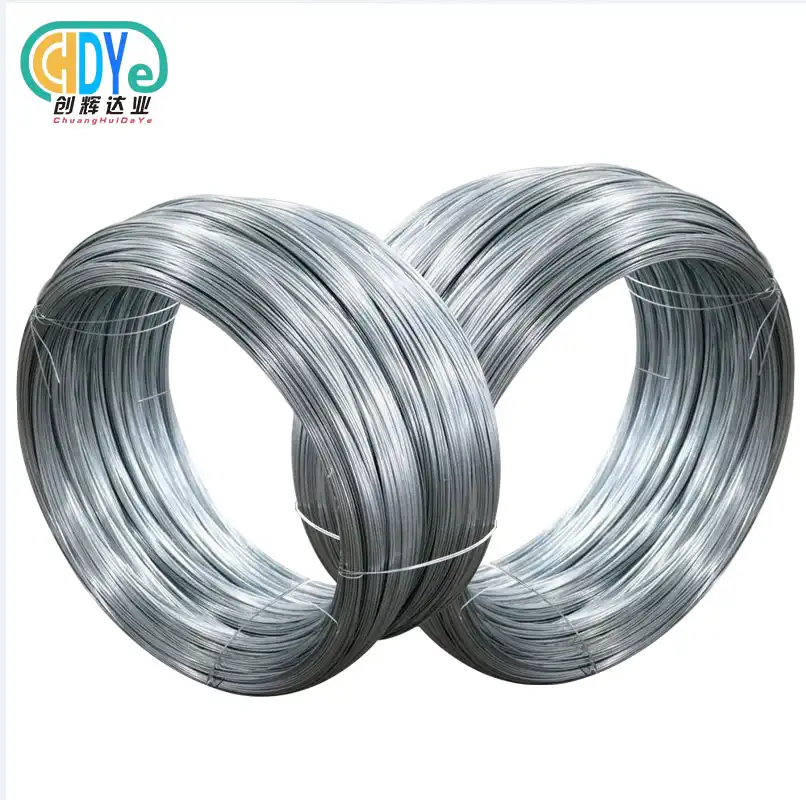
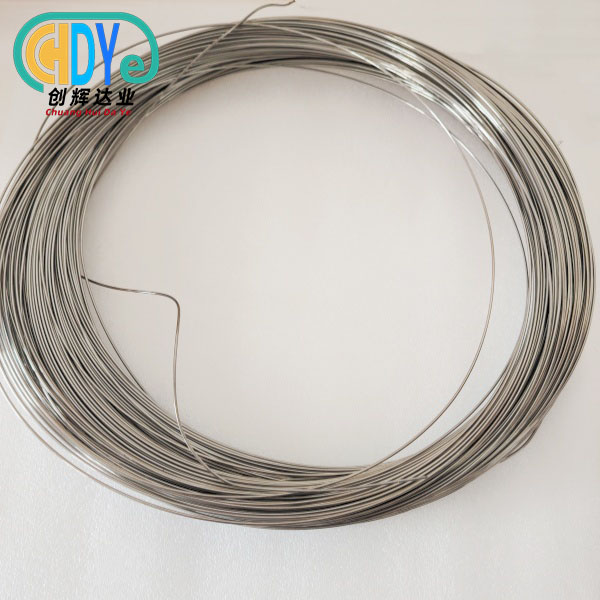
Titanium coil wire is the best material for important industrial uses because it is strong, corrosion-resistant, and reliable. This continuous, spooled titanium filament is a big step forward in making things more efficient. It makes automatic welding, additive manufacturing, and making precise parts possible in the chemical processing, aircraft, and medical fields. The coiled format gets rid of the production downtime that comes with replacing materials all the time. This makes it an ideal choice for high-volume manufacturing operations that need stable quality and performance.
Understanding Titanium Coil Wire: Properties, Grades, and Specifications
Titanium coil wire is a special kind of metal that is made for delicate tasks where other materials don't work well. This continuous filament takes the best parts of titanium's natural properties and coil packing to make the perfect answer for automatic production processes.
Key Properties and Physical Characteristics
Titanium wire is especially useful for precision engineering tasks because of its basic qualities. With a mass of 4.43 to 4.51 g/cm³, titanium is stronger than most other metals and lighter than most other materials. Different grades have different tensile strengths, ranging from 345 MPa to 895 MPa. This gives engineers the freedom to choose the right material for the job.
Titanium's ability to prevent corrosion is one of its best qualities. The metal forms a stable oxide layer that keeps chemicals from attacking it in hard conditions. Because of this, titanium coil wire is very useful in chemical processing, marine uses, and medical equipment, where breaking down the material could make them less safe or less effective.
Available Grades and Their Applications
Grade 2 titanium is the most common, purest grade. It is very resistant to rust and easy to shape. The tensile strength of this grade is usually between 345 and 483 MPa, and it is very flexible, which makes it perfect for uses that need complicated shaping or welding. For its appropriate qualities and low cost, Grade 2 is often chosen by industries like chemical processing and general manufacturing.
The mechanical qualities of Grade 5 (Ti-6Al-4V) titanium metal are better, and its tensile strength can reach 895 MPa. This alpha-beta metal has 6% aluminum and 4% vanadium in it, which makes it stronger and better at working at high temperatures. Grade 5 is often needed by aerospace makers and high-performance users because it is very strong and doesn't wear down easily.
Dimensional Specifications and Standards
Titanium coil wire comes in sizes from 0.1 mm to 5 mm, so it can be used for a wide range of tasks, from making jewelry to heavy industrial welding. In automated production settings, the coiled configuration makes it possible to process continuously without stopping. This solves important problems with industrial efficiency.
Titanium wire goods are made and tested according to industry standards like ASTM B863 and AWS A5.16, which makes sure that all providers are consistent and reliable. These standards set limits on the chemical makeup, the mechanical properties that must be met, and the surface finish that must be met in order for the product to work in serious situations.
Advantages of Titanium Coil Wire in Precision Engineering
When used for precision engineering tasks, titanium coil wire has measured benefits that go beyond the material's initial qualities. Over the lifetime of a product, these benefits add up, giving both producers and end users a lot of value.
Superior Corrosion Resistance and Environmental Durability
Titanium is very resistant to rust because when it comes in contact with oxygen, it forms a stable, stick-together oxide layer. Even in harsh chemical settings, salt water, and high temperatures, which break down stainless steel and other materials, this protected barrier stays in place. Chemical processing plants that use titanium coil wire for heat exchanger fabrication say that their equipment lasts 300% longer than when they used regular materials.
The environmental stability directly leads to lower upkeep costs and longer product lifespans. When titanium is used in offshore platforms, parts need to be replaced much less often. This saves a lot of money and makes operating safety better.
Exceptional Strength-to-Weight Performance
Design advances made possible by the strength-to-weight ratio of titanium coil wire are not possible with heavy materials. Aerospace companies use this benefit to make planes lighter while keeping or even improving the strength of their structures. Medical device makers can make implants and medical tools that are lighter, which helps patients feel less tired and improves the accuracy of surgery.
When working on projects that need to be lightweight, engineering teams find that titanium's qualities make it possible to combine parts and make designs simpler. These changes often lead to lower production costs that balance out the higher cost of titanium as a material.
Biocompatibility and Medical Applications
Titanium is biocompatible, which means it can be used in medical applications where the interaction between a material and human flesh needs to be thought through. Because the metal is inert, it doesn't react badly with living things. This makes it the best choice for implants, surgery tools, and parts of medical devices. This biocompatibility, along with its high corrosion resistance, makes sure that it will work well in living settings for a long time.
How Titanium Coil Wire Is Manufactured and Its Quality Controls
To make sure that high-quality titanium coil wire always works well in tough situations, it needs to be made using complex techniques and strict quality control measures.
Raw Material Processing and Preparation
To make something, high-purity titanium sponge or recovered titanium materials are first put through vacuum arc remelting (VAR) to get rid of any impurities and make the makeup uniform. Trace elements that could weaken mechanical qualities or corrosion protection are taken out by this process. The resulting titanium bars are chemically pure enough for use in serious situations.
After that, hot working breaks down the structure that was cast and creates the nanoscale that is wanted by carefully deforming and heating the metal. To keep things clean and allow the grain structure to form properly, these processes need precise temperature control and protection from the air.
Wire Drawing and Coiling Operations
Through several reduction passes, the wire drawing process turns titanium bar stock into wire with an exact diameter. Every time the wire is drawn, its thickness gets smaller, but the material also gets harder, so it needs to go through annealing processes in between to keep it flexible and stop it from cracking. Preparing the surface between passes makes sure that the wire finish is smooth and that the measurements are correct.
When coiling, special tools are used to keep the stress constant and keep the work from getting too hard during the wrapping process. If you coil wire correctly, you can avoid "cast and helix" flaws that could make automatic welding or manufacturing equipment not pass the wire properly.
Quality Assurance and Certification Standards
ISO 9001:2015 quality management systems control the whole production process, making sure that everything can be tracked from getting the raw materials to packing them up. According to the relevant ASTM and AWS standards, thorough testing procedures check the chemical makeup, mechanical qualities, and accuracy of the dimensions. Each lot gets a certificate that says it meets the standards of the design.
Ultrasonic screening and other non-destructive testing methods find problems inside that could affect performance. When you look at the surface, you can find scratches, spots, or other flaws that could affect the quality of wire feeds or welding. These quality control steps make sure that important applications work reliably.
Comparing Titanium Coil Wire with Other Coil Wire Materials
Learning about how titanium coil wire performs compared to other materials helps you choose the right material for the job, taking into account both cost and technical needs.
Performance Comparison with Stainless Steel
Stainless steel coil wire is less expensive at first, but it doesn't hold up as well against rust in chloride conditions and high temperatures. When it comes to light acidic environments, 316L stainless steel works fine. But titanium's passive oxide layer stays strong in harsh chemical environments, where 316L stainless steel would pit and crack.
The strength-to-weight comparison favors titanium significantly, with titanium alloys providing equivalent or superior strength at approximately 45% lower density. This advantage becomes critical in aerospace applications where weight savings translate directly into fuel efficiency and payload capacity improvements.
Comparison with Nickel-Based Alloys
Nickel-based superalloys work great in high-temperature situations, but they require a lot more to make than titanium. Nickel alloys stay strong at temperatures higher than titanium's, but most precision engineering tasks stay within titanium's temperature range, so the higher cost of nickel alloys is not justified.
Titanium's superior corrosion resistance in oxidizing conditions provides advantages over nickel alloys in chemical processes. Because nickel isn't used, there are also no worries about allergic responses in medical devices.
Economic Analysis and Total Cost Considerations
The extra cost of materials for titanium coil wire is usually 200 to 400% higher than for stainless steel options. A study of the full cost of ownership shows that titanium's greater strength and resistance to corrosion often make up for this extra cost through lower upkeep, longer service life, and higher dependability.
Manufacturers of aerospace parts say that titanium parts usually last 25 to 30 years, while stainless steel parts last only 8 to 12 years in the same situations. This longer useful life, along with the fact that titanium is lighter, makes it a good choice for material selection.
Procuring Titanium Coil Wire: Tips, Suppliers, and Market Insights
To successfully buy titanium coil wire, you need to know what the seller can do, how the market works, and what quality assurance standards are needed for important uses.
Supplier Evaluation Criteria
Quality certification is the most important thing to look at when judging a seller. ISO 9001:2015 recognition guarantees consistent quality management practices. Aircraft providers should have AS9100 certification, which shows they meet the quality standards for aircraft. For medical device quality control, medical device suppliers need to be certified with ISO 13485.
The tools for melting, forging, and drawing wire should be looked at as part of the manufacturing capability review to make sure it has the right amount of capacity and technical ability. Suppliers who have tools for vacuum arc remelting and controlled atmosphere processes show that they are dedicated to making high-quality goods.
Market Trends and Pricing Considerations
Global titanium wire prices change around the world depending on how easy it is to get raw materials and how much demand there is from the aircraft and medical device businesses. Prices are staying the same on the market right now, with only small price hikes happening because of rising demand from additive manufacturing apps.
Depending on the wire's thickness and grade, the minimum order quantity is usually between 50 and 500 tons. Suppliers often offer discounts for long-term agreements or large orders, which helps with planning production and keeping track of supplies.
Lead Times and Delivery Expectations
For stock sizes, standard titanium coil wire grades usually take 4–8 weeks to deliver. For custom specs, wait times may go up to 12–16 weeks. When suppliers keep a strategic stockpile of popular grades, they can often meet the needs of important uses for faster delivery.
China's "Titanium Capital," Baoji, is home to Chuanghui Daye. The company benefits from being close to sources of raw materials and specialized production facilities. This advantage of position lets competitive pricing and reliable shipping work for customers around the world who need a steady supply of goods.
Conclusion
Titanium coil wire represents an essential material choice for precision engineering applications demanding superior performance, reliability, and durability. The combination of exceptional corrosion resistance, outstanding strength-to-weight ratio, and biocompatibility creates unique value propositions across aerospace, medical, chemical, and advanced manufacturing industries. While initial material costs exceed conventional alternatives, lifecycle cost analysis consistently demonstrates positive return on investment through extended service life, reduced maintenance requirements, and improved operational efficiency. The continuous coiled format addresses critical manufacturing efficiency requirements by eliminating production interruptions and enabling automated processing capabilities essential for modern high-volume production environments.
FAQ
Q: What grades of titanium are most suitable for welding applications?
A: Grade 2 titanium is great for regular welding because it is easy to weld and doesn't rust. Grade 5 (Ti-6Al-4V), on the other hand, is stronger and better for aircraft and high-performance welding. Both grades meet the requirements of AWS A5.16 for welding wire uses.
Q: How do you prevent contamination during wire storage and handling?
A: Titanium coil wire should be kept in a clean, dry place where the relative humidity is less than 50%. When you vacuum-seal a package, the surface stays clean until you use it. Once the wire is open, it should be used up quickly to keep the surface from rusting, which could lower the quality of the weld.
Q: What testing certifications should suppliers provide?
A: Each lot from a reputable seller comes with a proof of chemical analysis, test results for mechanical properties, and a record of dimensional inspection. The ASTM B863 compliance certification makes sure that the material meets the standards for titanium wire goods in the business.
Q: Can titanium coil wire be used for automated welding systems?
A: Yes, titanium coil wire is made to be used in automatic welding processes. Feeding problems can be avoided with good cast and helix control, and stable arc features are ensured by consistent diameter limits in robotic welding systems.
Q: What factors affect titanium coil wire pricing?
A: Prices are affected by the cost of raw materials, the difficulty of handling, grade requirements, and the number of items ordered. The aircraft and medical businesses' market demand also changes the prices and supply of certain grades and sizes.
Partner with Chuanghui Daye for Premium Titanium Coil Wire Solutions
Shaanxi Chuanghui Daye Metal Material Co., Ltd. can meet your unique engineering needs by making high-quality titanium coil wire that meets the highest standards. The ISO 9001:2015-certified facility we have in China's Titanium Capital blends more than 30 years of experience working with rare metals with cutting-edge production skills to provide consistent quality and dependability. Our expert team can help you with everything from choosing the right material to delivering Grade 2 or Grade 5 titanium coil wire for use in aircraft, medicine, or industry. Get in touch with our experts at info@chdymetal.com to talk about your unique needs and get competitive quotes from a reputable titanium coil wire maker that wants to go above and beyond your expectations.
References
1. Boyer, R., Welsch, G., & Collings, E.W. "Materials Properties Handbook: Titanium Alloys." ASM International, Materials Park, Ohio, 1994.
2. American Welding Society. "Specification for Titanium and Titanium Alloy Bare Welding Rods and Electrodes (AWS A5.16/A5.16M)." Miami: American Welding Society, 2013.
3. ASTM International. "Standard Specification for Titanium and Titanium Alloy Wire (ASTM B863-17)." West Conshohocken: ASTM International, 2017.
4. Lutjering, G. & Williams, J.C. "Titanium: Engineering Materials and Processes." Manchester: Manchester University Press, 2007.
5. Donachie, M.J. "Titanium: A Technical Guide, 2nd Edition." Materials Park: ASM International, 2000.
6. International Organization for Standardization. "Quality Management Systems Requirements for Aerospace (ISO 9001:2015)." Geneva: International Organization for Standardization, 2015.
Learn about our latest products and discounts through SMS or email