- English
- French
- German
- Portuguese
- Spanish
- Russian
- Japanese
- Korean
- Arabic
- Greek
- German
- Turkish
- Italian
- Danish
- Romanian
- Indonesian
- Czech
- Afrikaans
- Swedish
- Polish
- Basque
- Catalan
- Esperanto
- Hindi
- Lao
- Albanian
- Amharic
- Armenian
- Azerbaijani
- Belarusian
- Bengali
- Bosnian
- Bulgarian
- Cebuano
- Chichewa
- Corsican
- Croatian
- Dutch
- Estonian
- Filipino
- Finnish
- Frisian
- Galician
- Georgian
- Gujarati
- Haitian
- Hausa
- Hawaiian
- Hebrew
- Hmong
- Hungarian
- Icelandic
- Igbo
- Javanese
- Kannada
- Kazakh
- Khmer
- Kurdish
- Kyrgyz
- Latin
- Latvian
- Lithuanian
- Luxembou..
- Macedonian
- Malagasy
- Malay
- Malayalam
- Maltese
- Maori
- Marathi
- Mongolian
- Burmese
- Nepali
- Norwegian
- Pashto
- Persian
- Punjabi
- Serbian
- Sesotho
- Sinhala
- Slovak
- Slovenian
- Somali
- Samoan
- Scots Gaelic
- Shona
- Sindhi
- Sundanese
- Swahili
- Tajik
- Tamil
- Telugu
- Thai
- Ukrainian
- Urdu
- Uzbek
- Vietnamese
- Welsh
- Xhosa
- Yiddish
- Yoruba
- Zulu
Titanium Plates Applications in Oil & Gas Industry
When it comes to changing how things are done in some of the harshest industrial settings in the world, titanium plates are always the best choice. These high-performance metal goods are now necessary in the oil and gas industry, where normal materials are constantly challenged by corrosion, high pressures, and harsh chemicals. Titanium plates have great corrosion resistance, great strength-to-weight ratios, and amazing durability. These properties directly lead to longer equipment lifespans, shorter maintenance intervals, and higher operational safety on offshore platforms, subsea pipelines, and processing facilities.
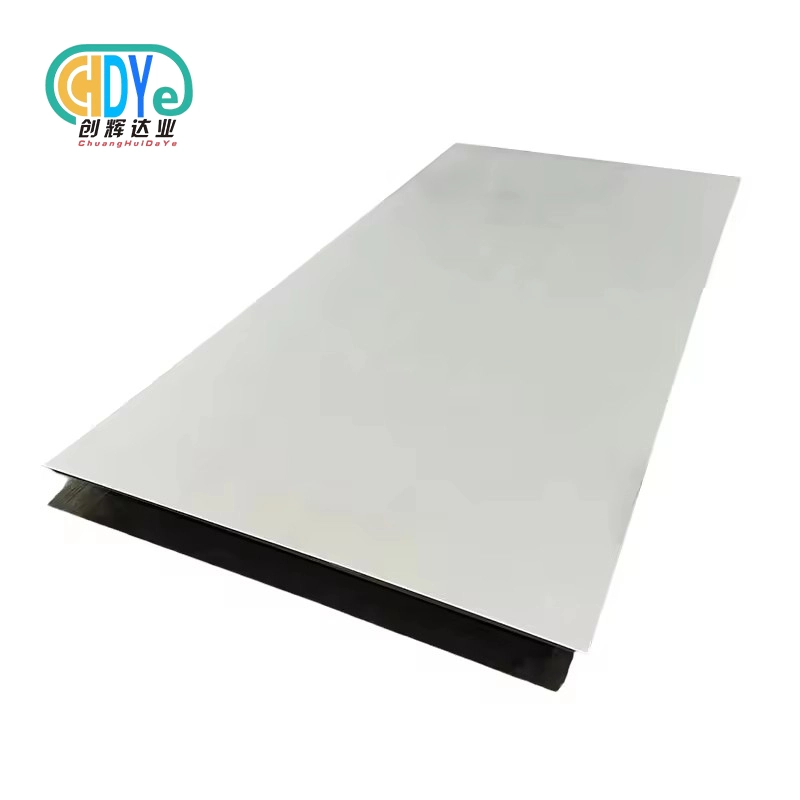
Understanding Titanium Plates in the Oil & Gas Industry
The unique metallurgical properties of titanium make it invaluable for oil and gas applications. We've seen how this material solves problems that plague traditional metals in demanding environments.
What Makes Titanium Plates Special?
Titanium naturally makes a protective oxide layer when it comes in contact with air. If this passive film gets damaged, it heals itself right away, protecting against chemical attack all the time. Titanium doesn't break down when it comes in contact with saltwater, hydrogen sulphide, carbon dioxide, or chloride ions, which are all common dangers in places where oil is produced or processed. The density of the material is about 45% smaller than that of steel, but it is just as strong, so structures can be made that are lighter without sacrificing safety.
Chemical Composition and Metallurgical Advantages
Pure titanium (Grades 1-4) and titanium alloys like Ti-6Al-4V (Grade 5) are the most common types of titanium used in oil and gas. Grade 2 is good at resisting corrosion and being shaped, so it can be used in heat exchangers and pressure tanks. Grade 5 has a higher tensile strength (up to 895 MPa), which makes it perfect for parts that need to work better mechanically when they are stressed. The material titanium plates can handle temperatures up to 260°C and still keep their shape, which is very important for thermal cycles in refineries.
Comparative Analysis: Titanium Plates vs Alternative Metals for Oil & Gas
Understanding how titanium compares with other materials helps procurement teams make informed decisions that balance performance with investment.
Titanium vs Stainless Steel
But when we look at how often it needs to be changed and how long it takes to maintain, stainless steel's total cost of ownership changes. This is because stainless steel costs less at first. When salt is present, titanium doesn't get pits or stress corrosion cracks, but even high-quality stainless steels do. Four to five times as much weight is saved when the same shapes are made of titanium instead of stainless steel. This makes bases that are far away much lighter. The material is safer in sour gas service because it doesn't break down when it comes in contact with hydrogen.
Titanium vs Aluminum Alloys
Even though aluminium is lighter than titanium, it doesn't take well to seawater or acidic process streams and doesn't last long enough. Aluminium isn't very strong above 150°C, so it can't be used in places that are very hot. Titanium doesn't have the same problems with galvanic corrosion as aluminium does when it hits other metals in marine assemblies. It also keeps its mechanical properties over a wider temperature range.
Key Applications of Titanium Plates in the Oil & Gas Sector
The versatility of titanium-based components spans virtually every critical system in petroleum production and processing infrastructure.
Offshore Platform Components
Titanium plates are used to make the frames of boats that store and unload goods of all kinds. Since they are more stable when they are lighter, they can carry more stuff. Titanium is great for safety barriers, chopper landing pads, and deck plating because it doesn't let electricity or magnetism flow through it. Titanium is used to coat ballast tanks and ocean pipe systems because it doesn't rust or corrode when exposed to marine muck and living things.
Pipeline and Subsea Infrastructure
Subsea pipeline links need materials that can handle high and low temperatures, as well as fluids that are corrosive. Titanium flange faces, valve bodies, and clad pipe sections are reliable in deepwater situations where it would be too expensive to get to the area for repair. Galvanic problems that happen in mixed-metal structures can't happen with this material because it works with cathodic titanium plate protection systems.
Procurement Guide: How to Source Titanium Plates for Oil & Gas Projects
Strategic sourcing requires balancing technical requirements with commercial realities to secure materials that meet project specifications without unnecessary cost premiums.
Evaluating Supplier Capabilities
The first step in checking out a seller is to get them certified. Being certified in ISO 9001:2015 quality management means you can plan how you run your business. The fact that you follow NACE International standards shows that you know how to stop rust in oil settings. Suppliers should give full material test results for each lot. These results should include the material's chemical makeup, mechanical properties, and surface state. From the melting ingot to the final review, you can keep track of materials. This stops fakes and helps you figure out what went wrong if something does go wrong.
Material Specifications and Pricing Factors
Prices at the base level depend on the grade. Alloy grades like Ti-6Al-4V cost 30–40% more than widely pure grades 1–4. How much yield is reached during rolling depends on the length, width, and thickness of the plates. This leads to changes in the price per kilogram. You can get better deals if you agree to do a certain amount of work. You can get better rates if you plan your project. It takes more steps and costs more time and money to make things that need to be hot-rolled, cold-rolled, pickled, or finished. Procurement teams can make sure that standards are the best they can be without making things too hard by knowing about these things.
Future Trends and Performance Optimisation of Titanium Plates in Oil & Gas
Innovation continues to reshape how we utilise titanium in petroleum applications, driven by sustainability imperatives and operational efficiency gains.
Advanced Coating Technologies
Surface modification techniques for titanium plates enhance titanium's already impressive performance envelope. Thermal spray coatings apply ceramic or metal layers that further improve wear resistance in abrasive slurry service. Plasma electrolytic oxidation generates thick ceramic-like surface layers with hardness exceeding base titanium by 3-4 times. These treatments extend component life in erosive environments like sand production wells or catalyst-laden process streams.
Hybrid Alloy Development
Metallurgists are developing titanium alloys incorporating aluminium, vanadium, molybdenum, and niobium in optimised ratios targeting specific oil and gas challenges. New compositions achieve higher strength-to-weight ratios while maintaining fabricability. Beta alloys offer improved cold formability for complex shapes, reducing manufacturing costs for intricate components. Research into titanium-tantalum systems shows promise for extreme sour gas environments where conventional grades occasionally encounter limits.
Sustainability and Lifecycle Considerations
Extended service life inherently reduces environmental impact by decreasing replacement frequency and associated waste generation. Titanium's recyclability allows end-of-life components to re-enter the supply chain with minimal property degradation. The material's lightweight contributes to lower fuel consumption in offshore vessel operations. As carbon accounting grows more sophisticated, these lifecycle advantages strengthen titanium's position in corporate sustainability strategies.
Conclusion
Titanium plates are important for oil and gas work because they need to be safe, effective, and last a long time. Because they don't rust, are strong for their weight, and don't change shape when heated or cooled, they solve problems in offshore platforms, underwater structures, and processing facilities. Titanium costs more than other materials at first, but it turns out to be cheaper in the long run because it lasts longer, needs less maintenance, and doesn't have the chance of breaking in a terrible way. Titanium will play a bigger role in the future as environmental worries rise and working conditions get tougher. For implementation to go smoothly, you need to work with skilled manufacturers who can offer quality assurance, technical know-how, and reliable supply around the world.
FAQ
1. What are the main advantages of titanium plates in offshore oil platforms?
Titanium plates provide corrosion immunity in saltwater environments, reducing maintenance costs by 60-70% compared to stainless steel. Weight savings of 40-45% versus steel decrease structural loading, allowing higher payload capacity on floating platforms. The material's non-magnetic properties prevent interference with navigation and drilling instrumentation, while its fire resistance enhances safety.
2. How does titanium compare to stainless steel for corrosion resistance in oil and gas?
Titanium outperforms even super-duplex stainless steels in chloride and sour gas environments. It resists pitting, crevice corrosion, and stress corrosion cracking where stainless alloys fail. Service life documentation shows titanium components lasting 2-3 times longer in identical seawater applications, with virtually no corrosion-related thickness loss over decades.
3. What lead times should I expect when ordering custom titanium plates?
Standard sizes in common grades (Grade 2, Grade 5) typically deliver within 3-5 dayss. Custom dimensions, specialised alloys, or clad plate configurations extend timelines to 1-2 weeks, depending on manufacturing schedules. Suppliers maintaining strategic inventory can accelerate delivery for urgent projects, though premium pricing may apply.
4. Which titanium grade works best for heat exchanger applications?
Grade 2 commercially pure titanium serves most heat exchanger needs, offering excellent corrosion resistance and formability at moderate cost. Grade 7 (with palladium) handles reducing acids better. Grade 5 (Ti-6Al-4V) suits high-pressure, high-temperature applications requiring superior mechanical strength. Your specific process conditions determine optimal grade selection.
Partner with Chuanghui Daye for Premium Titanium Plate Solutions
Shaanxi Chuanghui Daye delivers certified titanium plate solutions tailored specifically to titanium plates for demanding oil and gas applications. Located in Baoji—China's renowned Titanium Capital—we combine 30+ years of rare metal expertise with ISO 9001:2015 quality systems and advanced manufacturing capabilities, including electron beam melting, precision rolling, and comprehensive testing facilities. Our engineering team provides technical support throughout your project lifecycle, from material selection through custom fabrication of plates, rods, tubes, and machined components. We understand the critical nature of petroleum operations and maintain rigorous quality control with full traceability documentation on every order. Whether you need rapid prototyping for new equipment designs or reliable volume production for established specifications, our factory-direct pricing and global delivery network support your procurement objectives. Contact our specialists today at info@chdymetal.com to discuss how our titanium plate solutions can optimise performance, extend service life, and reduce total ownership costs in your oil and gas operations. As a trusted titanium plates manufacturer, we're ready to become your long-term partner in operational excellence.
References
1. Boyer, R., Welsch, G., and Collings, E.W. (1994). Materials Properties Handbook: Titanium Alloys. ASM International.
2. Schutz, R.W. and Watkins, H.B. (1998). "Recent developments in titanium alloy application in the energy industry." Materials Science and Engineering: A, 243(1-2), 305-315.
3. Craig, B.D. and Anderson, D.S. (1995). Handbook of Corrosion Data for Offshore Petroleum Production Environments. Materials Technology Institute.
4. Donachie, M.J. (2000). Titanium: A Technical Guide, 2nd Edition. ASM International.
5. Peters, M., Kumpfert, J., Ward, C.H., and Leyens, C. (2003). "Titanium alloys for aerospace applications." Advanced Engineering Materials, 5(6), 419-427.
6. NACE International (2015). Selection and Application of Materials for Use in Oilfield Environments. NACE Standard MR0175/ISO 15156.
 Sputtering Target_1785915604108.webp)
Learn about our latest products and discounts through SMS or email