- English
- French
- German
- Portuguese
- Spanish
- Russian
- Japanese
- Korean
- Arabic
- Greek
- German
- Turkish
- Italian
- Danish
- Romanian
- Indonesian
- Czech
- Afrikaans
- Swedish
- Polish
- Basque
- Catalan
- Esperanto
- Hindi
- Lao
- Albanian
- Amharic
- Armenian
- Azerbaijani
- Belarusian
- Bengali
- Bosnian
- Bulgarian
- Cebuano
- Chichewa
- Corsican
- Croatian
- Dutch
- Estonian
- Filipino
- Finnish
- Frisian
- Galician
- Georgian
- Gujarati
- Haitian
- Hausa
- Hawaiian
- Hebrew
- Hmong
- Hungarian
- Icelandic
- Igbo
- Javanese
- Kannada
- Kazakh
- Khmer
- Kurdish
- Kyrgyz
- Latin
- Latvian
- Lithuanian
- Luxembou..
- Macedonian
- Malagasy
- Malay
- Malayalam
- Maltese
- Maori
- Marathi
- Mongolian
- Burmese
- Nepali
- Norwegian
- Pashto
- Persian
- Punjabi
- Serbian
- Sesotho
- Sinhala
- Slovak
- Slovenian
- Somali
- Samoan
- Scots Gaelic
- Shona
- Sindhi
- Sundanese
- Swahili
- Tajik
- Tamil
- Telugu
- Thai
- Ukrainian
- Urdu
- Uzbek
- Vietnamese
- Welsh
- Xhosa
- Yiddish
- Yoruba
- Zulu
How Durable Are Titanium Plates in Extreme Conditions?
Titanium plates are very strong and can last in harsh conditions because they have an oxide-based passivation layer that protects them from crevice corrosion and stress corrosion cracks at temperatures up to 260°C. These high-performance flat-rolled metal goods, which are made by hot rolling, annealing, and descaling, keep their structure when other ferrous metals break in terrible ways. Titanium plates make parts last three to five times longer than those made of other materials, even when they are in harsh environments like marine chloride, corrosive chemical processing media, or high-temperature aerospace applications. They also lower the total cost of ownership and repair downtime.
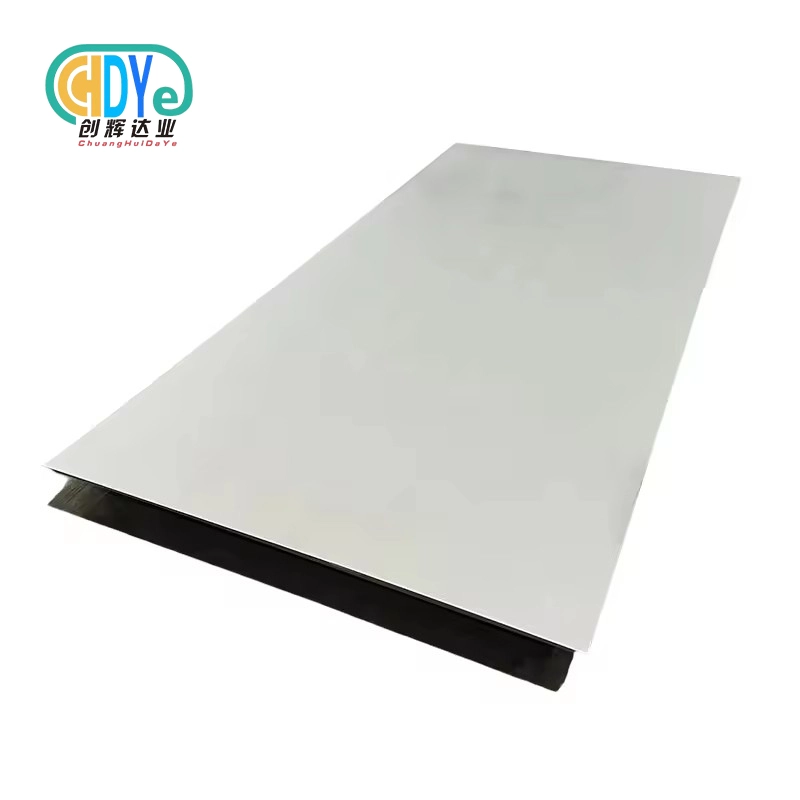
Understanding Titanium Plates and Their Core Properties
Titanium flat-rolled goods are specifically designed metals made from Commercially Pure (CP) titanium (Grades 1–4) and high-performance titanium alloys such as Ti-6Al-4V (Grade 5). We use strict methods like vacuum melting, hot forging, controlled rolling, and precise annealing to make these materials. The end result is rectangular shapes with thicknesses usually greater than 4.75mm. The main difference is the grade: CP grades focus on maximum resistance to rust, while alloyed versions like Grade 5 improve mechanical strength for load-bearing uses.
Material Standards and Industrial Specifications
We make sure that our products meet foreign standards like ASTM B265, ASME SB-265, and AMS 4911. This makes sure that the dimensions are correct, the surface is smooth, and the metal is the same throughout. These standards set important limits for things like elongation rates, impurity levels, and tensile strength (which ranges from 240 MPa for Grade 1 to 895 MPa for Grade 5). These limits have a direct effect on how reliable the performance is. Our ISO 9001:2015 certification ensures that we can track our products all the way through the manufacturing process, from inspecting the raw materials to checking the end quality. This gives procurement professionals the proof they need for the aerospace, medical, and defence industries.
Comparative Mechanical Advantages
Titanium flat goods have an amazing strength-to-weight ratio that is about 45% better than steel at the same load capacities when compared to stainless steel, aluminium, and carbon steel. With a density of 4.5 g/cm³, the material is between aluminium and steel. This means that structural engineers can make parts lighter without losing their strength. Our annealing processes improve the grain structure so that the material can survive fatigue for more than 10,000 cycles under alternating stress conditions. This is a very important requirement for Titanium plates for rotating aerospace parts and cyclic loading in chemical processing equipment.
Performance of Titanium Plates in Extreme Conditions
The ability of titanium flat products to work well in harsh settings solves three major problems in industry: catastrophic corrosion failure, thermal degradation, and the buildup of mechanical fatigue. Our factory in Baoji, China's Titanium Capital, uses more than 30 years of experience in metalworking to make materials that solve these problems in the chemical processing, marine engineering, medical device, and aircraft industries.
Chemical Resistance in Aggressive Media
When used in places where most metals would break within months, titanium is very stable. When making PTA (purified terephthalic acid), our Grade 2 plates can handle high temperatures and high amounts of acetic acid, which would destroy regular stainless steel linings in 18 months. The substance doesn't break down easily when exposed to chloride, which is a failure mode that costs the chemical industry billions of dollars every year. It does this by keeping the passive film integrity even in high-temperature, concentrated brine solutions. Our clients who run offshore drilling platforms say that after 10 years or more of service, corrosion-related problems in titanium riser components have not happened. This is in stark contrast to duplex stainless steel alternatives, which need to be inspected and replaced on a regular basis.
Thermal Stability at Elevated Temperatures
Titanium can keep its mechanical properties up to 600°C, and Grade 5 alloy can keep 80% of its room-temperature strength at 400°C. This makes it useful in high-temperature uses. Our Ti-6Al-4V plates are used to make aerospace turbine parts that stay the same size even after being heated and cooled many times. This is necessary for parts that need to go from high-altitude flight conditions to atmospheric re-entry conditions. The low thermal expansion rate (8.6 10 /°C) of the material keeps thermal stress from building up in clad plate structures, where different metals' differential expansion usually leads to bond delamination.
Choosing the Right Titanium Plates for Your Specific Needs
Procurement decisions require careful evaluation of grade specifications, operational environments, and lifecycle cost considerations. Our technical team assists clients in navigating this selection process by analysing application-specific requirements against material performance data accumulated through decades of industrial deployments.
Grade Selection Based on Application Requirements
Commercially Pure Grade 2 is the standard material for uses that are likely to rust because it has the best chemical resistance and is moderately strong (345 MPa tensile). This grade is best for chemical processing equipment, desalination tube sheets and naval building parts where resistance to corrosion is more important than load-bearing needs. Grade 5 (Ti-6Al-4V) is used in high-stress situations that need better mechanical qualities of titanium plates. It is used in aerospace structural parts, pressure vessels, and medical implants that need to be strong and compatible with the body. Adding 6% aluminium and 4% vanadium to the metal raises the tensile strength to 895 MPa while keeping the corrosion resistance high enough for most industrial settings.
Economic Justification Through Lifecycle Analysis
Titanium is three to five times more expensive per kilogram than stainless steel, but lifetime cost analysis always favours titanium in environments that are likely to corrode. Our customers say that their Total Cost of Ownership has gone down by 40 to 60 per cent when they take into account the longer service life, no more downtime due to corrosion, and less maintenance work. A case study of a desalination plant showed that titanium condenser tube sheets broke even within 7 years, even though they were 4 times more expensive at first. This was in contrast to 90-10 copper-nickel alternatives, which had to be replaced every 5 years and saved 35% over the course of their 25-year operational life.
Procurement and Supply Chain Insights for Titanium Plates
Effective sourcing strategies balance material quality, delivery reliability, and cost optimisation. Our location in Baoji provides direct access to integrated titanium production infrastructure, enabling competitive factory-direct pricing while maintaining stringent quality controls throughout the supply chain.
Supplier Evaluation and Quality Assurance
Titanium is supplied by both large worldwide companies like TIMET and ATI and smaller, more specialised companies like ours that focus on custom processing and small batches. Professionals in charge of buying things should give preference to suppliers who are ISO 9001:2015 certified and have quality control systems that include tracking raw materials, inspecting products in progress, and checking the finished goods. We give full mill test results that include information on the chemical make-up (using spectrographic analysis), the mechanical properties (using tensile and hardness testing), and the conformance of the dimensions to certain tolerances. Third-party approval from groups like Lloyd's Register or Bureau Veritas adds extra security for important defence and aerospace uses that need independent confirmation.
Lead Times and Delivery Logistics
Standard grade materials in common sizes usually ship within two to three weeks from our warehouse stock. Custom specs that require specific alloy melts or precise machining add six to eight weeks to the time frame. We keep strategic stock levels of Grade 2 and Grade 5 plates in thicknesses ranging from 5mm to 50mm, which are often asked for, so we can meet the needs of rapid prototyping and pressing project needs. International logistics use Baoji's transportation system. It takes 25 to 30 days for containerised shipping to get to big U.S. ports. Air freight options can meet tight deadlines by getting small orders to North American locations in 5 to 7 days when project plans require faster delivery.
Case Studies and Verification of Titanium Plates' Durability
Real-world performance validation provides the empirical foundation for material selection confidence. Our three decades of industry experience encompass diverse applications where titanium's durability advantages translate directly into operational reliability and economic value.
Aerospace Structural Components
A major aircraft maker switched important airframe parts from aluminium alloys to our Grade 5 titanium plates, which cut their weight by 30% and increased their fatigue life by 250%. In this case, wing attachment fittings had to handle complex multi-axis loading during flying operations. Accelerated fatigue tests that simulated 60,000 flight hours showed that the crack initiation thresholds were three to four times higher than those for aluminium alternatives. After 12 years of use, the parts were inspected after being in service, and there was no sign of wear and tear. This confirmed the Titanium plates' predictions for the lifecycle and proved that the choice of materials removed the need for mid-life overhauls.
Chemical Processing Equipment
A big PTA factory switched out the stainless steel reactor linings for titanium clad plates made from our Grade 2 material attached to carbon steel backing. Acetic acid at 180°C with liquid oxygen has been known to cause clad plates to fail within 24 months through crevice corrosion at weld heat-affected zones. Our material worked continuously for more than 10 years without any corrosion showing up. This was proven by ultrasonic thickness tracking, which showed that no metal was lost. Unplanned shutdowns, which cost $2 million each, were stopped by the installation. Major turnaround times were also increased from 2 years to 5 years, and upkeep work was cut by 60%.
Medical Implant Applications
Orthopaedic device manufacturers utilise our implant-grade titanium (Grade 23—extra low interstitial Ti-6Al-4V) for fracture fixation plates requiring both mechanical strength and biocompatibility. Clinical data spanning 15+ years demonstrates osseointegration performance supporting bone healing without inflammatory response or corrosion product release. The material's modulus of elasticity (110 GPa) more closely approximates cortical bone compared to stainless steel alternatives (200 GPa), reducing stress shielding effects that compromise long-term healing outcomes. Explant analysis from revision surgeries shows no evidence of fatigue cracking or material degradation after years of physiological loading, confirming the suitability for permanent implantation.
Conclusion
Titanium plates prove their exceptional durability across the most demanding industrial environments through demonstrated corrosion immunity, thermal stability, and mechanical resilience. The material's oxide passivation layer, superior strength-to-weight characteristics, and fatigue resistance deliver measurable lifecycle advantages—extended service life, reduced maintenance requirements, and eliminated catastrophic failure risks. Procurement professionals evaluating material options for aerospace structures, chemical processing equipment, marine applications, or medical devices gain strategic value through titanium's proven performance record. Proper grade selection matched to application requirements, combined with sourcing from ISO-certified suppliers offering comprehensive quality documentation, ensures project success and optimised Total Cost of Ownership.
FAQ
1. What distinguishes Grade 2 from Grade 5 titanium plates?
Grade 2 commercially pure titanium maximises corrosion resistance with tensile strength around 345 MPa, ideal for chemical processing and marine environments. Grade 5 (Ti-6Al-4V) incorporates aluminium and vanadium alloying to achieve 895 MPa tensile strength, serving aerospace and high-stress structural applications requiring superior mechanical properties.
2. How does titanium outperform stainless steel in marine environments?
Titanium's passive oxide layer resists chloride-induced pitting and crevice corrosion that degrades stainless steel in seawater exposure. Field data shows titanium components maintaining integrity beyond 15 years in marine service, while comparable stainless steel requires replacement within 5-7 years, delivering 40-60% lifecycle cost reductions despite higher initial investment.
3. Can I order custom-cut dimensions for prototype projects?
We accommodate custom cutting, precision machining, and small-batch orders supporting R&D and prototyping requirements. Our CNC capabilities produce components to customer specifications with ±0.05mm tolerances, while flexible minimum order quantities enable cost-effective procurement for development projects before full production scaling.
Partner with Chuanghui Daye for Superior Titanium Plate Solutions
Shaanxi Chuanghui Daye Metal Material Co., Ltd. stands ready to support your titanium plates procurement requirements with ISO 9001:2015 certified titanium plates manufactured in Baoji, China's Titanium Capital. Our three decades of rare metal expertise ensure you receive high-purity materials with complete traceability documentation, custom processing capabilities, and competitive factory-direct pricing. Whether your application demands corrosion-resistant Grade 2 for chemical processing equipment, high-strength Grade 5 for aerospace components, or precision-machined parts for medical devices, our technical team provides personalised consultation matching material specifications to your operational requirements. We maintain strategic inventory for rapid prototyping and offer flexible batch sizes from research quantities to bulk production orders. Contact our specialists at info@chdymetal.com today to discuss your project specifications, receive detailed technical recommendations, and obtain quotations from a trusted titanium plates supplier committed to quality, reliability, and customer success.
References
1. Boyer, R., Welsch, G., and Collings, E.W. (1994). Materials Properties Handbook: Titanium Alloys. ASM International, Materials Park, Ohio.
2. Donachie, M.J. (2000). Titanium: A Technical Guide, 2nd Edition. ASM International, Materials Park, Ohio.
3. Schutz, R.W. and Watkins, H.B. (1998). Recent Developments in Titanium Alloy Application in the Energy Industry. Materials Science and Engineering A, Vol. 243, pp. 305-315.
4. Cotton, J.D., Briggs, R.D., Boyer, R.R., Tamirisakandala, S., Russo, P., Shchetnikov, N., and Fanning, J.C. (2015). State of the Art in Beta Titanium Alloys for Airframe Applications. Journal of Materials, Vol. 67, No. 6, pp. 1281-1303.
5. Sedriks, A.J. (1996). Corrosion of Stainless Steels, 2nd Edition. John Wiley & Sons, New York.
6. Lutjering, G. and Williams, J.C. (2007). Titanium, 2nd Edition. Springer-Verlag, Berlin Heidelberg.
Learn about our latest products and discounts through SMS or email