- English
- French
- German
- Portuguese
- Spanish
- Russian
- Japanese
- Korean
- Arabic
- Greek
- German
- Turkish
- Italian
- Danish
- Romanian
- Indonesian
- Czech
- Afrikaans
- Swedish
- Polish
- Basque
- Catalan
- Esperanto
- Hindi
- Lao
- Albanian
- Amharic
- Armenian
- Azerbaijani
- Belarusian
- Bengali
- Bosnian
- Bulgarian
- Cebuano
- Chichewa
- Corsican
- Croatian
- Dutch
- Estonian
- Filipino
- Finnish
- Frisian
- Galician
- Georgian
- Gujarati
- Haitian
- Hausa
- Hawaiian
- Hebrew
- Hmong
- Hungarian
- Icelandic
- Igbo
- Javanese
- Kannada
- Kazakh
- Khmer
- Kurdish
- Kyrgyz
- Latin
- Latvian
- Lithuanian
- Luxembou..
- Macedonian
- Malagasy
- Malay
- Malayalam
- Maltese
- Maori
- Marathi
- Mongolian
- Burmese
- Nepali
- Norwegian
- Pashto
- Persian
- Punjabi
- Serbian
- Sesotho
- Sinhala
- Slovak
- Slovenian
- Somali
- Samoan
- Scots Gaelic
- Shona
- Sindhi
- Sundanese
- Swahili
- Tajik
- Tamil
- Telugu
- Thai
- Ukrainian
- Urdu
- Uzbek
- Vietnamese
- Welsh
- Xhosa
- Yiddish
- Yoruba
- Zulu
Titanium Sheets Cost and Procurement Tips for Buyers
You should know titanium sheet prices, available materials, and what the seller can do before choosing where to buy. Because they are light and don't rust, these materials are very useful in the aerospace industry, the medical device industry, chemical processing, and many other fields. It can be tough for buyers to find a good mix between their performance needs and their budgets. They also have to ensure their purchases are of good quality and their suppliers are reliable. When making a buying plan, it's smart to use both technical knowledge of titanium's qualities and reviews of sellers from real life. This helps you get the best deals on prices without lowering the quality or speed of service.
Understanding Titanium Sheets: Types, Grades, and Properties
Common Titanium Grades and Their Characteristics
There are different kinds of titanium materials, and each one is made to do a certain job. Pure titanium Grade 2 is the most popular type used in business. Anywhere you put it, it doesn't rust and is easy to shape. This grade is particularly well-suited for parts that need to be strong but not too strong, like those used in chemical processing, the marine industry, and general industry. Grade 5, which is also known as Ti-6Al-4V, is the best metal for ultra-strong medical implants and aeroplane structural parts. Its aluminium and vanadium alloys make it much stronger than it is light. The ASTM B265 standards make sure that the quality is the same all over the world's supply lines. Both types meet these standards. When choosing between these options, consider the mechanical stress on the product, its operating temperature, and its exposure to the environment. If you need something that won't rust, Grade 2 is cheaper and easy to work with. While Grade 5 costs more, it has better tensile strength and wear resistance, which justifies the higher price.
Thickness and Dimensional Considerations
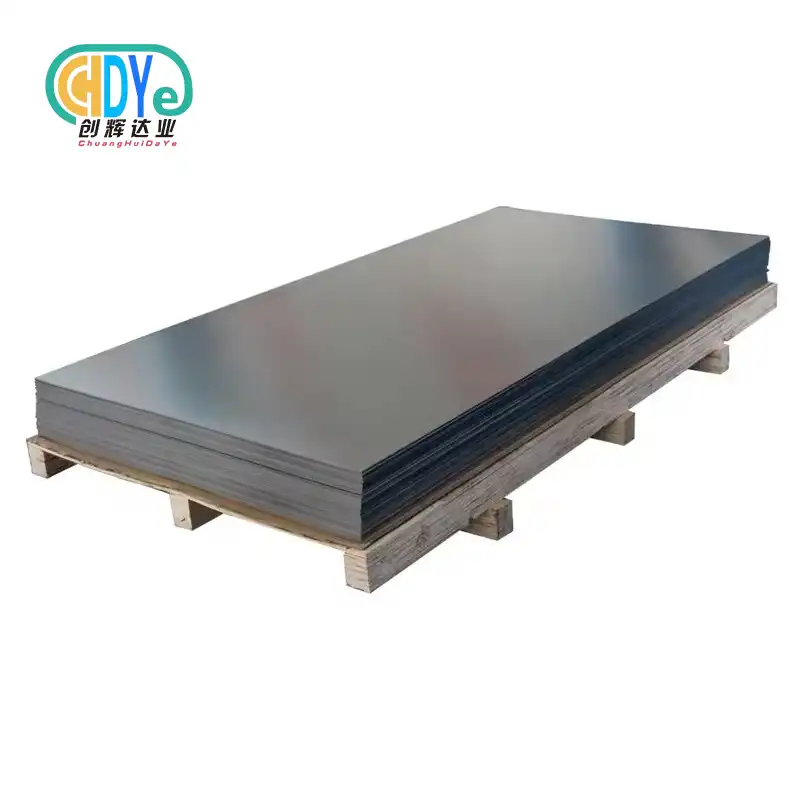
There is a clear link between the width of a sheet and both its price and effectiveness. Standard 2mm titanium sheets are strong and simple to work with, making them the best choice for many business needs. Thickening to this level makes things like aircraft panels, chemical processing equipment, and building parts tough, but it's still straightforward to cut, shape, and join. You can get widths from 500 mm to 2000 mm and lengths from 1000 mm to 3000 mm, so you can use it for many different projects without throwing away too much. The pieces are less likely to have gaps and joints when they are bigger. They are stronger, and it costs less to work on them. As you measure, consider the tools your fabrication shop has and the limits for cutting. This will help you use the material effectively and minimise any losses.
Key Physical and Chemical Properties
It is very hard for titanium to rust because it makes a strong, protective oxide layer when it touches oxygen. If this film that isn't doing anything becomes broken, it will fix itself. It lasts a long time in salt environments, acidic environments, and high-temperature environments where stainless steel and aluminium usually break. The material doesn't change shape when it gets freezing (cryogenic) or very hot (400°C). This makes it more useful in a wider range of difficult working situations. Titanium sheets are forceful for their weight, but they are about 40% lighter than steel sheets. They still have the same level of strength. For aeroplanes, this weight advantage directly means better fuel economy. In building projects, it means lighter structures, and medical tools can move more easily. Plus, titanium is different from other metals because it doesn't harm living things. Implants and other medical equipment made of titanium can touch human skin without any issues because of this trait.
Titanium Sheets Cost Factors and Price Comparisons
Primary Cost Drivers in Titanium Pricing
The main thing that changes the price of titanium sheets is the price of the raw materials, which shifts as the world's supply and demand patterns do. Unit prices change a lot depending on the grade you pick. For instance, commercially pure Grade 2 costs 20–30% less than alloyed Grade 5 because it is easy to work with and has less alloy in it. Price is affected by both the thickness of the sheet and how hard it is to make. This variation is because it takes several rolling passes and quality control checks to get the thickness just right. There may be extra costs for surface finish specs if you need them. The least pricey choice is a surface with a mill finish. Adding finishes like polished, pickled, or anodised makes the process slower and needs more handling of the material. Price changes happen because of things like demand in the aerospace business, the time it takes for the government to buy things, and new ways that electric cars can be used. People who work in procurement need to keep an eye on these changes when they plan to make big purchases or sign long-term supply deals.
Comparing Titanium Against Alternative Metals
You shouldn't just look at the price you paid; you should also consider its total lifetime cost. Titanium materials that are the same as stainless steel sheets usually cost 60–70% more. However, titanium lasts decades longer in sea and chemical environments because it is less likely to rust. This means that it doesn't need to be changed as often and doesn't cost as much to have downtime. Aluminium has even lower start-up costs, but it isn't as strong or can't handle as wide a temperature range as titanium. This makes it less useful for high-performance aeroplanes and other industrial uses. In acidic conditions, nickel works as well as titanium but usually costs the same or more. Titanium is lighter than nickel but still protects against rust just as well. This makes it a better choice for ways to save weight. When chemical plants need to protect something from chlorides, sulphides, and organic acids, titanium is often chosen over more expensive foreign metals because its passive oxide layer does the job well without the need for treatments or regular maintenance.
Bulk Purchasing and Volume Discount Strategies
Because of economies of scale in shipping and making things, the price per item changes a lot based on how many sales there are. They can make the most of changing plans and cut down on setup costs when you buy standard-sized production runs in bulk. Because of this, they can pass these savings on to buyers by charging 15 to 25 per cent less for large sales than for small ones. When the prices of raw materials change a lot, setting up blanket buy orders with planned releases is a great way to keep costs fixed while keeping supplies flexible. Collaborative buying makes it easy for even medium-sized buyers to buy things when several projects have the same specs. Before ordering, consider how much you will save by buying in bulk, the cost of storing goods, and the risk that the materials will go out of style. Custom cutting and special surface treatments generally cost 10–20% more than the price of a regular sheet. When you don't have to do extra steps of handling or throw away materials at your factory, these value-added services can lower the overall cost of the project.
Procurement Best Practices: How to Buy Titanium Sheets Efficiently?
Identifying Qualified Suppliers and Certifications
A good way to buy things starts with carefully checking out possible sellers based on things like their quality certifications, their output skills, and how reliable their supply chain is. With ISO 9001:2015 approval, you can be sure that quality control is used at every step of the production process, from checking the raw materials to testing the finished product. For medical and aircraft jobs that need to keep track of supplies and follow written quality control procedures, this licence is very helpful.
Look at the heating tools, rolling mills, and testing facilities that possible sources have to see how well they can consistently make materials that meet your needs. There is a lot of industry knowledge, specialised equipment, and well-run supply lines in places like Baoji, China, which is known as the Titanium Capital and has a long history of making titanium goods. This means that suppliers can take advantage of low prices and reliable delivery times. Before you buy something, make sure you get test results for the material, assurances that it meets quality standards, and the chance for a third party to do so.
Matching Material Specifications to Application Requirements
Accurate design development prevents the project from being held up and saves a lot of money in mistakes. In space, Grade 5 titanium that has been heated and had its mechanical properties checked to make sure it meets safety standards and structural load requirements is often used. Because it doesn't rust and is strong enough, Grade 2 titanium is often the best choice for chemical handling equipment. Not only does this process save money, but it also makes things safer and lasts longer.
Businesses that make medical equipment must pick biodegradable types that meet strict standards for cleanliness and surface finish. The goal is to make sure they follow the rules and keep patients safe. It's important to be practical when you pick materials for commercial uses and to make sure that you meet performance goals within the budget. Commercially pure types are usually enough for a lot of uses that don't need rust resistance. When making the specs, talk to people who know a lot about the materials so that you can pick the best grade, thickness, and physical limits for how the product will be used. By not giving too many details about the products, you can prevent their prices from going up too much.
Streamlining Order Placement and Custom Requirements
Technical needs, delivery standards, and the need for quality paperwork must all be made clear so that order handling goes quickly. When you order sheets to be cut to size, make sure to include detailed measurements or pictures so that the job is done correctly and as little material as possible is wasted. Custom sizes take longer to send, but regular sheet sizes are cheaper and arrive faster. Before you ask for custom sizes, make sure that your manufacturing skills can handle normal sizes.
Get quotes from a few skilled service providers that are fair. Make sure that all of their quotes are the same so that you can easily compare prices. You should look at more than just the unit price when you compare quotes. There should also be wait times for shipping, a minimum order size, clear payment terms, and technical help that you can obtain. Make sure there are clear quality acceptance standards and review methods before you start making things. This will keep everyone from disagreeing and ensure that the materials meet your needs so that you don't have to pay a lot of money for repeated work or replacements.
Titanium Sheet Handling and Processing Tips for Buyers and Engineers
Cutting and Fabrication Techniques
The right methods for cutting keep the material pure and accelerate the process as much as possible. Titanium doesn't let heat move through it easily, so cutting factors need to be carefully thought out. This is because heat builds up where the tool meets the material instead of moving through it. Keep your numbers correct and keep the work from getting too hard; use polycrystalline or carbide tools that are sharp and at the right cutting speeds and feed rates. Having the right amount of coolant flow stops chip welding and gets rid of heat. These are common problems that damage tool life and surface finish.
Titanium strips can be cut exactly with waterjet and plasma cutting, which don't leave areas of heat damage that change the properties of the material. When you solder titanium parts together, you need to use the right shielding gas techniques so that air doesn't get into the weld areas and weaken the joints. Please clean all areas that will be welded before you begin. These steps will get rid of grease, rust, and other things that can cause holes and lower the quality of the join. These best practices for making things will ensure that your titanium parts function as intended and meet the specifications outlined in the plan.
Storage and Corrosion Prevention Protocols
Even though titanium doesn't rust naturally, good storage habits keep the surface clean and stop contamination that makes later processing harder. It is best to keep sheets away from carbon steel materials because they can rust if metal pieces move around while they are being handled. Protective interleaving should be put between stacked sheets to keep the surface from getting scratched, which creates stress spots and ruins the look of the final product.
A good way to keep your things organised is to move them around based on when you received them. So, things won't sit around for too long and rust on the outside, which needs to be cleaned off before they can be used. When you send titanium parts, make sure they are properly packed so that they don't get damaged by bumps or the weather while they're in transit. The following rules will help you take care of the titanium sheets that you've already paid for and make sure they arrive in great shape for processing.
Performance Comparison in Demanding Environments
Titanium is worth more in the long run when working hard, even though it costs more at first. When things are used in the ocean, they are exposed to saltwater, chlorides, and bacterial fouling. These things quickly break down carbon steel and make stainless steel alloys rust. Titanium's inactive oxide layer guards against rust for decades of use with no maintenance. This means that there are no painting, coating, or repair costs that quickly add up to more than the cost of the metal itself.
In space, there is mechanical stress, changing temperatures, and limits on how much something can weigh. Titanium's high strength-to-weight ratio directly enhances the speed and fuel efficiency of aeroplanes. Chemical processing plants find that titanium is more reliable than other metals that cost about the same but need to be checked and changed more often when working with strong acids, alkaline solutions, or chlorine substances. When picking out a material, don't just look at the price to see which one is the cheapest. Instead, find out how much it will cost to own the item, which includes installation, upkeep, and the time it is supposed to last.
Conclusion
When buying titanium sheets strategically, you pick the materials carefully and build relationships with sellers so that you can meet both technical and financial goals. You can find products that will do the job and not cost too much if you know about grade qualities, price factors, and application needs. Projects in the aerospace, chemical processing, medical, and industrial fields can only succeed if they work with skilled sources who have quality systems that have been shown to work, manufacturing skills, and help from experts. When you handle and make things the right way, the materials will be worth more, and the end goods will be able to meet strict performance standards in tough work environments.
FAQ
Q: Which titanium grade performs best for aerospace structural applications?
A: Titanium metal Grade 5 (Ti-6Al-4V) is used for parts of aeroplane structures that need to be strong and light at the same time. It is very strong when pulled apart (over 900 MPa) and not as heavy as steel (about 40% lighter). This directly makes jets use less fuel and carry more cargo. It doesn't break down easily and stays strong at temperatures up to 400°C, which means it can handle the high temperatures and a lot of stress that come with flying.
Q: How can buyers manage titanium price volatility when planning projects?
A: You can keep prices fixed and lock in good rates when the market goes down by making long-term deals with qualified makers. Prices are often set for 6 to 12 months with volume deals. This keeps project budgets safe from changes in the cost of raw materials. To figure out when to make big purchases, read trade magazines that record how much titanium sponge is being made and how often the aeroplane industry needs it. If you want to avoid having to buy goods on the spot market for every order, it's better to build relationships with sellers who keep extra stock on hand.
Q: What considerations apply when ordering custom-cut sheets?
A: As little waste and extra work as possible; give accurate measurements with just the right amount of room for mistakes. Draw detailed technical drawings that show how to cut, finish the edges, and make sure the quality is good. Cutting things to order generally costs 10–20% more, but it cuts down on waste and the need for production work at your plant. When you see shipping times, make sure they include time for cutting. This is because custom orders take two to four weeks longer to be filled than normal sheet sizes that are in stock at the source.
Partner with Chuanghui Daye for Reliable Titanium Sheet Supply
You can buy rare metals from Shhhhaanxi Chuanghui Daye, which has been making them for more than 30 years. You can get high-purity titanium sheets from our plant in Baoji, which is known as the Titanium Capital of China. Our titanium sheets are Grade 2 and Grade 5. They are 2mm thick and come in widths and lengths of 500 mm to 2000 mm and 1000 mm to 3000 mm, respectively. These sheets are made to ASTM B265 standards and come with all the paperwork that proves where they came from. We use modern tools for heating, rolling, and inspecting, and our production methods are approved by ISO 9001:2015. This makes sure that the quality is at all times. Connect with us at info@chdymetal.com to talk about your project and get prices from a trustworthy company that sells titanium sheets and wants you to succeed.
References
1. Boyer, R., Welsch, G., & Collings, E.W. (1994). Materials Properties Handbook: Titanium Alloys. ASM International, Materials Park, Ohio.
2. Donachie, M.J. (2000). Titanium: A Technical Guide, 2nd Edition. ASM International, Materials Park, Ohio.
3. Peters, M., Kumpfert, J., Ward, C.H., & Leyens, C. (2003). Titanium Alloys for Aerospace Applications. Advanced Engineering Materials, Volume 5, Issue 6, pages 419-427.
4. Schutz, R.W. & Watkins, H.B. (1998). Recent Developments in Titanium Alloy Application in the Energy Industry. Materials Science and Engineering: A, Volume 243, Issues 1-2, pages 305-315.
5. Veiga, C., Davim, J.P., & Loureiro, A.J.R. (2012). Properties and Applications of Titanium Alloys: A Brief Review. Reviews on Advanced Materials Science, Volume 32, pages 133-148.
6. ASTM International (2019). ASTM B265-15: Standard Specification for Titanium and Titanium Alloy Strip, Sheet, and Plate. ASTM International, West Conshohocken, Pennsylvania.

Learn about our latest products and discounts through SMS or email