- English
- French
- German
- Portuguese
- Spanish
- Russian
- Japanese
- Korean
- Arabic
- Greek
- German
- Turkish
- Italian
- Danish
- Romanian
- Indonesian
- Czech
- Afrikaans
- Swedish
- Polish
- Basque
- Catalan
- Esperanto
- Hindi
- Lao
- Albanian
- Amharic
- Armenian
- Azerbaijani
- Belarusian
- Bengali
- Bosnian
- Bulgarian
- Cebuano
- Chichewa
- Corsican
- Croatian
- Dutch
- Estonian
- Filipino
- Finnish
- Frisian
- Galician
- Georgian
- Gujarati
- Haitian
- Hausa
- Hawaiian
- Hebrew
- Hmong
- Hungarian
- Icelandic
- Igbo
- Javanese
- Kannada
- Kazakh
- Khmer
- Kurdish
- Kyrgyz
- Latin
- Latvian
- Lithuanian
- Luxembou..
- Macedonian
- Malagasy
- Malay
- Malayalam
- Maltese
- Maori
- Marathi
- Mongolian
- Burmese
- Nepali
- Norwegian
- Pashto
- Persian
- Punjabi
- Serbian
- Sesotho
- Sinhala
- Slovak
- Slovenian
- Somali
- Samoan
- Scots Gaelic
- Shona
- Sindhi
- Sundanese
- Swahili
- Tajik
- Tamil
- Telugu
- Thai
- Ukrainian
- Urdu
- Uzbek
- Vietnamese
- Welsh
- Xhosa
- Yiddish
- Yoruba
- Zulu
What Are the Best Uses for Niobium Metal Wire?
Niobium Metal Wire stands out as a versatile refractory metal solution that delivers exceptional performance across multiple demanding industries. This specialized wire form, produced through precision drawing of niobium billets, serves critical functions in superconducting technology, aerospace engineering, medical devices, and chemical processing. With purity levels reaching 99.95%, niobium wire combines a remarkably high melting point of 2468°C with outstanding corrosion resistance and excellent biocompatibility, making it indispensable for applications requiring reliability in extreme conditions and sensitive environments.
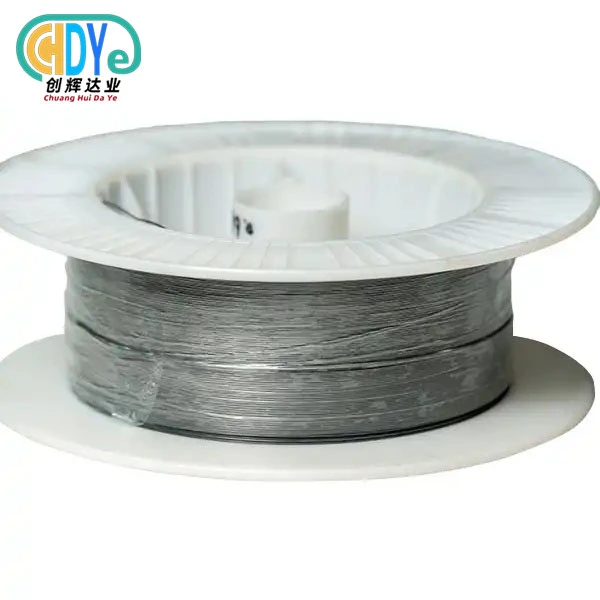
Core Industrial Applications and Benefits of Niobium Wire
Niobium wire is now an important part of technology progress in many areas. Procurement professionals can find the best uses for this material in their own processes by learning how different businesses use its unique properties.
Superconducting Technology and Medical Imaging
Magnetic Resonance Imaging systems all over the world are built on wires made of niobium and titanium. Working in liquid helium at 4 K, these wires keep up strong magnetic fields without losing energy, which lets you see soft tissue in great detail. MRI magnets can consistently make fields between 1.5 and 3 Tesla because of the material's critical temperature and current density. Nuclear Magnetic Resonance tools used in materials science and pharmaceutical research also rely on the superconducting properties of Niobium Metal Wire to analyze molecules at the molecular level. When buying wire for these uses, procurement teams put piece length requirements first because joints add resistance that lowers performance. Modern MRI magnet systems need wires that are longer than 10 kilometers in length. We can meet this requirement by carefully planning our production and making sure that quality is maintained.
Aerospace and High-Temperature Engineering
Niobium wire is useful for aerospace makers because it can be used in places where other materials fail. The wire's temperature expansion coefficient is very close to that of alumina ceramics. This makes hermetic seals in high-pressure sodium lighting systems that can withstand plasma conditions that are very corrosive. Niobium alloy wires that don't oxidize are used in engine parts that work above 1500°C to keep their tensile strength.The low density of the material compared to tungsten and molybdenum saves weight, which is very important for aerospace design. Niobium wire is great for making structural parts because it doesn't work harden like some other refractory metals do, so it can be used in complex structures without any problems.
Medical Device Innovation and Biocompatibility
Because it is so biocompatible, medical device technologists are choosing niobium wire more and more for implanted uses. However, niobium is bio-inert in the human body, unlike stainless steel or some titanium metals that can cause inflammatory reactions. Niobium wire used to make pacemaker leads doesn't rust when it comes into contact with body fluids, and it reliably sends electrical signals for decades. Neurostimulation devices benefit from the wire's ability to bend and not wear out easily, which is important for implants that are constantly moving. Woven niobium wire is used to make surgical mesh goods that reduce the risk of rejection and provide muscular support while tissues heal. These medical uses need traceability paperwork and material certificates that show they meet ASTM F67 and ISO 5832 standards. Our quality management system makes sure that these are sent with every shipment.
Electronics and Semiconductor Manufacturing
Niobium wire is used to make semiconductors. It is used as capacitor lines and feedthroughs in vacuum chambers. The material's stable electrical properties across a wide range of temperatures keep precision instruments' signals from getting weak. Niobium's low-loss properties are used by high-frequency electronic parts to keep signals in telecommunications infrastructure intact.Niobium wire heating elements are used in chemical vapor deposition tools because they can handle volatile process gases and keep temperatures even. Because the wire is resistant to thermal shock, it can go through fast changes in temperature without breaking down. This makes equipment last longer and cuts down on repair downtime.
Comparing Niobium Wire with Alternative Metal Wires
Performance Characteristics Across Materials
To choose the best wire material, you need to know how it compares in a number of different ways. Niobium Metal Wire is one of a kind because it is in a unique place between common metals like titanium and rare materials like tungsten. Corrosion Resistance: Niobium is more chemically stable than titanium in acidic settings, especially when it comes to hydrochloric and sulfuric acids. Niobium is about 60% cheaper than tantalum and has the same level of corrosion resistance, so it is a better choice for projects that want to save money without losing durability. Thermal Properties: Niobium's melting point is 2468°C, which is much higher than titanium's maximum of 1668°C. Even though tungsten has a higher melting point (3422°C), niobium is easier to work with and costs less to process because it is more flexible. Molybdenum works about the same at high temperatures as niobium, but it oxidizes more easily in air, so it needs safe atmospheres more often than niobium does. Electrical Conductivity: Copper is better at conducting electricity at room temperature, but niobium is completely free of resistance at freezing temperatures, making it useful in situations where copper can't. Niobium is perfect for high-field magnet systems and quantum computing infrastructure because of this property.
Cost-Effectiveness and Availability
The price of niobium has stayed the same since 2010, averaging around $41,500 per ton for ferroniobium material. Even though this is more than the price of base metal, the material's success in tough situations often makes up for the higher price by providing longer service life and requiring less upkeep. Niobium supply chains are more stable than those for precious metals because most of the production is in Brazil and Canada. Custom metal formulas let you get the best performance for a certain job. Our expert team helps clients choose the right niobium purity levels and alloy additions that balance performance needs with budget limits. This way, material standards are more in line with what operations actually need than with solutions that are over-engineered.
How to Source and Purchase Niobium Metal Wire for Your Business
Supplier Selection and Certification Requirements
Finding suppliers with complete quality management systems is the first step to successful procurement. Getting ISO 9001:2015 certification is a good way to make sure that the process is being controlled, and getting ASTM and AMS material certifications makes sure that the finished products meet industry standards. The company Shaanxi Chuanghui Daye Metal Material Co., Ltd. has these certificates and provides full traceability paperwork from the time they receive the raw materials to the time they are inspected at the end. When judging a supplier's abilities, you should look at how complex their production equipment is. Modern facilities with electron beam furnaces make purer materials than traditional melting methods. The diameter limits and quality of the surface finish are set by the rolling and drawing tools. Our Baoji plant is in China's "Titanium Capital," which means it has access to specialized annealing ovens and very clean production settings that are already set up to handle rare metals.
Minimum Order Quantities and Lead Times
Making niobium wire requires batch processing, which changes the economics of the minimum order. For standard diameters, the minimum order size is usually 25 to 50 kilograms. For custom diameters or alloy compositions, it may be necessary to order larger amounts to justify setting up the tools. We work closely with customers to find the best balance between inventory costs and production efficiency. For research institutions and prototype developers who need smaller quantities, we offer flexible batch scheduling. Production lead times depend on how hard the specifications are to meet and how readily available the starting materials are. Standard pure niobium wire in common diameters is sent out 4 to 6 weeks after the order is confirmed. Custom metal formulas or specialized surface treatments add extra steps to the process that take longer, up to 8 to 12 weeks. For tasks that need to be done quickly, we can do rush production, but prices may change because of the shorter schedule.
Custom Specification Capabilities
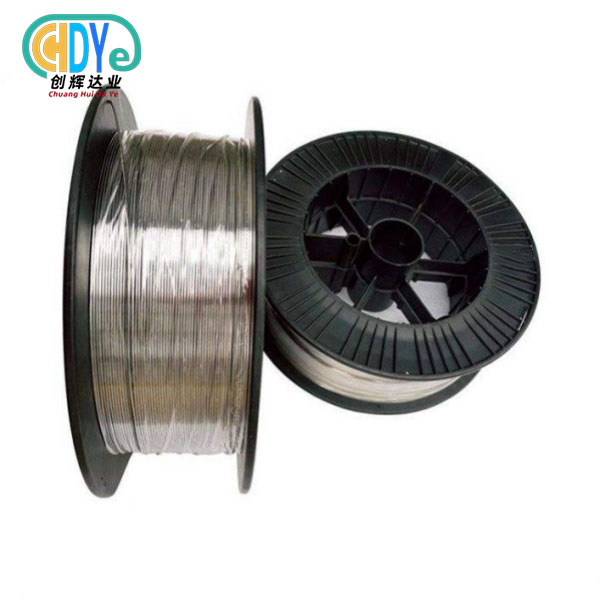
Technical needs often require customizations that go beyond what is available in a catalog. Our engineering team works with customers to come up with wire specifications that are perfect for each application. Customization of diameters for microelectronics starts at 0.1 mm and goes up to 6 mm for structural parts. You can choose a bright-annealed, black-annealed, or chemically cleaned surface finish, depending on what needs to be done next.By changing the alloy's makeup, its properties can be made to work best in certain situations. Niobium-zirconium alloys are stronger, and niobium-hafnium metals are better for use in nuclear power plants. To help customers qualify, we provide documentation of material properties like tensile strength, elongation, and grain structure analysis. Different handling systems can use different packaging configurations. Continuous lengths of up to 15 kilometers can be stored on spools for automatic processing, while straight-cut lengths are better for assembly by hand. All of the packaging uses vacuum sealing and desiccant protection to keep the surface from rusting while it is being stored and shipped.
Maximizing Your Investment: Best Practices for Using Niobium Wire
Proper Storage and Handling Protocols
Under the right storage conditions, Niobium Metal Wire stays very stable. When you're ready to use something, you should keep it in its original vacuum-sealed packaging. This is because letting it sit in water can form surface oxides that make welding and bonding harder. To keep wire surfaces from getting wet, storage places should keep the temperature between 15°C and 25°C and the relative humidity below 50%. Skin oils, lubricants, and particles should be kept to a minimum during handling. When you wear clean nitrile gloves, you don't leave behind fingerprints that can cause corrosion in chemical environments. Before important joining activities, isopropanol or acetone should be used to clean the wire surfaces and get rid of any contamination that came from storage.
Installation and Fabrication Best Practices
To keep oxygen and nitrogen from absorbing above 200°C while welding niobium, a neutral atmosphere must be present. Welding with tungsten inert gas in an atmosphere of ultra-pure argon makes clean joints that don't weaken. For important medical and aerospace uses where joint integrity can't be compromised, electron beam welding in vacuum chambers gives the best results. The strain-hardening properties of niobium should be taken into account when working with it in cold conditions. The material is very flexible at first, but it may need to go through a few annealing cycles between bending or shaping operations because it gets harder as it works. Based on the diameter of the wire and its intended use, our technical support team gives processing advice, such as the best bend radius, forming speed, and annealing temperature.
Maintenance Strategies for Extended Service Life
Niobium wire systems that have already been installed don't need much maintenance because the material is naturally stable. Visual checks are done on a regular basis to find problems before they get worse. When chemicals are being processed, looking for strange color changes can mean that process lines have contaminated the area and the system needs to be cleaned or adjusted. Superconducting magnet systems that use niobium wire work better when they stay at the right cold temperatures and don't go through thermal cycles, which can cause mechanical stress. When superconductivity loss happens, quench protection systems keep things from getting too hot, which could damage wire insulation or structural supports. Long-term reliability analysis is helped by keeping records of how the system was installed and how it has been used in the past. By keeping track of temperature exposures, mechanical loads, and chemical exposures, it is possible to see how they relate to performance trends. This lets you plan maintenance in advance so that unexpected failures don't happen.
Conclusion
Niobium Metal Wire works better than any other material in situations where extreme temperature sbeing absorbed, corrosion resistance, and superconducting abilities are needed. This unique material solves problems that regular metals can't, like making life-saving medical imaging technology possible and making chemical processing and aircraft engineering better. When buying, teams know about the qualities of niobium wire, its comparative benefits, sourcing strategies, and best practices; they can make choices that improve both the technical performance and the economics of the project. Due to its proven dependability in harsh settings, stable prices, and well-established supply lines, niobium wire is a smart choice for companies that want to be the best at technology.
FAQ
Q: What purity levels are available in niobium wire?
A: Standard niobium wire is 99.95% pure and can be used in most computer and industrial settings. Higher pure grades, up to 99.99%, are available for studying and making semiconductors that need very little interstitial contamination. Every shipment comes with a license that lists the chemicals that make it up, and this is confirmed by spectrographic analysis.
Q: Can niobium wire be welded to other metals?
A: With the right welding methods, niobium can be joined to tantalum, titanium, and some types of stainless steel. To keep joints from stress cracking, they need to be carefully designed because of differences in thermal expansion coefficients. To make sure reliable long-term performance, our engineering team gives joining suggestions based on specific material combinations and operating conditions.
Q: How does wire diameter affect application suitability?
A: Fine diameters below 0.5 mm work well for medical device leads and electronic parts that need to be flexible and have a small cross-section. Larger diameters, more than 2 mm, give structural uses and heating elements mechanical strength. When made using the right drawing and annealing processes, the material's features stay the same across a range of diameters.
Q: What lead times should be expected for custom orders?
A: Niobium wire with a standard width ships 1 to 2 weeks after an order is confirmed. Custom alloy compositions or diameters that aren't standard take 2 to 3 weeks to complete because they need to go through special processing steps. We stay in touch during production to give information on delivery and meet the needs of the project plan.
Partner with a Trusted Niobium Metal Wire Supplier
When they work with a customer, Shaanxi Chuanghui Daye Metal Material Co., Ltd. brings more than 30 years of experience with rare metals to the table. Our Baoji plant makes high-purity niobium wire that meets ASTM, AMS, and ISO standards and comes with full documentation that shows where it came from. We offer reliable shipping, low factory-direct prices, and helpful technical support to aerospace manufacturers, medical device makers, electronics companies, and research institutions all over the United States. Our quality management system, which is ISO 9001:2015 certified, makes sure that the properties of the materials are the same in every batch. Get in touch with our team at info@chdymetal.com to talk about your niobium wire needs and find out how our manufacturer-direct services can help your important projects.
References
1. Davis, Joseph R. (Editor). "ASM Specialty Handbook: Refractory Metals and Alloys." ASM International, Materials Park, Ohio, 1998.
2. Schultz, John M. "Niobium: Characteristics, Production and Applications." Nova Science Publishers, New York, 2012.
3. Kleykamp, Hansjoachim. "Constitution and Thermodynamics of the Niobium-Titanium System." Journal of Nuclear Materials, Volume 167, 1989.
4. Parikh, Narottam M. "Superconducting Materials for High Energy Physics Applications." Springer Series in Materials Science, 2016.
5. American Society for Testing and Materials. "ASTM B394-20: Standard Specification for Unalloyed Niobium Wire." ASTM International, West Conshohocken, Pennsylvania, 2020.
6. Boyer, Rodney, Welsch, Gerhard, and Collings, E.W. "Materials Properties Handbook: Titanium Alloys and Refractory Metals." ASM International, 1994.
Learn about our latest products and discounts through SMS or email