- English
- French
- German
- Portuguese
- Spanish
- Russian
- Japanese
- Korean
- Arabic
- Greek
- German
- Turkish
- Italian
- Danish
- Romanian
- Indonesian
- Czech
- Afrikaans
- Swedish
- Polish
- Basque
- Catalan
- Esperanto
- Hindi
- Lao
- Albanian
- Amharic
- Armenian
- Azerbaijani
- Belarusian
- Bengali
- Bosnian
- Bulgarian
- Cebuano
- Chichewa
- Corsican
- Croatian
- Dutch
- Estonian
- Filipino
- Finnish
- Frisian
- Galician
- Georgian
- Gujarati
- Haitian
- Hausa
- Hawaiian
- Hebrew
- Hmong
- Hungarian
- Icelandic
- Igbo
- Javanese
- Kannada
- Kazakh
- Khmer
- Kurdish
- Kyrgyz
- Latin
- Latvian
- Lithuanian
- Luxembou..
- Macedonian
- Malagasy
- Malay
- Malayalam
- Maltese
- Maori
- Marathi
- Mongolian
- Burmese
- Nepali
- Norwegian
- Pashto
- Persian
- Punjabi
- Serbian
- Sesotho
- Sinhala
- Slovak
- Slovenian
- Somali
- Samoan
- Scots Gaelic
- Shona
- Sindhi
- Sundanese
- Swahili
- Tajik
- Tamil
- Telugu
- Thai
- Ukrainian
- Urdu
- Uzbek
- Vietnamese
- Welsh
- Xhosa
- Yiddish
- Yoruba
- Zulu
What Is ASTM B863 Titanium Wire and Its Key Benefits?
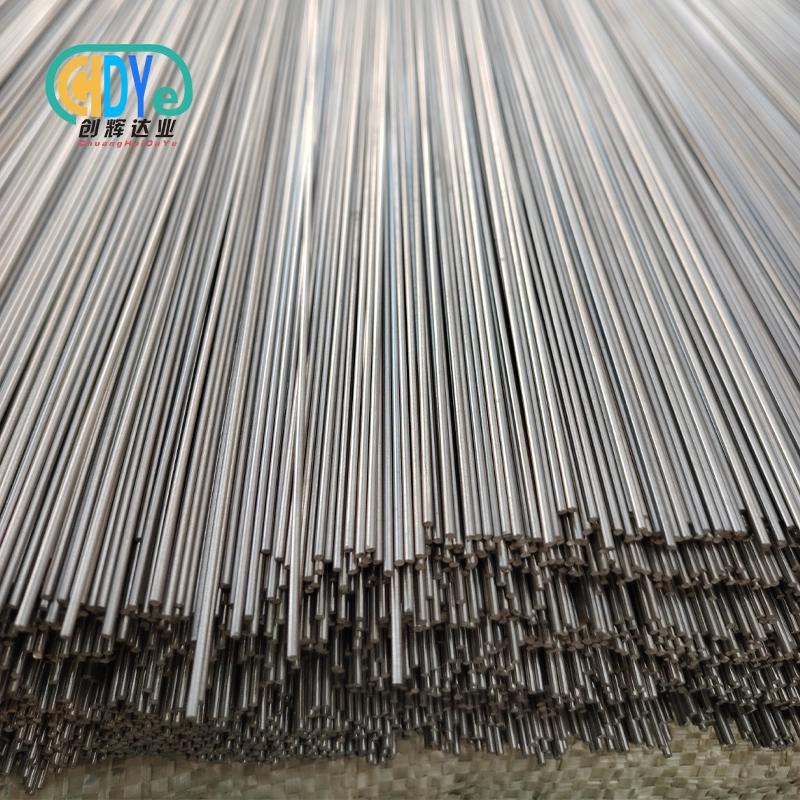
ASTM B863 titanium wire is a high-quality industrial material that was made to meet the exact needs of titanium and titanium alloy wire uses in the chemical processing, aircraft, and medical fields. That is why this particular wire is very strong for its weight and doesn't rust easily. Because of this, it is necessary for efficient production, welding, and building parts. You can get the wire straight, in coils, or on spools. The sizes range from 0.15 mm to 7 mm. It can be used in many different business settings because of this, and it still has the same material properties and measures.
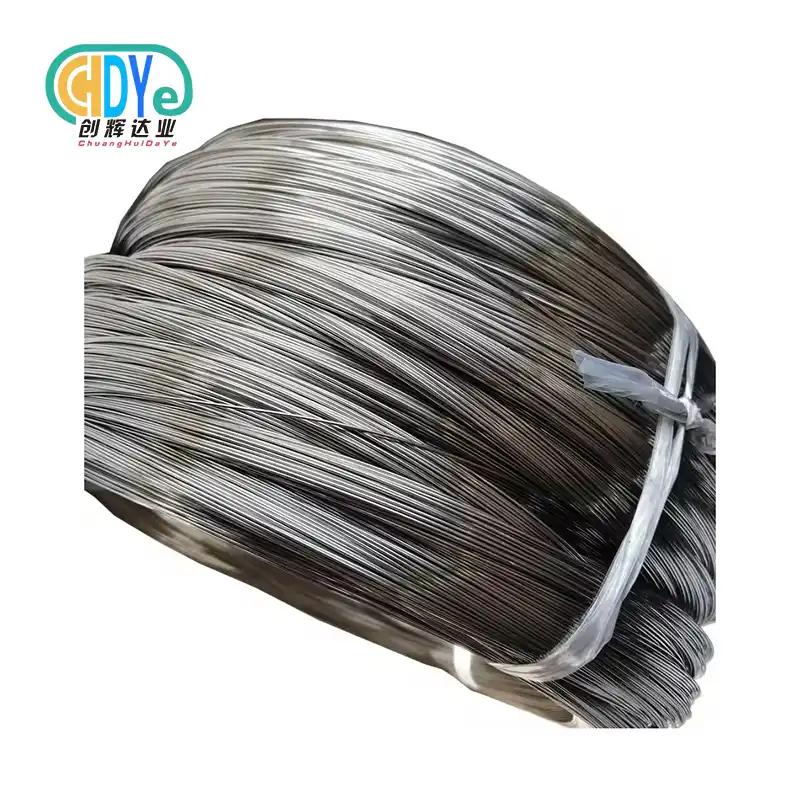
Understanding ASTM B863 Titanium Wire Specifications
The ASTM B863 standard tells us everything we need to know about titanium and titanium alloy wire that is used in space and in business. This standard includes different kinds of pure titanium and titanium alloys. Each is made to work well in a certain setting and meet certain performance needs.
Chemical Composition and Grades
According to ASTM B863, there are different grades of titanium. Grades 1 through 4 are widely pure titanium types. The highest level of corrosion protection is found in Grade 1, but it is also less strong. Grade 4 has higher strength qualities. The chemical makeup carefully manages impurities like oxygen, nitrogen, carbon, and iron levels to make sure that the mechanical qualities and resistance to rust are always the same. The standard also names different grades of titanium alloys, like Grade 5 (Ti-6Al-4V) and Grade 9 (Ti-3Al-2.5V). These grades are harder and better able to handle high temperatures because they have more aluminum and vanadium in them. When you compare these alloying elements to pure titanium grades, they create a grid that keeps the flexibility but makes the tensile strength a lot higher.
Manufacturing Standards and Quality Control
To make wire that meets ASTM B863, vacuum heating methods are needed to get rid of contamination and make sure that the chemicals are all the same. The steps in the manufacturing process include precise drawing, controlled heating, and surface finishing. For smaller lengths, these steps keep the tolerances for size within ±0.025mm. As part of quality assurance processes, all kinds of tests must be done, such as checking the tensile strength, doing chemistry analyses, and looking at the microstructure. Ultrasonic testing is done on each production lot to find problems inside, and surface quality testing makes sure there are no cracks, inclusions, or physical differences that could affect how well the product works in serious situations.
Key Benefits of ASTM B863 Titanium Wire for Industrial Applications
As time goes on, more and more industries depend on ASTM B863 titanium wire for tasks that need to work perfectly in harsh circumstances. The material has a special mix of qualities that make it good at solving problems that regular materials can't.
Superior Corrosion Resistance Properties
It is amazing how well titanium wire can stand up to harsh conditions like the ocean, chlorine compounds, and acidic solutions. The substance creates a strong oxide layer that fixes itself when it gets broken, shielding it from chemical attack all the time. This quality is very useful in chemical processing equipment, naval uses, and offshore sites where a material failure could have terrible results. This material doesn't rust even in high-temperature places where other materials break down quickly. Titanium, unlike stainless steel options, keeps its protective properties at high temperatures and doesn't crack under stress in chloride settings.
Exceptional Strength-to-Weight Ratio
Titanium wire is stronger than it is heavy, which means it can be used in aircraft applications that need to reduce weight while keeping the structure strong. When it comes to making airplanes, this trait is especially useful because every pound of weight loss means better fuel economy and payload capability. Engineering estimates show that titanium wire can be used instead of heavy materials that can hold the same amount of weight or more. The modulus of flexibility of the material lets designers be flexible and come up with ways to make parts work better without sacrificing safety.
Biocompatibility and Medical Applications
Because it is biocompatible, titanium wire is used by companies that make medical devices for surgical implants and tools. The material doesn't respond badly with human flesh and doesn't break down in body fluids, so the implant will stay stable for a long time. Titanium is not magnetic, so it can be used with magnetic resonance imaging (MRI) treatments. This means that people who have titanium implants can go through medical imaging without any problems. This benefit makes the material more useful in medical settings where tracking after surgery is important.
Comparison and Decision Factors for Choosing ASTM B863 Titanium Wire
To choose the right titanium wire specification, you need to know the differences between ASTM B863 and other similar standards and compare the performance of the titanium wire to other materials.
ASTM B863 vs. Other Titanium Standards
The main difference between ASTM B863 and ASTM B348 (the titanium bar and billet standard) is the size standards and the types of uses that are meant for them. While B348 is more about bigger cross-sections for machining, B863 is more about the needs of wire applications, such as welding electrodes and small structure parts. The standard also has tighter requirements for surface quality than ASTM B861 (the standard for seamless pipes). This makes sure that the standard works well in situations where surface flaws could cause wear failures. These differences help engineers find the standard that best fits the needs of their unique application.
Performance Comparison with Alternative Materials
When compared to stainless steel wire, ASTM B863 titanium wire is much less dense and has better rust protection in chloride conditions. But titanium's higher cost per pound needs to be weighed against its benefits over its lifetime, such as less upkeep and a longer useful life. The material is better at resisting galling than austenitic stainless steels, which makes it useful for uses with threaded links or moving contacts. This feature makes it easier to put together and lowers the chance that a part will break during installation or upkeep.
Application-Specific Selection Criteria
For structural parts, aerospace usually needs Grade 5 titanium alloy wire because it is very strong. Chemical processing, on the other hand, usually chooses Grade 2 because it is the best mix of being resistant to rust and being easy to shape. Grade 4 or specific medical alloys that meet FDA biocompatibility standards are most often used in medical settings. When choosing a grade, temperature is also an important factor. Higher-strength metals keep their properties better at high temperatures than widely pure grades. Conditions of environmental contact, such as molecular makeup and concentration levels, set the lowest amount of corrosion resistance needed for safe operation.
Practical Procurement Guide for ASTM B863 Titanium Wire
Successful procurement of high-quality titanium wire requires careful evaluation of suppliers and the use of smart buying methods that keep supply chain risks to a minimum while still making sure that the material meets requirements.
Supplier Qualification and Certification Requirements
Trustworthy titanium wire providers keep their ISO 9001:2015 quality management certifications up to date, as well as aerospace industry certifications like AS9100 when they serve the aircraft market. These certifications show that the company is dedicated to the quality control procedures and paperwork needed for industrial uses. When you think about supply chain stability and technical help available, the site of the factory becomes important. When suppliers work with well-known titanium production centers, they have access to a lot of knowledge and a supply chain system that helps them keep quality and delivery performance high.
Quality Verification and Testing Protocols
To make sure that the new materials meet the standards set by ASTM B863, they should be inspected for their dimensions, their chemical makeup, and their mechanical properties. Sample testing methods help set baselines for seller performance and find possible quality differences before placing big orders. Traceability paperwork must link finished wire products to the places where they came from as raw materials. This includes records of the melt chemistry and the processing settings. This paperwork is necessary for apps that need to check the material's pedigree, and it also helps with failure analysis studies if there are performance problems.
Strategic Ordering Considerations
The minimum order numbers for ASTM B863 titanium wire are usually based on the economic batch sizes needed for efficient production. These quantities are usually between 100 and 1000 pounds, depending on the grade and diameter requirements. Lead times are usually 8 to 12 weeks for normal grades, and more time is needed to handle specialized metals. The way prices are set takes into account the cost of raw materials, the difficulty of the process, and the size of the order. Long-term supply deals can keep prices stable and make sure that goods are available when demand is high. When you handle your inventory strategically, you weigh the costs of keeping it on hand against the risks of supply problems or longer wait times.
Conclusion
ASTM B863 titanium wire is an important material option for fields that need high performance under tough conditions. This material is essential for aircraft, medical, and chemical processing because it is highly resistant to rust, has a great strength-to-weight ratio, and is biocompatible. When engineering teams know the design needs, performance benefits, and buying strategies, they can make the best material choices and build trusting supply chain partnerships. Investing in high-quality titanium wire pays off in the long run by lowering upkeep costs, increasing service life, and making operations more reliable in a wide range of industry settings.
FAQ
Q: Why is titanium wire preferred in aerospace applications over other materials?
A: Titanium wire has an amazing strength-to-weight ratio that makes it possible for airplanes to be lighter without losing their structural stability. The material keeps its mechanical features even at high temperatures and doesn't break down from fatigue under the repeated loading that is common in aircraft settings. Also, titanium's resistance to corrosion means that you don't have to worry about environmental damage during long work times.
Q: How do heat treatment processes affect titanium wire characteristics?
A: Controlled heating processes make titanium wire stronger and more flexible at the same time. Lower annealing temperatures keep higher levels of strength, but might make the material less flexible. On the other hand, higher temperature processes make the material more flexible but lower its final tensile strength. The exact heat treatment factors depend on what the heat treatment is going to be used for and what processing steps will be done afterward.
Q: What are typical delivery timelines for large-scale ASTM B863 wire orders?
A: Standard shipping times are 8 to 12 weeks for typical grades and sizes. It takes 12 to 16 weeks for unique alloys or non-standard specs. The schedule for production relies on the supply of raw materials, the factory's ability to make things, and the need for quality control tests. Orders that need to be delivered quickly may be accepted with extra fees and different shipping terms.
Q: How does titanium wire pricing compare to stainless steel alternatives?
A: At first, titanium wire is much more expensive than stainless steel—usually three to five times as much per pound. Lifecycle cost analysis, on the other hand, usually supports titanium because it needs less upkeep, lasts longer, and works better in corrosive environments. When you figure out the total cost of ownership, you should include how often you have to repair things, how much it costs to maintain them, and how long the system is down.
Partner with Chuanghui Daye for Premium ASTM B863 Titanium Wire Solutions
Shaanxi Chuanghui Daye stands as your trusted ASTM B863 titanium wire supplier, delivering precision-engineered materials from China's Titanium Capital in Baoji, Shaanxi Province. Our ISO 9001:2015-certified production methods guarantee consistent quality across wire diameters from 0.15mm to 7mm. You can get our wire in straight lengths, coils, or spools, depending on the needs of your application. With more than 30 years of experience working with rare metals and strict quality control measures like vacuum melting and precise drawing, we offer dependable supply chain solutions backed by full paperwork that can be traced back to its source. Working directly with a manufacturer who cares about technical quality and customer happiness is a big plus. Email us at info@chdymetal.com to talk about your titanium wire needs and find out how our experience can help you make the best decisions about how to buy them.
References
1. American Society for Testing and Materials. "ASTM B863-22 Standard Specification for Titanium and Titanium Alloy Wire." ASTM International Annual Book of Standards, Volume 02.04, 2022.
2. Boyer, Rodney R. "An Overview on the Use of Titanium in the Aerospace Industry." Materials Science and Engineering: A, Volume 213, Issues 1-2, 1996.
3. Lutjering, Gerd and James C. Williams. "Titanium: Engineering Materials and Processes." 2nd Edition, Springer-Verlag Berlin Heidelberg, 2007.
4. Donachie, Matthew J. "Titanium: A Technical Guide." 2nd Edition, ASM International Materials Park, Ohio, 2000.
5. Peters, Manfred, et al. "Titanium Alloys for Aerospace Applications." Advanced Engineering Materials, Volume 5, Issue 6, Wiley-VCH, 2003.
6. Schutz, R.W. and H.B. Watkins. "Recent Developments in Titanium Alloy Application in the Energy Industry." Materials Science and Engineering: A, Volume 243, Issues 1-2, 1998.
Learn about our latest products and discounts through SMS or email