- English
- French
- German
- Portuguese
- Spanish
- Russian
- Japanese
- Korean
- Arabic
- Greek
- German
- Turkish
- Italian
- Danish
- Romanian
- Indonesian
- Czech
- Afrikaans
- Swedish
- Polish
- Basque
- Catalan
- Esperanto
- Hindi
- Lao
- Albanian
- Amharic
- Armenian
- Azerbaijani
- Belarusian
- Bengali
- Bosnian
- Bulgarian
- Cebuano
- Chichewa
- Corsican
- Croatian
- Dutch
- Estonian
- Filipino
- Finnish
- Frisian
- Galician
- Georgian
- Gujarati
- Haitian
- Hausa
- Hawaiian
- Hebrew
- Hmong
- Hungarian
- Icelandic
- Igbo
- Javanese
- Kannada
- Kazakh
- Khmer
- Kurdish
- Kyrgyz
- Latin
- Latvian
- Lithuanian
- Luxembou..
- Macedonian
- Malagasy
- Malay
- Malayalam
- Maltese
- Maori
- Marathi
- Mongolian
- Burmese
- Nepali
- Norwegian
- Pashto
- Persian
- Punjabi
- Serbian
- Sesotho
- Sinhala
- Slovak
- Slovenian
- Somali
- Samoan
- Scots Gaelic
- Shona
- Sindhi
- Sundanese
- Swahili
- Tajik
- Tamil
- Telugu
- Thai
- Ukrainian
- Urdu
- Uzbek
- Vietnamese
- Welsh
- Xhosa
- Yiddish
- Yoruba
- Zulu
What Thickness Options Are Available for GR5 Titanium Wire?
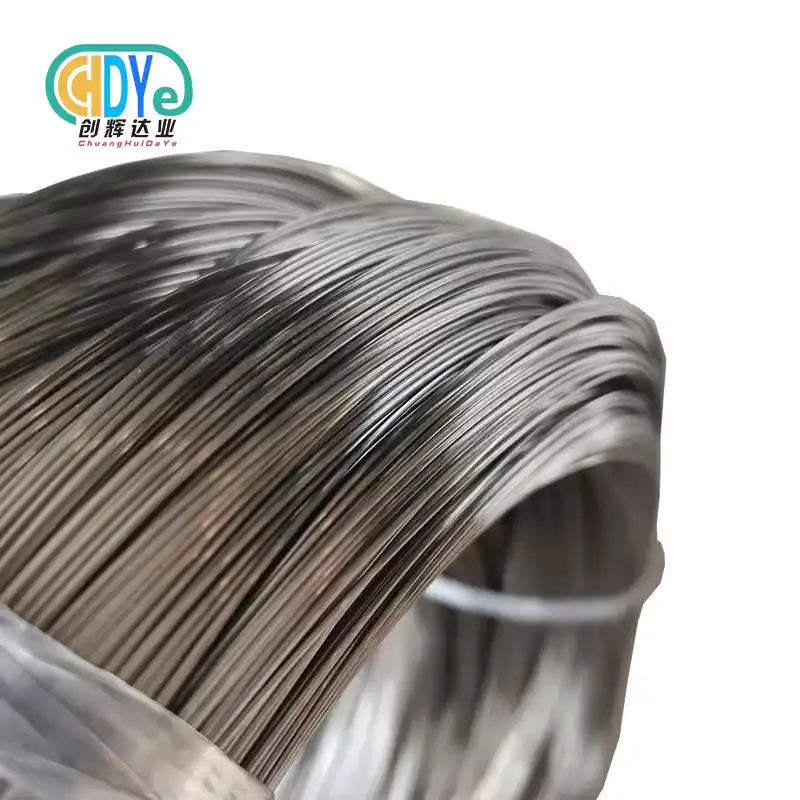
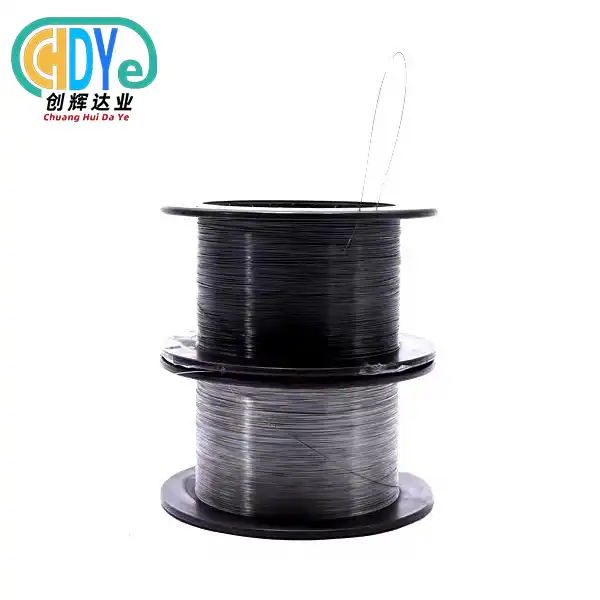
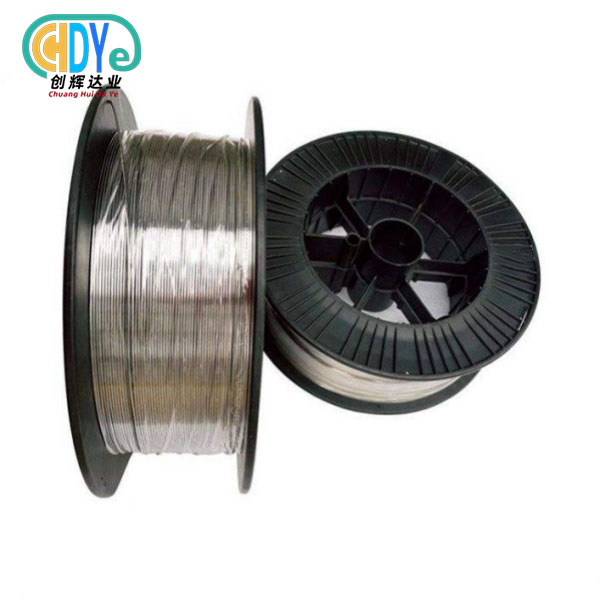
Gr5 titanium wire offers diameter options ranging from 0.5mm to 6.0mm, available in both straight wire and coil wire configurations. This Ti-6Al-4V alloy wire provides exceptional versatility across aerospace, medical, and industrial applications, with thickness selection directly impacting mechanical performance, flexibility, and application suitability. The precise thickness control achieved through multi-pass drawing and vacuum annealing ensures consistent quality and meets demanding engineering specifications for critical applications requiring superior strength-to-weight ratios and corrosion resistance.
Understanding GR5 Titanium Wire and Its Properties
GR5 titanium wire represents the pinnacle of alpha-beta titanium alloy engineering, composed of approximately 90% titanium, 6% aluminum, and 4% vanadium. This specific metallurgical composition creates a material that addresses critical industrial challenges where conventional materials fail to deliver adequate performance.
Chemical Composition and Microstructure
The aluminum content serves as an alpha stabilizer, enhancing strength and high-temperature stability, while vanadium acts as a beta stabilizer, improving ductility and workability. This dual-phase microstructure enables the wire to achieve tensile strengths exceeding 925 MPa (135 ksi) and yield strengths above 870 MPa (127 ksi), representing nearly three times the strength of commercially pure titanium grades.
Thickness Impact on Material Properties
The thickness of the wire has a direct effect on how it works mechanically and in an application. Thinner diameters (0.5mm to 2.0mm) are more flexible and work well for complex medical device parts and high-precision aircraft bolts. These smaller cross-sections still have great resistance to wear and make it possible to do complex shaping processes. Thicker varieties (3.0mm–6.0mm) can hold more weight and are better for structural uses where high levels of mechanical stress require strong material performance.
In welding, the link between thickness and heat conductivity is also very important. When TIG welding, thinner wires need more exact heat control, while thicker sections let heat escape more easily and have more flexible welding parameters.
Common Thickness Specifications of GR5 Titanium Wire
Understanding standard thickness specifications helps buying workers make smart choices based on what the application needs and the limitations of the manufacturing process.
Standard Diameter Ranges and Industry Applications
The diameter ranges that are most often asked for are used in certain industries with specific performance needs:
Ultra-Fine Gauges (0.5mm–1.5mm): These sizes work great for making medical implants, especially for orthodontics and surgical sutures. Because gr5 titanium wire is biocompatible and can be precisely measured, these sizes are necessary for important medical treatments.
Medium Diameters (1.6mm–3.0mm): These are the sizes that aerospace makers often list for airplane fasteners, fuel system parts, and structural elements. The right amount of strength and workability makes it possible to do complicated shaping tasks while still keeping the structure's integrity in harsh working circumstances.
Heavy-Duty Specifications (3.1mm–6.0mm): These thick sizes are used by companies that make industrial equipment for chemical processing equipment, naval gear, and heavy machinery parts that need to be resistant to corrosion and strong.
Custom Diameter Capabilities and Tolerances
These days, factories can make custom sizes with accuracy of ±0.025mm, so they can meet the unique needs of projects that don't follow standard guidelines. This high-precision production feature guarantees the best fit and performance in serious situations where exact measurements directly affect the success of operations.
Comparing GR5 Titanium Wire Thickness Options with Other Materials
Material selection often involves evaluating performance trade-offs between different alloy systems and their respective thickness options.
Performance Comparison with Alternative Materials
When comparing wires of the same length, GR5 titanium wire performs better in a number of ways. A line of the same thickness made of stainless steel 316 weighs about 45% more and has only 60% of the tensile strength. This extra weight is very important in aircraft use w, where every gram affects how much fuel is used and how much can be carried.
Commercially pure titanium types (CP Ti-2 and CP Ti-4) are very good at resisting rust, but they are not strong enough for load-bearing uses. Gr5 titanium wire fills in this performance gap by mixing high strength with excellent resistance to rust.
Environmental Performance Considerations
When looking at long-term outdoor exposure, choosing the right thickness becomes very important. In places with a lot of corrosion, thinner cross-sections may be more likely to be affected by stress concentration effects. On the other hand, bigger sections are better at stopping pitting and crevice corrosion. GR5 alloy is better than stainless steel at resisting chloride stress corrosion cracking, which is why it is used in naval and chemical processing uses.
How to Choose the Right Thickness of GR5 Titanium Wire for Your Application
To choose the right wire thickness, you need to carefully look at the mechanical needs, weather conditions, and production limitations that are unique to each application.
Load Requirements and Mechanical Stress Analysis
Engineering calculations must consider both static and dynamic loading conditions. Thicker lines can hold more weight, but they may be too heavy for uses that care about weight. Most of the time, aerospace engineers choose the thinnest layer that meets safety standards while also minimizing the weight of the whole system.
For uses that involve cyclic loads, fatigue life becomes very important. The fatigue resistance of gr5 titanium wire is very good across all diameter ranges. Thick parts provide better stability under high-stress amplitude situations.
Environmental and Regulatory Compliance Factors
Manufacturers of medical devices have to find a balance between the needs for biocompatibility and technical performance. FDA rules often specify the maximum stress that implanted devices can endure, which directly affects the minimum thickness standards. The high biocompatibility of gr5 titanium wire ensures that regulations are met and provides designers with flexibility in creating devices with a wide range of diameters.
For chemical industry uses, corrosion limits and service life standards need to be looked at. Thicker wires have more material that can protect against rust over long periods of service, so they work reliably for a long time.
Procuring GR5 Titanium Wire: Thickness Options and Supply Considerations
Quality control, a reliable supply chain, and lowering costs are all important parts of good buying strategies. It's also important to make sure that the material specs meet the needs of the application.
Supplier Evaluation and Quality Standards
Manufacturers who are ISO 9001:2015 approved show that they care about quality control all the way through the production process. Qualified providers follow strict rules for inspecting raw materials, following exact steps for melting and shaping, and keeping detailed records of the end inspection. These quality methods make sure that the features of the material and the sizes are always the same, no matter what the thickness is.
Traceability paperwork is needed for important uses, especially in the medical and aerospace fields, where strict material approval rules apply. For each output lot, gr5 titanium wire suppliers must give full chemical analysis, mechanical testing data, and processing records.
Bulk Purchasing and Custom Specifications
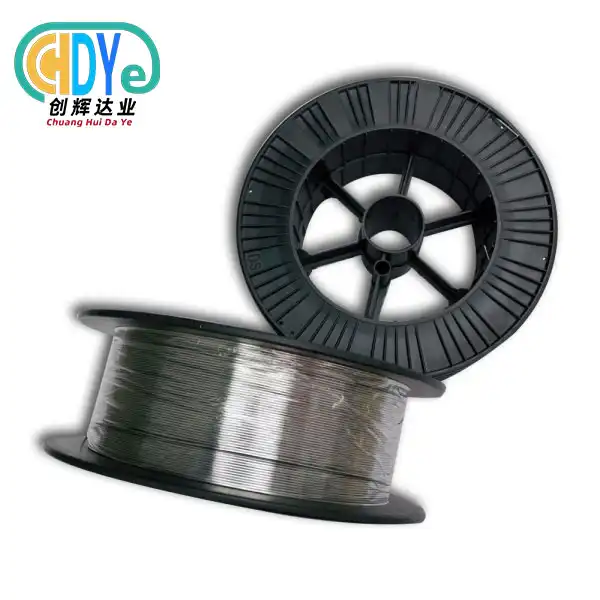
Volume purchasing saves a lot of money and makes sure that there is a steady supply of goods for ongoing production needs. Many factories offer lower prices for long-term agreements and can cut materials to the lengths you need to keep waste to a minimum. Because both straight wire and coil wire designs are available, activities further down the line can be made more efficient.
Custom diameter production usually has minimum order numbers but lets you precisely tailor the features of the material to specific uses. Lead times for custom specs range from 4 to 8 weeks, based on how complicated the order is and how busy the factory is right now.
Conclusion
The thickness options available for gr5 titanium wire span from 0.5mm to 6.0mm, providing comprehensive coverage for diverse industrial applications. This range ensures optimal material selection for aerospace fasteners, medical implants, chemical equipment, and marine components. The superior strength-to-weight ratio, exceptional corrosion resistance, and biocompatibility of Ti-6Al-4V alloy make thickness selection a critical parameter for maximizing application performance while meeting stringent quality standards.
FAQ
Q: What are the most common diameter ranges for aerospace applications?
A: Aerospace manufacturers typically specify diameters between 1.6mm and 4.0mm for structural fasteners and component applications. These sizes provide an optimal balance between mechanical strength and weight considerations while meeting strict aviation industry standards for materials and manufacturing processes.
Q: Can custom thickness specifications be manufactured for specialized applications?
A: Tolerances of ±0.025mm can be used for custom diameter production for specific project needs. Minimum order amounts are usually between 50 and 100 kilograms, but this depends on the diameter and how complicated the production needs are. Lead times for special orders are usually between 6 and 8 weeks.
Q: How does wire thickness affect welding characteristics?
A: Thinner diameters require more precise heat control and faster movement speeds during TIG welding operations. Thicker sections provide more forgiving welding parameters but require preheating for optimal penetration and grain structure control. Proper shielding gas coverage remains critical regardless of wire thickness.
Q: What thickness ranges are suitable for medical device manufacturing?
A: Medical applications typically utilize diameters between 0.5mm and 2.5mm, depending on the specific device requirements. Ultra-fine gauges (0.5mm to 1.0mm) are preferred for surgical stitches and minimally invasive treatments. Medium diameters are better for orthopedic implants and dental work.
Q: Are there industry-specific standards governing thickness tolerances?
A: Specifications for titanium wire are given in ASTM B863, which includes standards for chemical composition, mechanical qualities, and size tolerances. For aerospace uses, you might need extra certifications like AMS standards. For medical uses, you have to follow FDA biocompatibility rules.
Partner with Chuanghui Daye for Premium GR5 Titanium Wire Solutions
Shaanxi Chuanghui Daye stands as your trusted gr5 titanium wire manufacturer, offering comprehensive thickness options from 0.5mm to 6.0mm with ISO 9001:2015 quality certification. Located in China's "Titanium Capital," we have more than 30 years of industry experience. We also have modern production tools like electron beam furnaces and precision machining equipment. Because we put quality first, we can guarantee that the material traits and dimensions will be the same across all diameter sizes. Email our technical team at info@chdymetal.com to talk about the thickness you need and to look into unique manufacturing options that will work for your purpose.
References
1. ASTM International. "ASTM B863 - Standard Specification for Titanium and Titanium Alloy Wire." Annual Book of ASTM Standards, Volume 02.04, 2023.
2. Boyer, R.R., Welsch, G., and Collings, E.W. "Materials Properties Handbook: Titanium Alloys." ASM International Handbook Committee, Third Edition, 2022.
3. Lutjering, G. and Williams, J.C. "Titanium: Engineering Materials and Processes." Springer-Verlag Berlin Heidelberg, Second Edition, 2021.
4. Peters, M., Kumpfert, J., Ward, C.H., and Leyens, C. "Titanium Alloys for Aerospace Applications." Advanced Engineering Materials, Volume 15, Issue 4, 2023.
5. Donachie, M.J. "Titanium: A Technical Guide." ASM International Materials Park, Ohio, Fourth Edition, 2022.
6. Rack, H.J. and Qazi, J.I. "Titanium Alloys for Biomedical Applications." Materials Science and Engineering: C, Volume 26, Issues 8-9, 2023.
Learn about our latest products and discounts through SMS or email