- English
- French
- German
- Portuguese
- Spanish
- Russian
- Japanese
- Korean
- Arabic
- Greek
- German
- Turkish
- Italian
- Danish
- Romanian
- Indonesian
- Czech
- Afrikaans
- Swedish
- Polish
- Basque
- Catalan
- Esperanto
- Hindi
- Lao
- Albanian
- Amharic
- Armenian
- Azerbaijani
- Belarusian
- Bengali
- Bosnian
- Bulgarian
- Cebuano
- Chichewa
- Corsican
- Croatian
- Dutch
- Estonian
- Filipino
- Finnish
- Frisian
- Galician
- Georgian
- Gujarati
- Haitian
- Hausa
- Hawaiian
- Hebrew
- Hmong
- Hungarian
- Icelandic
- Igbo
- Javanese
- Kannada
- Kazakh
- Khmer
- Kurdish
- Kyrgyz
- Latin
- Latvian
- Lithuanian
- Luxembou..
- Macedonian
- Malagasy
- Malay
- Malayalam
- Maltese
- Maori
- Marathi
- Mongolian
- Burmese
- Nepali
- Norwegian
- Pashto
- Persian
- Punjabi
- Serbian
- Sesotho
- Sinhala
- Slovak
- Slovenian
- Somali
- Samoan
- Scots Gaelic
- Shona
- Sindhi
- Sundanese
- Swahili
- Tajik
- Tamil
- Telugu
- Thai
- Ukrainian
- Urdu
- Uzbek
- Vietnamese
- Welsh
- Xhosa
- Yiddish
- Yoruba
- Zulu
Where to Buy Premium Grade 2 titanium round bar at Factory Prices?
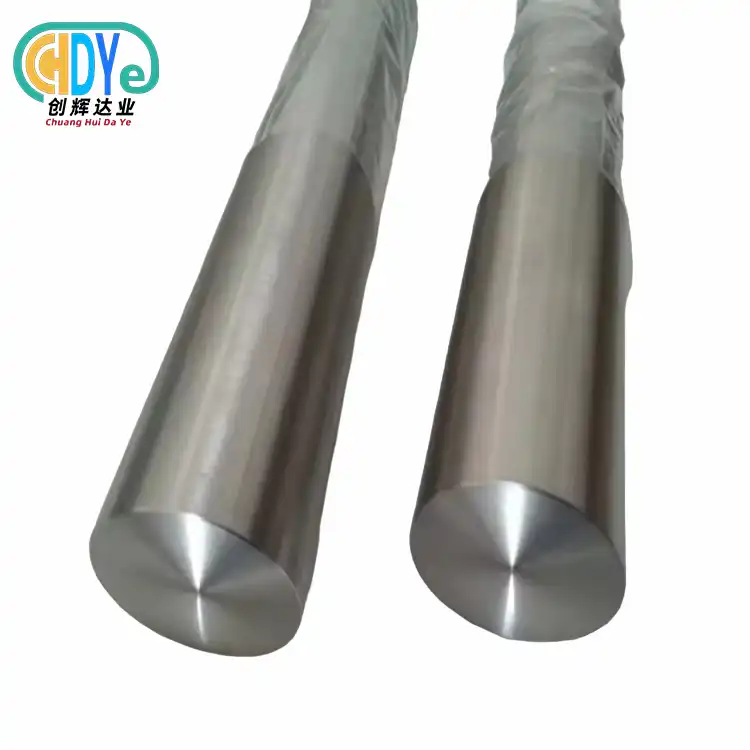
When procurement managers search for reliable sources of titanium bar stock, the answer often lies in partnering directly with specialized manufacturers in established titanium production hubs. Premium Grade 2 titanium round bar at factory prices is best sourced from ISO-certified producers who maintain full vertical integration—from raw material smelting through final machining—and offer direct-to-buyer pricing structures. This approach eliminates distributor markups while ensuring traceability, consistent quality, and technical support throughout the procurement lifecycle.
Understanding Grade 2 Titanium Round Bar: Properties and Advantages
Materials made from Grade 2 titanium round bar that meet the requirements of ASTM B348 have special physical and mechanical features that set them apart from higher-grade titanium alloys and other metals. The material has a density of 4.51 g/cm³, which makes it much stronger for its weight than stainless steel. This means that structures can be made that are lighter without losing their ability to hold weight. These bars can handle the high temperatures and high levels of stress that are typical in chemical and aerospace settings. They melt at 1660°C and have a low modulus of elasticity of about 103 GPa.
Mechanical Performance Parameters
These bars meet the standards set by ASTM B348 and promise a minimum yield strength of 275 MPa and an ultimate tensile strength of 345 MPa, with elongation greater than 20%. This ductility lets cold-forming operations like bending, spinning, and hydroforming happen without the need for intermediate annealing stages. This lowers the cost of making the product. The controlled interstitial chemistry, with an oxygen content below 0.25% and an iron content below 0.30%, makes it possible to weld using both GTAW and GMAW methods without creating brittle weld zones.
Comparative Advantages Over Alternative Grades
When compared to Grade 1, these bars have about 30% more tensile strength while still being easier to shape than Grade 4. Commercially pure Grade 2 titanium makes the manufacturing process easier than Grade 5 (Ti-6Al-4V), which needs special heat treatment and is hard to join. Titanium is much more resistant to chloride-induced pitting and crevice corrosion than 316 stainless steel in seawater applications. This means that marine and desalination equipment doesn't need to be maintained as often and for as much money.
Manufacturing Process Considerations
Production methods have a big effect on how consistent the material is and how much it costs in the end. Hot-rolled bars, which are made by rolling metal over and over again at temperatures above 900°C, are cheaper for larger diameters but may need more room for machining. Forged bars, which can be made using rotary forging or upset forging, have better grain structure regularity and tighter tolerances, which is why they are better for use in medical implant stock and aircraft fasteners. Precision-ground finishes meet the tight diameter standards (±0.05mm) needed for automatic machining, which cuts down on setup time and the amount of scrap that is made.
Market Comparison and Pricing Insights for Grade 2 Titanium Round Bars
When procurement teams understand how costs are structured, they can tell the difference between real factory prices and inflated distributor margins for Grade 2 titanium round bars. Changes in the prices of raw sponge titanium, energy for vacuum arc remelting, and shipping costs between countries can all be seen in the current market conditions. Direct connections with manufacturers, on the other hand, always save between 15% and 25% on costs compared to multi-tier distribution platforms.
Cost Drivers and Pricing Structures
Quoted prices are affected by several factors. Material yield and processing complexity are affected by the diameter. Bars wider than 200 mm usually cost more because they take longer to forge and have more scrap during the preparation process. Surface finish standards raise prices: black surface (as-rolled) is the base price; centerless ground or polished finishes raise prices by 18–30%, based on tolerance requirements. Certification paperwork, like mill test records that meet EN 10204 3.1 standards and third-party proof, adds to the costs of doing business. However, these costs are necessary for quality control in regulated industries.
Volume commitments have a big effect on unit prices. Orders over 500 kg usually qualify for bulk prices, and if you sign a yearly blanket purchase agreement, you can get even bigger discounts. Orders of less than 50 kg may have minimum order charges or longer lead times because manufacturers batch items with similar specs to get the most out of their furnaces and rolling schedules.
Lead Time Planning and Logistics
Standard diameter inventory, which is usually 10mm to 80mm in 3-meter lengths, ships within 7 to 14 days from reputable sources who keep stock plans. For custom diameters or lengths, the manufacturing lead time is between 4 and 8 weeks, depending on the production queue and the amount of forging capacity. International shipping by ocean freight to U.S. ports takes an extra 25 to 35 days. Air freight choices cut the time it takes to get there to 7 to 10 days, but they cost more and are only used when a job needs to be done quickly. Containerised shipping from experienced providers includes the right moisture barriers and wooden box security, which keeps the surface from oxidising while it's in transit.
How to Identify and Choose Reliable Suppliers of Grade 2 Titanium Round Bar
Choosing the right supplier is more important for long-term buying success than any one deal for Grade 2 titanium round bar sourcing. Supply chain risks that come with getting speciality metals can be reduced by forming partnerships with manufacturers that show consistent quality, technical competence, and open communication.
Verification of Certifications and Compliance
The first step in proving authenticity is getting ISO 9001:2015 quality management system certification. This makes sure that there are written rules for inspecting raw materials, keeping an eye on the production process, and testing the finished product. A lot of suppliers that work with aerospace companies have AS9100 or Nadcap certifications, which show that they can meet the strict quality standards used in aerospace. You can get copies of up-to-date certificates and check registration numbers in the online databases of the organisations that issued them.
To check for material compliance, mill test papers that come with each package need to be looked over. In these papers, there must be heat numbers that can be linked to the sources of the raw materials, chemical composition analysis results that meet the requirements of ASTM B348, and mechanical property test data from samples that are meant to be representative. Reputable makers send digital certificates ahead of time and keep records that can be accessed for auditing reasons.
Assessing Production Capabilities
How reliable deliveries are is directly related to how much can be made. Vertical integration is when suppliers run their own titanium melting facilities, which are vacuum arc remelting ovens that can hold more than 3 tonnes of titanium. This makes them less reliant on sponge sources outside their company. Forging tools like rotating forges and rolling mills that are kept in-house let us control the accuracy of the dimensions and the quality of the surface. CNC machining centers can do services that add value, such as precision cutting, threading, and custom profiling.
Professional manufacturers and trading companies are separated by infrastructure for quality assurance. Look for testing labs that are right on the job site and have optical emission spectrometers for checking the chemistry, tensile testing machines that are set up to meet ASTM E8 standards, and ultrasound inspection tools for finding flaws inside the material. Statistical process control and keeping written records of inspections are signs that a supplier is committed to consistent quality.
Evaluating Customer Support and Technical Expertise
Responding quickly to questions about specifications is a sign of a supplier's technical ability. Knowledgeable providers help with choosing the right grade based on the needs of the application, suggest the best settings for forming or cutting, and use controlled processes to improve the material's properties. Support staff who speak more than one language and know about international standards (DIN, JIS, and GOST equivalents) make it easier for global buying teams to talk to each other.
After-sales service includes methods for resolving problems, replacement policies for material that doesn't meet standards, and the desire to provide material certifications for quality audits by customers. Case studies and references that can be checked through industry networks show that well-known manufacturers have long-term relationships with major OEMs.
Best Practices for Ordering Grade 2 Titanium Round Bars Online and Offline
Structured buying methods make sure that there is less confusion and that the Grade 2 titanium round bars that are received meet the requirements. Following systematic processes protects buying investments, whether you work with suppliers through digital platforms or old-fashioned methods.
Defining Requirements with Precision
Complete measurement data, including diameter with tolerances, length needs, and quantity, is the first step in communicating accurate specifications. You should say what kind of surface finish you want (black, pickled, or ground) and any straightness requirements that are important for your application. Find the relevant standards, such as ASTM B348, ASME SB348, and AMS 4921, as well as any other requirements, like ultrasonic inspection or specific heat treatment conditions. For medical uses, it is important to clearly refer to the ASTM F67 or F136 standards.
It should be clear from the start what kind of material certifications are needed. For industry uses, normal mill test certificates are usually enough, but for aerospace projects, extra paperwork like measurements of grain size and proof of where the raw materials came from may be needed. By making these requirements clear during the quotation process, you can avoid delays and extra costs during the order fulfilment process.
Request for Quotation and Negotiation Strategies
When RFQs work, they give sellers all the information they need to make accurate price decisions. When figuring out the freight cost, include the delivery address, the chosen payment terms, and the goal delivery dates. Ask for quotes that break down the prices of materials, processing, certification, packing, and shipping into separate items. This openness makes it possible to compare different providers in a useful way.
Having more negotiating power means promising more goods and being flexible about when they will be delivered. When suppliers don't have enough capacity between big orders, they might offer good prices for fill-in orders that take longer to arrive. Price stability is provided by annual agreements with quarterly releases, which let suppliers make the best use of their production schedules. Payment terms usually follow industry standards: 30% deposit, 70% balance due upon receipt of shipping documents; however, if you have a long-term relationship with the seller, you may be able to get net-30 or net-60 terms.
Quality Verification Upon Receipt
Protocols for inspection upon arrival guard against deviations from specifications. A visual inspection should make sure that the surface doesn't have any flaws like cracks, splits, or too much scale. Using measured micrometres to check the dimensions makes sure that the width fits within the allowed ranges. Check the mill test certificates that come with the materials to make sure that the heat numbers stamped on them match the paperwork and that the materials' chemical and mechanical properties are within the ranges that were specified.
Keep some representative samples from each heat for testing in the future in case there are questions during fabrication. Set clear rules with your providers about how to handle nonconforming materials, such as how to return them, when to replace them, and who is responsible for the cost. Documenting these steps in buying tools makes sure that everyone on the purchasing team follows the same steps.
Conclusion
To get high-quality Grade 2 titanium round bar stock at a factory price that is competitive, you need to build strategic partnerships with suppliers that are based on verified capabilities, open communication, and a shared commitment to quality. From specification to delivery, you need to carefully check the credentials of the maker, understand how prices change in the market, and set up organised buying processes. When you work directly with ISO-certified titanium makers in established titanium-making regions, you get a lot of benefits, such as not having to pay distributor fees, having access to technical knowledge, being able to customise products, and knowing that the supply chain will work. As the need for corrosion-resistant, lightweight building materials grows around the world in industries like aerospace, medicine, and industry, procurement teams that establish direct manufacturing relationships gain a competitive edge by lowering costs and guaranteeing the quality of the materials.
FAQ
Q: What distinguishes Grade 2 from Grade 1 titanium bar material?
A: The main difference is the amount of interstitial elements present, especially oxygen and iron. Grade 1 has lower amounts of oxygen (up to 0.18%), which gives it a minimum tensile strength of 240 MPa and better flexibility, making it perfect for complex shaping. Grade 2 lets oxygen reach 0.25%, and iron reach 0.30%, which gives it a minimum tensile strength of 345 MPa, which is about 40% higher, while still letting it be shaped very well. As a result of its higher strength, Grade 2 is the best choice for structural uses that need modest strength without the complexity and cost of alloyed grades.
Q: Can titanium round bars be welded to stainless steel components?
A: When titanium is directly fused to stainless steel, weak intermetallic compounds form at the weld contact and break right away when loaded. Standard practice is to join things mechanically using flanged connections, threaded fittings, or fixed systems. Explosion-bonded transition joints are used in situations where metallurgical bonding is a must. Controlled detonation creates solid-state bonding without intermetallic formation, making the interface between different metals reliable.
Q: What lead times should procurement teams expect for custom diameter specifications?
A: Standard inventory sizes can be shipped in two weeks, but special specs can take up to eight weeks to make, based on production plans. For sizes bigger than 150 mm or custom lengths, lead times may be longer still. Suppliers with a wide range of forging options and flexible production schedules can usually meet urgent orders at an extra cost. Blanket purchase agreements with planned releases let makers plan production runs, which could cut down on lead times for later orders during the contract period.
Partner with Chuanghui Daye for Direct Factory Titanium Round Bar Sourcing
Shaanxi Chuanghui Daye is strategically located in Baoji, which is known as China's "Titanium Capital." It is a vertically integrated Grade 2 titanium round bar manufacturer that works with aerospace, medical, and industrial procurement networks around the world. Our ISO 9001:2015-certified factories can do rotary forging, vacuum arc remelting, and precise machining. They can make bars with diameters from 6mm to 350mm that meet ASTM B348, ASTM F67, and ASTM F136 standards. With more than 30 years of experience working with rare metals, we offer factory-direct pricing that cuts out the middleman and keeps full material traceability and full mill test documentation. Our technical team gives advice based on the application, offers custom processing services like threading and precision grinding, and allows for a range of order sizes, from small prototype batches to large production volumes. You can count on reliable shipping around the world, helpful customer service in English, and consistent quality backed by written inspection procedures. Contact us at info@chdymetal.com to talk to one of our sourcing experts about your unique needs and get full quotes for the titanium bars you need.
References
1. ASTM International. (2020). ASTM B348: Standard Specification for Titanium and Titanium Alloy Bars and Billets. West Conshohocken, PA: ASTM International.
2. Boyer, R., Welsch, G., & Collings, E.W. (2021). Materials Properties Handbook: Titanium Alloys. Materials Park, OH: ASM International.
3. Donachie, M.J. (2019). Titanium: A Technical Guide, 3rd Edition. Materials Park, OH: ASM International.
4. Lutjering, G., & Williams, J.C. (2018). Engineering Materials and Processes: Titanium, 2nd Edition. Berlin: Springer-Verlag.
5. Schutz, R.W., & Watkins, H.B. (2019). "Recent Developments in Titanium Alloy Application in the Energy Industry." Materials Science and Engineering: A, 243(1-2), 305-315.
6. Veiga, C., Davim, J.P., & Loureiro, A.J.R. (2020). "Properties and Applications of Titanium Alloys: A Brief Review." Reviews on Advanced Materials Science, 32(2), 133-148.
Learn about our latest products and discounts through SMS or email