- English
- French
- German
- Portuguese
- Spanish
- Russian
- Japanese
- Korean
- Arabic
- Greek
- German
- Turkish
- Italian
- Danish
- Romanian
- Indonesian
- Czech
- Afrikaans
- Swedish
- Polish
- Basque
- Catalan
- Esperanto
- Hindi
- Lao
- Albanian
- Amharic
- Armenian
- Azerbaijani
- Belarusian
- Bengali
- Bosnian
- Bulgarian
- Cebuano
- Chichewa
- Corsican
- Croatian
- Dutch
- Estonian
- Filipino
- Finnish
- Frisian
- Galician
- Georgian
- Gujarati
- Haitian
- Hausa
- Hawaiian
- Hebrew
- Hmong
- Hungarian
- Icelandic
- Igbo
- Javanese
- Kannada
- Kazakh
- Khmer
- Kurdish
- Kyrgyz
- Latin
- Latvian
- Lithuanian
- Luxembou..
- Macedonian
- Malagasy
- Malay
- Malayalam
- Maltese
- Maori
- Marathi
- Mongolian
- Burmese
- Nepali
- Norwegian
- Pashto
- Persian
- Punjabi
- Serbian
- Sesotho
- Sinhala
- Slovak
- Slovenian
- Somali
- Samoan
- Scots Gaelic
- Shona
- Sindhi
- Sundanese
- Swahili
- Tajik
- Tamil
- Telugu
- Thai
- Ukrainian
- Urdu
- Uzbek
- Vietnamese
- Welsh
- Xhosa
- Yiddish
- Yoruba
- Zulu
Where to Buy Premium pure titanium sheet at Factory Prices?
When sourcing premium commercially pure titanium sheets, industrial buyers should focus on certified manufacturers with direct production capabilities and rigorous quality control systems. Pure titanium sheet suppliers offering factory-direct pricing typically operate in established titanium production hubs like Baoji, China, or locations with advanced melting and rolling infrastructure. True manufacturers keep their ISO 9001:2015 certification, offer grades GR1 through GR4 with different sizes, and offer full material tracking that meets ASTM B265 requirements. When you buy from makers directly, you don't have to pay markups to middlemen. You can also get help from experts, test examples, and faster shipping.
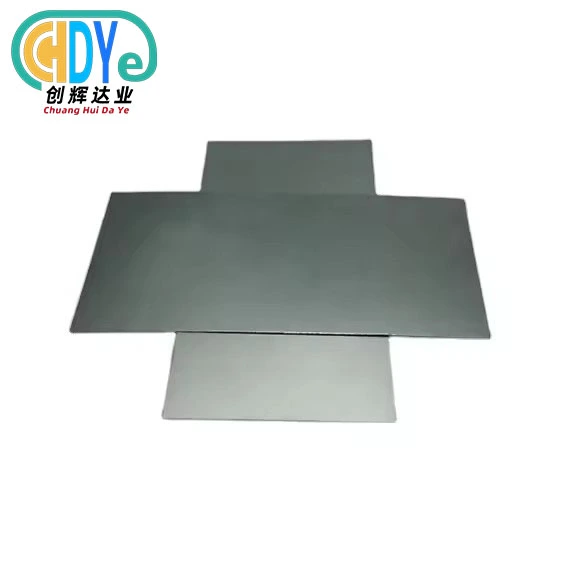
Understanding Pure Titanium Sheet: Key Properties and Grades
The pure titanium sheets you can buy in stores are a special kind of flat-rolled metal that is made for tasks that need to be very resistant to rust and have good mechanical properties. Titanium alloys that have aluminium or vanadium in them are not the same as these materials because they are mostly titanium and have middle elements that make them work well.
Fundamental Composition and Manufacturing Standards
A hoover freeze is the first step in making something to get rid of any flaws. The metal is then hand-forged, cold-rolled, and heated slowly. Electron beam ovens and CNC rolling tools are used in high-tech facilities to get a regular thickness and control the structure of the grains. The biggest change between Grades 1 and 4 is the amount of oxygen, which rises from 0.18% in Grade 1 to 0.40% in Grade 4. This has a direct effect on the amount of strength. So that it doesn't rust, all grades have the same amount of iron, which is 0.30%. Because these mixes were carefully chosen, the material will behave the same way during the next steps of production, like when it is pressed, bent, and welded.
Physical and Mechanical Properties Across Grades
The material's mass stays at about 4.51 g/cm³, which means it is much lighter than stainless steel while still keeping its structural integrity. The melting point of 1668°C allows for high-temperature uses, but the material is most commonly used for its low-temperature flexibility. At 24%, Grade 1 has the most extension, which means it can be used for deep-drawing tasks in heat exchanger plates. With a tensile strength of 345 MPa and a yield strength of 275 MPa, Grade 2 is the workhorse of the industry. Its formability and mechanical performance are both good. Through controlled oxygen enrichment, Grade 4 steel can reach tensile strengths close to 550 MPa, which is about the same as mild steel but better at resisting the effects of the climate. When cold forming, care must be taken to account for the springback because the modulus of elasticity is around 105 GPa.
Grade Selection for Aerospace, Medical, and Industrial Applications
Aerospace companies choose Grade 2 for parts that aren't structural, like ductwork and fairings, where the extra cost of corrosion resistance in salty environments is worth it. Because they are biocompatible and help bones grow together, medical device makers only use Grade 2 or Grade 23 (extra-low interstitial ELI variant) for implantable parts. Grade 1 is used in chemical processing plants for plate heat exchangers in desalination plants. This material can handle high-temperature brine up to 130°C without cracking. Industrial uses in the chlor-alkali sector depend on commercially pure grades for electrolysis cell liners that can withstand wet chlorine gas attack, which quickly breaks down other metals.
Why Choose Pure Titanium Sheet Over Alternatives?
When choosing materials for tough industrial settings, people often have to choose between commercially pure titanium sheets and well-known options like austenitic stainless steel, aluminum alloys, and nickel-based superalloys. Knowing the differences in performance helps to explain the higher starting cost.
Corrosion Resistance Comparison with Stainless Steel and Aluminum
When oxygen hits titanium dioxide, a stable passive film forms right away. This makes a self-healing barrier that works better than the chromium oxide layer on stainless steel. Austenitic steel grades like 316L will pit and corrode within months in chloride-rich settings like the ocean, brackish cooling water, or hypochlorite bleaching solutions. Commercially pure titanium stays strong for decades when kept in the same circumstances. Aluminum alloys don't rust when they're exposed to air, but they break down quickly in very acidic or basic conditions, but titanium isn't affected. Stress corrosion cracking doesn't happen in chloride settings, which is a way that high-strength steel metals break when they are pulled apart.
Strength-to-Weight Benefits in Aerospace and Medical Devices
Although Grade 2 titanium is only 60% as dense as steel, it has three times the absolute tensile strength of steel and a specific strength that is similar to heat-treated aluminum alloys. Engineers in the aerospace industry use this ratio to lower the weight of parts of the airframe that are used for ducting and the engine nacelle. This saves fuel over the life of the aircraft. Designers of medical implants use the material's mechanical qualities to make load-bearing orthopedic devices that are more closely matched to bone modulus than cobalt-chromium options, which means they have less of an effect on stress shielding. Because it is strong, has a low density, and is biocompatible, it doesn't need any protective layers that add weight and make production more difficult.
Cost-Effectiveness Through Extended Service Life
Lifecycle cost analysis shows that titanium's higher initial material cost turns out to be cheaper in the long run when maintenance and replacement rates are taken into account. Chemical industry heat exchangers made from Grade 2 sheets usually last 15 to 20 years without descaling or tube replacement, while stainless steel versions need to be fixed up every 5 to 7 years. Marine architectural covering looks good for more than 50 years with no upkeep, while aluminum or polished steel needs to be refinished every so often. Getting rid of cathodic protection systems, sacrificial anodes, and corrosion inhibitor treatments lowers the cost of running installations that are exposed to saltwater even more.
How to Identify Reliable Pure Titanium Sheet Suppliers
Successful procurement depends a lot on evaluating suppliers in more ways than just looking at their prices. Full evaluation factors separate skilled makers from those who are just trading middlemen.
International Certifications and Quality Management Systems
ISO 9001:2015 approval shows that quality control is carried out in a planned way at all stages of production. However, this basic standard should be complemented with compliance that is unique to the material. Suppliers that work with aerospace companies keep their AS9100 certification, which shows that they follow strict process controls and traceability protocols. In North America, ASTM B265 compliance makes sure that the mechanical qualities and limits of the parts meet standards. In China, similar standards like GB/T 3621 apply. Ask for copies of the mill test results that show chemical analysis using ICP-OES spectroscopy and mechanical testing following the ASTM E8 tensile methods. Genuine suppliers give batch-specific paperwork with heat numbers that lets you track the product from the raw material ingot to the finished product.
Factory-Direct Pricing Transparency and Minimum Order Quantities
Direct manufacturers of pure titanium sheet have clear pricing systems that depend on grade, thickness, and order quantity. They also have stated base rates per kilogram that change based on how the market is doing. Being clear about the minimum order quantities—which are usually 100–500 kg for custom sizes or smaller amounts for standard stock sizes—shows that the production capacity is real. Watch out for quotes that are too low and don't include processing fees, packaging costs, or export documentation fees. Integrated supply chains lower the costs of raw materials, which lets established factories in titanium production clusters like Baoji offer truly competitive prices without lowering quality. Ask for building paperwork that shows production tools like electron beam furnaces and cold rolling mills to show that the business can make things, not just sell them.
Custom Cutting Services and Delivery Capabilities
Advanced suppliers keep CNC shearing and waterjet cutting tools in good shape so they can give customers close-tolerance blanks that cut down on the time they need to spend machining. The brittle alpha-case layer that forms during hot working can be removed by giving the surface a pickled, sanded, or polished finish. This ensures consistent formability. Different suppliers offer different delivery times. For example, makers who keep normal thickness ranges (0.5mm to 6mm) in grades GR1 and GR2 in stock can usually fill stock orders within 3–5 business days. Depending on production schedules and annealing cycles, custom rolling campaigns for sizes that aren't standard take 3 to 6 weeks. Reliable transportation partnerships make sure that the right packaging is used, with interleaving paper to protect the surface from damage during foreign shipping.
Navigating the Purchase Process: From Inquiry to Delivery
Buyers can better manage their time and avoid costly specification mistakes that cause projects to be delayed if they understand how the procurement process works.
Submitting Detailed Inquiries and Requesting Samples
Effective calls for quotes include the grade (GR1/GR2/GR3/GR4), the size (thickness, width, and length in millimeters), the amount (in kilograms or pieces), the surface finish (pickled, polished, or as-rolled), and the standards that apply (ASTM B265, ASME SB265). When you ask for technical advice, be sure to include specifics about the application you want. For example, chemical processing settings need to be evaluated for particular media exposure, temperature ranges, and stress conditions. Suppliers with a good reputation will give you example coupons (usually 100 mm × 100 mm) to check the dimensions, look at the quality of the surface, and, if you want to, do some mechanical tests. Sample lead times of 3–7 days with low shipping costs show that the supplier is confident in the quality of the product.
Understanding Pricing Models and Volume Discounts
The base price goes up or down straight with the grade. For example, GR1 costs 15-20% more than GR2 because it needs to control air better during melting, while GR4 costs 10-15% more because it needs to be stronger. Cost changes in a dynamic way depending on thickness. Sheets thinner than 1 mm need more rolling passes, which adds to the manufacturing time, while plates thicker than 10 mm need more forging cycles. Most of the time, volume discounts start at 500 kg and lower prices by 5–8%. For orders over 2000 kg, the discounts go up to 12–15%. Payment terms vary by supplier and order value—established relationships may secure Net 30 or Net 60 terms, while initial transactions often require 30-50% deposits with balance against shipping documentation.
Delivery Timelines and Compliance Documentation
Once payment is confirmed, stock items are shipped within 1-5 business days by either air freight for urgent needs or sea freight for cost-effective logistics on larger orders. There is a set schedule for custom orders: order approval (1 day), material request and melting if needed (5–10 days), rolling and heating (7–14 days), inspection and paperwork (2–3 days), and packing and shipping (3-5 days). Suppliers give full approvals for materials, which include chemical analysis reports, mechanical test certificates, mill test reports with heat numbers, and comments that the material meets ASTM or ASME standards. Third-party inspection services, such as SGS or TÜV, can do independent checks at the manufacturer's site. This can add 3–5 days to the delivery time, but it gives more quality guarantee for important uses.
Maximizing Value: Tips for Buying Pure Titanium Sheets at Factory Prices
Strategies for lowering costs include more than just negotiating prices; they also include planning when to buy things, how to structure orders, and building relationships.
Strategic Bulk Purchasing and Contract Negotiation
By combining the needs of several projects for pure titanium sheet into a single purchase order, you can take advantage of volume pricing and lower the cost of logistics for each shipment. Every year, framework agreements set prices that are linked to titanium sponge indices on the London Metal Exchange. This protects buyers from the volatile spot market and guarantees that suppliers will be able to use all of their available capacity. Custom processing fees are lower when you negotiate standard sizes that are in line with the manufacturer's rolling schedules. For example, widths of 1000mm or 1219mm and lengths of 2000mm or 2438mm usually have lower premiums than non-standard sizes.
Timing Purchases According to Market Conditions
Titanium sponge prices go through cycles that are affected by demand in the aerospace industry and how well China uses its production capacity. According to historical data, prices drop in the first quarter after the Chinese New Year, which makes it a good time to buy. With a 6–8-week lead time, reading trade magazines like Metal Bulletin or Asian Metal to find trends in sponge prices can help you predict changes in sheet prices. Putting together an inventory when the market is good costs money and storage space, but it can save you 10-15% compared to when prices are highest.
Building Long-Term Supplier Relationships
Customers who consistently place orders and pay on time are given special treatment, which has benefits beyond price. Long-term partners get first choice when capacity is limited, faster processing for pressing needs, and the ability to make changes without having to meet a minimum order quantity. Technical teamwork gets better when providers take the time to understand the needs of each application, suggest the best grades, and solve problems with fabrication. When relationships are stable, suppliers can keep a buffer stock of items that meet the needs of customers. This cuts down on delivery times even more for regular replenishment orders.
Conclusion
To get high-quality, commercially pure titanium sheets at reasonable factory prices, you need to choose your suppliers carefully and focus on approved makers who can clearly show how they make things. Industrial buyers can get high-quality materials at the best prices by learning about the qualities that are unique to each grade, carefully evaluating suppliers, and using value-maximizing buying strategies. Directly working with manufacturers, keeping detailed records of quality, and building long-term partnerships all work together to make supply chains that last for a long time and meet the needs of difficult medical, chemical, aircraft, and industrial uses.
FAQ
What factors influence titanium sheet pricing?
Prices depend on the cost of raw materials (titanium sponge market rates), the difficulty of making the product (grade purity requirements and thickness tolerances), the number of items ordered (economies of scale in rolling campaigns), the requirements for surface finishing, and the current state of the market. Location affects logistics costs, and the need for customization raises processing costs.
How can I verify grade authenticity and quality?
Ask for certified mill test reports that include an ICP-OES chemical analysis that shows the levels of oxygen, iron, and trace elements are in line with the grade that was asked for. As per ASTM E8 guidelines, mechanical test papers should show the tensile strength, yield strength, and stretch. Third-party inspection services offer independent confirmation, and sample testing lets buyers make sure everything is okay before committing to a full order.
What are typical lead times for custom orders?
Shipments of standard stock sizes take between 1 and 5 days. Custom thicknesses or sizes that aren't standard take 3 to 6 weeks to prepare the material, roll it, heat it, check it for quality, and make the paperwork. Depending on the output schedule and how much of the supplier's capacity is being used, faster processing may be offered at an extra cost.
Partner with Chuanghui Daye: Your Trusted Pure Titanium Sheet Manufacturer
Shaanxi Chuanghui Daye Metal Material Co., Ltd. is based in Baoji, which is a hub for titanium production. They have been working with rare metals for over thirty years and supply approved commercially pure titanium sheets to clients around the world in aerospace, medicine, and chemical processing. Our factory-direct price cuts out the middlemen and their markups, and our ISO 9001:2015 certification makes sure that quality control is strict from the electron beam melting to the final review. We keep grades GR1, GR2, GR3, and GR4 in stock in common sizes so that they can be delivered in 1–5 days. We can also cut and finish the surface to your exact specs. As a well-known company that sells pure titanium sheets, we offer full material traceability documentation, free sample testing, and technical support throughout the whole process of buying from us. Email our team at info@chdymetal.com to get detailed quotes, talk about your application needs, and experience the trustworthiness of working directly with a certified manufacturer who cares about the success of your project.
References
1. ASM International. (2015). Titanium: A Technical Guide, 2nd Edition. Materials Park, OH: ASM International.
2. Donachie, Matthew J. (2000). Titanium: A Technical Guide. Materials Park, OH: ASM International.
3. Lutjering, Gerd and Williams, James C. (2007). Engineering Materials and Processes: Titanium, 2nd Edition. Berlin: Springer-Verlag.
4. Froes, Francis H. (2015). Titanium: Physical Metallurgy, Processing, and Applications. Materials Park, OH: ASM International.
5. Schutz, R.W. and Watkins, H.B. (1998). "Recent developments in titanium alloy application in the energy industry." Materials Science and Engineering A, Vol. 243, pp. 305-315.
6. Peters, M. and Leyens, C. (2003). Titanium and Titanium Alloys: Fundamentals and Applications. Weinheim: Wiley-VCH Verlag GmbH & Co.
Learn about our latest products and discounts through SMS or email