- English
- French
- German
- Portuguese
- Spanish
- Russian
- Japanese
- Korean
- Arabic
- Greek
- German
- Turkish
- Italian
- Danish
- Romanian
- Indonesian
- Czech
- Afrikaans
- Swedish
- Polish
- Basque
- Catalan
- Esperanto
- Hindi
- Lao
- Albanian
- Amharic
- Armenian
- Azerbaijani
- Belarusian
- Bengali
- Bosnian
- Bulgarian
- Cebuano
- Chichewa
- Corsican
- Croatian
- Dutch
- Estonian
- Filipino
- Finnish
- Frisian
- Galician
- Georgian
- Gujarati
- Haitian
- Hausa
- Hawaiian
- Hebrew
- Hmong
- Hungarian
- Icelandic
- Igbo
- Javanese
- Kannada
- Kazakh
- Khmer
- Kurdish
- Kyrgyz
- Latin
- Latvian
- Lithuanian
- Luxembou..
- Macedonian
- Malagasy
- Malay
- Malayalam
- Maltese
- Maori
- Marathi
- Mongolian
- Burmese
- Nepali
- Norwegian
- Pashto
- Persian
- Punjabi
- Serbian
- Sesotho
- Sinhala
- Slovak
- Slovenian
- Somali
- Samoan
- Scots Gaelic
- Shona
- Sindhi
- Sundanese
- Swahili
- Tajik
- Tamil
- Telugu
- Thai
- Ukrainian
- Urdu
- Uzbek
- Vietnamese
- Welsh
- Xhosa
- Yiddish
- Yoruba
- Zulu
How is a tantalum alloy plate manufactured for Maximum Durability?
The most durable tantalum alloy plates are made with an exact mix of ultra-pure raw materials, cutting-edge heating technologies, and strict quality control. To begin, high-quality tantalum ingots are chosen. These are usually mixed with tungsten or niobium. The ingots are then melted under vacuum using electron beam or arc remelting techniques to get rid of any flaws. The grain structure is improved by hot and cold rolling, and the ductility and stress relief are restored by annealing. Surface finishing makes sure that the measurements are correct, and thorough inspections make sure that the product meets ASTM B708 standards. This multi-step process ensures plates that won't rust, can handle high temperatures, and will last for a long time in the chemical processing, electronics, and aircraft industries.
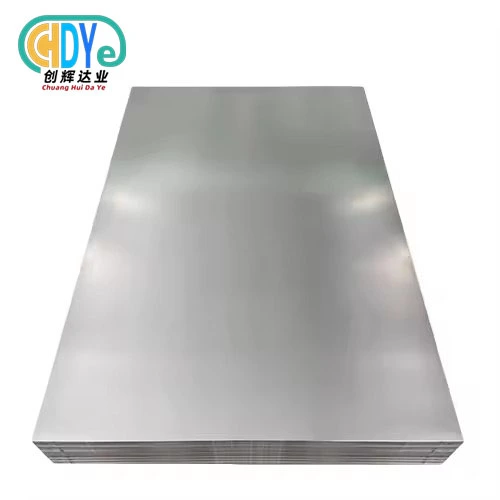
Understanding the Core Challenges in Manufacturing Durable Tantalum Alloy Plates
A lot of technical issues need to be solved before you can make plates that meet strict standards for how long they last. Mechanical strength, resistance to corrosion, and thermal stability are all very important in fields like chemical processing, aerospace, and semiconductor manufacturing. Getting these traits over and over again is not easy at all.
Air, carbon, and nitrogen can get into the melt during the creation process. It only takes a little bit—oxygen levels above 100 ppm—for hardness and brittleness to rise. This can make things crack too soon during service or manufacturing. If the amount of tungsten in a metal changes, even if it stays within acceptable limits, it can have unpredictable effects on how strong it is and how well it handles high temperatures.
Microstructural flaws are another big worry. Large or small grains, holes inside the plate, or laminations make it less solid when it is under stress. The material will still have residual stresses if the heat treatment isn't done right. These stresses make the material less resistant to fatigue and more likely to warp when it's being machined. Surface cleaning that isn't done right can leave small cracks or rough spots that let rust start more quickly.
This is why people who work in buying need to carefully consider what providers can do. You can be sure that every plate a company sends you will last as long as your business needs it if they have strong quality control systems and process optimisation methods in place.
Key Manufacturing Processes for High-Performance Tantalum Alloy Plates
Raw Material Selection and Purity Control
The first thing that makes a plate last is how good the fuel is. Types R05200, R05240, R05252, and R05255 of high-purity tantalum metal bars are picked based on their chemical make-up. Problems don't happen further down the line when you control intermediate elements like hydrogen, oxygen, nitrogen, and carbon at the source. Glow discharge mass spectrometry (GDMS) is a way for providers to check that the product is pure. They make sure that the amount of tungsten stays within the target ranges (2.5% for Ta-2.5W and 10% for Ta-10W) and that the levels of harmful impurities stay below the acceptable limits.
Advanced Melting Technologies
It is the way the melt is made that determines how clean and even it is. Vacuum arc remelting (VAR) and electron beam melting (EBM) both work in neutral or high-vacuum conditions that stop oxidation and get rid of volatile toxins. When you use EBM, you have more control over how the melt pool moves. This stops the tungsten from separating and makes sure it is spread out evenly. The result is a thick ingot with no flaws that is ready to be shaped next.
Rolling and Forming for Structural Refinement
Hot rolling breaks up the as-cast structure. This makes the metal denser and smooths out the grain size. Most of the time, working temperatures are above 1000°C, which lets the metal bend without breaking. The next step is cold rolling, which gradually makes the width thinner while also making the surface smoother and making sure the measurements are correct. The material gets harder with each pass, so it needs to be annealed between passes to make it flexible again and keep the edges from cracking.
The rolling factors for tantalum alloy plate, like reduction ratios, rolling speeds, and temperature patterns, are tightly managed. When there is too much decrease, stresses are made inside the system. If there isn't enough reduction, big pieces stay behind and make the mechanical traits worse. All of the variables must be carefully set in order to make plates that meet ASTM B708 standards.
Heat Treatment for Toughness and Stress Relief
A cooling method is needed to get the best microstructure. Plates are heated to 1000–1200°C in a vacuum or an inert gas setting. This lets go of the loads that were on them during rolling. Different rates of cooling help the structure fully recrystallise and keep the grains from getting bigger. This makes the metal more flexible and tough, and it also makes the grains all the same size (usually ASTM No. 6 or smaller), which stops cracks from spreading.
If you heat treat something, you can also change the ductile-to-brittle transition temperature (DBTT). The DBTT stays well below room temperature when annealing is done correctly. This keeps it from breaking when it is being moved or put in place in cold conditions.
Surface Finishing and Dimensional Accuracy
To get rid of scale and oxides that were made in earlier steps, surfaces can be ground, polished, or etched with acid. Surfaces that are smooth don't collect stress and are less likely to rust. Precision measurement tools are used to make sure the sizes are within the range that is allowed. These tools make sure that the width stays the same within 0.05 mm and that the surface is smooth within the limits that have been set.
As a last check, non-destructive testing (NDT) methods, such as ultrasound scans, are used to find internal holes or laminations. An ASTM E8 machine checks each tantalum alloy plate's tensile strength, yield strength, and stretch to make sure it meets performance standards before it is packed.
These steps in the making process turn raw bars into plates that won't break when exposed to high vacuums, boiling sulphuric acid, or changes in temperature. How well and carefully each step is done determines whether a plate works or fails horribly in the field.
Comparing Tantalum Alloy Plates with Alternative Materials for Durability Performance
To pick the right material for high-stress situations, you need to know how each one compares in terms of its benefits. Pure tantalum doesn't rust easily, but adding tungsten or niobium to it makes it tougher without changing the way it bonds with other chemicals. If you heat Ta-2.5W and Ta-10W grades, they become 30–50% stronger than pure tantalum when it comes to tensile strength. They are cheap, which makes them a good choice for building purposes.
Plates made of tantalum alloy work better in places that are very hot and acidic than plates made of titanium alloy or stainless steel. Titanium is very strong for how light it is, but it breaks down in acids that are high in chloride, creating pits and cracks. Sulphuric or hydrochloric acid that is very strong can break down even superalloys like Hastelloy. These things don't change tantalum metals, so they can be used for a very long time.
Over the course of their useful life, tantalum metals use less fixing time and money. These plates make it so that chemical reactors don't have to be shut down as often to fix corrosion. This means that even though they cost more to buy at first, they give a better return on investment. Another important thing is that Ta-10W doesn't melt or sag when vacuum furnaces get hotter than 1600°C. This helps keep the temperature stable during the sintering process for aircraft parts.
There are many uses for each type of metal. R05200 is a basic material that doesn't rust and can be used in mild temperatures. R05252 makes sure that things that are made are strong and simple to shape. It is best to use R05255 for tough situations because it has the best heat resistance. When people who work in procurement know about these differences, they can match the properties of materials perfectly to the needs of an application. This cuts down on costs and improves performance.
Ensuring Quality and Standards Compliance in Tantalum Alloy Plate Production
For reliability in the business world, meeting foreign norms is a must. ASTM B708 lists the chemical make-up, mechanical qualities, size ranges, and surface finish standards for tantalum and tantalum alloy plate, strip, and sheet. Following these factors ensures that suppliers can be switched out and whose success can be predicted.
Chemical research is the first step in making sure the quality is good. GDMS testing checks the composition of the alloy, confirming the amount of tungsten and keeping interstitial impurities in check. When oxygen levels go above the limits allowed, the material is rejected. This stops brittleness problems from happening later on.
As per ASTM E8, tensile strength, yield strength, and stretch are all measured by mechanical tests. Results must be within certain ranges; any deviations show problems with the processing that need to be fixed. Metallographic inspection according to ASTM E112 checks the size of the grains to make sure they recrystallize evenly and finds any "orange peel" effects that could mean the grains are growing too fast.
Non-destructive testing finds flaws inside a system that can't be seen with the naked eye. Ultrasonic scanning, according to AMS 2631, finds laminations, gaps, or inclusions that hurt the vacuum or the performance of the structure. Plates that don't meet NDT standards are thrown away or fixed, so customers don't get faulty goods.
Working with approved makers gives you even more peace of mind. ISO 9001:2015 certification proves that quality management is done in a planned way, including checking raw materials, keeping an eye on the production process, and checking the final product. Buyers can check for compliance on their own with the help of clear documents like material certificates, test results, and records of traceability.
When you evaluate a supplier's skills, you have to look at things like their production tools, technical knowledge, and how reliable their delivery is. Companies that have electron beam furnaces, precision rolling mills, and advanced annealing systems can make tantalum alloy plates that are uniform and work well. Respondent technical support and customization options set reputable suppliers apart even more, making it possible to create solutions that fit the specific needs of each project.
This dedication to quality is shown by Chuanghui Daye's ISO 9001:2015 certification and thorough inspection protocols. Before being shipped, every tantalum alloy plate goes through strict tests that are backed up by full traceability paperwork to meet legal and customer requirements.
Best Practices for Procuring Tantalum Alloy Plates to Maximize Durability and ROI
Procurement that works well balances costs up front with value over time. Aspects like alloy grade, size requirements, order number, and how the seller positions itself in the market all affect prices. It may be tempting to choose a cheaper option, but the total cost of ownership, which takes into account things like durability, avoidance of maintenance, and operational uptime, is a better long-term measure of value.
Knowing about metal types keeps you from spending too much on performance that you don't need. R05200 may work well in chemical processing equipment that works with moderate acids. The more expensive R05255 should only be used for very high-temperature vacuum applications. By matching the qualities of a material to its real service conditions, you can avoid paying for features that you won't use.
For custom-sized tantalum alloy plates, you need to plan. Lead times depend on how complicated the order is. Standard sizes may ship within days, but non-standard dimensions require more time to be made. Delays that cost a lot of money can be avoided by lining up shipping dates with project goals. Clear communication of dimensional tolerances, surface finish requirements, and quantity needs at the start helps avoid confusion and guarantees that requirements are met.
Logistics has a big effect on the quality of a product. Plates are kept clean, dry, and free of mechanical damage during shipping around the world in secure packing. International buyers can find it easier to buy things when suppliers offer full logistics support, such as export paperwork, freight coordination, and help with clearing customs.
Service after the sale is important. Quick technical support answers questions about fabrication, suggests ways to join parts, and fixes problems with performance. Suppliers who are willing to provide certifications for materials, extra testing upon request, or help with fabrication add value to the product itself.
To figure out how reliable a provider is, you need to look at their production capacity, record of on-time deliveries, and customer reviews. Manufacturers who keep stock on hand can quickly fill pressing orders, and those who can do flexible small-batch production can make prototypes for research and development without having to meet high minimum order amounts.
Building long-term relationships with reliable suppliers has benefits that go beyond single transactions. Consistent quality, known wait times, and working together to solve problems cut down on buying problems and help with business excellence. Putting technical expertise, open communication, and a commitment to customer success at the top of the list of priorities for suppliers increases return on investment (ROI) and lowers risk over time.
Conclusion
To make tantalum alloy plates that last as long as possible, you have to be very careful at every step, from choosing ultra-pure feedstock and using cutting-edge melting technologies to carefully rolling, cooling, and inspecting the plates very carefully. These steps make sure that plates don't rust in harsh conditions, keep their strength at high temperatures, and work well in businesses that need it. Lifecycle value is maximized by comparing material choices, making sure they meet ASTM standards, and using smart purchasing methods. When you work with certified manufacturers who are dedicated to quality and openness, you can be sure that the plates your operations need will last and perform well.
FAQ
Q: What Makes Tantalum Alloy Plates More Durable Than Pure Tantalum?
A: When pure tantalum is mixed with tungsten or niobium, the tensile strength and creep resistance are greatly increased at high temperatures. In particular, Ta-10W has 30–50% more strength without lowering its resistance to corrosion. This lets designers make thinner, lighter designs that use less material while still keeping the structure's integrity when subjected to mechanical stress and temperature changes.
Q: How Do You Verify the Quality of a Tantalum Alloy Plate?
A: As part of quality control, GDMS is used to analyze the chemical composition, ASTM E8 is used for mechanical testing, metallography is used to check for uniform grain size, and ultrasonic scanning is used to find flaws inside the tantalum alloy plate. Reliable suppliers provide material certificates that show test results and make sure that the products can be tracked and meet ASTM B708 standards.
Q: What Lead Times Should I Expect for Custom Tantalum Alloy Plates?
A: Standard sizes that are in stock usually ship within one to three days. Custom sizes need time to be made, usually around 15 working days, but this depends on how complicated the design is and how many are ordered. Delays in projects can be avoided by sharing specs and delivery dates early on.
Partner with Chuanghui Daye for Reliable Tantalum Alloy Plate Supply
Shaanxi Chuanghui Daye has been working with rare metals for more than 30 years and is ISO 9001:2015 approved. They make tantalum alloy plates that meet the strictest longevity standards. In Baoji, China, which is known as the "Titanium Capital," we use advanced electron beam melting, precise rolling, and strict checking procedures to make plates that meet ASTM B708 standards. The R05200, R05240, R05252, and R05255 grades come in widths ranging from 0.5 mm to 20 mm, and they can be cut to any size up to 2500 mm long and 1200 mm wide. Custom orders take about 15 working days to finish, while stock sizes ship within 1–3 days. As a manufacturer and seller of tantalum alloy plates with a lot of experience, we offer affordable factory-direct prices, full traceability paperwork, and quick expert support for the chemical processing, electronics, research, and aerospace industries. Email us at info@chdymetal.com to talk about your needs and get high-performance products that will help you get the most out of your investment and operating uptime.
References
1. Davis, J.R. (2000). Alloying: Understanding the Basics. ASM International, Materials Park, Ohio.
2. Schmidt, F.F., and Ogden, H.R. (1963). The Engineering Properties of Tantalum and Tantalum Alloys. Defense Metals Information Center, Battelle Memorial Institute.
3. Cardonne, S.M., et al. (1995). "Tantalum and Its Alloys." International Journal of Refractory Metals and Hard Materials, Vol. 13, Issue 4, pp. 187–194.
4. ASTM International (2021). ASTM B708-21: Standard Specification for Tantalum and Tantalum Alloy Plate, Sheet, and Strip. West Conshohocken, Pennsylvania.
5. Lassner, E., and Schubert, W.D. (1999). Tungsten: Properties, Chemistry, Technology of the Element, Alloys, and Chemical Compounds. Springer Science & Business Media.
6. Yih, S.W.H., and Wang, C.T. (1979). Tungsten: Sources, Metallurgy, Properties, and Applications. Plenum Press, New York.
Learn about our latest products and discounts through SMS or email