- English
- French
- German
- Portuguese
- Spanish
- Russian
- Japanese
- Korean
- Arabic
- Greek
- German
- Turkish
- Italian
- Danish
- Romanian
- Indonesian
- Czech
- Afrikaans
- Swedish
- Polish
- Basque
- Catalan
- Esperanto
- Hindi
- Lao
- Albanian
- Amharic
- Armenian
- Azerbaijani
- Belarusian
- Bengali
- Bosnian
- Bulgarian
- Cebuano
- Chichewa
- Corsican
- Croatian
- Dutch
- Estonian
- Filipino
- Finnish
- Frisian
- Galician
- Georgian
- Gujarati
- Haitian
- Hausa
- Hawaiian
- Hebrew
- Hmong
- Hungarian
- Icelandic
- Igbo
- Javanese
- Kannada
- Kazakh
- Khmer
- Kurdish
- Kyrgyz
- Latin
- Latvian
- Lithuanian
- Luxembou..
- Macedonian
- Malagasy
- Malay
- Malayalam
- Maltese
- Maori
- Marathi
- Mongolian
- Burmese
- Nepali
- Norwegian
- Pashto
- Persian
- Punjabi
- Serbian
- Sesotho
- Sinhala
- Slovak
- Slovenian
- Somali
- Samoan
- Scots Gaelic
- Shona
- Sindhi
- Sundanese
- Swahili
- Tajik
- Tamil
- Telugu
- Thai
- Ukrainian
- Urdu
- Uzbek
- Vietnamese
- Welsh
- Xhosa
- Yiddish
- Yoruba
- Zulu
Why ASTM B863 Titanium Wire Is Ideal for Corrosion Resistance?
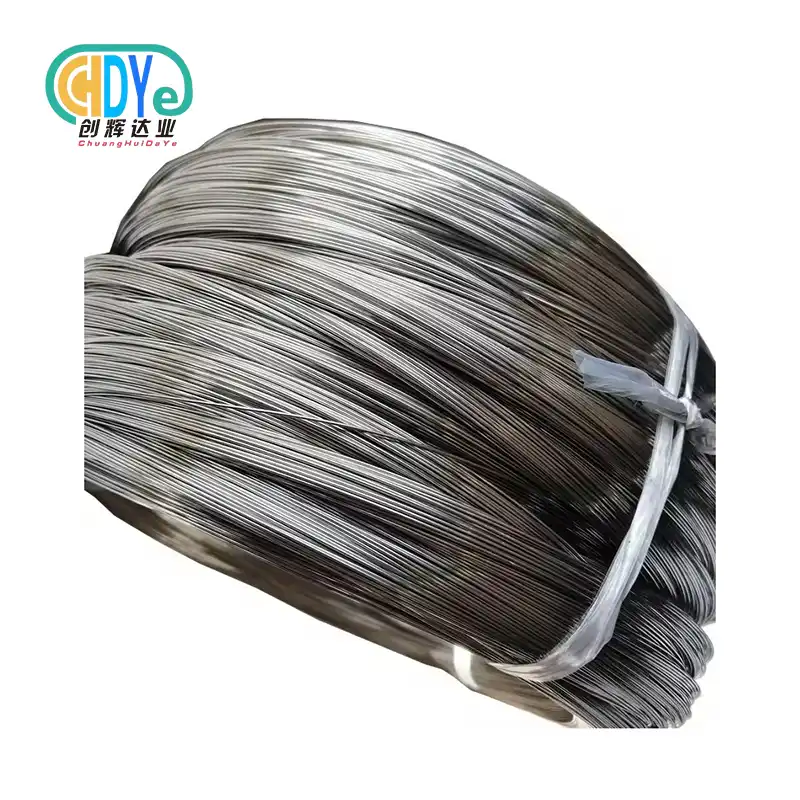
ASTM B863 titanium wire represents the gold standard for corrosion-resistant applications across multiple industrial sectors. This specialized titanium wire delivers exceptional performance in aggressive environments where conventional materials fail, offering superior resistance to chlorine, seawater, and chemical processing conditions. The unique metallurgical structure and controlled manufacturing process create a passive oxide layer that provides long-term protection against corrosion, making it an essential material for aerospace, chemical processing, and marine applications where reliability and durability are paramount.
Understanding ASTM B863 Titanium Wire Specifications and Properties
ASTM B863 titanium wire is the gold standard for uses that need to be resistant to rust in many different industries. This particular titanium wire works very well in harsh conditions where regular materials don't work, as it is more resistant to chlorine, salt, and chemical processing conditions. It is an important material for aircraft, chemical processing, and marine uses that need something that will last for a long time because of its unique metallurgical structure and controlled production process that form a passive oxide layer that protects against corrosion over time.
Chemical Composition and Purity Standards
The ASTM B863 standard sets out detailed requirements for pure titanium and titanium alloy wire that is sold in stores and used in industry and spacecraft. This standard talks about important things like the chemical makeup, the mechanical properties, and the manufacturing requirements that make sure that the quality and performance are the same from one production batch to the next. The chemical makeup of ASTM B863 titanium wire is mostly titanium with a few carefully chosen minor elements. There can be no more than 0.18% oxygen, 0.20% iron, and 0.08% carbon in Grade 1. Grade 2 allows slightly higher amounts of these elements to make the material stronger. This exact control over the chemicals makes sure that the best corrosion protection is achieved while keeping the mechanical qualities needed for tough uses. When vacuum melting and controlled processes are used, dangerous impurities that could weaken corrosion protection are removed. Each output batch goes through a thorough chemical analysis to make sure it meets the standards of ASTM B863. This makes sure that the material properties stay the same throughout the supply chain.
Mechanical Properties and Performance Characteristics
ASTM B863 titanium wire has great mechanical qualities that make it both strong and flexible. Grade 1 has a minimum tensile strength of 240 MPa and is very flexible. Grade 2 is stronger and has a minimum tensile strength of 345 MPa. The elongation values are usually between 20% and 30%, which makes them very easy to shape for different production methods. Titanium wire is very useful in situations where weight is important because it has a much higher strength-to-weight ratio than stainless steel options. It keeps its mechanical qualities over a wide temperature range, from very cold temperatures to high temperatures of up to 300°C in most places.
Manufacturing Process and Quality Control
There are several steps in the making process that are meant to make the best use of the material's qualities and ensure that the measurements are correct. Vacuum melting makes bars that are clean and free of gas holes and other impurities. After that, the finished wire dimensions are made by hot working and cold drawing, which keeps the grain structure constant across the cross-section. Controlled annealing processes get rid of internal stresses and make the nanoscale as strong against rust as possible. Finishing the surface makes sure that the quality of the surface stays the same and gets rid of any contamination that might affect how well it works in acidic environments.
Corrosion Resistance: Why ASTM B863 Titanium Wire Stands Out
ASTM B863 titanium wire has a high resistance to corrosion because it can make a stable, self-healing oxide layer when it comes into contact with oxygen-containing surroundings. A lot of different acidic substances, like chlorides, acids, and alkaline solutions, can't damage this passive film.
Superior Performance in Chloride Environments
Most metals have a hard time working in places with chlorine, but titanium wire does really well in these circumstances. The substance is very good at resisting pitting and crevice corrosion in seawater, hypochlorite solutions, and wet chlorine gas settings. In contrast to stainless steel, which can crack from chloride stress rust, titanium stays strong even when it is exposed to both stress and chloride. Titanium wire is very resistant to chloride attack, which is very helpful for chemical processing plants that use chlorine. The substance keeps its qualities even in settings with chlorine gas and heavy brine solutions, where other substances would break down quickly.
Comparative Analysis with Alternative Materials
ASTM B863 titanium wire has better long-term performance and less upkeep needs than stainless steel grades that are often used in corrosive settings. 316L stainless steel might work well in mildly toxic conditions, but titanium is better at what it does in harsh chloride environments or high-temperature acidic environments. Hastelloy and Inconel metals are very good at resisting rust, but they are much more expensive to make and have a higher density. Titanium wire is the best choice for many uses because it is resistant to rust, has good mechanical qualities, and is cheap.
Real-World Performance Data
Case studies from the business world show that titanium wire lasts a very long time in corrosive settings. Offshore platforms with titanium parts have service lives of more than 20 years without major wear and tear. When switching from stainless steel to titanium materials, chemical processing plants have saved money because they don't have to repair or fix things as often. Titanium's performance in ocean uses has been studied in great detail by the marine industry. Parts that have been exposed to saltwater and marine atmospheres for decades have kept their structural integrity.
Comparing ASTM B863 Grade 1 vs Grade 2 Titanium Wire for Different Applications
Choosing between Grade 1 and Grade 2 ASTM B863 titanium wire relies on the needs of the application, combining the need for resistance to corrosion with the need for strength. Each grade has its own benefits that make it better for certain commercial uses.
Grade 1: Maximum Corrosion Resistance
The ASTM B863 specification says that Grade 1 has the best amount of corrosion protection. The lower amount of oxygen and iron makes the conditions perfect for the development and stabilization of a passive film. This grade works great in places where corrosion is a problem and longevity is more important than power. Grade 1 is very resistant to rust, which makes it ideal for chemical processing jobs that involve strong acids, alkaline solutions, or harsh chloride conditions. The material is very flexible, which makes complicated shaping and bonding easier without affecting its ability to resist corrosion.
Grade 2: Balanced Performance
Grade 2 has better mechanical strength and great corrosion protection, making it ideal for most industry uses. The higher amounts of impurities allow for more strength without greatly affecting corrosion performance in normal working conditions. Grade 2 is often used in aerospace because it has the best mix of strength, resistance to rust, and light weight. The material works really well in structural uses that need both strength and resistance to corrosion, like in airplane weather control systems and hydraulic parts.
Application-Specific Recommendations
In the aircraft business, Grade 2 is usually used for structural parts and fasteners that need to be stronger. Chemical processing plants often pick Grade 1 because it is the most resistant to rust in harsh environments. Either grade can be used in marine uses, based on the strength needs and the amount of exposure to the environment. Knowing the trade-offs between maximum resistance to rust and maximum mechanical strength helps you choose the best material for each application and set of working conditions.
How to Select and Procure ASTM B863 Titanium Wire for Your Business Needs
To successfully buy ASTM B863 titanium wire, you need to carefully look at the skills of the seller, the quality certifications, and the ability to track the material. Because making titanium is so complicated, it needs to come from suppliers with a lot of knowledge, a track record of success, and full quality processes.
Quality Certifications and Standards Compliance
Suppliers with a good reputation keep certificates, such as ISO 9001:2015 quality control systems and, if necessary, aircraft certifications like AS9100. These certificates make sure that manufacturers use the same methods and keep an eye on quality throughout the whole process. Full chemical analysis, mechanical property tests, and dimensional proof should all be part of material certificates. EN 10204 3.1 certificates make it possible to track materials all the way from the raw materials to the finished product, making sure that they meet the standards.
Supplier Evaluation Criteria
Before choosing a supplier, you should look at their industrial knowledge, how well their quality system works, and how well they can help with technical issues. Suppliers that have been around for a while and have facilities just for handling titanium usually offer better quality control and more reliable delivery. Technical support skills, such as metallurgical knowledge and application engineering help, are very useful in addition to providing basic materials. Value-added services like precise cutting, making, and surface treatments can be offered by suppliers who can do custom processing.
Procurement Strategy Optimization
Building connections with suppliers that last a long time can often pay off in the form of lower prices, faster service, and better professional support. Costs may go down, and shipping efficiency may get better when you commit to a certain volume. Sample evaluation programs let you check the quality of the materials and the supplier's skills before you buy a lot of them. This method lowers the risks of buying and makes sure that materials work with certain uses.
Ensuring Quality and Reliability: Choosing Trusted ASTM B863 Titanium Wire Suppliers
Quality control and relying on a reliable source are important parts of buying ASTM B863 titanium wire. Because titanium manufacturing is so specialized, it needs sources with a lot of knowledge and a track record of being able to handle titanium.
Manufacturing Capability Assessment
With vacuum melting, controlled gas processing, and precision drawing tools, modern factories can make materials that are of higher quality and stability. Most of the time, suppliers with facilities that do everything from making the ingot to drawing the end wire have better quality control and tracking. Inspection of incoming materials, process tracking, and testing of the finished product should all be part of quality control methods. Statistical process control and plans for continuous growth show that a supplier cares about quality and customer happiness.
Technical Support and After-Sales Service
Full expert support, such as help choosing materials, application engineering, and problem-solving, makes the provider relationship much more valuable. Suppliers with metals experts on staff can help with choosing the right materials and making the best use of them. After-sales help, such as quick responses to quality issues and technical questions, keeps things running smoothly and keeps output interruptions to a minimum. Most of the time, suppliers with local expert support staff offer better service and faster response times.
Long-Term Partnership Benefits
By building long-term relationships with qualified providers, you can work together to create better products and methods. When you have a long-term relationship with a supplier, they may give you special attention when there are supply problems and early access to new products. Quality standards are kept up to date, and ways to keep getting better are found through regular supplier checks and performance reports. Both sides gain from these partnerships because they make things run more smoothly and make customers happier.
Conclusion
ASTM B863 titanium wire has great mechanical qualities and resistance to corrosion that are needed for tough industrial uses. The unique mix of strength, flexibility, and resistance to corrosion in this material makes it perfect for use in chemical processing, marine, and aircraft settings where regular materials don't work well enough. To get the most out of this new material technology, it's important to carefully choose suppliers, check their quality, and build long-term partnerships.
FAQ
Q: What industries commonly use ASTM B863 titanium wire?
A: The main industries include aerospace and defense for structural components and fasteners, chemical processing for corrosion-resistant equipment, marine applications for seawater exposure, medical devices for biocompatible implants, and electronics for specialized components requiring high purity and corrosion resistance.
Q: How does ASTM B863 compare to stainless steel in corrosive environments?
A: ASTM B863 titanium wire significantly outperforms stainless steel in chloride-containing environments, offering superior resistance to pitting, crevice corrosion, and stress corrosion cracking. While stainless steel may provide adequate performance in mild conditions, titanium maintains integrity in aggressive chemical environments where stainless steel would rapidly deteriorate.
Q: What are typical delivery times and minimum order quantities?
A: Standard delivery times range from 4-8 weeks, depending on diameter, quantity, and processing requirements. Minimum order quantities typically start at 50-100 kg for standard sizes, though specialized dimensions may require larger minimums. Rush orders may be accommodated with expedited processing for critical applications.
Q: What certifications should suppliers provide with ASTM B863 wire?
A: Suppliers should provide material certificates including complete chemical analysis, mechanical property testing, and dimensional verification. Additional certifications may include EN 10204 3.1 material certificates, ISO 9001:2015 quality system certification, and specific aerospace certifications such as AS9100, where applicable.
Q: How should ASTM B863 titanium wire be stored and handled?
A: Proper storage requires clean, dry conditions protected from contamination by steel particles or other materials that could cause galvanic corrosion. Handling equipment should be dedicated to titanium to prevent cross-contamination. Avoid contact with chlorinated solvents or cleaning compounds that could affect surface properties.
Contact Chuanghui Daye for Premium ASTM B863 Titanium Wire Solutions
Shaanxi Chuanghui Daye Metal Material Co., Ltd. stands as your trusted ASTM B863 titanium wire supplier, combining over 30 years of rare metal expertise with advanced manufacturing capabilities in China's Titanium Capital. Our ISO 9001:2015 certified facility produces high-quality titanium wire from 0.15-7mm diameter in straight, coil, or spool configurations, meeting AWS A5.16, ASTM B863, and ASTM F136 standards. Contact our technical team at info@chdymetal.com to discuss your specific requirements and receive competitive quotations backed by comprehensive quality documentation and reliable delivery schedules.
References
1. American Society for Testing and Materials. "Standard Specification for Titanium and Titanium Alloy Wire." ASTM International, 2019.
2. Boyer, R.R., Welsch, G., and Collings, E.W. "Materials Properties Handbook: Titanium Alloys." ASM International, 1994.
3. Schutz, R.W. "Corrosion of Titanium and Titanium Alloys in Industrial Applications." Materials Performance Journal, Vol. 42, No. 7, 2003.
4. Lutjering, G. and Williams, J.C. "Titanium: Engineering Materials and Processes." Springer-Verlag Berlin Heidelberg, 2007.
5. Davis, J.R. "Titanium: A Technical Guide." ASM International Materials Park, 2006.
6. Peters, M., Hemptenmacher, J., Kumpfert, J., and Leyens, C. "Structure and Properties of Titanium and Titanium Alloys." Titanium and Titanium Alloys: Fundamentals and Applications, 2003.
Learn about our latest products and discounts through SMS or email