- English
- French
- German
- Portuguese
- Spanish
- Russian
- Japanese
- Korean
- Arabic
- Greek
- German
- Turkish
- Italian
- Danish
- Romanian
- Indonesian
- Czech
- Afrikaans
- Swedish
- Polish
- Basque
- Catalan
- Esperanto
- Hindi
- Lao
- Albanian
- Amharic
- Armenian
- Azerbaijani
- Belarusian
- Bengali
- Bosnian
- Bulgarian
- Cebuano
- Chichewa
- Corsican
- Croatian
- Dutch
- Estonian
- Filipino
- Finnish
- Frisian
- Galician
- Georgian
- Gujarati
- Haitian
- Hausa
- Hawaiian
- Hebrew
- Hmong
- Hungarian
- Icelandic
- Igbo
- Javanese
- Kannada
- Kazakh
- Khmer
- Kurdish
- Kyrgyz
- Latin
- Latvian
- Lithuanian
- Luxembou..
- Macedonian
- Malagasy
- Malay
- Malayalam
- Maltese
- Maori
- Marathi
- Mongolian
- Burmese
- Nepali
- Norwegian
- Pashto
- Persian
- Punjabi
- Serbian
- Sesotho
- Sinhala
- Slovak
- Slovenian
- Somali
- Samoan
- Scots Gaelic
- Shona
- Sindhi
- Sundanese
- Swahili
- Tajik
- Tamil
- Telugu
- Thai
- Ukrainian
- Urdu
- Uzbek
- Vietnamese
- Welsh
- Xhosa
- Yiddish
- Yoruba
- Zulu
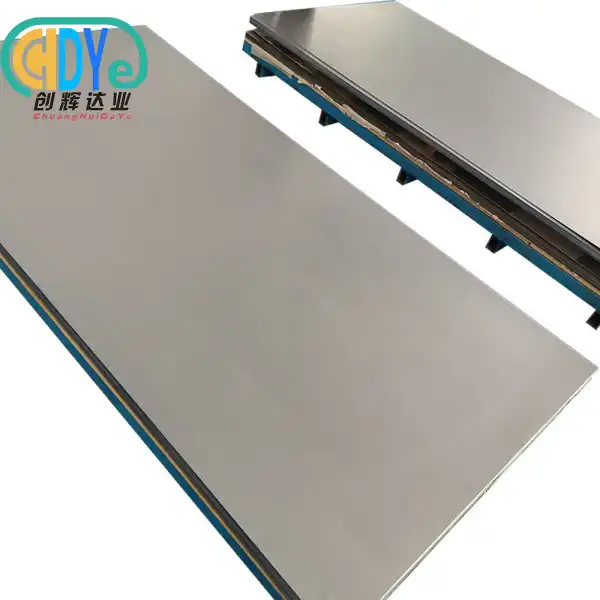
Why Ti-6Al-4V Titanium Sheets Are the Top Choice for Aerospace?
Ti-6Al-4V Titanium Sheet represents the gold standard in aerospace materials, offering an unparalleled combination of strength, lightweight properties, and corrosion resistance. This alpha-beta titanium alloy, containing 6% aluminum and 4% vanadium, delivers exceptional performance in demanding aerospace environments where safety, reliability, and efficiency are paramount. The alloy's superior strength-to-weight ratio, coupled with its ability to maintain structural integrity at extreme temperatures, makes it the preferred choice for aircraft manufacturers, defense contractors, and aerospace engineers worldwide.
Understanding the Superior Properties of Ti-6Al-4V Titanium Sheets
Very good performance of titanium alloy 6Al-4V comes from its carefully designed chemical makeup and unique microstructural features. This alpha-beta titanium alloy takes the best parts of both phase structures and mixes them to make a material with better qualities than most aerospace materials.
Chemical Composition and Microstructural Excellence
A base metal called titanium makes up the combination. Aluminum (5.5–6.75%) acts as an alpha stabilizer, and vanadium (3.5–4.5%) acts as a beta stabilizer. By carefully balancing everything, a two-phase microstructure is made up of evenly spaced alpha stages inside a changed beta matrix. The aluminum makes it more resistant to rust and less dense, and the vanadium makes it stronger and easier to work with. This microstructural design gives great resistance to fatigue and crack propagation, which are important qualities for aircraft parts that are loaded and unloaded many times. The density of the material is about 4.43 g/cm³, which makes it much lighter than steel while still having better tensile qualities.
Mechanical Performance Standards
Grade 5 titanium sheets have great mechanical qualities that meet the strict needs of the aircraft industry. It has a minimum tensile strength of 895 MPa (130 ksi) and a minimum yield strength of 828 MPa (120 ksi) after being heated. Solution treatment and aging can improve these qualities even more, which could raise the yield strength to over 1100 MPa.Even at very low temperatures (below 0°C) or high temperatures (up to 400°C or 750°F), the metal keeps its mechanical stability. This thermal stability makes sure that the part works well in aircraft uses that are exposed to wide ranges of temperatures, from the cold at high altitude to the heat from engine parts.
Corrosion Resistance and Environmental Durability
Titanium 6Al-4V Grade 5 instantly forms a solid, continuous oxide film when exposed to oxygen, which makes it very resistant to weathering. This passive layer keeps the metal below it from breaking down in marine settings, acidic conditions, and oxidizing atmospheres that are common in aircraft uses. Compared to other aircraft metals, this material is better at resisting stress corrosion cracks, pitting, and crevice corrosion. These tough qualities mean that important aircraft parts will last longer, need less upkeep, and have higher safety margins.
Ti-6Al-4V vs. Competing Materials in Aerospace Applications
Aerospace companies are always looking at different types of materials to find the best ones for cost, performance, and weight. Ti-6Al-4V Titanium Sheet regularly performs better than other materials in several important areas that directly affect the safety and efficiency of airplanes.
Stainless Steel Comparison
Stainless steel metals are strong and don't rust, but they are very heavy, which makes them less fuel-efficient and limits how much they can move. Stainless steel has a mass of 7.9 to 8.1 g/cm³, which is almost twice as high as that of titanium metals. In aerospace uses, where every pound counts when it comes to performance and prices, this difference in weight becomes very important. Stainless steel also doesn't hold up well against fatigue when it's loaded and unloaded over and over again, which is common in aircraft settings. Stress corrosion splitting of the material in chloride settings adds to the dangers for planes that fly near the coast or are exposed to chemicals used to melt ice.
Aluminum Alloy Limitations
With densities around 2.7 g/cm³, aluminum alloys are great for saving weight, which makes them a good choice for non-critical structure parts. But aluminum can't be used in high-stress aircraft parts because it isn't very strong and doesn't hold up well at high temperatures.Tensile strengths of 400 to 500 MPa are reached by high-strength aluminum alloys, which is much lower than what titanium can do. Also, aluminum's mechanical features break down quickly at high temperatures, so it can't be used in the engine bay or for parts that will be subject to thermal cycling.
Commercial Pure Titanium Deficiencies
Pure titanium types sold in stores are very good at resisting corrosion and being compatible with living things, but they aren't strong enough for load-bearing aircraft parts. Tensile strengths of pure titanium are usually between 240 and 550 MPa, which are not strong enough for important structural uses. Because widely pure grades don't have any alloying elements, they can't be strengthened by heat treatment. This makes it harder to make designs that are flexible and improve performance, which is important in aircraft engineering.
Machining and Heat Treatment of Ti-6Al-4V Titanium Sheets for Aerospace Use
To use titanium Grade 5 sheets successfully in aerospace uses, you need to know a lot about how to make them and have advanced manufacturing skills. When aircraft procurement teams know these technical requirements, they can choose sellers who can deliver precise parts that meet strict requirements.
Advanced Machining Considerations
Due to its high strength and tendency to work harden during processing, titanium metal 6Al-4V is hard to machine in its own way. For machining to go well, you need sharp cutting tools, usually made of carbide or cermet, along with the right cutting settings to keep heat production and tool wear to a minimum. It's important to use the coolant correctly to keep the dimensions accurate and avoid heat damage. Flood cooling or high-pressure coolant systems help get rid of heat from the cutting zone and stop chip welding, which can happen when titanium metals are being machined. It is important to pay close attention to cutting speeds and feed rates because the material doesn't conduct heat well. When working with steel, normal speeds need to be slowed down by 50–75%, and it's important to keep the feed rates constant to avoid work hardening.
Heat Treatment Optimization
The final mechanical qualities and microstructure of titanium parts are greatly affected by the heat treatment methods used on them. Annealing processes, which are usually done at 700–750°C, get rid of any remaining pressures and make the material more flexible for shaping. When there are higher performance needs, solution treatment and aging (STA) methods can make materials much stronger. Solution treatment at temperatures close to the beta transus (about 975°C) and controlled aging at 480–650°C make fine precipitates that make the metal matrix stronger. Processing in a vacuum or an inert atmosphere keeps the surface clean and the material's structure during heat treatment processes. If you control the environment correctly, you can stop the formation of weak alpha case layers that could hurt fatigue performance.
Custom Processing Capabilities
Customized thickness requirements, tight tolerances, and unique surface treatments are common in aerospace uses. To get regular thickness and high surface quality standards when making Ti-6Al-4V Titanium Sheet, you need to be able to roll it in a special way. Cross-rolling methods make sure that the mechanical features are the same everywhere, so there are no directional changes that could affect how well the part works. Precision cutting services, like waterjet and laser cutting, make it possible to keep very close limits on sizes, which is important for aircraft parts.
Procurement Considerations for Aerospace Buyers
When looking for suppliers of titanium alloy materials, it's important to carefully consider a number of factors that have an effect on the quality of the products, the dependability of delivery, and the success of the relationship in the long term. The need for buying things in aircraft is higher than in other industries, so suppliers need to have proven aerospace qualifications and quality systems.
Certification and Quality Standards
Suppliers to the aerospace industry must keep their licenses up to date. These include AS9100 aerospace quality management systems and NADCAP accreditation for specific processes. These licenses show that you are committed to aircraft quality standards and give you peace of mind that the quality of your products will always be high. Certifications for materials must meet flight standards, such as AMS 4911 for aerospace uses and ASTM B265 for general industry use. For full traceability, suppliers should give full mill test papers that show the chemical makeup, mechanical qualities, and dimensional compliance of the goods. ISO 9001:2015 certification adds to the quality guarantee by ensuring that quality management is carried out in a planned way throughout the entire production process. This approval shows that the company can keep quality standards the same across all production activities.
Supply Chain Reliability
Global aircraft supply lines need providers who have a history of on-time deliveries and flexible production options. Suppliers should show that they can meet your needs quickly, have solid wait times, and have established logistics networks for shipping goods internationally. Geographic diversity helps lower supply chain risks, so sellers with more than one factory or long-term partnerships are in a better position. This backup makes sure that the supply doesn't stop even if there are unplanned problems or limited capacity. Suppliers can meet the needs for just-in-time delivery while also keeping extra stock on hand in case of an emergency, thanks to inventory management tools. Modern planning tools help match up delivery times with what customers need for output.
Technical Support and Value-Added Services
Suppliers who offer full expert help, such as metallurgical advice, process optimization, and failure analysis, are good for aerospace uses. These services help customers choose the best materials and set the best working settings for each application. Custom processing services, such as precise cutting, making, and packing, cut down on the work that customers have to do and make sure that the dimensions are correct. These services that add value make things easier for customers and lower the total cost of acquisition.
Key Benefits and Applications of Ti-6Al-4V Titanium Sheets in Aerospace
People in the aerospace business like Ti-6Al-4V Titanium Sheet because it can meet a lot of important needs at once and save money in the long run by requiring less upkeep and running more efficiently.
Weight Reduction and Fuel Efficiency
Aircraft weight has a direct effect on how much fuel it uses, how much it costs to run, and how it affects the world. Titanium's high strength-to-weight ratio makes it possible to make parts that are much lighter than steel ones while still meeting safety standards. When steel parts are replaced with titanium ones, the weight is often cut by 30 to 50 percent. Because of these cuts, airplanes will use less fuel, carry more cargo, and put out less carbon dioxide over their entire service lives. When it comes to business flights, where fuel costs are a big part of the budget, the overall effect of losing weight is especially important. Even small reductions in weight add up to big savings over the decades that an airplane is in service.
Critical Component Applications
Titanium's resistance to wear and rust makes it a good material for airframe structures, especially in places that are exposed to high stress levels and the environment. Titanium is used for structural joints, landing gear parts, and wing connection fittings because it is reliable under cyclic stress situations. Titanium is used in engine parts like fan blades, compressor discs, and exhaust system parts because it doesn't rust or change color when exposed to high temperatures. The material stays strong at high temperatures and doesn't break down in the surroundings or due to thermal stress. Titanium's strength and resistance to corrosion make it ideal for fastener uses because they prevent galvanic corrosion and ensure stable joint integrity. With titanium screws, you don't need to use protected coatings because they are built to last.
Economic and Environmental Advantages
Longer service lives mean that parts don't have to be replaced as often, which saves money on servicing costs. Titanium parts usually last two to three times longer than parts made of other materials. This lowers the overall cost of ownership, even though the starting cost of the material is higher. Corrosion protection gets rid of the need for coatings and the upkeep tasks that go with them. This feature lowers both direct repair costs and airplane downtime, which makes operations more efficient and brings in more money. Recyclability improves environmental sustainability and recovers value at the end of its useful life. Titanium keeps its qualities even after being recycled, which makes it an environmentally friendly choice for aircraft use.
Conclusion
Ti-6Al-4V Titanium Sheet is the best material for aircraft use because it is strong, light, doesn't rust, and is reliable. The alloy's excellent performance traits, such as its high strength-to-weight ratio, temperature stability, and resistance to fatigue, directly meet the strict needs of current aircraft engineering. For implementation to go smoothly, processing needs, supplier selection, and quality standards must all be carefully thought out. However, titanium Grade 5 sheets are an essential material for aerospace manufacturers who want to improve performance while still meeting safety and reliability standards. They are lighter, last longer, and use less energy.
FAQ
Q: What makes Ti-6Al-4V superior to other titanium grades for aerospace?
A: Other types of titanium can't compare to Ti-6Al-4V when it comes to the best mix of strength, ductility, and workability. Because it has an alpha-beta microstructure, it is stronger than commercially pure grades and easier to shape than beta alloys. Because the metal can be heated and cooled, its properties can be changed to suit specific uses. This makes it flexible enough to meet a wide range of aircraft needs.
Q: How does Ti-6Al-4V perform in extreme temperature environments?
A: In a wide range of temperatures, from cryogenic settings as low as -253°C to working temperatures of 400°C, Ti-6Al-4V Titanium Sheet keeps its good mechanical qualities. The material's properties don't change much at low temperatures, but its strength and resistance to oxidation stay the same at high temperatures. This makes it perfect for thermally cycling uses in aircraft.
Q: What quality standards should aerospace buyers expect from suppliers?
A: Suppliers to the aerospace industry should offer materials that meet the requirements of AMS 4911 or ASTM B265 and come with full mill test certificates. AS9100 certification should be part of quality control systems, and processes should meet NADCAP standards when needed. Traceability paperwork and dimensional compliance certificates make sure that materials meet the high standards for quality in flight.
Partner with Chuanghui Daye for Premium Ti-6Al-4V Titanium Sheet Solutions
The famous "Titanium Capital" in China has been a source of rare metal knowledge for over 30 years, which Chuanghui Daye uses to make aerospace-grade titanium alloy 6Al-4V sheets that meet the strictest requirements. Our ISO 9001:2015-certified facility guarantees consistent quality by using advanced melting, forging, and rolling techniques. We also offer full tracking documents and custom processing services that are suited to your flight needs. As a reliable provider of Ti-6Al-4V Titanium Sheet, we offer low prices from the factory, fast shipping around the world, and full expert support. Get in touch with our aerospace materials experts at info@chdymetal.com to talk about your particular needs and discover the Chuanghui Daye advantage in precision titanium sheet manufacturing.
References
1. Boyer, R., Welsch, G., & Collings, E.W. "Materials Properties Handbook: Titanium Alloys." ASM International Materials Park, Ohio, 1994.
2. Donachie, Matthew J. "Titanium: A Technical Guide, 2nd Edition." ASM International, Materials Park, Ohio, 2000.
3. Peters, M., Kumpfert, J., Ward, C.H., & Leyens, C. "Titanium Alloys for Aerospace Applications." Advanced Engineering Materials, Vol. 5, No. 6, 2003.
4. Froes, F.H., & Eylon, D. "Powder Metallurgy of Titanium Alloys: Advances in Powder Metallurgy." Metal Powder Industries Federation, Princeton, New Jersey, 1990.
5. Lutjering, G., & Williams, J.C. "Titanium: Engineering Materials and Processes." Springer-Verlag Berlin Heidelberg, 2nd Edition, 2007.
6. American Society for Testing and Materials. "ASTM B265-20 Standard Specification for Titanium and Titanium Alloy Strip, Sheet, and Plate." ASTM International, West Conshohocken, Pennsylvania, 2020.

Learn about our latest products and discounts through SMS or email