- English
- French
- German
- Portuguese
- Spanish
- Russian
- Japanese
- Korean
- Arabic
- Greek
- German
- Turkish
- Italian
- Danish
- Romanian
- Indonesian
- Czech
- Afrikaans
- Swedish
- Polish
- Basque
- Catalan
- Esperanto
- Hindi
- Lao
- Albanian
- Amharic
- Armenian
- Azerbaijani
- Belarusian
- Bengali
- Bosnian
- Bulgarian
- Cebuano
- Chichewa
- Corsican
- Croatian
- Dutch
- Estonian
- Filipino
- Finnish
- Frisian
- Galician
- Georgian
- Gujarati
- Haitian
- Hausa
- Hawaiian
- Hebrew
- Hmong
- Hungarian
- Icelandic
- Igbo
- Javanese
- Kannada
- Kazakh
- Khmer
- Kurdish
- Kyrgyz
- Latin
- Latvian
- Lithuanian
- Luxembou..
- Macedonian
- Malagasy
- Malay
- Malayalam
- Maltese
- Maori
- Marathi
- Mongolian
- Burmese
- Nepali
- Norwegian
- Pashto
- Persian
- Punjabi
- Serbian
- Sesotho
- Sinhala
- Slovak
- Slovenian
- Somali
- Samoan
- Scots Gaelic
- Shona
- Sindhi
- Sundanese
- Swahili
- Tajik
- Tamil
- Telugu
- Thai
- Ukrainian
- Urdu
- Uzbek
- Vietnamese
- Welsh
- Xhosa
- Yiddish
- Yoruba
- Zulu
Why Choose Tantalum Alloy Rods for Corrosion Resistance?
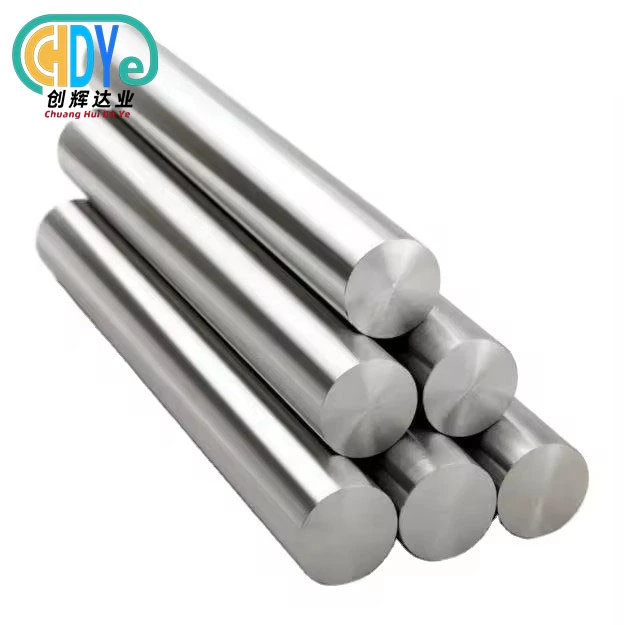
If the component is in a reactor filled with hot acid, or in an aeronautical assembly that has to withstand severe heat for years, the material you choose is the difference between a smoothly running system and an early failure. Which is why engineers keep asking the issue: Why tantalum alloy rods for corrosion resistance? Tantalum has for a long time been prized as one of the most chemically stable metals, and alloying it with niobium or tungsten increases strength, workability and high-temperature performance without sacrificing that stability. Here, we discuss how a tantalum alloy rod resists attack, the key criteria to consider when ordering, the ideal applications for these rods, and how meticulous production maintains consistent quality from the first batch to the last.
What Makes Tantalum Alloy Rods Naturally Corrosion Resistant?
The Protective Oxide Layer Behind Chemical Stability
The corrosion resistance of tantalum alloy rod begins at the surface. When tantalum is exposed to oxygen, it creates an extremely thin, firmly bound oxide coating that functions as a barrier between the metal and the surrounding environment. If the coating is damaged, it repairs nearly instantaneously so the underlying metal is protected during everyday operation. This is why a tantalum alloy rod may be in contact with numerous harsh acids for lengthy periods of time with very little material loss. This oxide layer is part of the metal itself, and unlike coatings that may break or peel, it provides the engineer a guaranteed line of defense in harsh chemical service.
How Niobium and Tungsten Additions Improve Performance
While pure tantalum is resistant to corrosion, many applications need greater strength or improved performance at high temperatures. That's where alloying comes in. A Ta-Nb tantalum alloy rod is more ductile and workable, therefore simpler to draw, mill, and mold into exact pieces. A Ta-W tantalum alloy rod, in contrast, has greater strength at high temperatures and is well suited to furnaces, aircraft hardware, and other hot zones. The oxide coating and the corrosion resistance remain robust because niobium and tungsten are both refractory metals with high chemical stability of their own. "So buyers may pick the composition that suits working circumstances instead of compromising.
Comparing Tantalum Alloys with Stainless Steel and Titanium
Corrosion-resistant parts are often made from stainless steel or titanium, although both have limitations in strong chemical conditions. Stainless steel may pit or stress fracture in hot chloride or strong acid service, while titanium may be challenged in certain reducing acids. A tantalum alloy rod can endure many of these environments with significantly less deterioration, resulting in fewer replacement cycles and less unexpected downtime. Here is a basic, practical comparison to help you evaluate where each material fits best.
| Property | Tantalum Alloy Rod | Titanium Alloy | Stainless Steel |
|---|---|---|---|
| Resistance to hot acids | Excellent | Good to moderate | Limited |
| High-temperature strength | Very good (especially Ta-W) | Moderate | Moderate |
| Ductility and formability | Excellent (especially Ta-Nb) | Good | Good |
| Biocompatibility | Excellent | Excellent | Fair |
| Typical service life in harsh media | Long | Medium | Shorter |
Key Specifications and Performance Features of Our Tantalum Alloy Rods
Alloy Grades and Dimensional Range
Selecting the proper grade is the first step to excellent outcomes. A well-chosen tantalum alloy rod saves expense in the long term. We provide Ta-Nb alloys for projects requiring high ductility and simple processing, and Ta-W alloys for applications requiring high thermal strength and unique compositions tailored to your designs and operating circumstances. Rod diameters may be from 1 mm up to 50 mm and conventional lengths from 1000 up to 3000 mm; however, other lengths can be supplied on request. The broad spectrum means a single vendor can provide anything from delicate parts for instruments to bulky, structural components, simplifying procurement and assuring a uniform quality of orders.
| Parameter | Specification |
|---|---|
| Alloy | Ta-Nb or Ta-W |
| Diameter | 1–50 mm |
| Length | 1000–3000 mm or customized |
| Density | 16.7–17.0 g/cm³ |
| Tensile strength | 250–400 MPa |
| Main applications | Aerospace, chemical processing |
Mechanical and Physical Properties
The figures on a datasheet are important because they inform you how a part will perform under stress. Our tantalum alloy rod has a density between 16.7 and 17.0 g/cm³, which indicates the compact, high-purity structure, and a tensile strength between 250 and 400 MPa, adequate for many corrosion-critical components that also need to bear mechanical stress. These values are dependent on the alloy used and the heat treatment performed; thus, we suggest that you discuss your operating temperature, pressure, and medium with our staff before you purchase. Armed with this knowledge, we can advise the grade which gives the optimum combination of strength, fabricability and corrosion resistance for your specific design.
Ductility, Biocompatibility and Service Life
In addition to corrosion resistance, there are other practical advantages to using a tantalum alloy rod that add to the value of the completed product. Its great ductility means it can be pulled into tiny wire or formed into bespoke shapes without splitting, giving designers significant flexibility. Its biocompatibility makes it a safe choice in medical and surgical equipment manufacture where the material should not react with bodily tissue. Lastly, its extended service life lowers maintenance expenses and downtime, as parts do not need to be examined and replaced often. All these benefits pile up, and the greater purchase price of tantalum is generally compensated by a reduced lifetime cost, particularly in facilities where every downtime costs money.
Where Tantalum Alloy Rods Deliver the Greatest Value
Chemical Processing Equipment
One of the most typical places where a tantalum alloy rod displays its usefulness is in chemical plants. Heat exchangers, reactor fittings, thermowells, stirrers, and fasteners are all exposed to these circumstances. Strong acids, high temperatures, and steady flow are conditions that swiftly damage ordinary metals. These environments do not change the form and surface condition of tantalum alloy rods; hence, the process is clean, and corrosion debris does not contaminate the result. This implies more stable production, fewer leaks, and a safer working environment for plant managers. In many situations, the savings in maintenance alone cover the cost of substituting a tantalum alloy rod component for a short-life stainless steel part.
Aerospace and High-Temperature Applications
Aerospace and high-temperature sectors need materials that retain strength when exposed to combined heat, vibration, and chemicals. Ta-W tantalum alloy rod retains its strength and integrity at severe temperatures, making it excellent for engine-related parts, heating elements, support structures, and other hardware that can’t afford to fail. Its resistance to chemical attack and oxidation damage also allows components to survive multiple temperature cycles. Reliability is critical in these areas, and engineers appreciate a supplier that can provide repeatable dimensions and quality batch after batch and that can provide unique lengths and compositions to meet tight design requirements without extensive lead times.
Medical, Electronic and Vacuum Industry Uses
In addition to heavy industries, the tantalum alloy rod also provides precise fields based on clean and stable materials. In medicine, because to its biocompatibility, it may be utilized to make surgical tools and other equipment that touch the human body. Tantalum-based components are utilized in electronics and vacuum technologies where purity, heat resistance, and low reactivity are important. The rod is well suited to these unique requirements, as it may be pulled into thin wires or machined into small, precise parts. Customers in these areas generally want precise tolerances and thorough documentation, and a credible manufacturer should be able to supply both, as well as technical support throughout design.
How Quality Manufacturing Protects Corrosion Performance
Raw Material Selection and Controlled Alloying
You can’t tack corrosion resistance on at the end of manufacturing. It needs to be designed in from the very beginning. We start with high-purity tantalum from approved vendors for each tantalum alloy rod; imperfections may destroy the protective oxide coating and produce weak areas. The tantalum is then meticulously alloyed with niobium or tungsten in controlled atmospheres to avoid contamination and to achieve homogeneous composition from one end of the rod to the other. This thorough start delivers a final product that behaves predictably in service so consumers can be certain that the rod they get today will work exactly the way the rod they got last year did.
Cold Working and Heat Treatment
After alloying, the metal is formed by forging, rolling, and drawing to the appropriate diameter and length. The structure is refined, and the surface quality of tantalum alloy rod is improved with each stage, which in turn helps to enhance corrosion performance. Optimized annealing then releases internal stress and tunes the mechanical characteristics so that the rod has the optimum mix of strength and ductility. We have annealing furnaces, an electron beam furnace, smelting equipment, rolling machines, lathes, sawing machines, and shearing machines, so we can manage the full process from melt to finished bar. This integrated strategy cuts down variations and delivery delays.
Quality Testing and ISO 9001:2015 Control
All shipments of tantalum alloy rods are inspected and tested to stringent inspection and testing processes before leaving our plant. Our quality management system is certified according to ISO 9001:2015 and covers all manufacturing steps from inspection of raw materials, melting and forging, machining and shaping, up to final inspection and packing. Because this procedure is traceable, faults are detected early, not after the product gets to your location. For purchasers, this discipline means fewer rejected parts, easier audits, and more trust when the material is built into key equipment. The major steps of the procedure are summarized in the table below.
| Stage | Purpose |
|---|---|
| Raw material inspection | Confirm purity and certified origin |
| Melting and forging | Achieve uniform composition and structure |
| Machining and forming | Reach target size, length, and surface finish |
| Final inspection and packaging | Verify quality and protect during shipping |
Conclusion
Tantalum alloy rods are a sensible option for any application where corrosion concerns safety or uptime. They have a self-healing oxide coating, tunable strength, and reliable high-temperature performance. Shaanxi Chuanghui Daye Metal Material Co., Ltd. is located in Baoji, the “Titanium Capital” of China. We have over 30 years of expertise in rare metals, superior melting and machining equipment, and ISO 9001:2015 certification, and we apply all of this to every order. If your project calls for dependable, cost-effective corrosion-resistant materials, now is the time to contact a manufacturer that understands your issues. Let us know your needs, and we’ll assist you in choosing the perfect alloy.
FAQ
Q:1. What is a tantalum alloy rod made of?
A: A tantalum alloy rod is made from high-purity tantalum combined with either niobium (Ta-Nb) or tungsten (Ta-W). Niobium improves ductility and workability, while tungsten raises strength at high temperatures.
Q:2. What sizes are available?
A: Our rods are supplied in diameters from 1 to 50 mm and lengths from 1000 to 3000 mm. Customized lengths and compositions can be arranged to suit your drawings.
Q3. How does a tantalum alloy rod compare with stainless steel?
A: In harsh chemical environments, tantalum alloys generally outperform stainless steel, resisting hot acids and aggressive media that cause pitting or cracking in steel. This leads to a longer service life and lower maintenance costs.
Q4. Which industries use these rods most often?
A: The main users are aerospace, chemical processing, and high-temperature equipment makers. Medical and surgical instrument manufacturers also use them because of their biocompatibility.
Q5. What quality certification do you hold?
A: Shaanxi Chuanghui Daye Metal Material Co., Ltd. holds ISO 9001:2015 Quality Management System certification, with checks covering raw materials, melting, forging, machining, final inspection, and packaging.
Contact Us Today for Your Tantalum Alloy Rod Needs
Ready to extend equipment life and cut maintenance costs? Shaanxi Chuanghui Daye Metal Material Co., Ltd. is here to supply high-quality, reliable, and cost-effective tantalum alloy rods, along with titanium, niobium, tungsten, and molybdenum products, to clients around the world. Send us your alloy grade, diameter, length, and application details, and our experienced team will prepare a prompt, tailored quotation. Whether you need a small trial order or regular bulk supply, we are ready to support you with expert advice and dependable delivery. Email us now at info@chdymetal.com and start building a more corrosion-resistant future with a partner you can trust.
References
1. Cardonne, S. M., Kumar, P., Michaluk, C. A., & Schwartz, H. D. (1995). Tantalum and its alloys. International Journal of Refractory Metals and Hard Materials, 13(4), 187–194.
2. Robin, A., & Rosa, J. L. (2000). Corrosion behavior of niobium, tantalum and their alloys in hot hydrochloric and phosphoric acid solutions. International Journal of Refractory Metals and Hard Materials, 18(1), 13–21.
3. Black, J. (1994). Biological performance of tantalum. Clinical Materials, 16(3), 167–173.
4. Cardarelli, F. (2018). Materials Handbook: A Concise Desktop Reference (3rd ed.). Springer.
5. ASTM International. (2016). ASTM B365: Standard Specification for Tantalum and Tantalum Alloy Rod and Wire. ASTM International.
6. Balla, V. K., Banerjee, S., Bose, S., & Bandyopadhyay, A. (2010). Direct laser processing of a tantalum coating on titanium for bone replacement structures. Acta Biomaterialia, 6(6), 2329–2334.
Learn about our latest products and discounts through SMS or email