- English
- French
- German
- Portuguese
- Spanish
- Russian
- Japanese
- Korean
- Arabic
- Greek
- German
- Turkish
- Italian
- Danish
- Romanian
- Indonesian
- Czech
- Afrikaans
- Swedish
- Polish
- Basque
- Catalan
- Esperanto
- Hindi
- Lao
- Albanian
- Amharic
- Armenian
- Azerbaijani
- Belarusian
- Bengali
- Bosnian
- Bulgarian
- Cebuano
- Chichewa
- Corsican
- Croatian
- Dutch
- Estonian
- Filipino
- Finnish
- Frisian
- Galician
- Georgian
- Gujarati
- Haitian
- Hausa
- Hawaiian
- Hebrew
- Hmong
- Hungarian
- Icelandic
- Igbo
- Javanese
- Kannada
- Kazakh
- Khmer
- Kurdish
- Kyrgyz
- Latin
- Latvian
- Lithuanian
- Luxembou..
- Macedonian
- Malagasy
- Malay
- Malayalam
- Maltese
- Maori
- Marathi
- Mongolian
- Burmese
- Nepali
- Norwegian
- Pashto
- Persian
- Punjabi
- Serbian
- Sesotho
- Sinhala
- Slovak
- Slovenian
- Somali
- Samoan
- Scots Gaelic
- Shona
- Sindhi
- Sundanese
- Swahili
- Tajik
- Tamil
- Telugu
- Thai
- Ukrainian
- Urdu
- Uzbek
- Vietnamese
- Welsh
- Xhosa
- Yiddish
- Yoruba
- Zulu
Why Do Experts Recommend Titanium Anode Rods?
Experts consistently recommend titanium anode rods due to their superior life and dependability in harsh industrial settings. Titanium anode rods are better at resisting rust and electrochemical instability than magnesium or aluminium options, which break down quickly. This makes the equipment last several years longer. As a result of their strong construction, they require less maintenance, have less downtime, and work exceptionally well with a wide range of water chemicals. This makes them the first choice for purchasing managers looking for long-lasting, cost-effective solutions for water heating systems, boilers, and electrochemical applications.
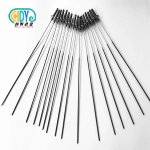
Understanding Titanium Anode Rods and Their Advantages
Titanium-based corrosion defence is a big step forward in how manufacturing equipment is maintained. Corrosive water conditions constantly attack water heaters, boilers, and heat exchangers. These specialised parts are made to protect them.
What Makes Titanium Anode Technology Unique?
The main benefit is that titanium doesn't rust or corrode easily. Titanium naturally makes a solid, self-repairing oxide layer (TiO₂) when it comes into contact with water. This layer protects the titanium without causing any major material loss. This passive film stays in place even when there is a lot of salt in the water, the temperature is high, and the pH level changes. This phenomenon is when regular sacrificial anodes fail before they should.
Operational Benefits That Drive ROI
Using titanium-based security systems has a direct effect on your bottom line because they last longer between repairs and cost less to replace. Usually, magnesium anodes need to be replaced every 18 to 24 months. Titanium systems can last 36 to 60 months with the right finishes and conditions. This longer service life means fewer repair shutdowns, lower labour costs, and better system availability, all of which are very important for factories that run nonstop production plans.
Electrochemical Performance Characteristics
Titanium anodes work with impressed current devices to protect against corrosion precisely by managing electrochemical processes. The titanium substrate, which is often covered with valuable metal oxides like platinum or mixed metal oxide (MMO) mixtures, keeps the anodic performance fixed and stops the substrate from oxidising, which is a problem with regular steel anodes. This setup makes sure that the current flows evenly and gets rid of the concentration cells that speed up localised rusting in complicated shapes.
Comparing Titanium Anode Rods to Other Common Anode Rod Types
Knowing the differences in material performance lets you make smart purchasing choices that meet business needs and stay within your budget.
Performance Analysis: Titanium vs. Magnesium
As a sacrifice, magnesium anodes slowly dissolve to protect the metal surfaces around them. At first, they are cheap, but they wear out quickly in harsh water conditions, especially in soft water or places with low total dissolved solids. Magnesium's high electrical potential makes it work hard to protect, but it means that it needs to be replaced often. Unlike magnesium systems, titanium systems don't change size over time. This means they work consistently without the excessive wear and tear that happens with magnesium in tough situations.
Aluminium Anodes: Cost vs. Longevity Trade-offs
The price of aluminium anodes is about the same as that of magnesium, but they last longer and are less expensive. But aluminium loses much of its protective ability when used at temperatures above 140°F (60°C), and it can passivate in some types of water, rendering the anode useless. Titanium-based systems work at a wider range of temperatures, staying effective from room temperature to 200°F (93°C). This makes them ideal for business and industrial setups that receive a lot of use.
Zinc Anodes and Application Limitations
Some sea and brackish water uses benefit from some zinc protection, but freshwater systems don't benefit as much. The material isn't as useful as titanium because it works well in a wider range of water types, but its electrochemical working window is small. Purchasing teams that are in charge of multiple sites with different water conditions can benefit from titanium's consistent protective properties, which make it easier to keep track of supplies and standardise upkeep procedures.
Practical Guidance for Procurement and Installation of Titanium Anode Rods
A successful application starts with a careful look at the technical requirements that suit your tools and the way you will use them.
Critical Selection Criteria
Dimensional alignment is critical. Make sure that the thread specs, rod length, and thickness match the way the anode port on your equipment is set up. The type of coating has a big effect on how well it works and how long it lasts. Platinum-coated surfaces work best in situations where oxygen evolution is needed, while MMO coatings work well in less demanding settings for less money. The protected current needs of your system must match the current capacity rates. You can usually find these needs by using the tank volume, water conductivity, and desired protection levels.
Supplier Evaluation Framework
Working with makers who have ISO 9001:2015 certification ensures that they carry out quality control in a planned way throughout the production process. Ask for proof that the material meets the necessary standards, like ASTM B348 for titanium products. Check with your providers to see if they can do custom machining, as custom measurements can improve performance in certain situations. Technical support is very helpful when choosing specifications and fixing problems, so prioritise sellers who offer engineering advice backed by electrical knowledge.
Installation Best Practices
The best way to spread protective current across covered surfaces is to place them correctly. When you can, mount the titanium anode rod upright, making sure that it is far enough away from the tank walls and heater elements to keep the current from getting blocked. Check that there is electrical contact between the anode and the power source. Bad connections make the system less effective. Before installation, you should do a water chemistry study. Write down the conductivity, pH, chloride content, and temperature to obtain a baseline that you can use to set the working current. Keep full records of the installation, including the date, the anode specifications, and the initial working parameters. This will make planning future upkeep easier.
Maintenance Protocols That Extend Service Life
Regularly checking the voltage can help identify covering wear before it leads to total failure. Set up regular review times every three months to check the voltage of the cells; slow increases in signal coating degradation need attention. During routine repair, a visual inspection shows any physical damage or problems with how the equipment is working. Every year, clean the link places to keep the best electrical contact. Write down everything you notice so you can identify performance trends that help you decide when to replace things and make the buying process run more smoothly.
Industry Applications and Case Studies Highlighting Titanium Anode Rod Use
Titanium corrosion protection technology is used in many fields where the dependability and life of tools have a direct effect on how well it works and how much money it makes.
Commercial Water Heating Systems
Titanium anode systems are used to protect large investments in water heating equipment in places like hospitals, hotels, and apartment buildings with multiple tenants. A documented case involving a 500-room hotel in a coastal area showed that switching from magnesium-based protection to titanium-based protection increased the service life of the anode from 14 months to 48 months. This cut annual maintenance expenses by 62% and eliminated the need for two emergency tank replacements due to faster corrosion.
Industrial Process Applications
Titanium anodes are used to protect heat exchangers and storage tanks that handle toxic media in chemical processing plants. Because it doesn't react with acids, bases, or salty solutions, the material is essential in places where other materials fail quickly. When petrochemical companies put titanium security on their most important heat exchange equipment, unplanned downtime dropped by a lot. In some cases, the equipment only needs to be serviced every six years instead of every year with older systems.
Desalination and Water Treatment
Thermal desalination plants and reverse osmosis plants work in very corrosive conditions where the choice of materials has a big effect on the costs of the system. Titanium is very resistant to chlorides, which keeps process equipment safe from the harsh brines that are used in these situations. One desalination plant in the Middle East reported saving 40% on lifecycle costs over ten years by switching to titanium protection systems. They said the improvement was because the equipment lasted longer and required less upkeep work.
Market Insights and Where to Source Titanium Anode Rods?
With strategic sourcing, you look at both technical and business factors to build trusting relationships with suppliers that will help you reach your long-term working goals.
Global Supply Landscape
Internationally known as the "Titanium Capital", China's Baoji region combines specialised industrial know-how with integrated supply chains to make high-quality titanium goods at reasonable prices. In this area, manufacturers usually offer full vertical integration, which means they handle everything from handling raw materials to making finished goods. This saves money in ways that are difficult to find elsewhere. European and North American suppliers offer better regional support, with shorter wait times and more localised expert services. However, these benefits often come at a higher cost, as their cost structures are different.
Pricing Dynamics and Value Assessment
Prices for titanium anode rods depend on many factors, such as the cost of the base material, the finishing technology, the size requirements, and the number of rods that are ordered. Prices on the market right now range from $45 to $180 per unit, based on these factors. When compared to spot buying, volume agreements usually get you 15–25% off. Total cost of ownership research should look at more than just the purchase price. It should also look at things like projected service life, maintenance needs, and downtime costs. Titanium regularly shows better value in these areas, even though it costs more at first than other options.
Building Supplier Partnerships
Effective sourcing goes beyond just buying things and includes building long-term partnerships. Look for suppliers who can show they are technically competent by providing quick engineering help and being ready to work with you to create custom solutions that solve specific application problems. Check out the production skills, such as the level of sophistication of the tools and the quality control procedures. Ask for customer examples from companies in the same industry, and check in with your suppliers on a regular basis to make sure they are still following the rules. Long-term contracts with reliable providers keep prices stable, make sure that capacity is allocated when supplies are low, and make it easier for both parties to work on ongoing improvement projects.
Conclusion
Titanium anode rods are a proven technology that improves performance in a wide range of industrial, business, and specialised settings that need strong rust protection. Their longer service life, ability to work with a wide range of water chemicals, and lower upkeep needs make the investment worthwhile for procurement teams that put lifetime value above initial purchase cost. Carefully matching specifications, choosing a qualified provider, and following best practices for installation are all important for a successful application. These things work together to make sure of the best return on investment and long-term equipment efficiency in tough operating settings.
FAQ
Q: How long do titanium anode rods typically last compared to magnesium alternatives?
A: Titanium-based systems with good coats usually last 36 to 60 months under normal conditions of use, while magnesium anodes only last 18 to 24 months in the same circumstances. Titanium always has two to three times the service life of regular sacrificial anodes, but the exact length of time it lasts depends on the chemistry of the water, the working temperature, and the current density.
Q: Can titanium anode rods function in all water heater types?
A: Titanium-impressed current systems can work with most storage tanks, boilers, and heat exchanges used in business and industrial water heating. For the impressed current device to work, there must be an open power source and enough port access for installation. The technology usually works best in bigger setups with high replacement costs and a lot of work that needs to be done to keep it running. Such factors could make it hard to use in homes.
Q: What maintenance do titanium anode systems require?
A: Unlike disposable methods, they don't need as much maintenance. Monitoring voltage every three months finds trends in coverage decline. A visual check of the electrical links and physical state is done once a year as part of routine equipment repair. Unlike spare anodes, which need to be replaced regularly, titanium substrates stay whole forever. After years of use, only the catalytic layer needs to be replaced.
Partner With Chuanghui Daye for Your Titanium Anode Rod Requirements
Shaanxi Chuanghui Daye specialises in manufacturing precision-engineered titanium anode rods backed by over 30 years of rare metal expertise and ISO 9001:2015-certified quality systems. Located in Baoji—China's renowned titanium capital—we maintain complete production capabilities from raw material processing through finished component fabrication, enabling competitive factory-direct pricing without compromising quality. Our engineering team collaborates with procurement managers and OEMs to develop customised corrosion protection solutions addressing specific water chemistry challenges and equipment configurations. Whether you require standard specifications or custom-machined components with specialised coatings, we deliver reliable supply supported by comprehensive technical consultation. Contact our applications engineering team at info@chdymetal.com to discuss your titanium anode rod specifications and receive prompt quotations tailored to your volume requirements. As your trusted titanium anode rod supplier, we're committed to supporting your operational excellence through superior materials and responsive service.
References
1. Davis, J.R. (2000). Corrosion: Understanding the Basics. ASM International, Materials Park.
2. International Titanium Association (2018). Titanium in Corrosion Protection Applications: Technical Guidelines for Industrial Use.
3. Revie, R.W., & Uhlig, H.H. (2008). Corrosion and Corrosion Control: An Introduction to Corrosion Science and Engineering. Fourth Edition, Wiley-Interscience.
4. American Water Works Association (2015). Internal Corrosion Control in Water Distribution Systems. Manual M58, AWWA Publications.
5. Baboian, R. (2005). Corrosion Tests and Standards: Application and Interpretation. Second Edition, ASTM International.
6. Schutz, R.W., & Thomas, D.E. (1987). "Corrosion of Titanium and Titanium Alloys." Metals Handbook, Volume 13: Corrosion, ASM International, pp. 669-706.

Learn about our latest products and discounts through SMS or email