- English
- French
- German
- Portuguese
- Spanish
- Russian
- Japanese
- Korean
- Arabic
- Greek
- German
- Turkish
- Italian
- Danish
- Romanian
- Indonesian
- Czech
- Afrikaans
- Swedish
- Polish
- Basque
- Catalan
- Esperanto
- Hindi
- Lao
- Albanian
- Amharic
- Armenian
- Azerbaijani
- Belarusian
- Bengali
- Bosnian
- Bulgarian
- Cebuano
- Chichewa
- Corsican
- Croatian
- Dutch
- Estonian
- Filipino
- Finnish
- Frisian
- Galician
- Georgian
- Gujarati
- Haitian
- Hausa
- Hawaiian
- Hebrew
- Hmong
- Hungarian
- Icelandic
- Igbo
- Javanese
- Kannada
- Kazakh
- Khmer
- Kurdish
- Kyrgyz
- Latin
- Latvian
- Lithuanian
- Luxembou..
- Macedonian
- Malagasy
- Malay
- Malayalam
- Maltese
- Maori
- Marathi
- Mongolian
- Burmese
- Nepali
- Norwegian
- Pashto
- Persian
- Punjabi
- Serbian
- Sesotho
- Sinhala
- Slovak
- Slovenian
- Somali
- Samoan
- Scots Gaelic
- Shona
- Sindhi
- Sundanese
- Swahili
- Tajik
- Tamil
- Telugu
- Thai
- Ukrainian
- Urdu
- Uzbek
- Vietnamese
- Welsh
- Xhosa
- Yiddish
- Yoruba
- Zulu
Why Are Titanium Metal Plates Preferred in Medical Devices?
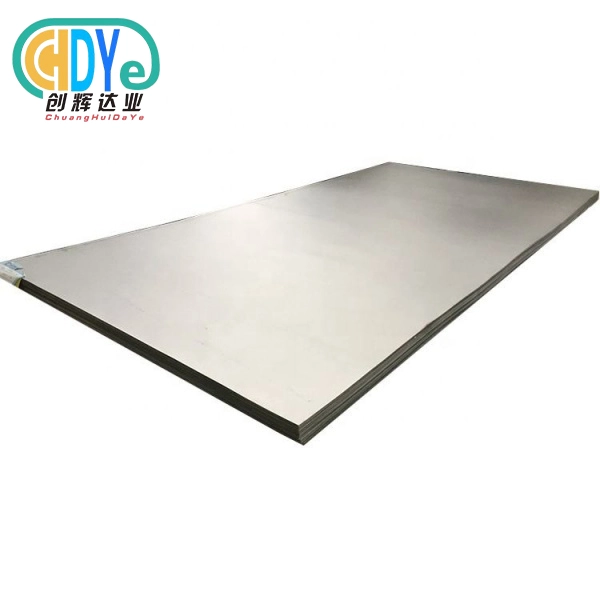
Selecting titanium metal plates for making medical devices is a result of a special convergence of material qualities that directly address clinical demands. These plates are the best for implantable devices and medical tools because titanium is biocompatible, which means it can mix with human flesh without causing adverse immune responses. They are also very resistant to corrosion in body fluids. Titanium, unlike options like stainless steel, makes a stable oxide layer (TiO₂) that stops ions from escaping. This keeps the structure safe inside the body over time and under physiological stress.
Understanding Titanium Metal Plates for Medical Devices
Material Composition and Medical-Grade Specifications
Commercially pure (CP) titanium or special alloys made to meet strict regulatory standards are used to make medical-grade titanium metal plates. Interstitial elements like oxygen, nitrogen, carbon, and hydrogen are usually present in measured amounts in the material's makeup. These elements have a direct effect on both mechanical performance and biological reaction. Because it is so easy to shape and bend, Grade 2 commercially pure titanium is used to make a lot of surgery tools and basic implant designs. This grade has a tensile strength between 345 and 483 MPa, which means it can hold up against mechanical stress and has better corrosion protection in salty and bodily fluid conditions. The most common type of titanium alloy used in orthopaedic and trauma applications is Grade 5 titanium alloy (Ti-6Al-4V), which has 6% aluminium and 4% vanadium. This alpha-beta phase alloy has tensile strengths higher than 895 MPa, which is a lot higher than widely pure grades while still being biocompatible. The alloying elements make Grade 5 stronger and lighter. This makes it perfect for load-bearing implants like bone plates, spine fusion devices, and joint replacement parts.
Physical and Chemical Advantages in Biological Environments
Titanium metal plates have a density of about 4.51 g/cm³, which is about 56% that of stainless steel. This means that implants can be lighter without losing their structural stability. This feature of being light reduces the stress shielding effects in orthopaedic settings, where too stiff of an implant can cause bone loss and weaken spinal systems. Titanium metal plates can bend when they are physiologically loaded because they have a low modulus of elasticity (about 110 GPa). This spreads stress more evenly across bone-implant surfaces and helps the body's natural mending processes. Titanium metal plates don't rust because an oxide film forms on their own when they are exposed to air. This inactive layer grows back on its own if it gets broken, protecting against chloride ions, proteins, and enzyme reactions that are found in living things. Titanium is not chemically reactive like stainless steel, which can release nickel ions that cause allergic reactions in sensitive patients. This means that there are no worries about hypersensitivity, and more people can get implant treatments.
Why Do Titanium Metal Plates Outperform Alternatives in Medical Applications?
Comparative Performance Against Stainless Steel and Cobalt-Chromium Alloys
When choosing materials for surgical implants, people who work in buying have to think about a lot of different performance factors, as well as clinical results and following the rules. Stainless steel 316L has been used in medicine because it is easy to find and machine, but its flaws become clear with long-term implantation. The nickel content in stainless steel, which is usually between 10 and 14 per cent, has been linked to allergic reactions. Studies show that between 10 and 15 per cent of people in general are sensitive to nickel. Titanium metal plates eliminate this problem because they don't contain nickel. Cobalt-chromium metals are better at protecting moving joint surfaces from wear, but they are much denser than titanium (8.3–9.2 g/cm³). This difference in weight means that patients will be more uncomfortable in load-bearing situations and that surgery will be more difficult during insertion. Cobalt-chromium metals have an elasticity value of about 210 to 230 GPa, which is similar to stainless steel. This means that they have similar problems with stress shielding that can hurt bone health over time.
Grade-Specific Selection Criteria for Medical Applications
When formability and rust resistance are more important than maximum strength, Grade 2 titanium metal plates work best in head repair, maxillofacial surgery, and cardiovascular devices. The good cold-forming properties of the material let doctors shape plates during surgery, getting a perfect fit without damaging the material's structure. This grade meets the requirements of ASTM B265 and has an oxygen content of less than 0.25%. This makes sure that the mechanical qualities are the same from one production batch to the next. Grade 5 (Ti-6Al-4V) plates are used in high-stress orthopaedic procedures like fixing femur fractures, reconstructing the acetabulum, and stabilising the spine. The addition of aluminium makes the alpha phase stronger, and the vanadium stabilises the beta phase. This makes a microstructure that can withstand cyclic loading of more than 100 million cycles, which is important for implants that are exposed to repeated bodily forces. When purchasing Grade 5 materials, purchasing managers must make sure that they meet the requirements of ASTM F136 (surgical implant specification) or ISO 5832-3. These standards have stricter rules on interstitial elements and mechanical qualities compared to industrial-grade versions.
Manufacturing and Quality Standards of Titanium Metal Plates for Medical Use
Production Process and Traceability Requirements
There are several controlled steps needed to make medical-grade titanium metal plates. The first step is vacuum arc remelting (VAR) or electron beam melting, which gets the chemicals to be the same and gets rid of any flaws. The ingots are then hot-forged at temperatures between 900°C and 1000°C, and then they are hot-rolled to get the desired thickness, which can be anywhere from 0.5 mm to 50 mm. Annealing processes, which are usually done at 650–750°C in safe atmospheres, get rid of any remaining stresses and make the microstructure best for tensile properties. Surface preparation is a very important part of cellular function. Pickling in hydrofluoric-nitric acid solutions is used to get rid of the alpha-case layer, which is a rigid oxygen-rich surface zone that forms during high-temperature processing. This is followed by passivation, which helps a uniform oxide film form. Surface roughness standards usually need Ra values below 1.6 μm for implanted parts to keep germs from sticking and improve osseointegration.
Each production batch comes with traceability paperwork that connects chemistry reports on the raw materials, records of the heat treatment process, mechanical test results, and ultrasonic inspection data to each titanium metal plate's unique serial number. This detailed paperwork meets the requirements of FDA 21 CFR Part 820 for quality systems and lets people quickly fix problems with performance in the field. Our ISO 9001:2015-certified factory keeps full records from the time they buy the raw materials to the time they check the finished product. This makes sure that all medical device quality control requirements are met.
Inspection Protocols and Compliance Standards
Quality control for medical titanium metal plates includes a number of different testing methods that make sure the material is solid. The chemical composition study using inductively coupled plasma optical emission spectroscopy (ICP-OES) checks the amount of alloying elements and interstitials against the limits set by ASTM B265 and ASTM F67 standards. As part of mechanical testing, tensile tests are done at room temperature to find out the yield strength, maximum tensile strength, and elongation percentage. These tests make sure that the numbers meet the minimum standards for the grade.
Ultrasonic testing (UT) finds internal breaks like inclusions, pores, or laminations that might make an implant less effective. Medical-grade plates usually have to be inspected according to AMS 2631 Class A standards, which say that flaws as small as 0.8 mm diameter flat-bottom holes must be able to be found. Metallographic examination shows the correct microstructure and the lack of alpha-case contamination, which can lead to brittle failure when loaded and unloaded repeatedly.
Dimensional checking ensures that the width limits, flatness requirements, and edge condition requirements are met. To make sure that surgical instruments and fixation tools fit perfectly, medical uses often need tighter tolerances than industrial ones. These are usually ±0.05mm for plates less than 3mm thick and ±0.10mm for plates that are thicker. Our high-tech machining centres, which include precise lathes, shearing machines, and computer-controlled cutting systems, keep these very tight standards across custom sizes made for each device design.
Practical Benefits of Using Titanium Metal Plates in Medical Devices
Enhanced Implant Longevity Through Superior Corrosion Resistance
The main thing that determines how well implantable devices work in the body is how stable the materials are in harsh living settings. Titanium metal plates keep their shape when they are exposed to fluids with chloride ion concentrations higher than 9,000 ppm. This is in a situation where stainless steel quickly breaks down due to pitting and crevice corrosion. The self-healing properties of titanium's oxide layer make it a reliable material that will last for decades without breaking down or releasing harmful ions. This resistance to corrosion immediately leads to fewer surgeries being needed again and better results for patients. Over 10 years, orthopaedic trauma plates made from Grade 5 titanium metal have failure rates below 2%, while similar stainless steel devices have failure rates between 5 and 8%. By getting rid of corrosion-related problems, healthcare costs linked to implant removal treatments go down, and patients are exposed to fewer extra surgical risks.
Mechanical Advantages in Load-Bearing Applications
Titanium metal plates have a strength-to-weight ratio that is about 30% higher than stainless steel. This lets designers make implants that are lighter without losing their mechanical performance. Spinal fusion plates made from Grade 5 titanium can hold the same amount of weight as stainless steel plates but are 40–45% lighter. This means that they are easier on the patient's soft tissues and make them more comfortable while they heal. In paediatric settings, where reducing foreign body mass helps bones grow naturally, this weight loss is especially helpful. Titanium has a lower amount of elasticity than stainless steel (110 GPa vs. 200 GPa), which makes it more useful for fracture repair. When bones are loaded physiologically, plates that bend slightly help calluses form by controlling micromotion at fracture sites. This speeds up healing compared to fastening systems that are too stiff. This mechanical fit between the implant and bone lowers the amount of stress that can cause the bone to break again after the hardware is taken out.
Biocompatibility and Tissue Integration Characteristics
Titanium metal plates are biocompatible because they are chemically neutral and have surface qualities that help cells stick to them. Osteoblast cells, which are in charge of making new bone, connect easily to titanium oxide surfaces. This starts osseointegration processes that directly bond bone to the implant without any fibrous tissue layers in the way. This cellular integration makes the implants more stable and improves how well they bear weight, both of which are important for successful orthopaedic repair. Concerns about sensitivities that affect 10-15% of patients exposed to nickel-containing metals are taken away when allergenic components are removed. Titanium is not magnetic, so it can be used for MRI exams on people who have titanium devices. This is better than using ferromagnetic materials, which can cause image artefacts and safety risks. This diagnostic similarity makes it easier to keep an eye on patients after surgery and take care of them in the long run.
Procuring Titanium Metal Plates for Medical Device Manufacturing
Evaluating Supplier Capabilities and Certifications
To find the right providers for medical-grade titanium metal plates, you need to carefully look at their manufacturing skills, quality systems, and compliance with regulations. Purchasing managers should give more weight to suppliers who have ISO 13485 medical device quality management certification. This shows that they know more about medical manufacturing needs than just ISO 9001 standards. Suppliers should provide full material tracking paperwork that connects finished plates to certified sources of raw materials. This is necessary for regulatory reports and monitoring after the product has been sold. Advanced manufacturing tools like electron beam melting, precision rolling equipment, and controlled atmosphere annealing ovens show that a seller can consistently make high-quality medical materials. If a supplier has their own testing labs with chemical analysis, mechanical testing, and ultrasonic inspection tools, they can turn around orders faster and keep quality higher than suppliers who use outside testing services. These skills come in very handy when getting special specs or keeping track of tight deadlines for making prototypes.
Customisation Options and Lead Time Considerations
When making medical devices, titanium metal plates often need to be made in non-standard sizes or with special surface processes that fit the needs of each body part. Our customisation services cover a wide range of plate sizes, from 0.5 mm thick to 50 mm thick, 500 mm wide to 2000 mm wide, and up to 6000 mm long. Our manufacturing capabilities allow for both small-batch development runs—important for research schools and new medical device companies doing feasibility studies—and large-scale production to support existing product lines.
Due dates depend on how complicated the specifications are and how many orders are placed. Standard-grade titanium metal plates in common sizes usually ship two to three weeks after the order is confirmed. However, unique specs that need special rolling schedules or extra processing steps can take six to eight weeks. Because our prices come straight from the plant, there are no markups for distributors. This saves you money, especially when you buy in bulk, and it keeps our prices competitive for prototype amounts. Clear communication during production lets buying teams know how things are going and lets them plan for activities that will happen later in the manufacturing process.
Our facility is in Baoji, which is known around the world as China's Titanium Capital. This industry hub has easy access to high-quality raw materials and a lot of specialised processing knowledge. This geographical edge means that materials are consistently of high quality, and production is efficient. This helps medical device makers in North America, Europe, and the Asia-Pacific region make sure that their products are delivered on time and reliably.
Conclusion
Titanium metal plates have become the best material for making medical devices because they are better at being biocompatible, resisting rust, and performing mechanically. The special mix of qualities, such as the ability to form an oxide layer on its own, which makes the material chemically inert, and the high strength-to-weight ratios that allow for the best implant designs, meet important therapeutic needs that other materials can't. Better implantable devices and less invasive surgery methods are being developed in the medical field. This means that high-quality titanium metal plates are becoming more important in orthopaedic, circulatory, and reconstructive uses. When procurement professionals work with qualified suppliers who uphold strict quality standards and offer full customisation options, their companies are better able to come up with new medical solutions that help patients and meet changing government standards.
FAQ
Q: What titanium grades are most suitable for permanent implants?
A: Grade 5 (Ti-6Al-4V) and Grade 23 (Ti-6Al-4V ELI, or Extra Low Interstitial) are the best choices for long-lasting implants that support weight, such as orthopaedic plates, spinal gear, and joint replacement parts. Grade 23 is better for important uses that need the highest level of dependability because it has tighter controls on the amount of oxygen, nitrogen, and iron it contains. This makes it more flexible and harder to break.
Q: How does titanium's corrosion resistance compare to surgical stainless steel in long-term implantation?
A: When it comes to bodily conditions, titanium is much more resistant to corrosion than medical stainless steel. Stainless steel can get pitting and crevice corrosion from being exposed to chloride-rich body fluids for a long time, but titanium's renewing oxide layer protects it all the time. Compared to stainless steel implants, titanium implants have much lower corrosion rates for failure due to rust over 10 years or more, according to clinical studies.
Q: Can you supply custom titanium plate dimensions for prototype medical devices?
A: We can meet special needs, like thicknesses, widths, and lengths that aren't standard and are made to fit specific gadget designs. Our production methods are flexible enough to support both small-batch trial runs and large-scale production. To support research and development efforts, the minimum order amounts can be changed based on the complexity of the specifications.
Source Premium Titanium Metal Plate from Chuanghui Daye
Shaanxi Chuanghui Daye is an expert at making medical-grade titanium metal plate that meets the exact needs of gadget makers all over the world. Our ISO 9001:2015-certified plant in Baoji, China's titanium capital, has advanced processing tools, such as electron beam furnaces, precision rolling machinery, and computer-controlled machining centres, as well as more than 30 years of experience in the rare metals business. We offer all medical grades of titanium plates, from Grade 2 to Grade 23. Our plates come with full tracking paperwork, chemical composition approval, and mechanical test results that meet ASTM B265, ASTM F136, and ISO 5832 standards. Our engineering team is here to help you with any part of the buying process, whether you need standard sizes for well-known product lines or unique specs for a new device. Contact our experts at info@chdymetal.com to talk about your titanium metal plate needs with a dependable provider that is dedicated to quality, offers reasonable factory-direct pricing, and can accommodate flexible delivery times that fit your production plans.
References
1. Rack, H.J. and Qazi, J.I. (2006). "Titanium Alloys for Biomedical Applications." Materials Science and Engineering C, 26(8), 1269-1277.
2. Niinomi, M. (2008). "Mechanical Biocompatibilities of Titanium Alloys for Biomedical Applications." Journal of the Mechanical Behaviour of Biomedical Materials, 1(1), 30-42.
3. Geetha, M., Singh, A.K., Asokamani, R., and Gogia, A.K. (2009). "Ti-Based Biomaterials: The Ultimate Choice for Orthopaedic Implants – A Review. " Progress in Materials Science, 54(3), 397-425.
4. American Society for Testing and Materials. (2015). "ASTM F136-13: Standard Specification for Wrought Titanium-6Aluminum-4Vanadium ELI Alloy for Surgical Implant Applications." ASTM International, West Conshohocken, PA.
5. Long, M. and Rack, H.J. (1998). "Titanium Alloys in Total Joint Replacement—A Materials Science Perspective." Biomaterials, 19(18), 1621-1639.
6. Elias, C.N., Lima, J.H.C., Valiev, R., and Meyers, M.A. (2008). "Biomedical Applications of Titanium and Its Alloys." Journal of the Minerals, Metals and Materials Society, 60(3), 46-49.


Learn about our latest products and discounts through SMS or email