- English
- French
- German
- Portuguese
- Spanish
- Russian
- Japanese
- Korean
- Arabic
- Greek
- German
- Turkish
- Italian
- Danish
- Romanian
- Indonesian
- Czech
- Afrikaans
- Swedish
- Polish
- Basque
- Catalan
- Esperanto
- Hindi
- Lao
- Albanian
- Amharic
- Armenian
- Azerbaijani
- Belarusian
- Bengali
- Bosnian
- Bulgarian
- Cebuano
- Chichewa
- Corsican
- Croatian
- Dutch
- Estonian
- Filipino
- Finnish
- Frisian
- Galician
- Georgian
- Gujarati
- Haitian
- Hausa
- Hawaiian
- Hebrew
- Hmong
- Hungarian
- Icelandic
- Igbo
- Javanese
- Kannada
- Kazakh
- Khmer
- Kurdish
- Kyrgyz
- Latin
- Latvian
- Lithuanian
- Luxembou..
- Macedonian
- Malagasy
- Malay
- Malayalam
- Maltese
- Maori
- Marathi
- Mongolian
- Burmese
- Nepali
- Norwegian
- Pashto
- Persian
- Punjabi
- Serbian
- Sesotho
- Sinhala
- Slovak
- Slovenian
- Somali
- Samoan
- Scots Gaelic
- Shona
- Sindhi
- Sundanese
- Swahili
- Tajik
- Tamil
- Telugu
- Thai
- Ukrainian
- Urdu
- Uzbek
- Vietnamese
- Welsh
- Xhosa
- Yiddish
- Yoruba
- Zulu
How Long Do Titanium Metal Plates Last Without Rusting?
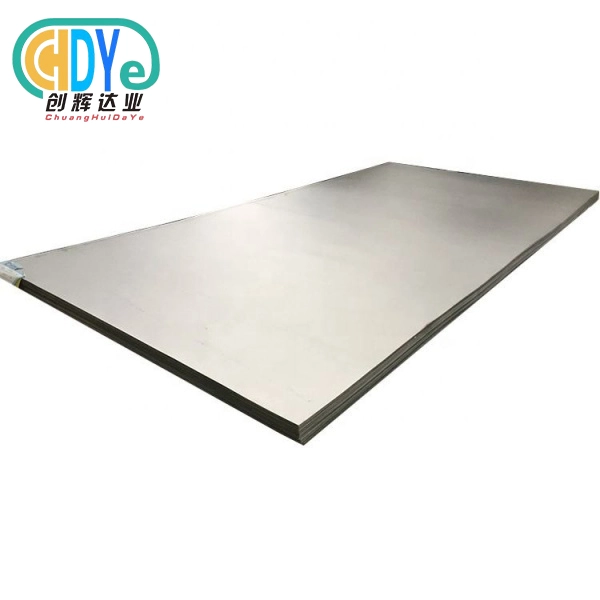
When purchasing managers buy things for important uses, how long they last is just as important as how well they work. When it comes to industry, titanium metal plate stands out because it solves a basic problem: rust. Titanium makes a protected oxide layer almost instantly when it comes into contact with air or water, unlike ferrous metals that rust and break down. This dormant film is mostly made up of titanium dioxide, and it keeps growing back even if it gets scratched or worn down. This makes it the best protection against rust there is. A titanium metal plate that has been properly chosen can last for decades, often 30 to 50 years or more, without any obvious rusting in normal air conditions and even in mildly active settings. Titanium parts have been shown to last five to ten times longer than parts made of other materials in marine settings, chemical processing plants, and aircraft structures. This makes them a smart investment for long-term operating efficiency.
Introduction
Titanium metal plates have a character for being depended on in fields where failure is not a choice. These materials work well year after year in places like heat exchangers that process chemicals that are corrosive and underwater fishing sites that are constantly hit by saltwater. We know that buying workers are under a lot of pressure to find the best mix between initial prices and long-term value. This is where titanium's resistance to rust becomes critical. This in-depth guide looks at how titanium resists rust and how long it lasts compared to other metals and provides you useful information for choosing the right type and source. Our goal is to give your team the information they need to make smart buying choices that will lower the total cost of ownership, shorten the time spent on upkeep, and keep downtime to a minimum.
Understanding Titanium Metal Plate Corrosion Resistance
The Science Behind Titanium's Protective Oxide Layer
Titanium is very resistant to rust because of something that happens naturally. A thin, clear oxide film forms on the surface in milliseconds after being exposed to air or water. This layer, which is only a few nanometers thick, sticks tightly to the parent metal and stops it from oxidizing any further. Titanium's oxide layer stays solid and heals itself, unlike iron oxide (rust), which flakes off and leaves new metal open to further attack. Even if the film is damaged by something mechanical, it heals quickly when it comes in contact with air or water, so it keeps protecting everything.
Grade Variations and Their Corrosion Profiles
According to ASTM standards, fully pure titanium is divided into Grades 1 through 4. Each grade has a higher strength because it has more oxygen in its structure. Grade 1 has the most flexibility and the best forming properties, making it ideal for uses that need complex shapes. Grade 2 is the most common type of industrial pure titanium. It is strong and doesn't rust, so it is widely used in chemical processing and naval equipment. Grade 4 is stronger while still being flexible, making it perfect for structure parts that will be used in harsh conditions. The Grade 5 (Ti-6Al-4V) metal, which is made up of 6% aluminum and 4% vanadium, is forceful and is still the standard for aircraft uses. Each grade has excellent resistance to rust, but alloying elements can slightly change how well it works in some chemical conditions.
Comparative Advantage Over Alternative Metals
Titanium always performs better in harsh situations when compared to stainless steel, aluminum, and nickel metals. Even though stainless steel is cheap, it can still experience pitting and stress corrosion cracks from salt in chemical and marine settings. Aluminum doesn't rust when the pH is normal, but it breaks down quickly in acidic or alkaline environments. Nickel metals are not only very resistant but also quite heavy and expensive. A titanium metal plate fills this gap; it has rust protection that is as superior as or better than valuable metals and a strength-to-weight ratio that no other construction material can match. For example, titanium doesn't rust very much in seawater, but stainless steel corrodes at a rate of 0.1 to 0.5 millimeters per year, based on the grade and the conditions.
Environmental Factors Affecting Corrosion Rates
Variables in the surroundings can change even titanium's high resistance. Immersion in saltwater doesn't pose much of a threat because titanium stays strong in marine uses forever. When industrial pollution and high humidity come together, they can speed up surface discoloration but rarely damage the structure itself. Extreme temperatures need to be thought about: titanium stays stable below 300°C; above this point in oxygen-rich environments, oxidation speeds up, but a thick oxide scale still protects it. Strong reducing acids, such as hydrochloric and sulfuric acid, at high temperatures can damage titanium in a few places. For these specific uses, it is important to carefully choose the grade or take other precautions to keep it safe.
How Long Can Titanium Metal Plates Last Without Rusting?
Service Life Across Key Industries
Titanium parts are often used in aircraft and have service lives of 25 to 40 years, even when they are exposed to changing temperatures, pressure, jet fuels, and hydraulic fluids. Titanium metals are used to make medical devices that are biocompatible and don't rust. These qualities last the patient's lifetime and often longer than 30 years in the body's salty environment. Due to rust, naval buildings made of titanium usually last 30 to 50 years before they need to be replaced. This includes submarine hulls, offshore platform parts, and heat exchangers in desalination plants. Chemical processing plants say that heat exchanger tubesheets can last more than 25 years when they are constantly exposed to strong media that would destroy stainless steel in just a few months.
Real-World Performance Data
In the offshore oil business, titanium drilling riser parts that were put in place in 1985 and stayed in use until 2020 with little upkeep show that they can work reliably in one of the toughest conditions of the ocean for 35 years. Since the 1970s, desalination plants in the Middle East have used multistage flash evaporators with titanium tubes for heat exchange all the time. Many of the original systems are still working today. These examples show that titanium really does last a long time and back up the material's reputation for being very durable.
Factors That Can Reduce Effective Lifespan
Even though titanium naturally doesn't rust, some situations can make it less effective. Surface pollution during manufacturing, especially iron bits that stick to the material during cutting or welding, can cause localized galvanic cells that start pitting. If you don't do the heat treatment or welding right, it can change the texture and make some areas less resistant to rust. If mechanical damage removes the protected oxide layer in a place without enough air for regrowth, the material may be weak. Once again, titanium's usually remarkable resistance is greatly weakened when it comes into contact with very reducing acids or liquid salts at high temperatures.
Impact of Thickness and Density on Durability
The thickness of a material affects both mechanical longevity and rust resistance. Our titanium metal plates come in thicknesses ranging from 0.5mm to 50mm. Thicker plates offer more structural support and can handle surface wear and tear over time. The density, which ranges from 4.43 to 4.51 g/cm³ based on grade and preparation, changes how much something weighs but not how well it resists rust. In high-stress situations where mechanical wear or corrosion might happen along with chemical attack, thicker plates are better because they provide more material reserve, which effectively extends service life.
Longevity Comparison with Common Alternatives
Because it rusts, carbon steel in industrial settings usually needs to be replaced or fixed up every 5 to 15 years. Stainless steel lasts longer (15 to 25 years in mild settings) but not as long in chloride-rich environments. With the right care and protective coats, aluminum buildings can last 20 to 30 years. Titanium has a 30–50-year or longer service life in similar or tougher conditions, which is two–ten times longer than other materials. This means that it costs less to replace, has less downtime, and has better lifetime economics.
Selecting the Right Titanium Metal Plate for Long-Term Corrosion Resistance
Matching Grade to Application Requirements
Picking the right titanium grade affects both how well it works and how much it costs. Grade 2 titanium is the standard for most industrial uses because it is resistant to rust, simple to shape, and not too strong, all at a reasonable price. For tank linings and pipes in chemical processing equipment that works with acidic substances, Grade 2 is usually the minimum requirement. Grade 5 (Ti-6Al-4V) is needed when strength is very important, like in aircraft structure parts and high-performance naval gear. Grade 23 (ELI Ti-6Al-4V) is the only grade that medical device makers will use for implants because it has extra-low interstitial content that makes it more biocompatible and resistant to wear.
Thickness Customization for Specific Applications
When choosing the right width, you have to weigh mechanical needs against weight and cost concerns. In aircraft uses, 3mm to 6mm plate is often used for structural bulkheads to keep the weight down while still providing the stiffness that is needed. Plates 8mm to 15mm thick are usually used in chemical reactor tanks to handle the pressure inside and allow for rusting. Thinner 1mm to 3mm plates could be used for covering or artistic features in architectural projects. We can make things in thicknesses ranging from 0.5mm to 50mm, widths ranging from 500mm to 2000mm, and lengths ranging from 1000mm to 6000mm. This means that we can precisely match specifications for a wide range of project needs.
Importance of Certified Sourcing
Material approval is important for ensuring quality and keeping track of what we used. ASTM standards set limits on makeup, mechanical qualities, and testing rules that make sure products always work the same way. Buying from ISO 9001:2015-certified companies makes sure that quality is controlled all the way through the production process, from checking the raw materials to doing the final inspection. Material test records (MTRs) that list the chemical make-up, tensile strength (up to 550 MPa), and yield strength (up to 485 MPa) of provided material make sure that it meets the requirements. This paperwork is very important for following the rules in areas like aircraft, medicine, and pressure vessels, where you need to show the material's history.
Partnering with Reliable Suppliers
Picking the right supplier has a big effect on the success of the job and on long-term happiness. Established makers with decades of experience know the right types and processing methods for each purpose because they have studied metals for a long time. The ability to meet special needs is based on production skills such as vacuum arc remelting, hot and cold rolling, and precise cutting. Where a seller is located affects lead times and shipping costs. Suppliers that are close to where ththe source of raw materials often enjoytitive edge. Making information about production capacity, inventory availability, and quality control methods clear helps people make more accurate plans and lowers the risk of buying something.
Procurement Considerations for Rust-Resistant Titanium Metal Plates
Evaluating Supplier Credentials and Certifications
Doing your research before choosing a provider saves you from quality problems and late deliveries. Getting certified in ISO 9001:2015 shows your dedication to quality management systems and constant growth. Compliance with or approval by ASTM shows that you know about foreign material standards. Customer recommendations from similar businesses can help you assess someone's reliability and technical support. Site trips or audit reports are used to check the methods for managing supplies, quality control, and production equipment. These steps in the review process help find providers who can regularly send material that meets specifications on time.
Understanding Pricing Structures and Value Factors
Titanium prices depend on more than just how much the material costs. The grade affects the base price. For example, combination grades like Ti-6Al-4V usually cost more than commercially pure grades (1-4). Thickness affects how difficult it is to process and how much you get out of it. Very thin or very thick plates cost more. The amount you order has a big effect on the unit cost. When you order in bulk, production is more efficient and setup costs are lower. Specifications for customization, such as unique sizes, styles, or tolerances, increase worth by requiring more processing. By buying directly from the factory, you avoid the markups that distributors add, which can cut your total cost by 15 to 25 percent and give you more options for communication and customization.
Lead Time Considerations and Inventory Planning
Schedules for production depend on the supply of materials and the difficulty of the manufacturing process. Standard grades in popular sizes may be shipped within two to four weeks of stock being created. Lead times may be extended to 8–12 weeks for custom specs that need special rolling or heat treatment. Depending on the location and how the operations are set up, international shipping can add two to four weeks. Strategic buyers keep extra stock on hand in case of an emergency or set up framework deals that promise sharing to lower the risk of production delays. Suppliers can prioritize urgent needs and plan procedures for on-time delivery when they have clear information about project timelines.
Quality Verification and Documentation Requirements
Receiving checking processes make sure that the goods meet the requirements of the buyer. Visual inspection finds flaws on the surface, checks for accuracy in measurements, and makes sure that markings can be read. Reviewing the material test result shows that its chemical make-up and mechanical qualities meet the requirements set by the standard. Standardized tools check the thickness, width, and length limits during dimensional testing. For some uses, extra tests are needed, like laser screening to look for flaws inside or measuring the roughness of the surface. Keeping a lot of paperwork, like buy orders, material transfer reports (MTRs), inspection records, and information on how to track materials, helps quality systems and legal compliance all the way through a material's lifetime.
Maintenance Best Practices to Maximize Titanium Plate Lifespan
Routine Inspection Protocols
Potential problems are found before they hurt performance by checking on a regular basis. Surface staining, mechanical damage, or contamination that could affect the protected oxide layer can be seen with the naked eye. Paying close attention to soldered joints, made areas, and where the fasteners are placed can help you find stress concentration places where cracks might start to form. The frequency of scheduled inspections depends on the type of service: every three years for chemically aggressive settings, once a year for general industrial use, and every five years for less severe uses. By writing down what was found during a check, you can look for patterns and plan ahead for future maintenance.
Recommended Cleaning and Surface Care Methods
To keep titanium's protected oxide layer in good shape, it needs to be cleaned carefully. A fresh water clean gets rid of salts, dust, and other dirt that has built up without hurting the top film. When water alone isn't enough to get rid of oils and organic buildup, mild alkaline cleansers work well. Using soft cloths or brushes to clean keeps machines from getting damaged. Avoiding products with chlorine stops localized rusting from starting. After cleaning, letting surfaces dry naturally helps the metal layer grow back. These simple steps keep titanium's natural resistance to rust and keep it looking good.
Handling and Installation Best Practices
Damage that could affect long-term performance can be avoided by following the right steps during manufacturing and installation. When you use titanium-specific tools, iron doesn't get on your cutting tools or work areas. Galvanic rusting can't happen if you keep carbon steel parts away from each other while they're being stored or moved. Weld spatter or concrete splash damage can be avoided by covering surfaces with temporary films or coats while the building is being done. By following the right welding steps, like making sure there is enough shielding gas and controlling the heat input, the weld zone's rust resistance will be the same as the base material's. Taking these steps when dealing with and installing sets the stage for years of reliable service.
Storage Conditions Before Installation
Proper keeping saves investments in materials until they are put in place. Keeping things inside in climate-controlled storage facilities keeps them clean from industrial air or pollution in the environment. Galvanic rust is not a problem when metals are kept separate from carbon steel and other metals that are not the same. Using wooden dunnage for elevated storage keeps things from getting wet on the ground and makes managing goods easier. Surfaces can be kept safe from mechanical damage during warehouse operations by keeping the original protective wrapping or adding temporary coats. These ways of storing things make sure that the material gets to the building spot in great shape, ready to work for as long as it can.
Conclusion
Titanium is very resistant to rust, which means that it has lower lifetime costs and is more reliable in a wide range of commercial settings. Titanium metal plates often last 30 to 50 years or more, which is much longer than options like stainless steel or aluminum. This is because the right grade, thickness, and approved sources are used. That it lasts so long is because it has a self-healing oxide layer that protects it even in harsh sea, chemical, and industrial settings. Even though the starting prices of the materials are higher than those of conventional metals, the longer replacement times, lower upkeep needs, and lack of downtime make the total cost of ownership very attractive. Partnering with experienced, qualified providers who know what the application needs and can offer consistent quality with full tracking paperwork is key to successful procurement.
FAQ
Q: Can titanium metal plates rust under any conditions?
A: Even though a titanium metal plate is very resistant to rust, it can still break down in harsh circumstances. Titanium can rust in strong reducing acids, such as pure sulfuric acid or hydrochloric acid, when the temperature is high. Cracks that don't get enough oxygen and contain chlorides may also break down slowly. Another difficult situation is when there is molten salt and the temperature is high. In business practice, however, these situations don't happen very often. Even after decades of use, titanium doesn't show much rust in normal air, water, and most chemical processing conditions.
Q: How Does Titanium Compare to Stainless Steel in Corrosive Environments?
A: Titanium works much better than stainless steel in places with a lot of salt, where stainless steel types get pitting and stress corrosion cracks. Titanium doesn't corrode much when submerged in seawater, but even high-quality stainless steel metals break down noticeably. When reactive acids are used in chemical processes, titanium's greater protection is a plus. In warm settings, stainless steel may provide good performance at a lower cost, but titanium is the more cost-effective option when lifetime costs and replacement regularity are taken into account.
Q: What Certifications Should I Verify When Purchasing a Titanium Plate?
A: ASTM B265 is the main standard for titanium plates, specifying the required grades and their mechanical properties. Getting ISO 9001:2015 approval shows that a seller is dedicated to quality management. Material test records that list the exact chemicals used and the results of mechanical tests are necessary for keeping track of things. For aerospace uses, you might need extra certifications like NADCAP approval or AMS standards. For medical uses, you need to be registered with the FDA and follow the ASTM F67 or F136 guidelines. Checking these certificates makes sure that the materials are real and that they follow the rules.
Partner with Chuanghui Daye for Premium Titanium Metal Plate Solutions
Shaanxi Chuanghui Daye Metal Material Co., Ltd. has been working with rare metals for more than 30 years and can help corporate sourcing teams around the world find reliable, high-performance materials. We have a wide range of production facilities in Baoji, China, which is known as the "Titanium Capital." These include vacuum arc remelting, precision rolling, and advanced machining facilities that can make titanium metal plates in any size from 0.5 mm to 50 mm thick. Our quality system is ISO 9001:2015 approved, which means that we have strict control over everything from checking the raw materials to doing the final inspection. We also keep full records of everything that happens to make sure it meets international standards. We offer factory-direct prices, flexible small-batch production, and quick global shipping for all of your titanium needs, whether they are for Grade 2 commercially pure titanium for chemical processing equipment or Grade 5 (Ti-6Al-4V) metal for aerospace structure parts. Get in touch with our technical team at info@chdymetal.com to talk about your needs and get a full quote from a reliable titanium metal plate source who wants your project to succeed.
References
1. Schutz, R.W. and Watkins, H.B. "Recent Developments in Titanium Alloy Application in the Energy Industry." Materials Science and Engineering: A, Volume 243, 1998.
2. Boyer, R., Welsch, G., and Collings, E.W. "Materials Properties Handbook: Titanium Alloys." ASM International, Materials Park, Ohio, 1994.
3. Cotton, J.B. "The Role of Surface Films in the Corrosion Resistance of Titanium." Platinum Metals Review, Volume 11, Issue 2, 1967.
4. Donachie, Matthew J. "Titanium: A Technical Guide, 2nd Edition." ASM International, Materials Park, Ohio, 2000.
5. Sedriks, A.J. "Corrosion of Stainless Steels versus Titanium in Marine Environments: A Comparative Study." Journal of Materials Engineering and Performance, Volume 5, 1996.
6. ASTM International. "ASTM B265 - Standard Specification for Titanium and Titanium Alloy Strip, Sheet, and Plate." ASTM Standards, West Conshohocken, Pennsylvania, 2020.
Learn about our latest products and discounts through SMS or email