- English
- French
- German
- Portuguese
- Spanish
- Russian
- Japanese
- Korean
- Arabic
- Greek
- German
- Turkish
- Italian
- Danish
- Romanian
- Indonesian
- Czech
- Afrikaans
- Swedish
- Polish
- Basque
- Catalan
- Esperanto
- Hindi
- Lao
- Albanian
- Amharic
- Armenian
- Azerbaijani
- Belarusian
- Bengali
- Bosnian
- Bulgarian
- Cebuano
- Chichewa
- Corsican
- Croatian
- Dutch
- Estonian
- Filipino
- Finnish
- Frisian
- Galician
- Georgian
- Gujarati
- Haitian
- Hausa
- Hawaiian
- Hebrew
- Hmong
- Hungarian
- Icelandic
- Igbo
- Javanese
- Kannada
- Kazakh
- Khmer
- Kurdish
- Kyrgyz
- Latin
- Latvian
- Lithuanian
- Luxembou..
- Macedonian
- Malagasy
- Malay
- Malayalam
- Maltese
- Maori
- Marathi
- Mongolian
- Burmese
- Nepali
- Norwegian
- Pashto
- Persian
- Punjabi
- Serbian
- Sesotho
- Sinhala
- Slovak
- Slovenian
- Somali
- Samoan
- Scots Gaelic
- Shona
- Sindhi
- Sundanese
- Swahili
- Tajik
- Tamil
- Telugu
- Thai
- Ukrainian
- Urdu
- Uzbek
- Vietnamese
- Welsh
- Xhosa
- Yiddish
- Yoruba
- Zulu
Why Is Anodized Titanium Wire Used in Medical Devices?
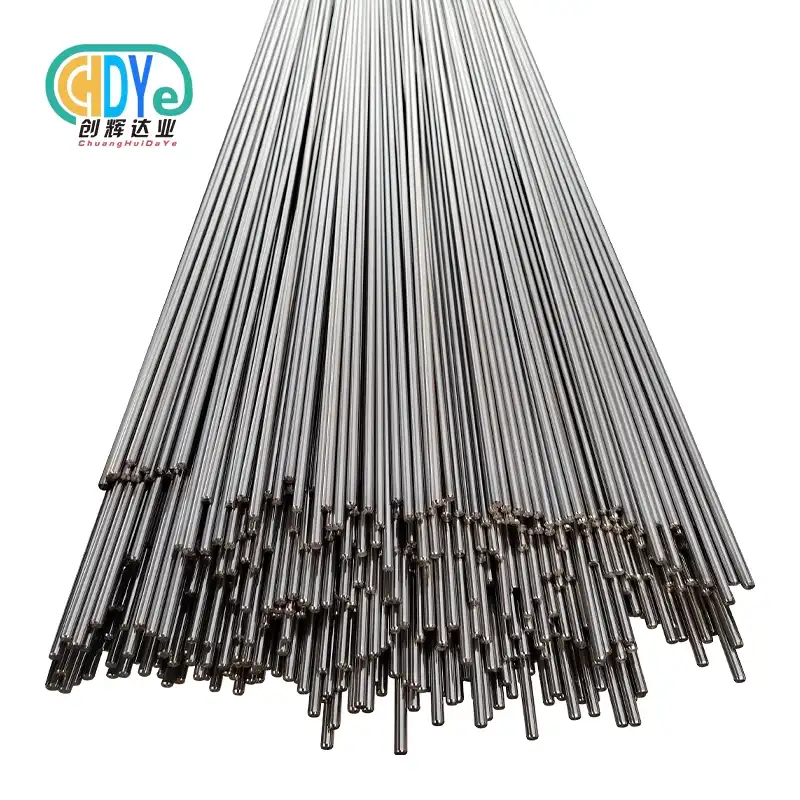
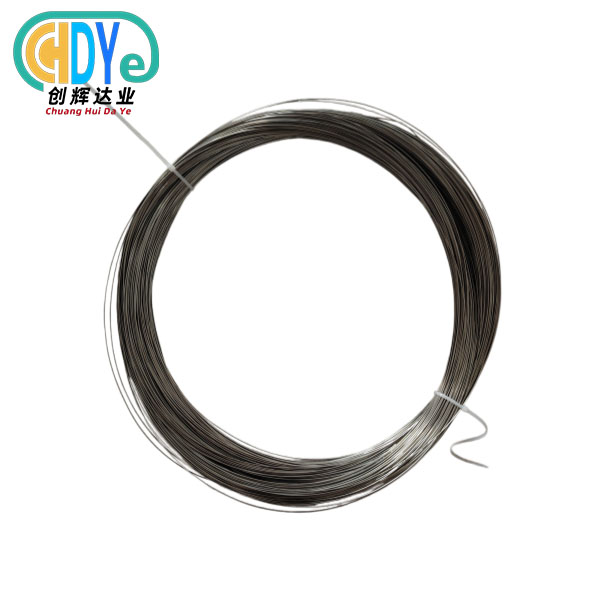
When making medical devices, anodised titanium wire is a must-have because it offers better biocompatibility, superior corrosion resistance, and better mechanical performance all in one material. The electrolytic passivation process makes the natural oxide layer on the wire's surface thicker. This makes a barrier that meets strict medical safety standards and can be colour-coded for accurate surgery. Without weakening the substrate's natural strength, this special wire solves important problems related to implant life, patient safety, and regulatory compliance.
Introduction
Medical device makers are under more and more pressure to make goods that meet strict safety standards while also being cost-effective and able to be made in large quantities. Choosing the right materials is very important for reaching these goals, especially when devices need to be able to handle harsh sterilisation processes, be exposed to bodily fluids for a long time, and withstand mechanical stress during clinical use. Anodised titanium wire is a big step forward in the development of medical-grade products. The anodisation process changes regular titanium wire into a special part with better surface properties that solves several problems in the industry at the same time. This material has shown its worth in a wide range of medical settings, from orthopaedic implants to monitoring tools. The technical information in this guide gives procurement managers, quality engineers, and R&D professionals the skills they need to successfully evaluate, source, and implement anodised titanium wire solutions. We'll talk about the material's unique properties, look at how it can be used in the real world, and give you advice on how to build solid supply partnerships that help you reach your manufacturing goals.
Understanding Anodised Titanium Wire and Its Properties
What Makes Anodization Different from Standard Surface Treatments
Anodised titanium wire goes through an electrolytic process that is very different from how most coatings are applied. Anodisation grows a controlled oxide layer right from the titanium base, instead of adding layers from the outside. This process takes place in an electrolytic bath, and the voltage controls the oxide thickness very accurately. It is usually between 30 and 200 nanometres. The layer that forms is permanently attached to the base metal, so there are no worries about peeling or delamination like there are with painted anodised titanium wire or plated options.
Key Physical and Chemical Properties
The oxide layer that is made during anodisation makes a lot of important features better. Surface hardness goes up in a way that can be measured, making it harder to scratch or wear down during handling and insertion. It becomes very resistant to corrosion, especially against chloride ions found in body fluids and saline solutions used for sterilisation. The oxide layer's dielectric qualities can handle breakdown voltages of up to 100 volts, protecting against electricity when needed. Biocompatibility is not affected because the oxide layer is made up of the same titanium dioxide that naturally forms on titanium surfaces. This is a substance that is known not to react with living things.
Why Anodised Titanium Wire Is Ideal for Medical Devices
Superior Corrosion Resistance in Biological Environments
Some of the most corrosive conditions you can think of are used on medical equipment. Blood, interstitial fluids, and lymph all have high levels of chloride, which attacks many metals very strongly. Protocols for sterilisation that use autoclaves, chemical disinfectants, and radiation make the purity of the material even more difficult. The thickened oxide layer on anodised titanium wire acts as a barrier that is much better able to handle these harsh conditions than options that have not been treated. Clinical data shows that titanium parts that have been properly anodised keep their shape after hundreds of sterilisation cycles without any noticeable damage. This means that the item will last longer and need to be replaced less often, which will save money over the course of the product's lifecycle. Additionally, the ability to resist corrosion stops the release of metal ions, which is a key part of avoiding harmful tissue reactions and keeping long-term biocompatibility.
Biocompatibility Meeting ISO 10993 Standards
Biocompatibility is the most important thing for any material that comes into contact with human tissue. Titanium dioxide is the main ingredient in the anodised surface, and it has been used safely in many medical fields for many years, including dentistry, orthopaedics, and heart problems. The substance passes strict cytotoxicity tests, showing no harmful effects on cells in normal lab tests. The anodised surface is better at stopping protein adhesion and bacterial colonisation than many other options. This trait lowers the chance of getting an infection, which is especially important for implanted devices since infections after surgery can be very bad. Compared to nickel-containing alloys, allergic reactions to titanium are still very rare. This means that anodised titanium wire can be used by people who are known to be sensitive to metals.
Applications of Anodised Titanium Wire in Medical Devices
Orthopedic Implants and Fixation Devices
Titanium wire is used a lot in orthopaedic surgery for things like cerclage cords, bone pins, and systems that fix broken bones. The anodised surface makes these uses better by lowering friction as the wire moves through bone and soft tissue. Surgeons say that wires that are colour-coded make it easier to quickly choose the right size during procedures where different wire gauges are needed at different fixation places. Anodised titanium wire is used to hold bone grafts in place and keep the vertebrae stable while they heal during spinal fusion surgeries. The radiolucency of the material makes it possible to see the surgical site clearly on an X-ray without any metal artefacts getting in the way. This allows for an accurate estimate after surgery. Long-term studies of implants have shown that titanium wires that are properly anodised stay structurally sound for decades inside the body.
Dental and Maxillofacial Applications
Anodised titanium is used in more anodised titanium wire and more orthodontic archwires because it has spring-back qualities and is comfortable for patients. Plaque doesn't stick to the smooth, hard surface as much as it would on wires that haven't been treated, which helps with better oral hygiene during long treatment times. When reconstructing the jaw, dental doctors use anodised titanium wire because it can work with both hard and soft tissues. The ability to colour-code is especially useful for complicated maxillofacial repairs that use a lot of wires. Surgical teams can plan where to put wires ahead of time by using coloured parts that match their surgical maps. This cuts down on the time needed for surgery and improves accuracy. Compared to standard stainless steel options, patients benefit from a lessened metal taste and a lower risk of infection.
Procurement Considerations for Buying Anodised Titanium Wire
Evaluating Supplier Certifications and Quality Systems
Finding suppliers of medical-grade products requires a lot of screening. ISO 9001:2015 certification is the basic standard for quality management. It makes sure that processes are controlled in a structured way and that practices for continuous growth are used. Manufacturers of medical devices should give more weight to sellers who have extra certifications that are specific to medical materials. This shows that they know the rules that govern device parts. Documentation that shows traceability is another important assessment factor. Suppliers you can trust give mill certificates, chemical composition reports, and mechanical test data for every output lot. This paperwork is very important for regulatory reports and quality checks. Suppliers should keep group records that show where the raw materials came from and how they were processed all the way to the end. This way, if quality problems happen, they can easily find the root cause.
Understanding Pricing Models and Order Quantities
Prices for anodised titanium wire depend on a number of factors that affect its cost, such as the type of titanium used, the difficulty of the anodisation process, the diameter limits, and the amount of wire that is ordered. Commercially pure titanium Grade 2 usually costs less than alloy Grade 5 Ti-6Al-4V, but Grade 5 is stronger and better for tough jobs. For voltage optimisation, there may be setup fees for custom anodisation colours that aren't available as standard choices. Different providers have very different minimum order amounts. A lot of the time, big producers need very high minimums that are only affordable for large production runs. Smaller batches may be possible with specialised suppliers that work with the medical device market. These batches are needed for prototype development and clinical testing. The procurement team should make it clear if the price includes anodisation or if the anodised titanium wire process costs extra on top of the base wire cost.
How to Choose the Best Anodised Titanium Wire for Medical Devices
Matching Technical Specifications to Device Requirements
Device engineers must carefully align wire specifications with functional demands. Diameter selection influences both mechanical strength and flexibility, requiring analysis of the stress loads and bending radii the wire will experience. Tensile strength requirements depend on whether the wire serves structural functions or primarily provides positioning or alignment. Surface finish specifications affect both functional performance and aesthetic considerations. Medical-grade wire typically requires smoother surfaces than industrial applications to prevent tissue irritation and facilitate cleaning. The anodization thickness specification should balance corrosion protection needs against any dimensional tolerance constraints in the final device assembly.
Comparing Global Suppliers and Manufacturing Capabilities
The global supply base for medical-grade anodised titanium wire includes established producers in North America, Europe, and Asia. North American and European suppliers often emphasise regulatory compliance support and technical service, positioning themselves as partners rather than vendors. Asian manufacturers, particularly those located in China's titanium production centres, frequently offer competitive pricing enabled by proximity to raw material sources and integrated manufacturing capabilities. Chuanghui Daye exemplifies the advantages available from specialised Chinese suppliers. Located in Baoji, Shaanxi Province—known as China's "Titanium Capital"—the company benefits from direct access to titanium smelting facilities and an established ecosystem of processing expertise. This geographic advantage translates to shorter lead times and cost efficiencies that benefit customers without compromising quality standards.
Conclusion
Anodised titanium wire delivers a unique combination of biocompatibility, corrosion resistance, and mechanical performance that addresses critical challenges in medical device manufacturing. The material's proven track record across diverse applications—from orthopedic implants to diagnostic instruments—demonstrates its versatility and reliability in demanding clinical environments. Successful procurement requires careful supplier evaluation, focusing on quality certifications, technical capabilities, and commitment to customer support. Medical device manufacturers who invest in establishing partnerships with experienced suppliers gain access to specialised expertise that accelerates development timelines and ensures regulatory compliance. The material advantages, combined with proper sourcing strategies, position anodised titanium wire as a foundation for next-generation medical devices that improve patient outcomes while meeting stringent safety requirements.
FAQ
1. Is anodised titanium wire safe for long-term implantation in the human body?
Anodised titanium wire demonstrates excellent safety for permanent implantation when properly manufactured to medical-grade standards. The anodization process creates a titanium dioxide surface layer chemically identical to the natural oxide that forms on all titanium surfaces. This material has accumulated decades of clinical evidence showing biocompatibility in orthopedic, dental, and cardiovascular applications. The anodised layer resists corrosion and prevents metal ion release that could trigger adverse biological responses. Devices using medical-grade anodised titanium wire conforming to ASTM F67 or F136 standards routinely receive regulatory approval for implantable applications.
2. How does anodised titanium wire compare to stainless steel for surgical instruments?
Anodised titanium wire offers several performance advantages over stainless steel alternatives. Titanium weighs approximately 40% less than stainless steel, reducing instrument fatigue during lengthy surgical procedures. Corrosion resistance surpasses that of stainless steel, particularly in chloride-rich environments like bodily fluids and saline solutions. Allergic reactions occur far less frequently with titanium since it contains no nickel. However, stainless steel maintains a cost advantage and offers a higher elastic modulus for applications requiring maximum stiffness. The choice depends on specific device requirements and whether the performance benefits justify the premium pricing of titanium.
3. What are typical lead times for custom anodised titanium wire orders?
Lead times for custom anodised titanium wire vary based on specification complexity and supplier production schedules. Standard wire diameters with common anodization colours typically ship within 4-6 weeks from order confirmation. Custom specifications requiring non-standard dimensions, special anodization parameters, or additional processing steps may extend timelines to 8-12 weeks. Prototype quantities sometimes receive expedited processing. Establishing long-term supply agreements often provides access to priority scheduling and reduced lead times for repeat orders.
Partner with Chuanghui Daye for Premium Medical-Grade Anodised Titanium Wire
Shaanxi Chuanghui Daye specialises in producing high-purity anodised titanium wire engineered specifically for medical device applications demanding uncompromising quality and regulatory compliance. Our location in Baoji's titanium manufacturing hub provides direct access to premium raw materials and three decades of rare metal processing expertise. We maintain ISO 9001:2015 certification and implement rigorous quality control throughout production, from raw material inspection through final packaging. Our technical team collaborates closely with medical device manufacturers to optimise wire specifications, anodization parameters, and custom processing for your exact requirements. Whether you need prototype quantities for clinical trials or high-volume production supplies, we deliver consistent quality with competitive factory-direct pricing. Contact our procurement specialists at info@chdymetal.com to discuss your anodised titanium wire supplier needs and receive customised quotations that demonstrate our commitment to supporting your medical manufacturing excellence.
References
1. American Society for Testing and Materials. (2017). Standard Specification for Unalloyed Titanium, for Surgical Implant Applications (ASTM F67). ASTM International, West Conshohocken, PA.
2. Hanawa, T. (2019). "Titanium-Tissue Interface Reaction and Its Control with Surface Treatment." Frontiers in Bioengineering and Biotechnology, Volume 7, Article 170.
3. International Organisation for Standardisation. (2018). Biological Evaluation of Medical Devices—Part 1: Evaluation and Testing within a Risk Management Process (ISO 10993-1). Geneva, Switzerland.
4. Liu, X., Chu, P.K., and Ding, C. (2004). "Surface Modification of Titanium, Titanium Alloys, and Related Materials for Biomedical Applications." Materials Science and Engineering R: Reports, 47(3-4), pp. 49-121.
5. Niinomi, M., Nakai, M., and Hieda, J. (2012). "Development of New Metallic Alloys for Biomedical Applications." Acta Biomaterialia, 8(11), pp. 3888-3903.
6. Titanium Information Group. (2020). Titanium for Medical Applications: A Technical Guide. Titanium Information Group, Brussels, Belgium.
Learn about our latest products and discounts through SMS or email