- English
- French
- German
- Portuguese
- Spanish
- Russian
- Japanese
- Korean
- Arabic
- Greek
- German
- Turkish
- Italian
- Danish
- Romanian
- Indonesian
- Czech
- Afrikaans
- Swedish
- Polish
- Basque
- Catalan
- Esperanto
- Hindi
- Lao
- Albanian
- Amharic
- Armenian
- Azerbaijani
- Belarusian
- Bengali
- Bosnian
- Bulgarian
- Cebuano
- Chichewa
- Corsican
- Croatian
- Dutch
- Estonian
- Filipino
- Finnish
- Frisian
- Galician
- Georgian
- Gujarati
- Haitian
- Hausa
- Hawaiian
- Hebrew
- Hmong
- Hungarian
- Icelandic
- Igbo
- Javanese
- Kannada
- Kazakh
- Khmer
- Kurdish
- Kyrgyz
- Latin
- Latvian
- Lithuanian
- Luxembou..
- Macedonian
- Malagasy
- Malay
- Malayalam
- Maltese
- Maori
- Marathi
- Mongolian
- Burmese
- Nepali
- Norwegian
- Pashto
- Persian
- Punjabi
- Serbian
- Sesotho
- Sinhala
- Slovak
- Slovenian
- Somali
- Samoan
- Scots Gaelic
- Shona
- Sindhi
- Sundanese
- Swahili
- Tajik
- Tamil
- Telugu
- Thai
- Ukrainian
- Urdu
- Uzbek
- Vietnamese
- Welsh
- Xhosa
- Yiddish
- Yoruba
- Zulu
Why is pure niobium bar used in medical technology?
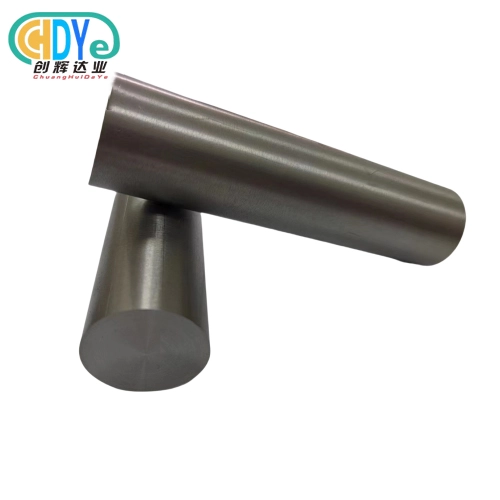
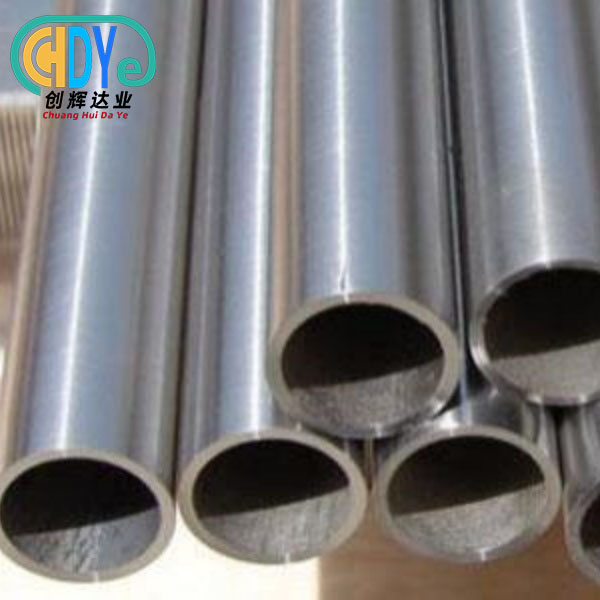
Pure niobium bar has become an important material in medical technology because it is biocompatible, doesn't rust, and is mechanically stable. This refractory metal product, which is usually made to ASTM B393 standards and has purity levels between 99.9% and 99.99%, solves problems in medical device production that regular materials can't. Its ability to create a stable, self-healing niobium pentoxide layer on the surface protects it from bodily fluids, and the fact that it is non-toxic means that it can be safely implanted in the body for a long time without causing immune reactions or tissue rejection.
Introduction
Medical gadget makers are under more and more pressure to make goods that are safe, last a long time, and work well. As medical technology improves, the standards for the materials used in implants, surgical instruments, and monitoring tools get stricter. A pure niobium bar is a smart choice for buyers who want materials that perform better than regular choices in key areas.
This piece talks about why niobium is so important in medical uses. It talks about its unique qualities, comparative benefits, and practical issues related to sourcing. Whether you're a purchasing manager looking at different suppliers or an engineer choosing materials for a new medical gadget, knowing what niobium can do will help you make better choices that combine quality, following the rules, and saving money.
Materials that work effectively in the harshest environments are needed in the medical technology industry. Niobium is a great material for uses where patient safety and gadget life must not be sacrificed because it is chemically inert, strong, and compatible with living things.
Understanding Pure Niobium Bar and Its Core Properties
Defining Medical-Grade Niobium Material
Niobium is a transition metal that looks like silver and has interesting physical features. This material goes through High-Voltage Electron Beam Melting (EBM), casting, rolling, and vacuum cooling to get the microstructural grains to line up in a certain way when it is made into pure niobium bars. Medical-grade niobium keeps the total amount of oxygen, nitrogen, hydrogen, and carbon impurities below 100 parts per million. This makes sure that the metal is safe for living things and can be bent easily.
Chemical and Physical Characteristics
A transition temperature of 9.25 K makes the material a superconductor at cold temperatures, while its melting point is 2468°C. Its density of 8.57 g/cm³ gives it a better strength-to-weight ratio than tantalum. This makes it a good choice for implanted devices that need to keep their weight as low as possible. A solid layer of niobium pentoxide forms on the surface, acting as a barrier to stop metal ions from entering nearby tissues. This is an important part of long-term biocompatibility.
Manufacturing Standards and Quality Specifications
International standard-setting groups have strict rules about quality that are followed during production. Commercial Grade (RO4210) is used in general medical settings, while Reactor Grade (RO4200) has tightly controlled tantalum particles for more specific uses. Manufacturers use Inert Gas Fusion (IGF) analysis to check the levels of interstitial elements and metallographic inspections to make sure the grains are all the same size, usually ASTM E112 No. 6 or smaller. This makes sure the material has consistent forming properties and gets rid of flaws like orange peel surfaces during fabrication.
Modern factories use high-tech tools like electron beam ovens for melting, precision rolling machines for checking measurements, and high-vacuum annealing systems that work at 1000–1200°C to make things flexible again after being cold worked. When these steps are paired with a wide range of non-destructive testing methods, like ultrasound inspection for holes inside and optical profilometry for checking the quality of the surface, they make sure that the material is strong enough for medical use.
Why Pure Niobium Bar Excels in Medical Technology Applications
Superior Biocompatibility for Implantable Devices
There is a lot of biological support for niobium when it is put into humans. Niobium's inactive oxide layer doesn't cause inflammation or tissue death as some metals do. Instead, it blends in perfectly with bone and soft tissue. Studies in humans have shown that osseointegration rates are about the same as for titanium. An extra benefit is that patients who are allergic to metals have fewer hypersensitivity responses. This compatibility includes long-term contact with blood and other body fluids without changing the way blood clots or killing cells.
Exceptional Corrosion Resistance in Physiological Environments
The niobium pentoxide surface heals itself and protects against the chloride- and protein-filled environment inside the body. When put under mechanical stress, stainless steel implants can experience pitting corrosion and titanium implants can experience fretting corrosion. But a pure niobium bar stays structurally stable even when loaded and unloaded repeatedly in corrosive media. This resistance makes the device last longer and takes away any worries about metal ions escaping that could build up in organs or change the way cells work after decades of insertion.
Mechanical Properties Meeting Surgical Demands
Niobium is much better than brittle refractory metals like tungsten or molybdenum because it can be worked in cold conditions without cracking. This makes it possible to make complex shapes. Deep drawing and stamping can be done on the material at room temperature, which makes it possible to make complex medical tool parts at a low cost. As tested by ASTM E8, its tensile strength and stretch properties make sure that devices stay the same size even when they are under physiological pressures. They are also flexible enough to handle shock loads without breaking completely.
Niobium is better at resisting fatigue than regular medical stainless steel when it comes to uses that involve repeated stress cycles, like heart tubes or joint fixation hardware. The low magnetic susceptibility of the material also makes it work with MRI scans. This means that people who have niobium implants can go through imaging processes without the problems that come with ferromagnetic alternatives, like artifacts or the risk of the device moving around.
Comparing Pure Niobium Bar with Other Materials in Medical Use
Niobium Versus Titanium Alloys
Due to its good mechanical qualities and ability to bond with living tissue, titanium has long been the most popular material for medical implants. Pure niobium bar, on the other hand, has clear benefits in certain situations. Most titanium alloys contain aluminum and vanadium, which have been linked to health issues in long-term studies. Pure niobium, on the other hand, doesn't have any of these risks. Niobium is more resistant to rusting than titanium in acidic settings. This makes it a better choice for devices that will be in contact with stomach acid or changes in pH caused by infections.
Niobium Versus Stainless Steel and Other Alloys
Surgical stainless steels, such as 316L, are still commonly used for tools and temporary implants because they are cheap and biocompatible for a short time. Niobium works much better than stainless steel in permanent implant settings where resistance to rust and metal ion release is important over many years of use. The chromium and nickel in stainless steel can make allergic people respond, but niobium's chemical purity keeps these problems from happening.
Tantalum and niobium have a lot in common, like being biocompatible and resistant to rust. Niobium is good for reducing weight because it is less dense and usually costs less to make. To meet medical-grade standards, both metals must be sourced from certified sources that are very pure. This shows how important it is to have strong, quality paperwork and be able to track products all the way through the supply chain.
When purchasing materials, procurement professionals have to think about a lot of things, such as the regulatory approval process, current clinical data, compatibility with manufacturing, and the needs of the patient group. More and more clinical data and FDA approvals for niobium make it more likely to be used in places where standard materials were previously the only option.
Procurement Considerations for Medical Technology Companies
Certification and Regulatory Compliance Requirements
To get a medical-grade pure niobium bar, you have to pay close attention to the licensing paperwork. Suppliers must give material test certificates (MTCs) that list the chemical make-up, mechanical qualities, and melt lots that the materials can be traced back to. ISO 9001:2015 approval is the basic standard for quality management. It makes sure that there are structured process controls all the way through the manufacturing process. Manufacturers of medical devices should make sure that their suppliers keep full paperwork chains from receiving the raw materials to the final review. This way, if post-market surveillance needs come up, all the information can be tracked back to its source.
Customization and Technical Specifications
Standard mill goods can't always meet the exact size requirements of medical uses. Leading providers give custom processing services like precise machining, surface finishing, and heat treatment that are made to fit the form of each device. When requesting quotes for bars, procurement teams should be clear about tolerance standards, surface finish expectations, and any special processing needs. This way, suppliers can make sure their skills match the needs of the project.
Specifications for grain size need extra attention because microstructural features have a direct effect on how the material forms and its mechanical traits. Using controlled annealing processes to get finer grain structures is helpful for tasks that involve deep drawing or complex bends. Suppliers who know a lot about metals can tell you what the best working settings are for your device based on its functions.
Supply Chain Logistics and Pricing Dynamics
Niobium prices change depending on how much is available around the world and what quality standards are being met. Medical-grade materials are more expensive than industrial-grade materials because they have to pass strict quality rules and are made in smaller quantities. Most of the time, buying in bulk saves money, but procurement teams have to weigh the costs of keeping inventory against price breaks. This is especially important for niobium, which is very stable in storage as long as it is properly packed to keep the surface clean.
When making medical devices, where deadlines are often pushed by regulations, delivery plans that can be relied on are very important. Supply chain problems are kept to a minimum by established sellers who keep stock and have a history of exporting. Before committing to full-scale manufacturing orders, you should find out if a possible partner can do quick prototypes and adjustable small-batch production to support product development cycles.
Practical Case Studies and Future Prospects in Medical Technology
Current Applications in Medical Devices
Pure niobium bars have been used successfully in a number of different types of medical devices. The material is used to make orthopedic implants like spine fusion cages and bone fixation plates. Its strength and biocompatibility make it ideal for creating safe healing environments. The radiolucency of the material makes it possible to see how the bone is growing through X-rays without the flaws that titanium can cause.
The heart uses niobium in stent frames and pacemaker parts because it doesn't rust and has good electrical qualities that make it work well in the tough heart environment for a long time. As niobium doesn't break down in multiple sterilizer cycles, it is a popular material for surgical device handles and other tools that need to be durable and able to be sterilized.
Niobium is being used more and more in dental implant systems for abutments and attachment parts. This is especially true for people who are known to be sensitive to titanium or nickel-containing metals. More and more people are buying niobium dentistry goods in Europe and Asia. Five years of follow-up studies show that these products successfully fused with bone over 95% of the time.
Emerging Innovations and Market Trends
Niobium-based materials are being studied because they could be used in more medical situations. Infection risks in orthopedic and oral implants could be reduced with surface treatments that make them more biocompatible while also making them more antibacterial. Advanced niobium alloys that contain small amounts of zirconium or tantalum may be able to improve their mechanical qualities while still being biocompatible, which could lead to the creation of new internal devices.
As the world's medical device market moves toward personalized medicine, there is a need for unique prosthetics made with additive manufacturing technologies. Niobium powder metallurgy development makes it possible to print 3D devices that are customized for each patient and have complicated shapes that can't be made with standard tools. Niobium is a good investment for medical technology businesses that want to be ahead of the curve because it combines advanced materials and manufacturing methods.
A study of the market shows that implantable gadgets are becoming more popular in developing countries where healthcare systems are growing. As regulations in these areas get stronger, focusing on safe materials that have been shown to work faster in the market growth. Companies that make medical devices that start building ties with suppliers now will have an edge in the future as these markets grow.
Conclusion
The most difficult needs of contemporary medical technology are met by pure niobium bar, a material answer. Because it is highly biocompatible, highly resistant to corrosion, and has good mechanical qualities, it is a good choice for implants, surgical devices, and diagnostic tools. Even though titanium and stainless steel are still very useful, niobium's special properties make it a better choice for some tasks that other materials can't handle.
Professionals in procurement can benefit from learning about both the technical benefits and practical issues related to obtaining medical-grade niobium. Working with certified suppliers that have strict quality controls, provide detailed paperwork, and allow customization is the best way to make sure that gadget development goes smoothly and that all regulations are met. As medical technology improves and safety standards for patients rise, niobium will play an even bigger role in healthcare uses. This will make seller relationships and knowledge of the material very valuable in the competitive market.
FAQ
Q: Is pure niobium safe for long-term implants?
A: It is known that pure niobium is very biocompatible and has been used successfully in devices that stay in the body for over 20 years. Its solid oxide layer stops the release of metal ions, and many toxicological studies have shown that it does not cause cancer, mutations, or birth defects.
Q: How does niobium pricing compare to titanium?
A: Niobium's raw material costs are usually 15–30% higher than titanium's, though this can change based on the quality grade and the market. Total device costs may prefer niobium when better resistance to rust makes devices last longer or better workability lowers manufacturing costs by increasing yield rates.
Q: What certifications should I verify when sourcing medical-grade niobium?
A: Some important certifications are ISO 9001:2015 quality management compliance, material test certificates that show the chemical make-up and mechanical properties, and interstitial impurity analysis that shows the amounts of oxygen, nitrogen, carbon, and hydrogen are within medical guidelines. Documentation for supplier traceability should allow tracking from the melt lot to the finished product.
Partner with Chuanghui Daye for Premium Pure Niobium Bar Supply
Medical device companies that need a reliable source for pure niobium bars will find that Shaanxi Chuanghui Daye is in a unique situation to meet their needs. We have been working with rare metals for over 30 years and have quality control systems that are ISO 9001:2015 approved. We are located in Baoji, which is known as China's Titanium Capital. Our high-tech electron beam ovens, precise machining tools, and strict testing procedures make sure that the materials we use meet medical-grade standards and come with full proof of their origin.
We offer unique processing services that are made to fit your exact needs for purity, surface finish, and limits on dimensions. Our flexible method helps projects at every stage, whether you need a small number of prototypes to help you build a new device or a lot of production units to start making things for sale. Get in touch with our technical team at info@chdymetal.com to talk about the materials you need for your medical device and get a full quote with certification paperwork from a reputable maker that is dedicated to quality, dependability, and low factory-direct prices.
References
1. Davis, J.R. (Ed.). (2000). Nickel, Cobalt, and Their Alloys. ASM International, Materials Park, Ohio.
2. Niinomi, M. (2008). Mechanical biocompatibilities of titanium alloys for biomedical applications. Journal of the Mechanical Behavior of Biomedical Materials, Volume 1, Issue 1.
3. ASTM International. (2016). ASTM B393-16: Standard Specification for Niobium and Niobium Alloy Strip, Sheet, and Plate. West Conshohocken, Pennsylvania.
4. Williams, D.F. (2008). On the mechanisms of biocompatibility. Biomaterials, Volume 29, Issue 20.
5. Ratner, B.D., Hoffman, A.S., Schoen, F.J., and Lemons, J.E. (Eds.). (2013). Biomaterials Science: An Introduction to Materials in Medicine, Third Edition. Academic Press, London.
6. Matsuno, H., Yokoyama, A., Watari, F., Uo, M., and Kawasaki, T. (2001). Biocompatibility and osteogenesis of refractory metal implants, titanium, hafnium, niobium, tantalum and rhenium. Biomaterials, Volume 22, Issue 11.
Learn about our latest products and discounts through SMS or email