- English
- French
- German
- Portuguese
- Spanish
- Russian
- Japanese
- Korean
- Arabic
- Greek
- German
- Turkish
- Italian
- Danish
- Romanian
- Indonesian
- Czech
- Afrikaans
- Swedish
- Polish
- Basque
- Catalan
- Esperanto
- Hindi
- Lao
- Albanian
- Amharic
- Armenian
- Azerbaijani
- Belarusian
- Bengali
- Bosnian
- Bulgarian
- Cebuano
- Chichewa
- Corsican
- Croatian
- Dutch
- Estonian
- Filipino
- Finnish
- Frisian
- Galician
- Georgian
- Gujarati
- Haitian
- Hausa
- Hawaiian
- Hebrew
- Hmong
- Hungarian
- Icelandic
- Igbo
- Javanese
- Kannada
- Kazakh
- Khmer
- Kurdish
- Kyrgyz
- Latin
- Latvian
- Lithuanian
- Luxembou..
- Macedonian
- Malagasy
- Malay
- Malayalam
- Maltese
- Maori
- Marathi
- Mongolian
- Burmese
- Nepali
- Norwegian
- Pashto
- Persian
- Punjabi
- Serbian
- Sesotho
- Sinhala
- Slovak
- Slovenian
- Somali
- Samoan
- Scots Gaelic
- Shona
- Sindhi
- Sundanese
- Swahili
- Tajik
- Tamil
- Telugu
- Thai
- Ukrainian
- Urdu
- Uzbek
- Vietnamese
- Welsh
- Xhosa
- Yiddish
- Yoruba
- Zulu
Are Tantalum Rods Suitable for Nuclear Applications?
Because they have a unique set of qualities, tantalum rods are very good for use in nuclear applications. With a purity level above 99.95% and a density of 16.65 g/cm³, these refractory metal parts are very stable under strong radiation exposure and very effective at resisting rust in aggressive cooling conditions. Their naturally occurring oxide film protects them from most chemical substances that are found in nuclear power plants. The high melting point, high mechanical strength, and nonreactive nature of the material make it ideal for use in nuclear parts, control systems, and radiation protection, where failure of the material could have major effects.
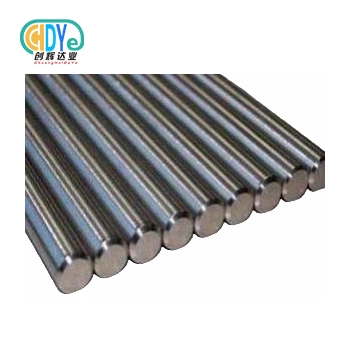
Understanding Tantalum Rods and Their Properties Relevant to Nuclear Applications
Learn about tantalum rods and how their properties can be used in nuclear applications. The nuclear business needs materials that can last in harsh circumstances without breaking down. When buying, experts are looking at tantalum as a possible material; knowing about its basic qualities helps them make smart choices.
Exceptional Purity and Elemental Composition
Tantalum keeps its chemical purity above 99.95%, which is critical in nuclear settings where contaminants could cause unexpected reactions or speed up the breakdown of materials. This very pure mix makes sure that it works the same way at all temperatures and radiation levels. The structure of tantalum's atoms makes an atomic grid that is solid and cannot be damaged by neutron impact, which is an important thing to think about in reactor core components. Vacuum arc melting and electron beam melting are two manufacturing methods that keep this cleanliness throughout the whole process, making materials that meet strict nuclear requirements.
Temperature Tolerance and Thermal Stability
Nuclear reactors work at very high temperatures, which is where many common materials lose their strength. Tantalum keeps its mechanical qualities at temperatures close to 3000°C in vacuum or neutral atmospheres, which is much higher than what most nuclear systems need to work. This thermal stability makes sure that parts work properly during regular operations and gives them extra room to spare during sudden changes in temperature. Because the material has a low thermal expansion rate, it doesn't change size much when the temperature changes. This keeps stress concentrations from building up and causing the part to fail. The qualities of thermal conductivity help heat move quickly through heat exchangers and other parts of cooling systems.
Corrosion Resistance in Nuclear Environments
A lot of reactor coolants have toxic chemicals in them that break down normal building materials. The pentoxide film that naturally forms on tantalum surfaces protects very well against acidic water, liquid metal coolants, and other harmful substances. When this inactive film gets broken, it fixes itself, keeping the safety in place for the whole life of the component. Comparative testing shows that tantalum is better at withstanding concentrated acids and alkaline solutions at temperatures where nickel and stainless steel metals break down quickly. This resistance to rust helps chemical processing equipment in nuclear plants, lowering the risk of pollution and increasing the time between repair visits.
Material Comparison with Common Alternatives
Before deciding on a final material choice, nuclear engineers often look at a number of them. While stainless steel metals are easier to find and cost less at first, they rust quickly in some nuclear coolants and can't handle high temperatures. Titanium rods are very resistant to rust and have a good strength-to-weight ratio. However, they are not as good at handling radiation and working well at high temperatures as tantalum rods. Zirconium alloys work well as fuel covering materials because they don't absorb neutrons very well, but they aren't as chemically flexible as tantalum, which makes them better suited for a wider range of nuclear uses. Each material has its own benefits, but tantalum's wide range of properties makes it the best choice for most nuclear engineering problems.
Key Benefits and Challenges of Using Tantalum Rods in Nuclear Applications
When choosing materials for a nuclear project, managers have to weigh the need for efficiency against the limitations of what is possible. When you look at both the pros and cons of tantalum, you can set realistic goals for its use.
Exceptional Durability Under Radiation Exposure
Tantalum's structural qualities aren't affected much by radiation damage, which quickly breaks down many industrial materials. Neutron irradiation tests show that tantalum keeps its mechanical strength and flexibility at radiation doses higher than what a normal component is exposed to over its lifetime. This radiation hardness lowers the number of times that parts need to be replaced, which lowers working costs and limits worker exposure during upkeep tasks. The dense nature of the material helps to effectively block beta radiation, making it possible to make parts that serve two purposes: they support structures and block radiation. Aerospace power systems that use tantalum parts in places with a lot of radiation have been shown to work reliably for long periods of time.
Non-Reactive Properties Supporting Critical Systems
Concerns about chemical reactivity make it harder to choose the right materials for nuclear uses, where unexpected reactions could put safety systems at risk. Because tantalum is a noble metal, it can be mixed with a wide range of coolants, working fluids, and process chemicals that are used in nuclear power plants. This chemical inertness stops galvanic rusting when tantalum touches different metals, which makes it easier to put parts together. For medical nuclear uses, biocompatibility qualities that allow radioisotope production and medical device production to happen safely in contact with living cells are very important. Since there are no harmful rust products, there are no worries about pollution, which can make managing trash with reactive materials harder.
Cost Considerations and Economic Factors
When making budgets for nuclear projects, material costs are a big deal. Tantalum costs more than stainless steel, titanium, and most other metals because there aren't many ore sources, and the mining process is hard to understand. To deal with cost issues, industrial nuclear plants have limited the use of tantalum to essential parts where its special qualities support a higher price. For big projects, lowering the cost per unit can be done through long-term seller ties and bulk buy deals. Lifecycle cost analysis often shows that the longer service life and lower upkeep needs of tantalum more than make up for its higher original material costs, resulting in a positive total cost of ownership.
Mechanical and Fabrication Constraints
Because tantalum is brittle, it is hard to machine, which raises the cost of production and lengthens wait times. Because of how the material works, it needs special tools and cutting factors to be able to be precisely measured. When joining things together, you need to be very careful about which welding methods and filling materials you use so that the mechanical and rust resistance stays the same across bond zones. When figuring out how much weight and support a structure needs, component makers have to take tantalum's mass into account. Even with these problems, skilled manufacturers can always make complicated tantalum parts that meet very strict standards for very important nuclear uses.
Procurement Guide: How to Source High-Quality Tantalum Rods for Nuclear Projects?
Getting supplies that always meet the requirements is important for the success of nuclear projects. Strategic buying methods make sure that there is a steady supply of high-quality tantalum parts.
Critical Certifications and Quality Standards
When buying nuclear materials such as tantalum rods, you need to show proof that you follow business standards and government rules. The ASTM B365 standards spell out what tantalum rod stock is made of, how it should be tested, and its material qualities. AMS standards add more requirements for defense and aircraft uses that involve nuclear issues. Getting ISO 9001:2015 approval from a seller shows that they are committed to quality control throughout the whole production process. Material test records that list the chemical makeup, tensile strength, and grain structure of a material make it possible to track it from raw materials to final parts. Conformance to purchase order standards is confirmed by certificate packages that include the results of physical inspections and measures of the surface finish.
Supplier Evaluation and Performance Metrics
To find suitable providers, you have to look at their production skills, quality control methods, and shipping performance. Established providers with decades of experience in refractory metals know how to meet the complex needs of nuclear uses and offer expert help throughout the buying process. Vacuum melting ovens, precision rolling equipment, and advanced machine centers are used in factories to make parts with very tight tolerances. Lead times usually range from eight to sixteen weeks, but they depend on the supply of materials, the width standards, and the amount needed. Minimum order numbers depend on the width and finish of the surface. Some providers are flexible with sample quantities to help with research and development.
Custom Specifications and Machining Requirements
A lot of the time, nuclear parts need exact measurements, special surface finishes, and unique shapes that go beyond the standard rod dimensions. Different part designs can work with diameters ranging from 2 mm to 100 mm, and centerless cutting or turning processes can be used to make parts in between. To make sure that supplied materials work well with industrial processes, it's important to be clear about length limits, straightness requirements, and surface roughness factors. By thread rolling, precision cutting, and shape grinding, rod stock is turned into finished parts that are ready to be put together. Procurement teams and sellers work together to review designs. This helps quickly and cheaply find any problems that might arise with production before they become a bigger issue.
Pricing Strategies and Budget Planning
The price of high-purity tantalum changes depending on how the world supply changes, the abundance of raw materials, and market demand in many different businesses. When sellers make volume promises, they can offer better price models and make the best use of production schedules. Prices stay stable with annual supply deals for active projects that know how much material they will need. Costs are directly affected by technical requirements. Tighter limits and specialty tests add to the costs. It's helpful for procurement managers to ask for thorough quotes that break down the prices of materials, processing, testing, and shipping. Understanding the total landing costs, which include foreign shipping, customs taxes, and handling fees, keeps global sourcing projects from going over budget.
Comparing Nuclear Application Needs: Tantalum Rods vs Alternative Solutions
Choices about which materials to use have a huge effect on the efficiency, safety, and cost of a nuclear project. Methods for systematic comparison find the best options for each case.
High-Purity Grades and Performance Advantages
Standard industrial types of tantalum work well in many nuclear uses, while high-purity varieties have better qualities where performance must be at its best. When compared to powder metallurgy goods, electron beam-melted tantalum has smaller grain structures and less intermediate content. This means that it has better mechanical qualities and is less likely to rust. The higher performance costs of ultra-high-purity materials are worth it for uses that come into close contact with main coolants or areas with a lot of radiation flow. Premium tantalum types have better protective oxide films, which are helpful for chemical processing systems that work with radiochemicals that are acidic.
Comparative Analysis with Niobium and Exotic Metals
Tantalum rods to Niobium have a lot of the same good qualities as tantalum, like being hard and resistant to rust, but it is less expensive. Niobium components may work well in nuclear uses that require operation in mild temperatures and chemical conditions that are not too harsh. Hafnium is great for control rod applications because it absorbs neutrons well, but it is not as chemically flexible as tantalum. Tungsten and molybdenum can perform in very high-temperature environments, but they do not resist corrosion well, so they require protective coatings. When making purchasing decisions, material selection grids that balance performance requirements with cost constraints help identify the most suitable options.
Application-Specific Material Matching
Nuclear sites have many different processes that need different kinds of materials. The inside of reactor vessels that are exposed to high-temperature coolants and a strong neutron flux need materials that are strong, don't rust, and are resistant to radiation. The most important things for heat exchanger parts that move heat between the main and secondary cooling loops are their ability to conduct heat and their resistance to rust. Parts of instrumentation and control systems need to be able to maintain their shape and electrical qualities over a wide range of temperatures. Matching the qualities of a material to the needs of an application improves the performance of a component while keeping project costs low.
Future Outlook and Industry Trends for Tantalum Rods in Nuclear Applications
New materials and changes in the supply chain are still being driven by progress in nuclear technology. Procurement companies can be successful in the future if they understand new trends.
Innovations in Nuclear Reactor Technologies
New types of reactors, like small modular reactors and improved high-temperature ideas, have strict standards for the materials used to build them. When it comes to protecting against rust in molten salt reactor coolants, tantalum's chemical stability is very important. Tantalum is being used in plasma-facing parts and blanket structures that need to be resistant to radiation and work well at high temperatures as part of fusion reactor development projects. Tantalum is being used more and more in research reactors that make radioisotopes and test materials. It is used for irradiation targets and trial equipment.
Regulatory Compliance and Supply Chain Transparency
Nuclear regulatory bodies around the world are paying more attention to the supply lines of materials and asking that all information be fully documented and tracked. When suppliers use digital quality control systems, they give customers access to licenses and review records for materials in real time. Regulations on conflict minerals and standards for responsible sourcing affect how things are bought, favoring sellers with clear sourcing practices. To keep foreign supply lines legal, it's important to know how to navigate the export rules for hard metals.
Sustainability and Responsible Sourcing
Environmental factors are becoming more and more important in all industry areas when choosing materials. Tantalum lasts a very long time and can be recycled, which helps with sustainable goals by lowering the amount of material used over the lifespan of a building. Ethical buying standards and responsible mining practices are becoming more important as procurement organizations look at how well suppliers manage social and environmental issues. Closed-loop recycling programs get tantalum back from old parts, which supports the idea of a circular economy and keeps material costs down.
Conclusion
When rust resistance, radiation tolerance, and high-temperature stability are important, tantalum rods work very well in nuclear uses. The material's unique mix of properties solves important technical problems that make other options less useful. Even though the high cost and unique manufacturing needs mean that you have to be very careful when planning your purchases, the long-term benefits of tantalum make it a good choice for important nuclear parts. A project will be successful if it works with qualified providers who have ISO-certified quality systems, professional know-how, and quick service. As nuclear technology moves toward next-generation reactors and fusion energy systems, tantalum will play a bigger role in helping people find clean, safe energy options.
FAQ
Q: What purity levels are required for nuclear-grade tantalum components?
A: For nuclear uses, tantalum must be purer than 99.95%, and for some very important applications, it must be 99.99% pure. Higher levels of cleanliness make sure that the performance stays the same when exposed to radiation and reduce the amount of rust caused by contaminants. Material test results that list the chemicals used in a material confirm that it meets the requirements of the project.
Q: How does tantalum compare to zirconium alloys in nuclear reactor applications?
A: Zirconium metals are great for covering fuel because they don't absorb neutrons very well, but they aren't as chemically resistant as tantalum. With a wider range of cooling chemicals and temperature ranges, tantalum protects against rust better. Material choice is based on the needs of the application. Some systems can gain from using both materials in a smart way.
Q: What lead times should procurement teams expect when ordering tantalum rods?
A: Standard diameter tantalum rods usually take eight to twelve weeks to arrive after the order is placed. Lead times can go up to sixteen weeks if you need custom standards, non-standard sizes, or high-purity grades. Getting providers involved early on in the planning stages of a project keeps delays from happening during the buying rounds.
Partner with Chuanghui Daye for Your Nuclear-Grade Tantalum Rod Requirements
Shaanxi Chuanghui Daye makes high-quality tantalum rods that meet the exacting standards needed for nuclear uses. Our Baoji High-tech Development Zone plant uses more than 30 years of experience with refractory metals to make parts that meet ASTM and other foreign standards. We keep our ISO 9001:2015 certification, which shows that we are committed to quality throughout the whole production process. We can make unique tantalum rods with diameters from 2 mm to 100 mm and purity levels higher than 99.95% using vacuum heating, precision rolling, and advanced cutting. Our team can help you with technical issues and quickly respond to your needs, whether you need a few prototypes for study projects or a lot of them for big projects. Please email our experts at info@chdymetal.com to talk about your needs with a seller of tantalum rods with a lot of experience. We can help you with your important nuclear engineering jobs by giving you low factory-direct prices, full material approvals, and reliable delivery.
References
1. Davis, J.R. (Editor). "Refractory Metals and Alloys: Properties, Selection, and Applications." ASM International Handbook Series, 2000.
2. Schmidt, P.F. "Tantalum and Niobium: Applications in Chemical and Nuclear Industries." "Materials Science and Engineering Quarterly, Vol. 45, 2018.
3. International Atomic Energy Agency. "Structural Materials for Liquid Metal Cooled Fast Reactor Fuel Assemblies: Operational Performance." IAEA Nuclear Energy Series No. NF-T-4.3, 2012.
4. Buckman, R.W. "New Applications for Tantalum and Tantalum Alloys." Journal of Materials, Vol. 52, Issue 3, 2000.
5. Peterson, D.T., and Schmidt, F.A. "Refractory Metal Alloys for Nuclear Applications: A Materials Performance Review. "Nuclear Technology Journal, Vol. 156, 2006.
6. Cardonne, S.M., et al. "Tantalum and Its Alloys for Demanding High-Temperature Applications." International Journal of Refractory Metals and Hard Materials, Vol. 13, 1995.
Learn about our latest products and discounts through SMS or email