- English
- French
- German
- Portuguese
- Spanish
- Russian
- Japanese
- Korean
- Arabic
- Greek
- German
- Turkish
- Italian
- Danish
- Romanian
- Indonesian
- Czech
- Afrikaans
- Swedish
- Polish
- Basque
- Catalan
- Esperanto
- Hindi
- Lao
- Albanian
- Amharic
- Armenian
- Azerbaijani
- Belarusian
- Bengali
- Bosnian
- Bulgarian
- Cebuano
- Chichewa
- Corsican
- Croatian
- Dutch
- Estonian
- Filipino
- Finnish
- Frisian
- Galician
- Georgian
- Gujarati
- Haitian
- Hausa
- Hawaiian
- Hebrew
- Hmong
- Hungarian
- Icelandic
- Igbo
- Javanese
- Kannada
- Kazakh
- Khmer
- Kurdish
- Kyrgyz
- Latin
- Latvian
- Lithuanian
- Luxembou..
- Macedonian
- Malagasy
- Malay
- Malayalam
- Maltese
- Maori
- Marathi
- Mongolian
- Burmese
- Nepali
- Norwegian
- Pashto
- Persian
- Punjabi
- Serbian
- Sesotho
- Sinhala
- Slovak
- Slovenian
- Somali
- Samoan
- Scots Gaelic
- Shona
- Sindhi
- Sundanese
- Swahili
- Tajik
- Tamil
- Telugu
- Thai
- Ukrainian
- Urdu
- Uzbek
- Vietnamese
- Welsh
- Xhosa
- Yiddish
- Yoruba
- Zulu
Are Titanium Metal Plates Eco-Friendly and Recyclable?
In fact, titanium metal plates are some of the most eco-friendly products that can be used in industry. These plates are very easy to recycle because they keep almost all of their mechanical qualities after being recycled many times without breaking down. The material naturally lasts a long time, doesn't rust, and is biocompatible, so it doesn't need to be replaced as often and makes less trash. Titanium metal plates are a great choice for procurement teams in the aerospace, medical, chemical processing, and advanced manufacturing sectors that care about both performance and environmental responsibility. This is because they come from manufacturers that are committed to sustainable practices and have ISO 14001 certification.
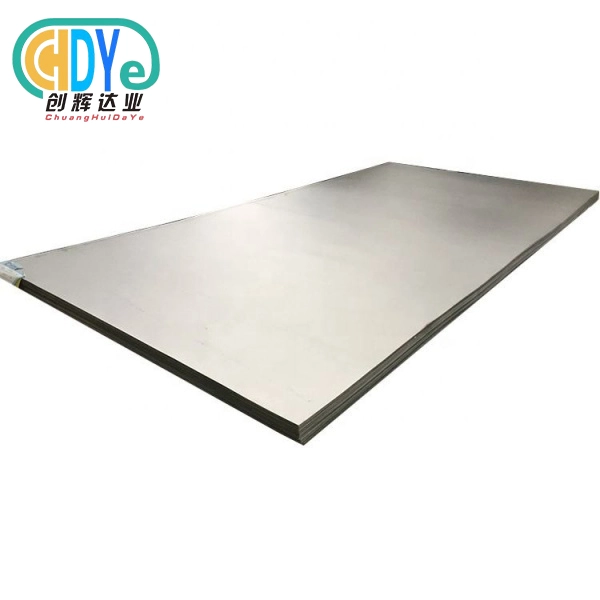
Understanding Titanium Metal Plates and Their Environmental Impact
What Are Titanium Plates and Why Do They Matter?
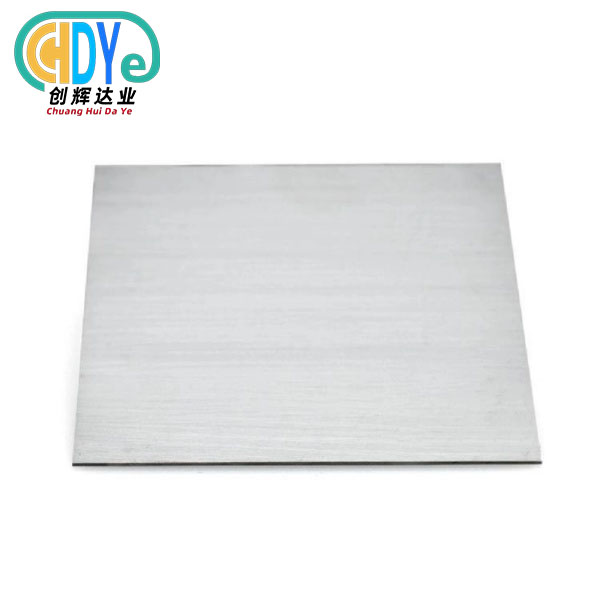
These days, businesses that need durability in harsh situations can't do without titanium metal plates made from pure titanium and high-grade alloys. Our titanium metal plates have the right amount of strength, lightness, and longevity, so they work great in medical implants, chemical processing equipment, and structural parts for spacecraft. These materials meet strict standards like ASTM B265 and AMS 4911 and come in sizes from Grade 1 (highest flexibility) to Grade 5 Ti-6Al-4V (highest strength alloy). We offer standard sizes as well as unique sizes that are made to fit the needs of your project. Thicknesses range from 0.5 mm to 50 mm and widths up to 2000mm. Titanium metal plate is useful for more than just its mechanical qualities. Its density is about 4.51 g/cm³, which is about 56% that of steel. This makes it much lighter to move and install. The material naturally creates a steady titanium dioxide (TiO₂) passive film that protects it from saltwater, chlorides, and oxidizing acids. This means that protective layers are not needed, which are bad for the environment.
Environmental Footprint of Titanium Production
The Kroll method for extracting and processing titanium metal plate still uses a lot more energy than making aluminum or steel. The first step in making titanium metal plates uses about 15 to 20 kWh per kilogram, which means that more carbon dioxide is released into the air. But this one-time environmental cost needs to be looked at over the whole lifetime of the material, not just during production. The longer working life changes the environmental situation in a big way. In corrosive settings, stainless steel parts might need to be replaced every 10 to 15 years. Titanium metal plates, on the other hand, can work effectively for 30 to 50 years or longer without breaking down much. This long life means that less mining is needed, there are fewer production processes, and, over time, a lot fewer resources are used.
When titanium metal plates are used in harsh chemical processing settings, repair breaks and replacement costs drop by a huge amount. One petrochemical plant in North America said that titanium metal plate heat exchanger plates kept them from having to repair three pieces of equipment over the course of 25 years of operation. This saved about 18 tonnes of material waste and the pollution that came with it.
Durability Translates to Sustainability
Titanium metal plates are more resistant to rust than other materials, which has real benefits for sustainability that go beyond just lasting longer. Titanium metal plates don't need to be repainted, coated, or protected from corrosion like some other materials do. It stays strong through passive oxidation alone. This gets rid of the damage that protective coatings, cleaning chemicals, and the hard work needed for rust control do to the environment. Temperature resistance adds another level of durability. Titanium metal plates retain their mechanical properties even at very low temperatures, such as near absolute zero and when heated to over 400°C in some alloys. This temperature stability keeps things from breaking down too soon in demanding situations. This cuts down on repairs and emergency purchases that usually require faster shipping with a bigger carbon footprint.
Recycling and Reusability of Titanium Metal Plates
Industrial Recycling Infrastructure and Rates
Titanium metal plate is one of the most recyclable structural metals. It can be recovered using well-known methods that produce material that is almost similar to new stock. In Europe and North America, about 30 to 40 percent of titanium metal plate scrap is recycled each year. In the military and medical industries, recovery rates are even higher because of the need to track materials and financial rewards. Titanium metal plates are recycled by collecting them, sorting them by grade and level of contamination, melting them again in vacuum or neutral atmosphere furnaces, and turning them back into new mill products. When properly handled, titanium metal plate keeps its tensile strength (up to 550 MPa), yield strength (up to 485 MPa), and resistance to corrosion through multiple recycling processes. This is different from some metals that lose properties when they are recycled.
It takes about 95% less energy to make titanium metal plates from recycled materials than from rutile or ilmenite ores. This huge drop in energy use directly leads to lower carbon emissions, since making titanium metal plates from recycled materials produces only 5–10% of the greenhouse gases that come from making new materials. Getting rid of mining operations will have even less of an effect on the climate, water use, and habitats.
Circular Economy Integration
When companies use recovered titanium metal plates in their purchasing decisions, they get many practical and environmental benefits. When materials are available from more than just main mining activities in a few geographic areas, they are more likely to be recycled. This makes the supply chain more resilient. The price changes less because the costs of recovered materials stay more stable than the costs of pure titanium metal plate, which change with the ore market. We work directly with companies that run closed-loop recycling programs. In these programmes, machine scraps, rejected parts, and goods that have reached the end of their useful life are sent back to the melting stage. These projects are in line with ISO 9001:2015 quality control systems and make sure that recycled material meets the same standards as new stock. Full traceability is provided by certification paperwork, which is very important for aircraft and medical uses that need strict material pedigree.
When assessing suppliers, procurement workers are asking for Environmental Product Declarations (EPDs) and lifecycle assessment statistics more and more. Leading makers now make it easy to see how much recovered material they use, how much energy they use, and their carbon footprint. This lets customers make decisions that are in line with their companies' sustainability goals.
Titanium Metal Plates vs Other Metals: Eco-Friendly Comparison
Performance and Environmental Trade-offs
When you compare titanium metal plates to stainless steel and aluminum, you can see that they have different environmental profiles depending on how they are used and how long they last. Even though titanium metal plates require about three to four times as much energy to make as aluminum, their lighter weight means that less pollution is released during the shipping and installation stages. In flight use, replacing steel with titanium metal plates saves about 300 to 500 litres of fuel over the life of an airplane. This is because titanium metal plates are lighter than steel. These ongoing reductions in emissions quickly make up for the larger original production footprint. For commercial flight parts, carbon neutrality is usually reached within two to three years of service.
Another important thing to compare is corrosion resistance. Stainless steel needs chromium and nickel as alloying elements. Both of these elements have big effects on the environment when they are mined and raise social issues in the supply chain. Titanium metal plate passive oxidation gets rid of the need for chromium while giving better performance in chloride-rich settings where stainless steel cracks and pits due to stress corrosion.
Lifecycle Emissions Analysis
Full lifetime studies show that titanium metal plates often have less of an overall effect on the environment, even though they are made with more energy. A comparison study of chemical processing equipment found that titanium metal plate parts working in harsh settings produced 40–60% less pollution over their lifetime than stainless steel parts that needed to be coated with protective materials and replaced more often.
Titanium metal plate has a modulus of elasticity of about 110 GPa, while steel has a modulus of 200 GPa. This difference allows structures to be loaded more easily while still being flexible, which lowers the stress levels that cause wear failure. This mechanical advantage makes the part last longer while keeping its lighter weight. This creates a compound sustainability benefit that is especially useful in dynamic applications that are subject to temperature and pressure cycles.
When it comes to end-of-life issues, titanium metal plates' ability to be recycled and lack of harmful alloying elements are advantages. While some aluminum alloys containing lithium or beryllium need special ways to be thrown away, titanium metal plates can be recycled using normal methods that don't create dangerous trash or need environmental cleanup.
Selecting Eco-Friendly Titanium Metal Plates for Your Business
Grade Selection for Sustainability
Picking the right grades of titanium metal plates strikes a mix between performance needs and environmental concerns. Commercial pure grades (Grades 1-4) can be recycled the most and are very easy to shape. They are perfect for chemical processing equipment and building projects that only need reasonable strength. Grade 2 is the most common specification for business pure titanium metal plates. It has the best mix of resistance to corrosion, weldability, and cost-effectiveness for general industry use.
Alpha-beta alloys, such as Grade 5 (Ti-6Al-4V), have a tensile strength of more than 895 MPa, which is important for aircraft structural parts and medical implants that have to withstand a lot of stress. Because they contain aluminum and vanadium, these metals are harder to recycle. However, their high strength-to-weight ratio makes it possible to make lightweight designs that lower emissions during operation.
Our wide range of grade choices guarantees that you get exactly what your project needs. Grade 1 is the most flexible and can be used for complicated shaping tasks. Grade 3 has a middle level of strength and can still be shaped, making it suitable for moderate-stress situations. Grade 4 is better for pressure tanks and structural parts that will be exposed to corrosion because it is stronger while still being flexible.
Supplier Evaluation Criteria
In addition to basic material requirements, procurement teams should look at possible providers based on a number of specific sustainability factors. The ISO 14001 Environmental Management System certification shows that a company is dedicated to lowering its impact on the environment by regularly checking and making improvements. Manufacturers who use energy management systems that meet the requirements of ISO 50001 usually see a 10 to 20 percent drop in their energy use during production.
For ethical sourcing, supply chain openness is very important. We keep full records of all the steps we take, from getting the raw materials to inspecting and packing them at the end, so we can prove we followed all the rules for REACH and conflict minerals. For us, being in Baoji High-tech Development Zone—China's "Titanium Capital"—means having access to infrastructure that is already in place and technical know-how that has been built up over decades of specialized manufacturing.
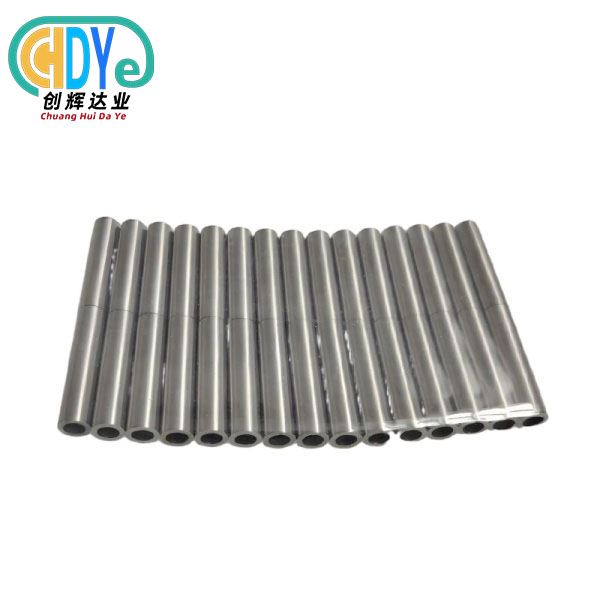
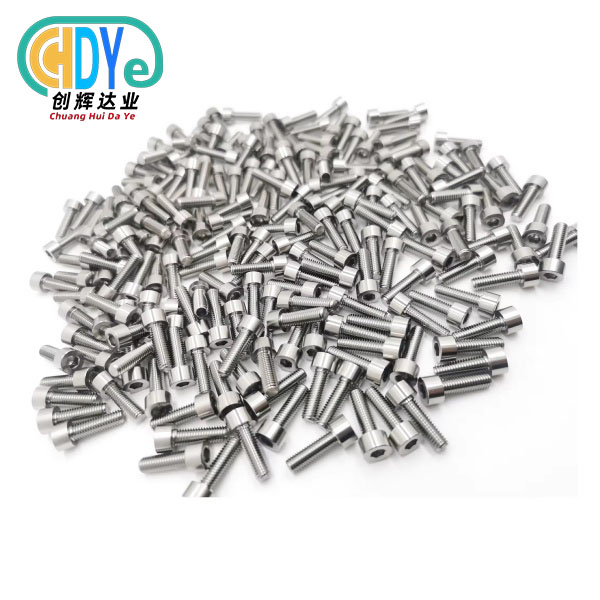
Sustainable buying habits are supported by being able to change the amounts you order. Being able to find high-quality titanium metal plates in small amounts for research and development keeps you from having to order too much and lose materials, while the ability to make a lot of them at once keeps the supply stable for ongoing manufacturing needs. Our high-tech facilities for melting, casting, rolling, and machining, such as electron beam furnaces and precision lathes, let us handle plates, rods, wires, crucibles, and machined parts with thicknesses from 0.5 mm to 50 mm to your exact specifications.
Technical Support and Quality Assurance
Effective seller partnerships include more than just delivering goods; they also include expert advice and fixing problems. People who work in procurement can benefit from working with makers that offer engineering help for choosing materials, giving advice on how to build things, and improving performance. Our team was started by people with more than 30 years of experience in the rare metals business. We offer professional solutions that solve unique application problems.
Rigid quality control has a direct effect on environmental sustainability by avoiding flaws, lowering the number of rejected items, and making sure that titanium metal plates work at their best. We use strict inspection procedures that include using Inductively Coupled Plasma (ICP) spectroscopy to look at the chemical composition, mechanical testing at room temperature and higher temperatures, ultrasonic testing according to AMS 2631 standards, looking at the microstructure, and checking the dimensions against ASTM B483 standards. This all-around method cuts down on material waste and makes sure that the system works well for its whole time.
Future Trends: The Growing Role of Titanium in Sustainable Manufacturing
Manufacturing Innovation and Carbon Reduction
New production methods look like they will make titanium metal plates much better for the earth. By building parts layer by layer instead of cutting them out of solid billets, direct metal deposition and additive manufacturing methods cut down on material waste. They achieve material utilization rates of over 90%, compared to 50–70% for traditional subtractive manufacturing. These methods are especially helpful for complicated shapes and small-scale production because they use less energy and materials.
Recycling technology keeps getting better, making it more efficient and opening up more sources of materials that can be recycled. Using X-ray fluorescence and laser-induced breakdown spectroscopy to improve sorting methods allows for precise grade separation, keeping the material's pedigree, which is important for demanding uses. Plasma arc melting and electron beam cold hearth refining can be used to make recovered titanium metal plates that meet aircraft standards. This makes high-value markets available that could only get new titanium metal plates before.
Different extraction processes that are being worked on could greatly lower the amount of basic energy needed. The FFC Cambridge process and other electrochemical reduction methods might be able to cut energy use by 30–50% compared to the usual Kroll process, but they haven't been tested on an industrial basis yet.
Market Drivers and Regulatory Landscape
Europe and North America are making it easier for people to use clean materials and do things that help the circular economy. The Carbon Border Adjustment Mechanism and expanded Extended Producer Responsibility directives in the European Union create economic benefits that prefer materials that produce less pollution over their entire lifetime and can be recycled more easily. Environmental factors are being added to seller scorecards more and more in North America. These factors are usually worth 15 to 25 percent of the total score.
High-value industries drive new ideas for long-lasting titanium metal plate uses. Aerospace companies promise to cut pollution by a lot. By 2035, the biggest aircraft companies want to cut their lifetime carbon output by half. To reach these lofty goals, we need materials that have the best strength-to-weight ratios and last a long time. Titanium metal plates are great at both of these things. Medical device makers also put a lot of emphasis on biocompatible, long-lasting materials that lower the number of repeat surgeries and the environmental effects that come with them.
Stronger environmental standards should be used to evaluate suppliers as part of procurement strategies, and partnerships should be formed with makers who are thinking ahead. Ask for specific statistics on the lifecycle review, proof of recycled titanium metal plates, and carbon footprint estimates. Get your suppliers involved in projects to make things better together, and set sustainability goals that are good for everyone and are in line with your company's environmental promises and stakeholder standards.
Conclusion
Titanium metal plates are an environmentally friendly choice when looked at over their whole lifetime, not just during the production phase. The high recycling rate, long service life, resistance to corrosion, and low weight are all great green features that more than make up for the higher original production energy needs. Titanium metal plates keep getting better as new ways of making them lower carbon loads and recycling infrastructure grow. When purchasing managers choose reliable providers with ISO 9001:2015 and ISO 14001 certifications, full traceability, and a commitment to the circular economy, they give their companies a competitive edge and help protect the environment at the same time. You can achieve environmental responsibility and scientific success together. The material's proven performance in aerospace, medicine, chemical processing, and advanced manufacturing shows this.
FAQ
Q: Does recycling affect titanium plate mechanical properties?
A: When a recovered titanium metal plate is handled correctly, it has almost the same mechanical qualities as a new titanium metal plate. These properties include tensile strength, yield strength, and resistance to corrosion. Vacuum or inert atmosphere remelting keeps the alloy's makeup pure, and careful grade division keeps it from getting contaminated. Aerospace-grade recycled titanium metal plates regularly meet AMS specs, which have strict quality requirements. This shows that recycled material works just as well as new material when it is processed in approved facilities with the right quality controls.
Q: How do titanium plates reduce transportation emissions?
A: Titanium metal plates have a mass of 4.43 to 4.51 g/cm³, which means they are about 40 to 45% lighter than steel parts of the same strength. This weight reduction directly lowers the amount of fuel used during shipping and installation. This is especially important for large sales or situations where the weight of the product affects how well it works. The aerospace and car industries say that each kilogram of weight reduction saves a lot of fuel over the life of a product. This makes lightweight titanium metal plates an environmentally smart choice that goes beyond material concerns.
Q: What certifications verify supplier environmental commitments?
A: The ISO 14001 Environmental Management System certification shows that you are committed to managing the environment's effects in a planned way and making improvements all the time. ISO 9001:2015 standard management makes sure that the quality of titanium metal plates stays the same, which cuts down on errors and waste. REACH compliance proves the safety of chemicals and the control of banned substances. Manufacturers who provide Environmental Product Declarations (EPDs), carbon footprint documentation, and third-party verified lifecycle assessments make it easy to check the truth of environmental claims. This lets buyers make decisions that are in line with their companies' sustainability goals and the expectations of stakeholders.
Partner with Chuanghui Daye for Sustainable Titanium Solutions
Shaanxi Chuanghui Daye has over 30 years of experience working with rare metals and can help you with your sustainable efforts. They offer high-quality titanium metal plates that are made in China's famous Titanium Capital and are certified by ISO 9001:2015. As a reliable titanium metal plate supplier, we offer a wide range of grades, from commercially pure to high-strength Ti-6Al-4V alloys. Our plates, bars, wires, and precision parts can be made to order, and their thicknesses range from 0.5 mm to 50 mm. Our modern electron beam furnaces and strict quality controls make sure that our products are highly resistant to corrosion, biocompatible, and recyclable for use in research, medicine, aircraft, and chemical processing. Get in touch with us at info@chdymetal.com to talk about how our factory-direct prices, flexible order amounts, and expert support can help you meet your performance goals and environmental goals.
References
1. Norgate, T. E., Jahanshahi, S., & Rankin, W. J. (2004). "Assessing the Environmental Impact of Metal Production Processes." Journal of Cleaner Production, 12(8-10), 1003-1012.
2. Geyer, R., Davis, J., Ley, J., He, J., Clift, R., Kwan, A., Sansom, M., & Jackson, T. (2007). "Time-Dependent Material Flow Analysis of Iron and Steel in the UK." Resources, Conservation and Recycling, 51(1), 101-117.
3. Serres, N., Tidu, D., Sankare, S., & Hlawka, F. (2011). "Environmental Comparison of MESO-CLAD Process and Conventional Manufacturing Processes for Titanium Aeronautical Parts." Journal of Cleaner Production, 19(11), 1117-1124.
4. Notter, D. A., Gauch, M., Widmer, R., Wager, P., Stamp, A., Zah, R., & Althaus, H. J. (2010). "Contribution of Li-Ion Batteries to the Environmental Impact of Electric Vehicles." Environmental Science & Technology, 44(17), 6550-6556.
5. Fang, Z. Z., Paramore, J. D., Sun, P., Chandran, K. S. R., Zhang, Y., Xia, Y., Cao, F., Koopman, M., & Free, M. (2018). "Powder Metallurgy of Titanium – Past, Present, and Future." International Materials Reviews, 63(7), 407-459.
6. Allwood, J. M., Cullen, J. M., Carruth, M. A., Cooper, D. R., McBrien, M., Milford, R. L., Moynihan, M. C., & Patel, A. C. (2012). Sustainable Materials: With Both Eyes Open. Cambridge, UK: UIT Cambridge Ltd.
Learn about our latest products and discounts through SMS or email