- English
- French
- German
- Portuguese
- Spanish
- Russian
- Japanese
- Korean
- Arabic
- Greek
- German
- Turkish
- Italian
- Danish
- Romanian
- Indonesian
- Czech
- Afrikaans
- Swedish
- Polish
- Basque
- Catalan
- Esperanto
- Hindi
- Lao
- Albanian
- Amharic
- Armenian
- Azerbaijani
- Belarusian
- Bengali
- Bosnian
- Bulgarian
- Cebuano
- Chichewa
- Corsican
- Croatian
- Dutch
- Estonian
- Filipino
- Finnish
- Frisian
- Galician
- Georgian
- Gujarati
- Haitian
- Hausa
- Hawaiian
- Hebrew
- Hmong
- Hungarian
- Icelandic
- Igbo
- Javanese
- Kannada
- Kazakh
- Khmer
- Kurdish
- Kyrgyz
- Latin
- Latvian
- Lithuanian
- Luxembou..
- Macedonian
- Malagasy
- Malay
- Malayalam
- Maltese
- Maori
- Marathi
- Mongolian
- Burmese
- Nepali
- Norwegian
- Pashto
- Persian
- Punjabi
- Serbian
- Sesotho
- Sinhala
- Slovak
- Slovenian
- Somali
- Samoan
- Scots Gaelic
- Shona
- Sindhi
- Sundanese
- Swahili
- Tajik
- Tamil
- Telugu
- Thai
- Ukrainian
- Urdu
- Uzbek
- Vietnamese
- Welsh
- Xhosa
- Yiddish
- Yoruba
- Zulu
Are Titanium Metal Plates Suitable for Marine Use?
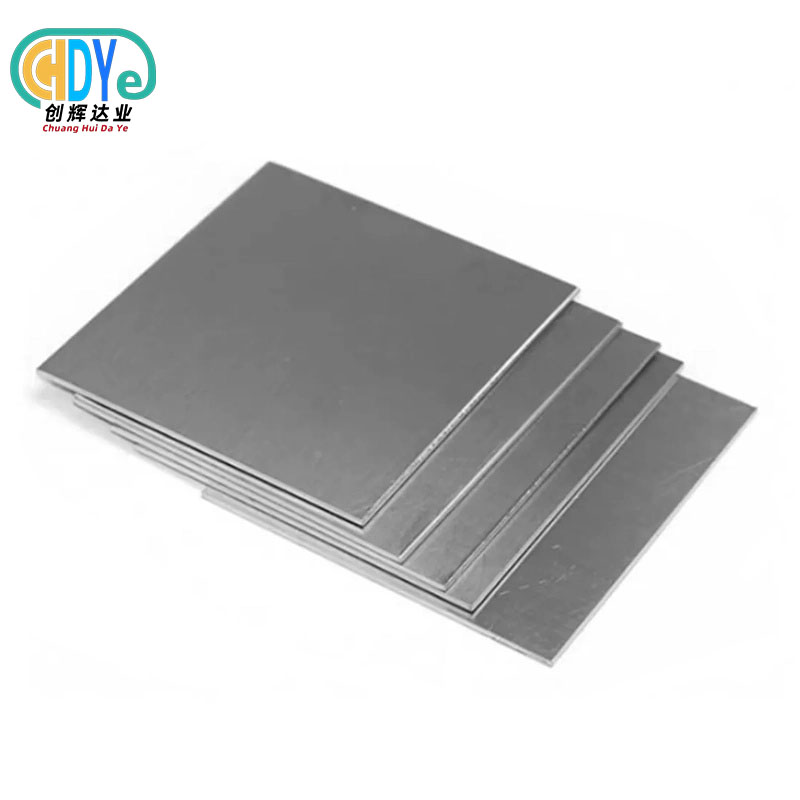
Of course. Titanium metal plates are one of the most durable materials that can be used in naval settings. Their great resistance to rust, high strength-to-weight ratio, and long working life make them perfect for exposure to seawater. The substance creates a protected oxide layer that can survive the harsh conditions of saltwater, where most metals break down quickly. These plates offer superior performance that makes the investment worthwhile for B2B buying teams that want long-term dependability and lower upkeep costs, whether they're building remote equipment, vessel parts, or irrigation systems.
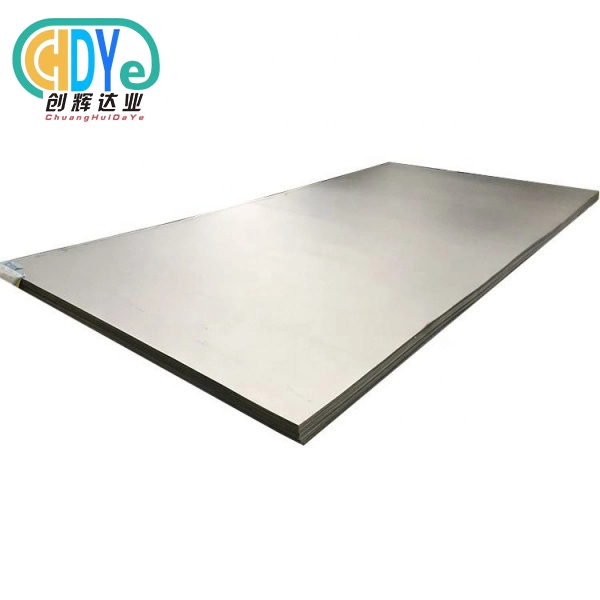
Understanding Titanium Metal Plates in Marine Environments
For marine uses, you need materials that can stand up to constant contact with saltwater, changes in temperature, and mechanical stress. Titanium metal plates work really well in these tough situations because they have qualities that help with the problems that marine engineers deal with every day.
Fundamental Properties That Define Marine Performance
When it comes to strength-to-weight ratio, titanium is about 4.43–4.51 g/cm³ dense and has tensile forces of up to 550 MPa. This mix lets architects lower the weight of structures without lowering their ability to hold load, which is an important thing to think about for ships, underwater platforms, and submarine equipment. Our titanium metal plates stay the same size in all kinds of temperatures, from subzero Arctic waters to hot industrial processes. This means that they always work the same way, no matter what the conditions are.
Comparing Titanium to Conventional Marine Materials
Even though marine businesses have used stainless steel for many years, it cracks easily in saltwater because of chloride. Aluminum alloys are strong but need to be maintained often because they corrode when mixed with metals that are not the same. Titanium metal plates get rid of these worries by creating a passive film that fixes itself when it gets broken, giving you real "fit-and-forget" dependability.
Titanium types that are strong and easy to shape are becoming more popular among engineers who are choosing materials for underwater fill tanks, propeller shafts, and hull plates. The most frequent industrial-pure choice is Grade 2, which has great weldability and manufacturing properties. Grade 5 (Ti-6Al-4V) has better mechanical qualities for high-stress structure parts that need better load distribution. Knowing these basic differences helps buying teams make smart choices that balance the cost of the materials at the start with their value over their entire life. Titanium metal plates are an investment that pays off over many years because they don't need to be replaced as often as plates made of other materials.
Corrosion Resistance and Durability of Titanium Metal Plates
Titanium metal plates instantly make a protective oxide layer when they come into contact with air or water. This layer is only a few nanometers thick, but it is very effective at stopping acidic attacks. This passivation effect is the main benefit for naval applications, where materials that are constantly exposed to salt water would break down within months.
How Passivation Shields Against Seawater Aggression
The chloride ions in seawater are very active and break down most metal types through pitting and crevice corrosion. Titanium's passive film stays steady over a wide range of pH levels and doesn't break down even in areas with no air, which is where stainless steel fails horribly. The film keeps growing back, so scratches or abrasions on the surface don't leave lasting weak spots where rust can spread. Tests done in the real world clearly show that titanium metal is better. Titanium metal plate heat exchanger tubesheets have been used in desalination plants for more than 30 years without losing any material, while similar stainless steel parts need to be replaced every 5 to 7 years.
Performance Data from Marine Applications
Shipbuilders incorporate titanium metal plates in important structural parts where losing weight improves fuel economy and cargo space. Navy subs use titanium for pressure hull parts that have to be able to handle the high pressures of the deep sea while also not corroding or losing their ability to control the atmosphere inside. In these tough situations, the material's dependability is shown in ways that other metals would fail. Manufacturers of specialized naval equipment say that using these plates for pump housings, valve bodies, and pipe systems cuts down on upkeep costs by a large amount. The lower total cost of ownership comes from not having to pay for coatings, cathodic protection systems, or regular repair programs.
Comparing Titanium Metal Plates with Alternative Materials for Marine Use
When choosing materials, it's important to find a balance between performance needs, price limits, and project deadlines. Titanium metal plates are special in this evaluation matrix because they have features that make them worth the higher price for long-term reliability-critical uses.
Mechanical Strength and Weight Considerations
A comparison shows that titanium has clear benefits. It is possible for stainless steel types like 316L to prevent rust in mild marine settings, but they are about 75% denser than titanium. This difference in weight affects the safety of the vessel, how much fuel it uses, and how much support it needs throughout the planning process. Aluminum alloys are used to make buildings lighter, but their yield strengths are much lower than titanium's—usually between 200 and 300 MPa compared to 485 MPa for titanium. Because aluminum isn't very strong, designers have to make the sections thicker, which loses the weight-saving benefits and adds the risk of galvanic rusting when it comes into contact with more valuable metals in salt water.
Guidance on Grade Selection for Marine Contexts
Our wide range of grade choices meets a wide range of marine application needs:
- Grade 2 titanium metal plates represent the most common type used for naval production. The material is very flexible, easy to shape, and easy to weld thanks to its great properties. Typical applications include heat exchanger plates, condenser tubes, and non-structural ship parts where resistance to rust is more important than strength.
- Grade 5 (Ti-6Al-4V) titanium metal plates deliver better dynamic qualities for buildings that hold weight. The aluminum-vanadium alloying makes the material stronger in tension while still being flexible enough for shaping. Marine engineers use Grade 5 for parts of pressure vessels, propeller shafts, and remote drilling equipment.
- Grade 3 and Grade 4 options fill performance goals in the middle, where industrial pure titanium isn't strong enough, but full alloy qualities are better than they need to be. These grades get the best cost-to-performance rates for certain types of designs.
Procurement Considerations for Titanium Metal Plates in the Marine Sector
To make good buying plans, you need to know how the supply chain works, how prices are set, and what suppliers can do that affects the success of the project. Getting titanium metal plates is different from getting other metals because you have to pay close attention to technical specs and quality control rules.
Evaluating Pricing Models and Order Quantities
Titanium metal plate prices are based on the cost of raw materials, the difficulty of making them, and changes in market demand. For normal grades and sizes, buyers should expect wait times of 6 to 12 weeks. For unique specs, production schedules will need to be adjusted. Some of the things we can do to make plates that are exactly the right size range from 0.5 mm to 50 mm thick: vacuum arc remelting, hot rolling, and precision cutting. Minimum order amounts are usually based on the size and grade of the plate. Standard sizes usually allow for smaller orders, but unique width and length needs might mean that a minimum production run is needed.
Assessing Supplier Credibility and Capabilities
Reliable providers show their dedication to quality by having ISO 9001:2015 certification and strict process controls that cover everything from inspecting the raw materials to packing them up at the end. We have strict quality control systems that make sure every shipment of titanium metal plates always meets the standards. Another important review factor is the ability to customize. For marine uses, precise cutting, edge preparation, and surface finishing are often needed to make the next steps in the production process easier. Our high-tech machining centers, which have CNC lathes, cutting machines, and specialized sawing tools, make plates that are ready for industrial processes.
Installation and Maintenance of Titanium Metal Plates in Marine Environments
The performance potential of titanium metal plates is at its highest when they are handled and made in the right way. The qualities of the material make it very durable in marine environments, but how it is installed has a big effect on how long it lasts.
Best Practices for Fabrication and Integration
To keep the quality of the edge when cutting titanium metal plates, the right tools must be used. Saw blades with a carbide tip or rough water jet systems make clean cuts without heating up the material and causing damage that could weaken its resistance to rust. One of the many processing options we offer is precise cutting, which makes plates exactly the right size and reduces the need for manufacturing on the part of the customer. Inert gas protection is needed when welding because the atmosphere can't get contaminated while the metal is melting.
Lifecycle Cost Benefits and Maintenance Strategies
Instead of checking for rust, regular inspection routines focus on making sure that mechanical connections and weld joints are solid. Visual checks are done at regular repair times to make sure that the torque on the fasteners stays within the range allowed and that no mechanical damage has happened. The material itself doesn't need any protection from being exposed to the sea environment. Lifecycle cost analysis is a strong way to show economic benefits. Even though the original cost of the materials is higher than with standard options, the removal of replacement cycles, covering systems, and corrosion-related fixes saves a lot of money over the life of the equipment.
Conclusion
Titanium metal plates work better than any other material when used in naval settings where strength, durability, and resistance to rust are important. The material's passive oxide protection, good strength-to-weight ratio, and long service life over many decades solve the main problems that marine engineers face in harsh seawater settings. Even though they cost more to buy than standard materials, lifetime value analysis always shows that the benefits of total ownership outweigh the costs of repair and upkeep. By choosing the right grades, designers can balance cost-effectiveness with performance. Titanium is becoming more and more popular in shipbuilding and offshore platforms, which proves that it is the best material for tough naval service.
FAQ
1. How does the cost of titanium plates compare to marine-grade stainless steel?
Titanium metal plates start out costing three to five times as much as 316L stainless steel. A lifecycle study, on the other hand, shows that titanium is more valuable because it lasts 3–5 times longer, doesn't need to be coated, and has very low upkeep costs. Titanium has higher acquisition costs, but its total ownership costs are typically lower for marine systems that are used for more than 15 years. By getting rid of replacement rounds and reducing working breaks, the investment gives clear results.
2. Can titanium plates withstand extreme marine weather conditions?
Titanium metal plates keep their shape at temperatures ranging from -200°C to 600°C without losing any of their properties. Extreme sea weather, such as temperature shock, UV exposure, and mechanical contact, doesn't affect this material. Waves caused by storms, the creation of ice, and the heating and cooling processes of the sun do not break down materials. When you mix this resistance to temperature with resistance to rust, you get steady performance in Arctic, tropical, and temperate sea zones for decades at a time.
3. What are typical lead times for titanium plate procurement?
After an order is confirmed, standard grades in popular sizes ship within 3-5 days. Custom specs, such as non-standard thicknesses, widths greater than 1500 mm, or unique metal ratios, need 2-3 weeks to plan production and check quality. To make sure that material shipping times don't clash with building schedules and to avoid critical path delays, we suggest that you involve suppliers early on in the planning stages of a project.
Partner with Chuanghui Daye for Marine-Grade Titanium Solutions
With more than 30 years of experience in the rare metals business, Shaanxi Chuanghui Daye is ready to help you buy naval titanium. As a reliable titanium metal plate maker in China's Titanium Capital, we offer goods that are ISO 9001:2015 approved and meet the strictest naval requirements. Our large collection includes choices from Grade 1 to Grade 5 and comes in widths ranging from 0.5 mm to 50 mm. We also have advanced machining skills that allow us to cut and finish your materials exactly the way you need them. Email our expert team at info@chdymetal.com to talk about the details of your project, get examples of the materials you're interested in, or get low factory-direct prices for your marine application. We offer reliable shipping around the world, full documentation for tracking, and quick technology help that turns getting materials into a competitive edge.
References
1. Davis, J.R. (2006). Corrosion of Titanium and Titanium Alloys. ASM International Handbook Series, Materials Park, Ohio.
2. Schutz, R.W. & Watkins, H.B. (1998). Recent Developments in Titanium Alloy Applications in the Energy Industry. Materials Science and Engineering: A, Volume 243, Issues 1-2, Pages 305-315.
3. Boyer, R., Welsch, G., & Collings, E.W. (1994). Materials Properties Handbook: Titanium Alloys. ASM International, Materials Park, Ohio.
4. Sedriks, A.J. (1996). Corrosion of Stainless Steels, Second Edition. John Wiley & Sons, New York, Chapter 8: Marine Applications.
5. Covington, L.C. (1979). "The Influence of Surface Condition and Environment on the Hydriding of Titanium." Corrosion, vol. 35, no. 6, pp. 278-282.
6. Peters, M., Kumpfert, J., Ward, C.H., & Leyens, C. (2003). "Titanium Alloys for Aerospace Applications." Advanced Engineering Materials, Volume 5, Issue 6, Pages 419-427.
Learn about our latest products and discounts through SMS or email