- English
- French
- German
- Portuguese
- Spanish
- Russian
- Japanese
- Korean
- Arabic
- Greek
- German
- Turkish
- Italian
- Danish
- Romanian
- Indonesian
- Czech
- Afrikaans
- Swedish
- Polish
- Basque
- Catalan
- Esperanto
- Hindi
- Lao
- Albanian
- Amharic
- Armenian
- Azerbaijani
- Belarusian
- Bengali
- Bosnian
- Bulgarian
- Cebuano
- Chichewa
- Corsican
- Croatian
- Dutch
- Estonian
- Filipino
- Finnish
- Frisian
- Galician
- Georgian
- Gujarati
- Haitian
- Hausa
- Hawaiian
- Hebrew
- Hmong
- Hungarian
- Icelandic
- Igbo
- Javanese
- Kannada
- Kazakh
- Khmer
- Kurdish
- Kyrgyz
- Latin
- Latvian
- Lithuanian
- Luxembou..
- Macedonian
- Malagasy
- Malay
- Malayalam
- Maltese
- Maori
- Marathi
- Mongolian
- Burmese
- Nepali
- Norwegian
- Pashto
- Persian
- Punjabi
- Serbian
- Sesotho
- Sinhala
- Slovak
- Slovenian
- Somali
- Samoan
- Scots Gaelic
- Shona
- Sindhi
- Sundanese
- Swahili
- Tajik
- Tamil
- Telugu
- Thai
- Ukrainian
- Urdu
- Uzbek
- Vietnamese
- Welsh
- Xhosa
- Yiddish
- Yoruba
- Zulu
Can Pure Tantalum Wire Improve Corrosion Resistance?
Many engineers ask whether switching to pure tantalum wire can solve a corrosion problem that ordinary metals cannot. In many aggressive chemical environments, the answer is yes, because tantalum forms a stable protective oxide layer on its surface. It also offers good ductility and a very high melting point, which is why it appears in chemical processing, vacuum equipment, electronic components, and specialized metal fabrication. Still, tantalum is not a universal fix. This article explains how its corrosion resistance works, where it performs well, where it does not, and how to select the right wire for your application.
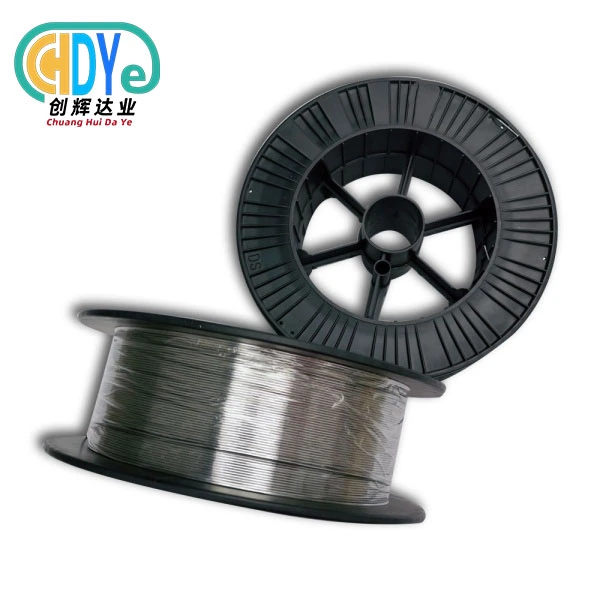
How Pure Tantalum Wire Resists Corrosion
The Protective Oxide Layer
Tantalum develops a thin, stable oxide film on its surface, and this film is the main reason pure tantalum wire holds up in many aggressive chemical environments. When the surface is scratched or damaged, the film tends to reform in the presence of oxygen or oxidizing media, which restores protection. This self-repairing behavior explains why tantalum is used in selected chemical processing applications where ordinary metals do not provide sufficient corrosion resistance and would degrade quickly.
Environments Where Tantalum Performs Well
Pure tantalum wire is used in selected chemical processing applications involving harsh media, where stainless steels and many other alloys may suffer attack. Because corrosion behavior depends on concentration, temperature, and the exact chemical composition of the medium, no single rule fits every case. The practical approach is to compare your process conditions against published corrosion data and to share those details with your supplier before ordering. Doing so helps you avoid choosing a material that looks suitable on paper but fails in service.
Limits You Should Not Ignore
Tantalum is not suitable for every chemical medium, and pure tantalum wire is no exception to that rule. Applications involving hydrofluoric acid or certain fluoride-containing environments require particular attention, because these media can attack the protective oxide layer. Strongly alkaline conditions can also be a concern. Treating these limits as part of the selection process, rather than as an afterthought, protects both your equipment and your budget. When conditions are unclear, a short technical discussion with the supplier is worth the time.
| Environment Type | Expected Behavior of Tantalum | Selection Note |
|---|---|---|
| Many aggressive acids | Generally good resistance | Verify concentration and temperature |
| Hydrofluoric acid | Requires particular attention | Often unsuitable without evaluation |
| Fluoride-containing media | Requires particular attention | Review the full chemistry |
| Elevated-temperature air | Oxidation must be considered | Use vacuum or inert atmosphere |
Material Properties That Support Performance
Good Ductility for Wire Drawing and Forming
Pure tantalum can be drawn into fine wire and processed into different shapes, which gives designers a lot of freedom. Annealed pure tantalum wire is generally more suitable for applications requiring bending or further forming, while other conditions may suit uses where higher strength matters more. The appropriate condition depends on the intended manufacturing process, so it is wise to describe your forming steps to the supplier. Choosing the wrong condition can lead to breakage, wasted material, and delays.
High Melting Point and Vacuum Use
Tantalum has a melting point of approximately 3,017°C, which makes it useful in selected high-temperature and vacuum applications. Pure tantalum wire can be used for supports, heating components, and structural parts inside furnaces and coating equipment. However, oxidation at elevated temperatures must be considered when the material is exposed to air, since tantalum reacts with oxygen when hot. Operating in vacuum or in a protected atmosphere is the standard way to manage this risk.
Suitability for Further Processing
Pure tantalum wire can be cut, bent, formed, and incorporated into different industrial components. Processing methods should be selected according to wire diameter and material condition, because fine wire and heavier wire behave quite differently under the same tools. Planning these steps in advance helps manufacturers keep yield high and avoid damaging the wire surface. A clean, undamaged surface also supports the corrosion performance that made tantalum the right choice in the first place.
| Property | What It Means in Practice |
|---|---|
| Ductility | Can be drawn into fine wire and formed |
| Corrosion resistance | Protective oxide layer in many chemical media |
| Melting point | Approximately 3,017°C, useful for vacuum service |
| Processability | Can be cut, bent, and formed into components |
How to Select Pure Tantalum Wire for Your Application
Confirming Material Grade and Diameter
When purchasing, look beyond the nominal diameter. First confirm whether R05200, R05400, or another specification is required, since the grade defines the chemistry the material must meet. Then specify the diameter and tolerance, particularly for precision applications. Clear information on both points lets the supplier check availability against your needs and quote accurately. For pure tantalum wire, a vague specification is one of the most common reasons for delays and mismatched deliveries.
Choosing Material Condition and Supply Form
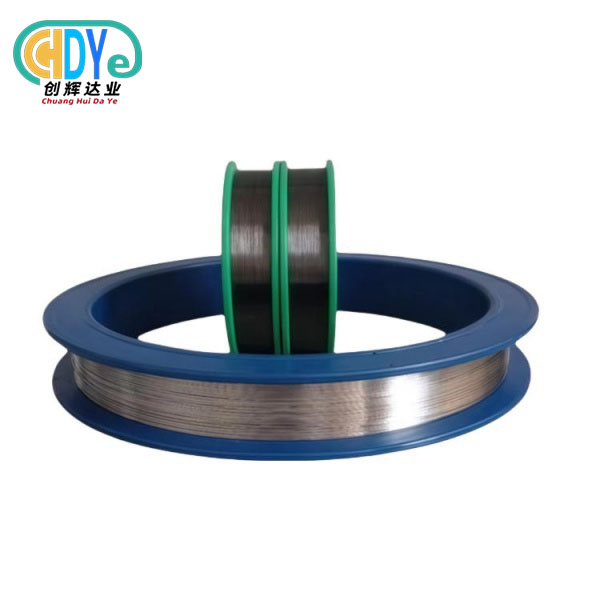
Material condition and supply form deserve the same care as grade and diameter. Confirm whether annealed wire or another condition is required, based on how you plan to bend or form it. Then state whether the wire should be supplied in coils, on spools, or in straight lengths. Pure tantalum wire is available in these forms depending on the application, and choosing the right one reduces handling, waste, and rework on your production line.
Documentation and Surface Requirements
Documentation is easy to overlook until an audit or a customer asks for it. Confirm whether you need a chemical composition report or a material certificate, and state any surface requirements at the quotation stage. For pure tantalum wire used in sensitive or regulated work, complete paperwork protects traceability. Agreeing on these points before production is far easier than correcting them after the material has shipped, and it keeps your quality records in order.
| Selection Factor | What to Specify |
|---|---|
| Material grade | R05200, R05400, or another specification |
| Wire diameter | Nominal size and tolerance |
| Material condition | Annealed or other required condition |
| Supply form | Coils, spools, or straight lengths |
| Documentation | Chemical report or material certificate |
Working With a Pure Tantalum Wire Supplier
What a Capable Supplier Provides
A good supplier does more than quote a price. CHDY supplies tantalum, niobium, titanium, and other refractory metal materials for industrial customers, and can assist with checking available wire diameters, material grades, surface requirements, and documentation. When you source pure tantalum wire, look for a partner who asks useful questions about your application, because that usually signals genuine technical understanding rather than simple order-taking.
Information to Include in Your Quotation Request
To receive an accurate quotation, provide your required diameter, quantity, material condition, and delivery destination. Adding the grade, tolerance, and surface requirement makes the response faster and more precise. For pure tantalum wire, incomplete requests often lead to several rounds of clarification, which slows the project. A well-prepared inquiry shows the supplier exactly what you need and helps you compare offers fairly across different sources.
Quality Control and Manufacturing Capability
Reliable quality depends on controlled processes. Shaanxi Chuanghui Daye Metal Material Co., Ltd. holds ISO 9001:2015 certification and operates annealing furnaces, electron beam furnaces, rolling machines, lathes, and sawing and shearing equipment. Inspection covers raw materials, melting and forging, machining and forming, and final packaging. When you buy pure tantalum wire from a supplier with this kind of process control, you reduce the risk of inconsistent material reaching your production line.
Conclusion
Pure tantalum wire can improve corrosion resistance in many aggressive environments thanks to its protective oxide layer, but suitability always depends on the chemical medium and temperature. Shaanxi Chuanghui Daye Metal Material Co., Ltd., based in Baoji, China's "Titanium Capital," combines over 30 years of rare metal experience, advanced equipment, and ISO 9001:2015 certification. Its quality-first approach covers every production stage. Define your grade, diameter, and condition clearly, and work with a supplier who delivers reliable, cost-effective materials.
FAQ
Q1. Does pure tantalum wire really improve corrosion resistance?
A: In many aggressive chemical environments, yes. Tantalum forms a protective oxide layer that resists attack where ordinary metals may fail, though it must be evaluated for each medium.
Q2. Which chemicals should be avoided with tantalum?
A: Hydrofluoric acid and certain fluoride-containing environments need particular attention, as they can attack tantalum. Always review your full process chemistry.
Q3. What is the melting point of pure tantalum wire?
A: Tantalum melts at approximately 3,017°C, which makes it useful in selected high-temperature and vacuum applications, although oxidation in air must be considered.
Q4. Is annealed or hard wire better for forming?
A: Annealed wire is generally more suitable for bending and further forming. The best condition depends on your manufacturing process.
Q5. What should I include when requesting a quotation?
A: Provide the required diameter, quantity, material condition, and delivery destination. Material grade, tolerance, surface condition, and documentation needs are also helpful.
Contact Us Today for Pure Tantalum Wire
Looking for reliable pure tantalum wire for a corrosion-critical project? Shaanxi Chuanghui Daye Metal Material Co., Ltd. supplies tantalum and other refractory metals in different diameters and material conditions, in coils, on spools, or in straight lengths. Send us your required grade, diameter, quantity, material condition, and delivery destination, and our team will prepare a clear quotation. Whether you need a trial batch or ongoing supply, we are ready to support you. Email us today at info@chdymetal.com and let us help you find the right wire.
References
1. Cardarelli, F. (2008). Materials Handbook: A Concise Desktop Reference, 2nd ed. London: Springer.
2. ASTM International. ASTM B365: Standard Specification for Tantalum and Tantalum Alloy Rod and Wire. West Conshohocken, PA: ASTM International.
3. Cardonne, S. M., Kumar, P., Michaluk, C. A., and Schwartz, H. D. (1995). "Tantalum and Its Alloys." International Journal of Refractory Metals and Hard Materials, 13(4), 187–194.
4. Buckman, R. W. Jr. (2000). "New Applications for Tantalum and Tantalum Alloys." JOM, 52(3), 40–41.
5. ASM International (1987). ASM Handbook, Volume 13: Corrosion. Materials Park, OH: ASM International.
6. Schweitzer, P. A. (2007). Corrosion Resistance Tables: Metals, Nonmetals, Coatings, Mortars, Plastics, Elastomers and Linings, and Fabrics, 5th ed. Boca Raton, FL: CRC Press.
Learn about our latest products and discounts through SMS or email