- English
- French
- German
- Portuguese
- Spanish
- Russian
- Japanese
- Korean
- Arabic
- Greek
- German
- Turkish
- Italian
- Danish
- Romanian
- Indonesian
- Czech
- Afrikaans
- Swedish
- Polish
- Basque
- Catalan
- Esperanto
- Hindi
- Lao
- Albanian
- Amharic
- Armenian
- Azerbaijani
- Belarusian
- Bengali
- Bosnian
- Bulgarian
- Cebuano
- Chichewa
- Corsican
- Croatian
- Dutch
- Estonian
- Filipino
- Finnish
- Frisian
- Galician
- Georgian
- Gujarati
- Haitian
- Hausa
- Hawaiian
- Hebrew
- Hmong
- Hungarian
- Icelandic
- Igbo
- Javanese
- Kannada
- Kazakh
- Khmer
- Kurdish
- Kyrgyz
- Latin
- Latvian
- Lithuanian
- Luxembou..
- Macedonian
- Malagasy
- Malay
- Malayalam
- Maltese
- Maori
- Marathi
- Mongolian
- Burmese
- Nepali
- Norwegian
- Pashto
- Persian
- Punjabi
- Serbian
- Sesotho
- Sinhala
- Slovak
- Slovenian
- Somali
- Samoan
- Scots Gaelic
- Shona
- Sindhi
- Sundanese
- Swahili
- Tajik
- Tamil
- Telugu
- Thai
- Ukrainian
- Urdu
- Uzbek
- Vietnamese
- Welsh
- Xhosa
- Yiddish
- Yoruba
- Zulu
How to Choose Tantalum R05200 Wires for Your Project?
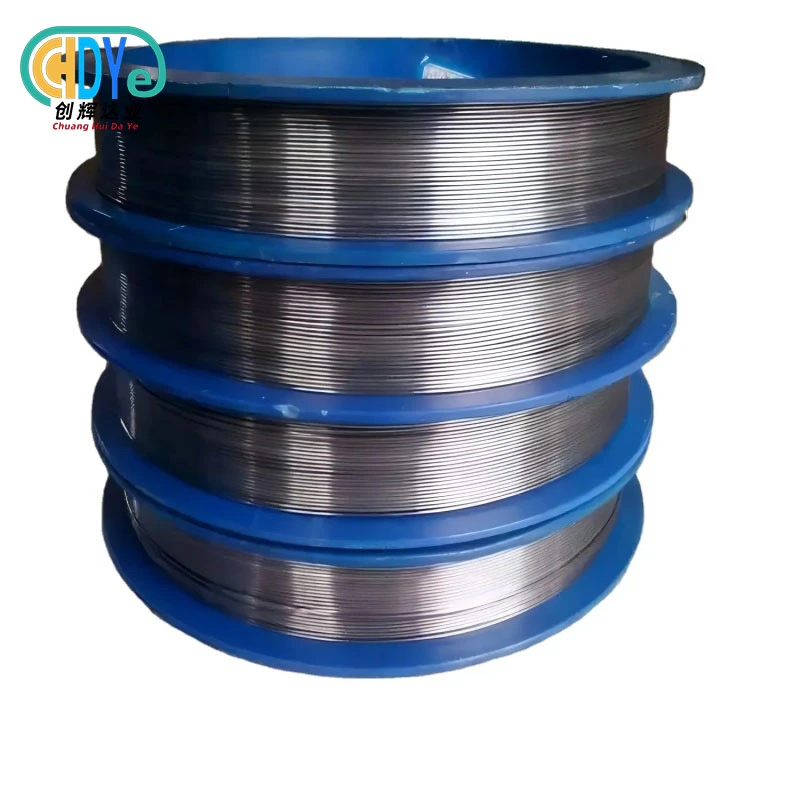
Choosing the right Tantalum R05200 wires starts with understanding what the material is and how it behaves in your application. R05200 is unalloyed tantalum, melted by electron-beam or vacuum-arc processes and covered by ASTM B365 for rod and wire products. It is valued for controlled chemistry, good ductility, and the corrosion resistance of commercially pure tantalum. This guide covers the specification, performance factors, and ordering details so you can match the wire to your project and avoid costly rework.
Understanding the Material Behind Tantalum R05200 Wires
What UNS R05200 and ASTM B365 Mean
UNS R05200 is a recognized designation for unalloyed tantalum, and ASTM B365 is the specification that governs rod and wire in this grade. When you request Tantalum R05200 wires, you are asking for material produced by electron-beam melting, vacuum-arc melting, or a combination of the two. Naming the standard and edition in your purchase order gives both buyer and supplier a common reference. It also makes inspection, certification, and later audits much easier to handle.
Chemical Composition Requirements
Composition matters most in applications with strict purity demands. For Tantalum R05200 wires, the elements that usually need attention are oxygen, nitrogen, carbon, hydrogen, niobium, iron, tungsten, and other metallic impurities. Exact limits should come from the edition of ASTM B365 you specify or from your own agreed material specification. Interstitial elements such as oxygen and nitrogen can reduce ductility, so they are worth checking before any forming operation. A supplier can confirm available chemical reports before you commit to a purchase.
Melting Routes and Their Influence
Electron-beam and vacuum-arc melting both aim to remove volatile impurities and produce a clean ingot. The route used for Tantalum R05200 wires affects the cleanliness and consistency of the final product, which in turn affects wire drawing and downstream performance. Customers working on vacuum equipment, electronic components, or corrosion-critical parts often ask which route was used. Asking early helps you align the material record with the requirements of your project and your own quality system.
| Specification Item | What to Confirm |
|---|---|
| Standard | ASTM B365 and the applicable edition |
| UNS designation | R05200 |
| Melting route | Electron-beam, vacuum-arc, or combined |
| Chemistry | Limits for O, N, C, H, Nb, Fe, W, and others |
| Documentation | Certificate type and test report |
Matching Tantalum R05200 Wires to Application Needs
Corrosion Resistance in Chemical Service
R05200 keeps the general corrosion resistance associated with commercially pure tantalum, which is why Tantalum R05200 wires appear in chemical processing and laboratory equipment. Suitability still depends on the specific medium and operating temperature, so a blanket claim of immunity is not reliable. Some environments, such as hydrofluoric acid or strongly alkaline solutions, can attack tantalum. Review your process chemistry against published corrosion data, and ask your supplier for guidance when conditions are unusual.
High-Temperature and Vacuum Use
Tantalum has a high melting point and is used in selected vacuum and high-temperature equipment. Tantalum R05200 wires can serve as supports, heating elements, or structural parts in furnaces and coating systems. Be aware that tantalum absorbs oxygen readily at elevated temperatures, so oxidation protection may be needed in service. Operating in vacuum or an inert atmosphere is the usual solution. Define your temperature range and atmosphere clearly when you request a quotation.
Ductility and Forming Demands
Tantalum R05200 wires can be produced through suitable working and annealing operations, and the final material condition changes how the wire bends and forms. An annealed wire is generally easier to coil, wind, or shape, while a harder condition may suit applications that need greater strength. If your part involves tight bends or complex winding, tell your supplier before ordering. Matching the condition to the forming process reduces breakage and scrap.
| Application Factor | Why It Matters for Wire Selection |
|---|---|
| Chemical medium | Determines whether tantalum is suitable at all |
| Temperature | Affects oxidation risk and mechanical behavior |
| Atmosphere | Vacuum or inert gas often needed at high heat |
| Forming method | Guides the choice of material condition |
Specifying and Ordering Tantalum R05200 Wires Correctly
Dimensions, Tolerance, and Supply Form
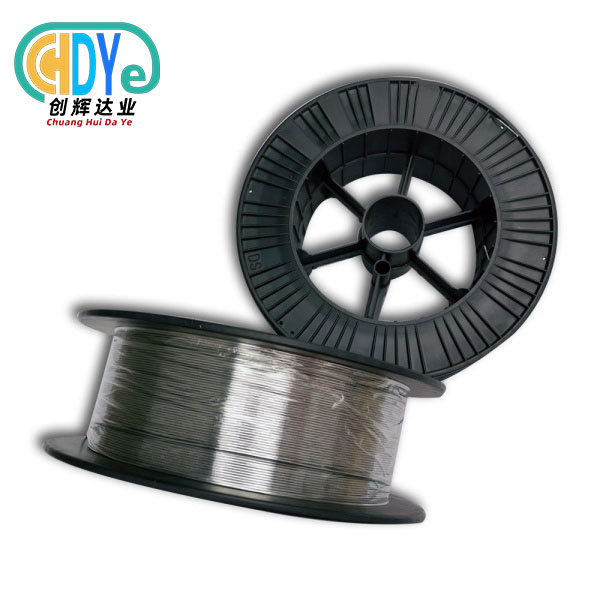
The first details a supplier needs are the wire diameter and the dimensional tolerance you can accept. Tight tolerances may affect lead time and cost, so specify only what your design truly requires. Tantalum R05200 wires can also be supplied in different forms, such as coils or cut lengths, depending on your process. Stating the supply form at the start prevents misunderstandings and helps you compare quotations on equal terms.
Material Condition and Certification
Material condition describes whether the wire is annealed or in another worked state, and it directly shapes how the product performs. Certification is equally important, particularly for regulated or high-value projects. When ordering Tantalum R05200 wires, state the required standard and the certificate you expect, such as a material test report showing chemistry. Agreeing on these points before production avoids disputes at delivery and keeps your records complete for future audits.
Quantity, Lead Time, and Export Arrangements
Quantity influences pricing, production planning, and packaging. Small trial orders of Tantalum R05200 wires are common for development work, while production programs may require repeat shipments. International buyers should also discuss export documentation and shipping arrangements early. A clear picture of your volume and delivery timeline lets the supplier plan material availability and give you a realistic schedule.
| Ordering Checklist | Information to Provide |
|---|---|
| Wire diameter | Required size |
| Tolerance | Acceptable dimensional range |
| Material condition | Annealed or as specified |
| Supply form | Coil, spool, or cut length |
| Quantity | Trial or production volume |
| Standard and certificate | ASTM B365 and report type |
Evaluating a Supplier of Tantalum R05200 Wires
Production Capability and Equipment
A reliable supplier should have the equipment to process refractory metals properly. Facilities such as electron beam furnaces, annealing furnaces, rolling machines, lathes, sawing and shearing machines, and smelting equipment indicate real processing depth. When you source Tantalum R05200 wires, ask which steps are handled in-house and which are subcontracted. This tells you how much control the supplier has over consistency, lead time, and traceability.
Quality Management and Inspection
Quality control should cover the whole chain: raw material inspection, melting and forging, machining and forming, and final inspection and packaging. An ISO 9001:2015 certificate shows that a documented system governs these steps. For Tantalum R05200 wires, consistent inspection at each stage reduces the risk of off-specification material reaching your line. Ask to see sample reports, because the format and detail of documentation often reveal how seriously a supplier treats quality.
Technical Support and Communication
Good suppliers help you refine a specification instead of simply quoting it. They can check available wire dimensions, review material documentation, and advise on export arrangements for Tantalum R05200 wires. Responsive communication saves time during development and troubleshooting. Before placing an order, send a draft specification and judge how clearly and quickly the supplier replies. That early exchange is usually a good preview of the working relationship.
Conclusion
Selecting Tantalum R05200 wires comes down to understanding the ASTM B365 specification, matching chemistry and condition to your application, and ordering with complete details. Shaanxi Chuanghui Daye Metal Material Co., Ltd., based in Baoji, China's "Titanium Capital," brings over 30 years of rare metal experience, advanced melting and machining equipment, and ISO 9001:2015 certification. Its quality-first approach covers every stage from raw material to packaging. Share your requirements early, confirm documentation, and choose a partner who delivers reliable, cost-effective tantalum products.
FAQ
Q1. What is Tantalum R05200 wire made from?
A: It is made from unalloyed tantalum produced by electron-beam melting, vacuum-arc melting, or a combination of both, and it is covered by ASTM B365.
Q2. Which standard applies to R05200 tantalum wire?
A: ASTM B365 covers tantalum rod and wire, and UNS R05200 is the recognized designation for the unalloyed grade.
Q3. Is R05200 tantalum suitable for every corrosive medium?
A: No. It retains the general corrosion resistance of pure tantalum, but suitability depends on the chemical medium and operating temperature, so each case should be evaluated.
Q4. Does tantalum wire need protection at high temperature?
A:Yes. Tantalum has a high melting point, but oxidation protection may be required during elevated-temperature service, often through vacuum or inert atmosphere.
Q5. What details should I provide when requesting a quotation?
A: Provide the wire diameter, dimensional tolerance, material condition, supply form, quantity, and the required standard and certificate.
Contact Us Today for Tantalum R05200 Wires
Ready to source Tantalum R05200 wires for your next project? Shaanxi Chuanghui Daye Metal Material Co., Ltd. supplies refractory and rare metal materials to international customers and can confirm wire availability, dimensions, material documentation, and export arrangements. Send us your drawings, specifications, or purchasing requirements, and our team will prepare a clear quotation. Whether you need a small development batch or a continuing supply, we are ready to help. Email us today at info@chdymetal.com and let us turn your material requirements into reliable results.
References
1. ASTM International. ASTM B365: Standard Specification for Tantalum and Tantalum Alloy Rod and Wire. West Conshohocken, PA: ASTM International.
2. ASTM International. ASTM F560: Standard Specification for Unalloyed Tantalum for Surgical Implant Applications (UNS R05200, UNS R05400). West Conshohocken, PA: ASTM International.
3. Cardonne, S. M., Kumar, P., Michaluk, C. A., and Schwartz, H. D. (1995). "Tantalum and Its Alloys." International Journal of Refractory Metals and Hard Materials, 13(4), 187–194.
4. Buckman, R. W. Jr. (2000). "New Applications for Tantalum and Tantalum Alloys." JOM, 52(3), 40–41.
5. Ardarelli, F. (2008). Materials Handbook: A Concise Desktop Reference, 2nd ed. London: Springer.
6. ASM International (1990). ASM Handbook, Volume 2: Properties and Selection: Nonferrous Alloys and Special-Purpose Materials. Materials Park, OH: ASM International.
Learn about our latest products and discounts through SMS or email