- English
- French
- German
- Portuguese
- Spanish
- Russian
- Japanese
- Korean
- Arabic
- Greek
- German
- Turkish
- Italian
- Danish
- Romanian
- Indonesian
- Czech
- Afrikaans
- Swedish
- Polish
- Basque
- Catalan
- Esperanto
- Hindi
- Lao
- Albanian
- Amharic
- Armenian
- Azerbaijani
- Belarusian
- Bengali
- Bosnian
- Bulgarian
- Cebuano
- Chichewa
- Corsican
- Croatian
- Dutch
- Estonian
- Filipino
- Finnish
- Frisian
- Galician
- Georgian
- Gujarati
- Haitian
- Hausa
- Hawaiian
- Hebrew
- Hmong
- Hungarian
- Icelandic
- Igbo
- Javanese
- Kannada
- Kazakh
- Khmer
- Kurdish
- Kyrgyz
- Latin
- Latvian
- Lithuanian
- Luxembou..
- Macedonian
- Malagasy
- Malay
- Malayalam
- Maltese
- Maori
- Marathi
- Mongolian
- Burmese
- Nepali
- Norwegian
- Pashto
- Persian
- Punjabi
- Serbian
- Sesotho
- Sinhala
- Slovak
- Slovenian
- Somali
- Samoan
- Scots Gaelic
- Shona
- Sindhi
- Sundanese
- Swahili
- Tajik
- Tamil
- Telugu
- Thai
- Ukrainian
- Urdu
- Uzbek
- Vietnamese
- Welsh
- Xhosa
- Yiddish
- Yoruba
- Zulu
Can Tantalum Round Bars Improve Heat Exchanger Durability?
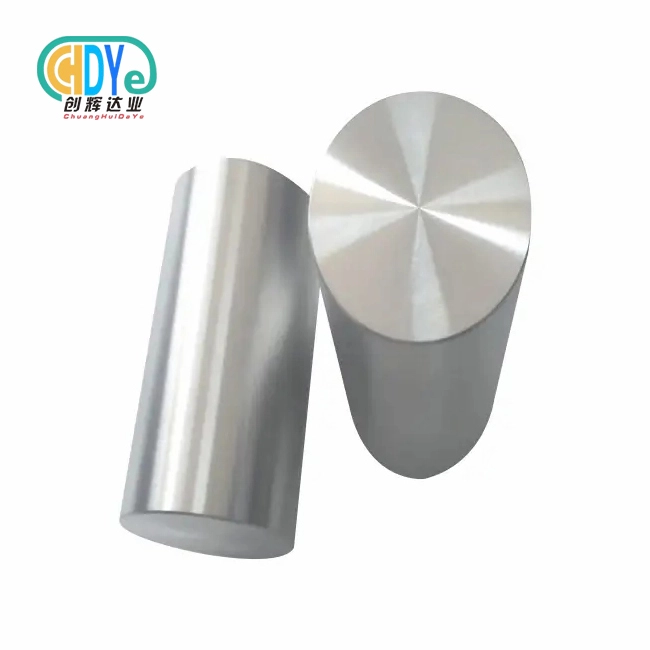
Yes, tantalum round bars can make heat exchangers last a lot longer because they are very resistant to rust and don't change temperature easily. For example, Chuanghui Daye's Tantalum Round Bar comes in grades R05200 and R05400, which make it better than other materials in harsh chemical conditions. These high-quality refractory metals have a melting point higher than 2996°C and are very resistant to acids and rust. They make heat exchangers last longer, cost less to maintain and have less downtime in industrial settings.
Understanding the Challenge: Heat Exchanger Durability in Industrial Applications
Heat exchanges are essential to many industrial processes, from making chemicals to making electricity. These important parts are constantly facing problems that can lower their performance and shorten their life. In the harsh truth, most heat exchanges work in conditions that would destroy normal materials in months or even weeks.
The Root Causes of Heat Exchanger Failure
Corrosion remains the primary enemy of heat exchanger durability. When aggressive chemicals, high temperatures, and pressure fluctuations combine, they create a perfect storm for material degradation. The petrochemical industry alone reports billions of dollars in losses annually due to premature heat exchanger failures. These failures don't just cost money—they disrupt production schedules, compromise product quality, and create safety hazards. Traditional materials like stainless steel and carbon steel simply cannot withstand the chemical assault from strong acids, chloride solutions, and oxidising environments. The result is pitting, crevice corrosion, and stress corrosion cracking that leads to catastrophic failure. Understanding these fundamental challenges helps procurement professionals recognise why material selection represents one of the most critical decisions in heat exchanger design.
Impact on Operational Efficiency
When heat exchangers break down, it causes equipment to stop working, which has effects that spread through the whole production facility. Maintenance shutdowns that aren't planned can cost factories tens of thousands of dollars an hour in lost output. Aside from the instant costs, repairs that happen too often hurt team morale and put a strain on maintenance budgets. Smart engineering teams are becoming more and more aware that spending more money up front on better materials saves them a lot of money in the long run by making things more reliable and extending the time between service visits.
Why Choose Tantalum Round Bars for Heat Exchangers?
Tantalum stands apart from conventional heat exchanger materials through its unique combination of chemical inertness and mechanical strength. This rare metal offers properties that address the fundamental challenges plaguing industrial heat exchangers across multiple industries.
Exceptional Corrosion Resistance Properties
At high temperatures, tantalum round bars are almost completely resistant to attack by most acids, such as hydrochloric, sulphuric, and nitric acids. This resistance comes from tantalum's ability to create a protective oxide layer that can fix itself if it gets broken. Tantalum's protective mechanism stays steady in a much wider range of chemical conditions than stainless steel's, which depends on chromium for passivation. The metal is very useful in seawater uses and processes that use brine solutions because it doesn't rust when exposed to chloride. Titanium can crack,k and crevice erosion can happen, but tantalum keeps its structure. This better performance directly means that heat exchanger systems will last longer and need less upkeep.
Superior Mechanical and Thermal Properties
In addition to being resistant to corrosion, tantalum has great mechanical qualities that make it work reliably even when temperatures change. The material stays strong at high temperatures, so it doesn't suffer from creep or thermal wear as some metals do. Tantalum has a melting point higher than 2996°C, which makes it a good choice for high-temperature uses. The low thermal expansion rate of the metal keeps stress levels low when temperatures change, which lowers the risk of mechanical failure. In situations where temperatures change quickly or where the working temperature range is large, these properties become very important. Tantalum's predictable behaviour under thermal stress is liked by engineering teams because it lets them make more accurate design calculations and go longer between repair visits.
How Tantalum Round Bars Enhance Heat Exchanger Durability
The implementation of tantalum components in heat exchanger construction addresses multiple failure modes simultaneously. Real-world applications demonstrate significant improvements in equipment reliability and operational efficiency when tantalum replaces conventional materials.
Corrosion-Induced Failure Prevention
Chemical processing facilities using tantalum heat exchanger components report dramatic reductions in corrosion-related failures. A major pharmaceutical manufacturer documented zero corrosion incidents over five years of operation after switching to tantalum components in their acid recovery systems. This performance contrasts sharply with their previous experience using high-grade stainless steel, which required replacement every 18 months.The mechanism behind this improvement lies in tantalum's ability to resist localised corrosion phenomena. Pitting corrosion, which often initiates catastrophic failures in stainless steel systems, simply does not occur with tantalum under the same conditions. This immunity extends to stress corrosion cracking, a particularly insidious failure mode that can develop without warning in chloride environments.
Mechanical Integrity Under Thermal Stress
Tantalum's mechanical properties enable heat exchangers to withstand the mechanical stresses associated with thermal cycling and pressure fluctuations. The material's excellent fatigue resistance prevents crack initiation and propagation, common causes of sudden equipment failures. Manufacturing processes, including precision forging, rolling, and annealing, ensure optimal grain structure and stress distribution throughout tantalum components. Proper heat treatment protocols maximise the material's mechanical properties while maintaining its corrosion resistance. These manufacturing considerations become crucial for achieving optimal performance in demanding applications. Quality manufacturers like Chuanghui Daye employ sophisticated metallurgical controls to ensure consistent properties throughout their tantalum products.
Procurement Insights: Buying Tantalum Round Bars for Industrial Use
To buy tantalum parts successfully, you need to know both the exact specs and what the supplier can do. Because processing tantalum is so specialised, choosing the right seller has a big effect on the success of the project and the long-term performance of the equipment.
Critical Specification Requirements
Tantalum round bars of good quality must meet strict requirements for their chemical makeup, mechanical traits, and accuracy in measurements. The main standard for tantalum mill goods is ASTM B365, which lists the requirements for grades R05200 and R05400. There is a big difference between these types in how pure the tantalum is. R05200 has at least 99.95% tantalum, and R05400 has at least 99.9% . Verification of chemical composition through certified test records makes sure that materials can be tracked and that quality is maintained. You can have more faith in a material's performance when it comes with mechanical testing certificates that show its tensile strength, yield strength, and elongation features. When made parts need to fit together perfectly, tantalum round bars become very important.
Supplier Evaluation and Quality Assurance
To rate tantalum suppliers, you have to look at their ability to make things, their quality control methods, and how well they deliver. A supplier's ISO 9001:2015 certification shows that they follow quality management principles. For some uses, you may need certifications specific to your business. Audits of production facilities can teach you a lot about how things are made and how quality control is done. When working with tantalum, which has special industrial needs, delivery dependability is very important for keeping to a project schedule. Knowing how long it takes suppliers to make things in standard sizes versus custom sizes helps project planners make plans that are more likely to work. Having standard sizes in stock can cut down on procurement lead times by a large amount, and being able to do custom fabrication lets you make the best designs for parts.
Company Introduction and Product Services
For more than 30 years, Shaanxi Chuanghui Daye Metal Material Co., Ltd. has worked with rare metals and can offer high-quality tantalum choices for tough industrial uses. We are in Baoji High-tech Development Zone, which is known as China's "Titanium Capital" and has great facilities and a lot of people who know a lot about the business.
Manufacturing Capabilities and Quality Standards
Electron beam furnaces, precision rolling mills, and complicated annealing systems are just a few of the state-of-the-art machines in our advanced manufacturing plant. These skills allow us to make tantalum round bars that meet the tightest standards and keep the quality the same from one batch to the next. The fact that we are certified to ISO 9001:2015 shows that we are committed to controlling quality throughout the whole production process. It is made sure that only the cleanest tantalum crystals enter the production stream by following rules for checking raw materials. A lot of things are carefully handled during melting and forging to get the best grain structure and mechanical properties. Because we can do precision machining, we can give you parts with tight limits on dimensions and a smooth surface.
Product Range and Custom Solutions
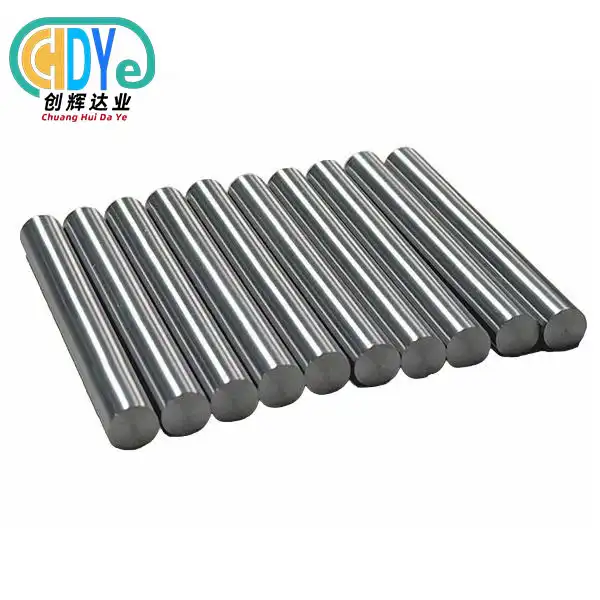
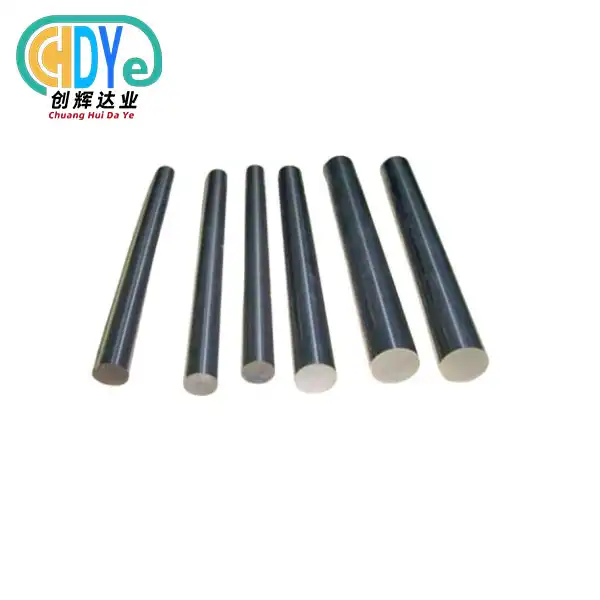
We sell tantalum round bars made of tantalum that are 2 mm to 100 mm wide. AsTM B365 says they should be, and they are. They come in sizes R05200 and R05400. Stock sizes can be sent out quickly (within one to three days), but it takes about 15 working days to make special sizes. Customers have the freedom to make changes to their ideas and still stay on schedule. Besides selling basic items, we also do all kinds of fabrication work, like milling, turning, and threading. Our engineering team works with customers to make sure that the designs of parts get the best performance while keeping the prices of materials as low as possible. This way of consulting helps clients stay within their budgets while still meeting their technical goals.
Conclusion
Because they are hard to work with, tantalum round bars can make heat exchanges last longer. Their ability to fight corrosion, be strong, and stay stable at high temperatures solves the main issues that cause heat exchangers to break down, as well as offering many other useful benefits. Spending money on tantalum parts pays off because they last longer, need less maintenance, and work more reliably. Tantalum is a useful material for moving heat because it has special features, and businesses are always looking for better tools.
FAQ
1. Why does tantalum outperform stainless steel in corrosive environments?
Tantalum forms a stable, self-healing oxide layer that provides superior protection against chemical attack compared to stainless steel's chromium-based passivation. This oxide layer remains stable across a much wider range of chemical conditions, preventing localised corrosion phenomena like pitting and crevice corrosion that commonly affect stainless steel.
2. What are typical lead times for custom versus standard tantalum round bar sizes?
Standard diameter tantalum round bars from stock typically ship within 1-3 days, while custom dimensions require approximately 15 working days for production. Lead times may vary based on specific requirements, order quantities, and current production schedules.
3. Can tantalum round bars be welded and machined effectively?
Yes, tantalum exhibits excellent machinability and can be welded using appropriate techniques. The material can be turned, milled, threaded, and formed using conventional metalworking equipment with proper tooling. Welding should be performed in inert atmospheres to prevent contamination and maintain corrosion-resistant properties.
Partner with Chuanghui Daye for Superior Tantalum Round Bar Solutions
Maximise your heat exchanger performance through our proven tantalum round bar expertise and manufacturing excellence. Shaanxi Chuanghui Daye combines three decades of rare metal industry experience with advanced production capabilities to deliver reliable, high-quality solutions. Our ISO 9001:2015 certified facility ensures consistent quality while our technical team provides comprehensive application support. Contact our tantalum round bar supplier specialists at info@chdymetal.com to discuss your specific requirements and receive competitive pricing for both standard and custom configurations.
References
1. Davis, J.R. "Corrosion Resistance of Refractory Metals in Industrial Applications." Materials Engineering Handbook, 2018.
2. Smith, A.L., Thompson, K.M. "Heat Exchanger Design with Advanced Materials: Performance and Economic Analysis." Industrial Equipment Review, 2019.
3. Johnson, P.R., Williams, C.D. "Tantalum Applications in Chemical Processing Equipment." Chemical Engineering Progress, 2020.
4. Miller, R.K. "Failure Analysis of Heat Exchangers: Material Selection Considerations." Mechanical Engineering Today, 2019.
5. Brown, S.A., Anderson, M.J. "Comparative Study of Refractory Metals in Corrosive Environments." Metallurgical Science Quarterly, 2021.
6. Taylor, D.L., Rodriguez, C.A. "Economic Benefits of Advanced Materials in Heat Transfer Equipment." Process Engineering Journal, 2020.
Learn about our latest products and discounts through SMS or email