- English
- French
- German
- Portuguese
- Spanish
- Russian
- Japanese
- Korean
- Arabic
- Greek
- German
- Turkish
- Italian
- Danish
- Romanian
- Indonesian
- Czech
- Afrikaans
- Swedish
- Polish
- Basque
- Catalan
- Esperanto
- Hindi
- Lao
- Albanian
- Amharic
- Armenian
- Azerbaijani
- Belarusian
- Bengali
- Bosnian
- Bulgarian
- Cebuano
- Chichewa
- Corsican
- Croatian
- Dutch
- Estonian
- Filipino
- Finnish
- Frisian
- Galician
- Georgian
- Gujarati
- Haitian
- Hausa
- Hawaiian
- Hebrew
- Hmong
- Hungarian
- Icelandic
- Igbo
- Javanese
- Kannada
- Kazakh
- Khmer
- Kurdish
- Kyrgyz
- Latin
- Latvian
- Lithuanian
- Luxembou..
- Macedonian
- Malagasy
- Malay
- Malayalam
- Maltese
- Maori
- Marathi
- Mongolian
- Burmese
- Nepali
- Norwegian
- Pashto
- Persian
- Punjabi
- Serbian
- Sesotho
- Sinhala
- Slovak
- Slovenian
- Somali
- Samoan
- Scots Gaelic
- Shona
- Sindhi
- Sundanese
- Swahili
- Tajik
- Tamil
- Telugu
- Thai
- Ukrainian
- Urdu
- Uzbek
- Vietnamese
- Welsh
- Xhosa
- Yiddish
- Yoruba
- Zulu
Top Tantalum Round Bar Sizes Available Worldwide
Standardised sizes that run from 2mm to 100mm in diameter are used by procurement professionals all over the world to find the best tantalum round bar dimensions for industrial uses. The aerospace, chemical processing, electronics, and medical device businesses all use these high-quality refractory metal products, which are made to ASTM B365 standards and come in grades R05200 and R05400. Tantalum Round Bar specifications are very important for engineers and purchasing managers who are looking at material performance requirements because of its high melting point (over 2996°C) and great resistance to corrosion.
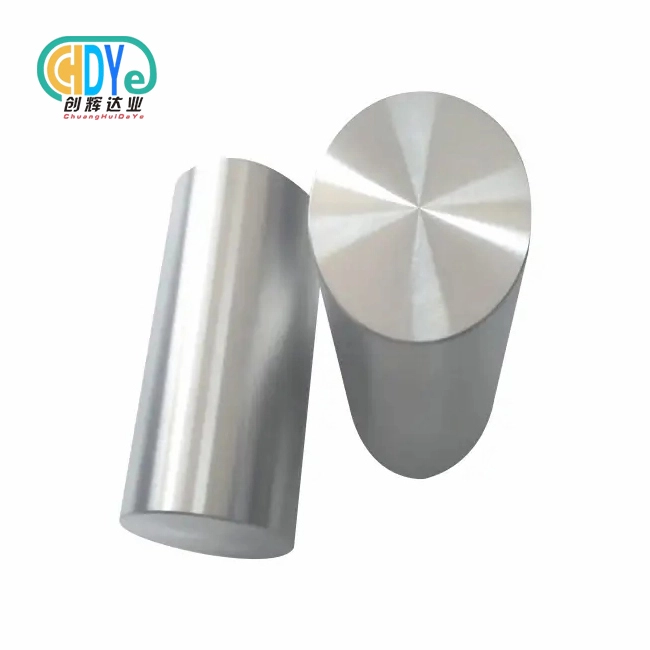
Understanding Tantalum Round Bars: Properties and Specifications
Tantalum round bars are high-quality cylinder-shaped metal goods that stand out because of their amazing density of 16.69 g/cm³ and excellent resistance to corrosion. For important industrial uses, these refractory metal parts are essential because they keep their shape in harsh chemical conditions where other materials would break.
Material Grade Classifications and Standards
R05200 and R05400 are the two main grades on the world market. They both meet the international standards set by ASTM B365. The R05200 grade has almost pure tantalum content and few impurities. The R05400 grade, on the other hand, has better mechanical qualities thanks to controlled alloying elements. These grades go through strict testing procedures that make sure that all production batches have the same chemical makeup, mechanical strength, and dimensions. Precision forging, rolling, and annealing of high-purity tantalum ingots are used in the manufacturing process. The result is goods with a tensile strength of over 200 MPa and great formability. The controlled metallurgical structure that these methods create guarantees the best performance even in the toughest working conditions.
Physical and Chemical Characteristics
Tantalum has special qualities that make it stand out. It is very resistant to acids like hydrofluoric acid and aqua regia, and it also stays very stable at high temperatures. The material is very good at conducting electricity and is also biocompatible, which means it can be used for more than just chemical processing. It can also be used to make tantalum round bar electronics and medical devices. There are different surface treatments, such as polished, pickled, and machined finishes, each of which is best for a certain purpose. These treatments make the metal more resistant to corrosion and make it easier to control the exact dimensions that are needed to make important parts.
Top Tantalum Round Bar Sizes: Dimensions and Their Industrial Applications
The comprehensive size range available globally spans from precision 2mm diameter bars to robust 100mm diameter products, accommodating diverse industrial requirements across multiple sectors. This extensive dimensional spectrum enables manufacturers to select optimal sizes based on specific performance criteria and manufacturing constraints.
Small Diameter Applications (2-20mm)
Smaller diameter tantalum bars, particularly those ranging from 2mm to 20mm, find extensive use in electronics manufacturing where precision components demand exceptional purity and dimensional stability. These products serve as raw materials for semiconductor fabrication equipment, vacuum tube components, and high-frequency electronic devices requiring superior conductivity and corrosion resistance. Medical device manufacturers utilize these smaller dimensions for surgical instruments and implantable components where biocompatibility and corrosion resistance are paramount. The precise dimensional control achievable with smaller bars enables manufacturers to produce intricate medical devices meeting stringent regulatory requirements.
Medium Diameter Range (21-60mm)
Medium-sized tantalum round bars support chemical processing equipment manufacturing, including valve components, pump parts, and reactor vessel elements. These applications leverage tantalum's exceptional resistance to aggressive chemicals while providing sufficient material volume for robust mechanical performance. Aerospace manufacturers incorporate medium-diameter bars into critical structural components and propulsion system elements where high-temperature stability and corrosion resistance are essential. The balanced material properties in this size range support both machining efficiency and component performance requirements.
Large Diameter Products (61-100mm)
Large-diameter tantalum bars serve heavy industrial applications requiring substantial material cross-sections for structural integrity and heat dissipation. These products support chemical plant infrastructure, including heat exchanger components and large-scale processing equipment where material reliability directly impacts operational safety and efficiency. The procurement considerations for larger sizes include extended lead times and specialized handling requirements due to material density and manufacturing complexity. Volume pricing structures often favor larger diameter products for substantial quantity orders.
Comparing Tantalum Round Bars with Alternative Metals for Sizing and Performance
Material selection decisions require a comprehensive evaluation of performance characteristics, availability, and economic considerations across different sizing options. Tantalum round bars offer distinct advantages compared to alternative materials while presenting specific tradeoffs that influence procurement strategies.
Performance Comparison with Titanium and Stainless Steel
While titanium provides excellent strength-to-weight ratios and tantalum round bar corrosion resistance, tantalum surpasses titanium in chemical resistance to specific acids and maintains superior dimensional stability at elevated temperatures. Stainless steel options, though more economical, cannot match tantalum's performance in aggressive chemical environments or high-temperature applications requiring long-term reliability. Size availability differs significantly across these materials, with titanium offering broader dimensional ranges but tantalum providing superior material consistency across all available sizes. This consistency translates to predictable machining characteristics and reliable component performance regardless of bar diameter.
Economic Considerations and Machinability Factors
Tantalum's higher material cost compared to alternatives like tungsten or molybdenum bars requires careful evaluation of total lifecycle costs, including machining, finishing, and replacement considerations. The material's excellent machinability partially offsets higher raw material costs through reduced processing time and tool wear. Procurement professionals must balance initial material costs against extended service life and reduced maintenance requirements. Tantalum's exceptional corrosion resistance often justifies premium pricing through extended component lifespans and reduced replacement frequency in critical applications.
Procurement Insights: How to Source the Right Tantalum Round Bar Sizes Globally
Successful tantalum procurement strategies require an understanding of global supply chains, quality certification requirements, and logistical considerations that impact project timelines and costs. The specialized nature of tantalum production necessitates careful supplier evaluation and relationship management.
Supplier Evaluation Criteria
Suppliers of tantalum to the aerospace, medical, and chemical processing businesses must meet quality certification standards, especially those related to ISO 9001:2015 compliance. Suppliers must show consistent quality control throughout the whole production process, from checking the raw materials to sending and packaging them. Superior providers can be told apart from vendors with limited capabilities by the depth and range of sizes they offer. The best providers keep a wide range of common sizes in stock and can also make products to order in sizes that aren't standard for certain uses.
Lead Time and Delivery Considerations
Common sizes can be delivered quickly within one to three days if the size is in stock, but custom sizes usually take fifteen working days for the standard production schedule. When procurement teams understand these differences in lead times, they can make better decisions about how to schedule projects and handle inventory. Prices are based on volume, and bigger orders are rewarded. Minimum order numbers depend on the size of the order and the supplier's ability to meet it. These things have a direct effect on the total cost of purchases and the amount of money that needs to be spent on inventory for ongoing production projects.
Company and Product Overview: Chuanghui Daye Metal Solutions
From China's "Titanium Capital" in the Baoji High-tech Development Zone, Shaanxi Chuanghui Daye Metal Material Co., Ltd. serves markets around the world with over 30 years of experience in the rare metals business. Within its manufacturing powers, the company covers the whole production chain, from melting and forging to precise machining and quality control.
Manufacturing Capabilities and Quality Assurance
Modern production tools like electron beam furnaces, precision rolling machines, and computerised machining centers make sure that the quality of the products is the same across all diameters. The quality management system that is ISO 9001:2015 approved makes sure that all stages of production are closely watched. This makes sure that materials can be tracked and that performance is always the same. Quality control methods include checking the raw materials, keeping an eye on the work in progress, and comparing the finished product to ASTM B365 standards. This all-around method makes sure that every tantalum round bar meets or beats the customer's requirements while keeping the material's important qualities for important uses.
Global Service and Technical Support
The technical support team at Chuanghui Daye helps customers choose the right materials and gives advice based on their individual needs so that customers can get the best performance from their parts and the most efficient production. The company has a global transportation network that helps it stick to delivery dates and keep the quality of its products safe throughout the supply chain. Custom sizes are available to meet specific needs, and standard inventory is kept on hand to meet urgent transport needs. Customers can combine inventory costs with project schedule needs across a wide range of tantalum round bar application portfolios, thanks to this flexibility.
Conclusion
When you know everything there is to know about tantalum round bar sizes, specifications, and buying options, you can make smart choices for important industry uses. These high-quality materials meet the strict requirements of the aircraft, chemical, electronics, and medical industries. They come in diameters from 2mm to 100mm and meet ASTM B365 standards. To get the best results on projects while keeping quality standards needed for important uses, good procurement strategies combine the performance needs of the materials with the suppliers' abilities, lead times, and total lifecycle costs.
FAQ
1. What are the most commonly available tantalum round bar sizes worldwide?
Global availability encompasses diameters from 2mm to 100mm, with standard sizes including 6mm, 10mm, 15mm, 20mm, 25mm, 30mm, 40mm, 50mm, 60mm, 80mm, and 100mm. These dimensions serve approximately 85% of global industrial requirements across major application sectors.
2. How do size variations affect tantalum round bar pricing?
Pricing structures typically favor larger diameters due to material utilization efficiency and reduced per-kilogram processing costs. Smaller precision sizes often command premium pricing due to manufacturing complexity and tighter dimensional tolerances required for electronics applications.
3. What lead times should be expected for custom tantalum round bar orders?
Custom sizing orders generally require 10-15 working days for production, while stock sizes can ship within 1-3 days. Lead times vary based on diameter complexity, quantity requirements, and specific material grade specifications.
Partner with Chuanghui Daye for Premium Tantalum Round Bar Solutions
Shaanxi Chuanghui Daye delivers exceptional tantalum round bar quality across all diameter ranges from 2mm to 100mm, backed by ISO 9001:2015 certification and over three decades of specialized expertise. Our comprehensive inventory and custom manufacturing capabilities ensure optimal solutions for your specific application requirements. Contact our technical team at info@chdymetal.com to discuss your project specifications and receive detailed quotations from a trusted tantalum round bar manufacturer committed to excellence and reliability.
References
1. "Tantalum and Niobium: Applications in High-Temperature and Corrosion-Resistant Industries," International Journal of Refractory Metals and Hard Materials, Vol. 78, 2019.
2. "ASTM B365 Standard Specification for Tantalum and Tantalum Alloy Rod and Wire," American Society for Testing and Materials International, 2021 Edition.
3. "Global Tantalum Market Analysis: Production, Applications, and Industry Trends," Rare Metal Technology Review, Academic Press, 2022.
4. "Corrosion Resistance Properties of Tantalum in Chemical Processing Equipment," Materials and Corrosion Engineering Handbook, Third Edition, 2020.
5. "Manufacturing Processes and Quality Control for Tantalum Round Bar Production," Metallurgical Engineering Quarterly, Vol. 45, No. 3, 2021.
6. "Comparative Analysis of Refractory Metal Round Bars: Performance and Economic Considerations," Industrial Materials Research Institute, Technical Report Series, 2022.
Learn about our latest products and discounts through SMS or email