- English
- French
- German
- Portuguese
- Spanish
- Russian
- Japanese
- Korean
- Arabic
- Greek
- German
- Turkish
- Italian
- Danish
- Romanian
- Indonesian
- Czech
- Afrikaans
- Swedish
- Polish
- Basque
- Catalan
- Esperanto
- Hindi
- Lao
- Albanian
- Amharic
- Armenian
- Azerbaijani
- Belarusian
- Bengali
- Bosnian
- Bulgarian
- Cebuano
- Chichewa
- Corsican
- Croatian
- Dutch
- Estonian
- Filipino
- Finnish
- Frisian
- Galician
- Georgian
- Gujarati
- Haitian
- Hausa
- Hawaiian
- Hebrew
- Hmong
- Hungarian
- Icelandic
- Igbo
- Javanese
- Kannada
- Kazakh
- Khmer
- Kurdish
- Kyrgyz
- Latin
- Latvian
- Lithuanian
- Luxembou..
- Macedonian
- Malagasy
- Malay
- Malayalam
- Maltese
- Maori
- Marathi
- Mongolian
- Burmese
- Nepali
- Norwegian
- Pashto
- Persian
- Punjabi
- Serbian
- Sesotho
- Sinhala
- Slovak
- Slovenian
- Somali
- Samoan
- Scots Gaelic
- Shona
- Sindhi
- Sundanese
- Swahili
- Tajik
- Tamil
- Telugu
- Thai
- Ukrainian
- Urdu
- Uzbek
- Vietnamese
- Welsh
- Xhosa
- Yiddish
- Yoruba
- Zulu
Can Titanium Alloy Sheet Withstand Extreme Temperatures?
Titanium alloy sheet can withstand extreme temperatures remarkably well. These advanced engineering materials maintain their structural integrity and mechanical properties across a wide temperature range, from cryogenic conditions below -200°C to elevated temperatures exceeding 600°C. The unique crystalline structure and alloying elements in titanium sheets provide exceptional thermal stability, making them indispensable for aerospace, chemical processing, and high-performance industrial applications where temperature extremes would compromise other materials.
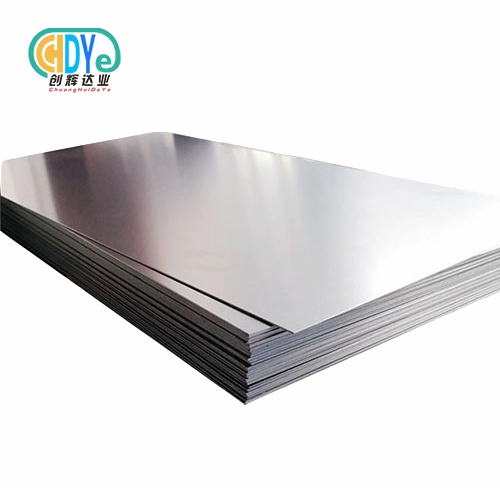
Understanding Titanium Alloy Sheets and Their Temperature Performance
Titanium alloy sheets are complicated metal items that are made to do tough jobs that normal materials can't handle. Titanium is the main metal used to make these sheets, and strong alloying elements have been added to make them much better at what they do. Most of the time, aluminum (which acts as an alpha stabilizer) and vanadium (which acts as a beta stabilizer) are added to Ti-6Al-4V to make it stronger.
Composition and Classification of Common Grades
What titanium metals are used for and how well they work can be seen in how they are grouped. Grade 2 titanium, which is also called "commercially pure titanium," is mostly titanium (99.2%) and not much else. It's easy to shape, and this grade doesn't rust, so it can be used in equipment for handling chemicals that works in low temperatures.
It's much stronger and better able to handle high temperatures because it has about 6% aluminum and 4% vanadium in it (Ti-6Al-4V). The vanadium in the material helps it stay strong and flexible even when it is hot, and the aluminum in the material makes it less likely to rust at high temperatures.
Key Properties for High-Temperature Environments
Even when the temperature changes a lot, titanium metals are still stronger per unit weight than most other materials. At room temperature, the tensile strengths of titanium alloy sheets run from 240 MPa for Grade 2 to over 900 MPa for Grade 5. This strength keeps going even at high temperatures, when most materials break down a lot.
Protecting against corrosion is especially important in places with high temperatures and hard conditions that break down materials quickly. Titanium metals make an oxide layer that is stable and protected. If this layer gets broken, it heals itself. Odors and chemicals can't get through this screen for a long time.
Manufacturing Processes for Enhanced Thermal Performance
Using more modern ways to make titanium sheets makes them much better at handling heat. The first step in making something is vacuum freezing it in an electron beam oven. This gets rid of any flaws and makes sure that the whole thing is made of the same stuff. Particles that could hurt performance at high temperatures don't form because of this managed melting climate.
The final sheet sizes are set by precise rolling processes, which also make the material more thermally stable by creating good grain structures. As the process goes on, controlled cooling rates change the texture. This finds the level of strength and flexibility that works best at room temperature. Different types of heat can change the properties of a substance even more to meet specific temperature needs.
Titanium Alloy Sheets Under Extreme Temperature Conditions: Scientific Insights
Heat, stress, and the growth of titanium metals' microstructures all interact in complex ways when they are subjected to harsh circumstances. If engineers know these connections, they can guess how materials will behave and build systems with the right amount of safety.
Thermal Characteristics and Structural Integrity
It takes 6 to 22 W/m·K of heat to move through titanium metals, including titanium alloy sheet, which is a lot less than what aluminum or copper alloys can do. You can use this trait to protect against heat when you need to, like when you're making heat shields or thermal barriers for use in the air. The low thermal conductivity helps keep the temperatures apart and keeps heat from going to parts that could get damaged.
Titanium metals expand about 8.5 × 10⁻⁶/°C when they get hot, which is half of what stainless steel has. Structures that are restricted don't get thermal stress because they grow more slowly. This helps them keep their shape and keeps them from wearing out from repeated thermal cycles.
Mechanical Properties at Elevated Temperatures
Unlike a lot of other materials, titanium metals stay strong even when they're very hot. At room temperature, grade 5 titanium is still about 80% strong at 300°C. At 500°C, it is still about 60% strong. Aluminum metals lose a lot of their strength above 200°C, so this is better.
Because they are malleable, Ti metals can also handle both high and low temperatures better. A lot of materials get stiff when they get cold, but the titanium alloy sheet gets stronger while still being flexible enough for most uses. Titanium is great for systems that store liquefied gases and for airplanes that need to work at very high altitudes because of this.
Real-World Performance Case Studies
Titanium is useful in many areas, including aircraft, because it can handle high temperatures. Titanium alloy sheet parts used in commercial airplane engines are heated to up to 600°C all the time and go through fast thermal cycles when the plane takes off and lands. For more than 30,000 flying shots, these parts have not broken down because of the heat.
Titanium heat exchanger plates are used in chemical plants with dangerous chemicals and high temperatures. A big oil company said that titanium heat exchangers that worked at 400°C in polluted environments would last 15 years, but stainless steel units that did the same job would only last 3 years.
Titanium Alloy Sheet vs Competing Materials for High-Temperature Use
When picking things to use in high temperatures, you should think about how well they work, how much they cost, and how long they last. Titanium metals have unique properties that help them last longer and need less maintenance, which often makes up for their higher price.
Performance Comparison with Stainless Steel
Most of the time, when temperatures are high, stainless steel is used instead of titanium. It's true that 316L stainless steel is about 60% less expensive than Grade 5 titanium, but its flaws become clear in tough settings. Above 400°C, stainless steel starts to lose a lot of its strength, and stress rust in salty high temperatures makes it easy to break.
The metal sheet made of a titanium alloy sheet stays in shape even when it's very hot, but stainless steel needs thick parts or needs to be changed often. Titanium is more expensive, but the lighter it is, the less it needs to be supported, and the better gas mileage it gets when used in cars often makes up for it.
Advantages Over Aluminum Alloys
Aluminum metals are less expensive and better at moving heat, but they break down badly when heated above 250°C. Aluminum can only be used in certain scenarios since it burns at 660°C. Titanium metals, on the other hand, can withstand temperatures close to 800°C without breaking down.
At room temperature, aluminum is lighter than titanium. However, titanium is harder, so it can have smaller parts that often make the system weigh the same. Tin doesn't rust like metal does, so it's better. This is very important in places like the ocean or chemical processes, where metal needs to be coated to protect it or changed often.
Cost-Benefit Analysis for Industrial Applications
Total cost of ownership calculations frequently favor titanium despite higher initial material costs. A comprehensive analysis includes material cost, fabrication expenses, installation requirements, maintenance schedules, and expected service life. Industries reporting positive return on investment for titanium applications include aerospace, marine systems, chemical processing, and power generation.
It's even clearer how useful lifetime cost is when materials fail in places with very high or low temperatures, where they could stop production or cause safety problems. In harsh thermal conditions, the investment in a titanium alloy sheet is often worth it because it lowers the risks of doing business and the costs of maintenance.
Selecting and Procuring Titanium Alloy Sheets for Extreme Temperature Applications
To buy titanium parts that work, you need to know how to pick the right material, what the seller can do, and what the job calls for. To make sure the quality of titanium casting, suppliers must be carefully looked over, and quality checks must be done.
Optimal Alloy Grade Selection
What kind of titanium metal to use is mostly based on the temperature range that is needed. Titanium Grade 2, which is commercially pure, can be used in places where the temperature is less than 300°C. This kind of titanium is less expensive, can be shaped better, and doesn't rust. When the temperature goes up or when big loads are put on Grade 2, it's easy to see what its limits are.
Grade 5 (Ti-6Al-4V) is the best choice for most high-temperature uses because it is strong and protects well against high temperatures. Up to 500°C, this metal keeps its useful strength, and it doesn't creep as easily when it's hot for a long time. Up to 600°C is useful for types like Ti-6Al-2Sn-4Zr-2Mo that are used in airplanes that need the best performance.
Critical Procurement Factors
Quality certifications become essential when sourcing titanium for temperature-critical applications. ISO 9001:2015 certification ensures consistent manufacturing processes and quality control systems. Material test certificates providing chemical composition, mechanical properties, and grain size data enable verification of suitability for specific temperature requirements.
Lead times for titanium alloy sheet typically range from 6-12 weeks, depending on grade, dimensions, and quantity requirements. Custom processing, such as precision cutting, forming, or special heat treatments, may extend delivery schedules. Early supplier engagement during the design phase helps accommodate these extended timelines and avoid project delays.
Supplier Evaluation and Quality Assurance
People you can trust will keep records that can be used to link finished things to where the raw materials came from and how they were processed. When a material is used in medicine or the military, and the full history of it needs to be known, this level of tracking is very important. To make things easier for their customers, advanced service providers offer extras like custom cutting, making, and heat treatment.
Sample review tools let you see how good an item is before you commit to making a lot of it. You can trust that a material will work well in real life by putting it through mechanical tests, microstructural analyses, and temperature cycle tests.
Future Trends and Innovations in Titanium Alloy Sheet Technology for Elevated Temperatures
Titanium metals keep getting better at what they can do and how they can be used in places where the temperature is very high. The main goals of the study are to find ways to make things cheaper, make processes more efficient, and raise the temperature boundaries.
Advanced Heat Treatment and Alloying Techniques
New ways of treating heat that use controlled cycles of fast heating and cooling make microstructures that are smoother and more stable at higher temperatures. Using these ways instead of old-fashioned ones can make the strength last 15 to 20% longer at high temperatures. You can get the best mechanical properties for a certain range of temperatures and loads when you use beta processing methods.
Now there are new ways to combine that use rare earth elements and intermetallic phases to make the temperature ranges more useful and bigger. Titanium aluminide metals could be useful for long-term tasks that need to be able to handle temperatures above 700°C, but they are hard to make and not widely available right now.
Market Demand Evolution
The aircraft business is still the main source of demand for high-temperature, lightweight materials that are light. The reason for this is that engines need to run hotter to save fuel. The engines of the next generation will be able to work at temperatures 50 to 100°C higher than the ones we have now. This means that better titanium metals that are better will be used more often.
More and more, titanium is being used in car exhaust systems and engine parts because it can work at higher temperatures without polluting. Because more people want to buy electric cars, titanium can be used in battery temperature management systems that need to be good at moving heat and stopping rust.
Digital Procurement and Supply Chain Innovations
These days, buying systems mix real-time inventory data, quality certifications, and shipping tracks to make it easy to find titanium alloy sheet sourcing processes. Blockchain technology lets you keep records that can't be changed. This is legal for a number of important purposes.
Complex titanium parts could be made directly from powder input using additive manufacturing technologies. That way, less trash might be made, and forms might be able to be made that aren't possible with normal sheet forming.
Conclusion
Titanium alloy sheet demonstrates exceptional capability to withstand extreme temperatures while maintaining structural integrity and performance characteristics essential for critical applications. The unique combination of strength retention, corrosion resistance, and thermal stability positions titanium as the optimal material choice for demanding environments where temperature extremes would compromise alternative materials. Understanding the relationship between alloy composition, processing methods, and thermal performance enables informed material selection decisions that balance cost considerations with operational requirements. As technology continues advancing, titanium alloys will likely expand their role in next-generation systems requiring reliable performance under increasingly severe thermal conditions.
FAQ
Q: What is the maximum operating temperature for Grade 5 titanium alloy sheet?
A: Grade 5 titanium alloy sheet can operate continuously at temperatures up to 500°C while maintaining adequate mechanical properties for structural applications. Short-term exposure to temperatures reaching 600°C is possible, though prolonged operation at this level may result in gradual strength reduction and microstructural changes.
Q: How does thermal cycling affect the longevity of titanium sheets?
A: Titanium alloys exhibit excellent thermal fatigue resistance due to their low thermal expansion coefficient and high strength retention across temperature ranges. Most titanium components can withstand thousands of thermal cycles between cryogenic and elevated temperatures without developing fatigue cracks, making them ideal for aerospace and automotive applications involving repeated temperature variations.
Q: Can titanium alloy sheets be used in cryogenic applications?
A: Titanium alloys actually perform better at cryogenic temperatures, increasing in strength while maintaining ductility. This behavior makes titanium excellent for liquefied gas storage systems, aerospace applications, and cryogenic processing equipment where other materials become brittle and prone to failure.
Q: What heat treatment processes improve high-temperature performance?
A: Solution treating followed by aging heat treatments can optimize the microstructure for enhanced temperature stability. Beta annealing processes create microstructures with improved creep resistance for long-term elevated temperature exposure. The specific heat treatment schedule depends on the alloy grade and intended application requirements.
Q: How does thickness affect thermal performance in titanium sheets?
A: Thicker sections may experience thermal gradients that create internal stresses during rapid temperature changes. However, the excellent thermal shock resistance of titanium minimizes this concern compared to ceramic or brittle metallic materials. Proper design consideration of thermal expansion and heat transfer rates ensures optimal performance regardless of sheet thickness.
Partner with Chuanghui Daye for Premium Titanium Alloy Sheet Solutions
Shaanxi Chuanghui Daye stands as your trusted titanium alloy sheet manufacturer, delivering exceptional materials engineered for extreme temperature applications. Our ISO 9001:2015 certified facility in China's "Titanium Capital" combines three decades of rare metal expertise with advanced manufacturing capabilities, including electron beam furnaces and precision rolling equipment. We offer comprehensive grades from Grade 2 to Grade 5 Ti-6Al-4V, complete with full traceability documentation and custom processing services to meet your exact specifications. Contact our technical team at info@chdymetal.com to discuss your high-temperature material requirements and receive expert guidance on optimal alloy selection for your critical applications.
References
1. Donachie, M.J. "Titanium: A Technical Guide, 2nd Edition." ASM International Materials Park, 2000.
2. Leyens, C. and Peters, M. "Titanium and Titanium Alloys: Fundamentals and Applications." Wiley-VCH Verlag, 2003.
3. Boyer, R.R. "An Overview on the Use of Titanium in the Aerospace Industry." Materials Science and Engineering A, Vol. 213, 1996.
4. Lutjering, G. and Williams, J.C. "Titanium Engineering Materials and Processes." Springer-Verlag Berlin Heidelberg, 2007.
5. Peters, M. "Titanium Alloys for Aerospace Applications." Advanced Engineering Materials, Vol. 5, No. 6, 2003.
6. Schutz, R.W. and Thomas, D.E. "Corrosion of Titanium and Titanium Alloys." ASM Handbook Volume 13B Corrosion: Materials, 2005.
Learn about our latest products and discounts through SMS or email