- English
- French
- German
- Portuguese
- Spanish
- Russian
- Japanese
- Korean
- Arabic
- Greek
- German
- Turkish
- Italian
- Danish
- Romanian
- Indonesian
- Czech
- Afrikaans
- Swedish
- Polish
- Basque
- Catalan
- Esperanto
- Hindi
- Lao
- Albanian
- Amharic
- Armenian
- Azerbaijani
- Belarusian
- Bengali
- Bosnian
- Bulgarian
- Cebuano
- Chichewa
- Corsican
- Croatian
- Dutch
- Estonian
- Filipino
- Finnish
- Frisian
- Galician
- Georgian
- Gujarati
- Haitian
- Hausa
- Hawaiian
- Hebrew
- Hmong
- Hungarian
- Icelandic
- Igbo
- Javanese
- Kannada
- Kazakh
- Khmer
- Kurdish
- Kyrgyz
- Latin
- Latvian
- Lithuanian
- Luxembou..
- Macedonian
- Malagasy
- Malay
- Malayalam
- Maltese
- Maori
- Marathi
- Mongolian
- Burmese
- Nepali
- Norwegian
- Pashto
- Persian
- Punjabi
- Serbian
- Sesotho
- Sinhala
- Slovak
- Slovenian
- Somali
- Samoan
- Scots Gaelic
- Shona
- Sindhi
- Sundanese
- Swahili
- Tajik
- Tamil
- Telugu
- Thai
- Ukrainian
- Urdu
- Uzbek
- Vietnamese
- Welsh
- Xhosa
- Yiddish
- Yoruba
- Zulu
Can Titanium Anode Rods Improve Water Quality?
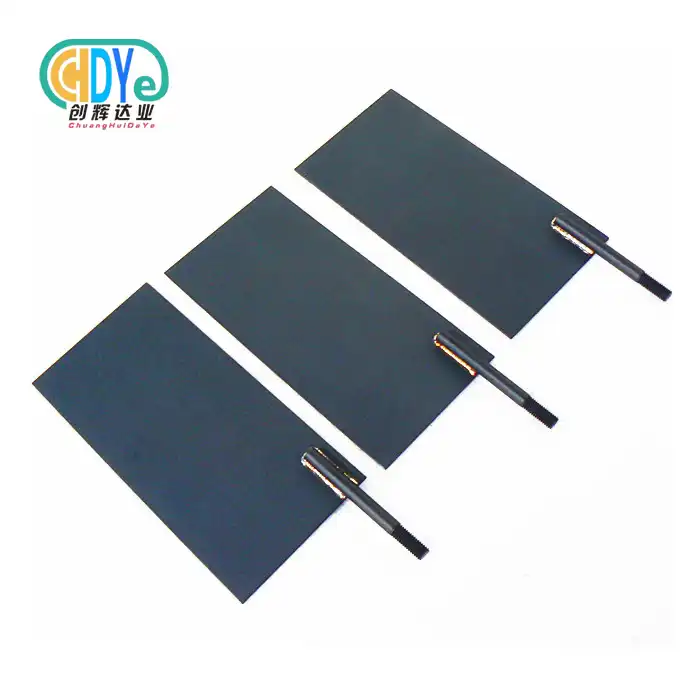
Titanium anode rods do make a big difference in the quality of water by getting rid of hydrogen sulfide smells, lowering the amount of sediment that builds up, and stopping metallic ions from getting into the water. Titanium anode rods use impressed current cathodic protection (ICCP) technology rather than traditional sacrificial anodes, which break down in water and cause sediment to build up. These anodes are stable in terms of size and shape. They have a Grade 1 or Grade 2 titanium base with a mixed metal oxide covering that provides a protected current without breaking down. This electrochemical method keeps water cleaner for longer amounts of time and works reliably for 10 to 20 years in industrial and business settings.
Understanding Titanium Anode Rods and Their Role in Water Quality
Titanium anode rods significantly change how water systems are protected. Usually, magnesium, aluminum, and zinc anodes give up their lives to keep tanks from rusting, but they also add unwanted chemicals to the water supply. This method causes practical problems that purchasing professionals in manufacturing, chemical processing, and local water management are becoming more and more unwilling to accept.
The Electrochemical Advantage of Titanium Protection
Controlled low-voltage electrical current stops chemical processes on tank walls and makes the ICCP system work. During this process, the titanium base stays still because it is covered with active materials like iridium oxide or ruthenium oxide that make it easier for electrons to move. This arrangement keeps the structure's integrity while providing uniform safety in a range of water chemistry situations. The technology solves important problems in managing water quality by getting rid of the food source for sulfate-reducing bacteria. These bacteria produce a smell similar to rotten eggs when they consume melting sacrificial anodes.
Material Composition and Performance Standards
Modern impressed current anodes meet the requirements of ASTM B265 and B348 for products made from titanium. The mixed metal oxide layer is usually between 2 and 10 micrometers thick and was made to work well in settings where oxygen is released, like those found in water heating systems. Unlike passive film formation, which can lower performance in other materials, this covering keeps the anode's electrical activity throughout its service life. Combining these two materials provides them with great rust resistance in acidic and hard water situations where regular anodes fail quickly.
Water Quality Benefits Beyond Corrosion Control
The titanium anode rod fixes many problems with water quality at once. Because it is impenetrable, metallic ions can't get into it and change the color or taste. If metal remains undissolved, dirt will not accumulate at the bottom of tanks. This means less upkeep is needed, and heat transfer efficiency stays the same. This safe security method works especially well for systems that work in places where the pH level changes a lot or where there are a lot of total dissolved solids. This technology is especially useful for solar water heating systems and tanks made of stainless steel, where galvanic compatibility can be difficult to achieve.
Titanium Anode Rods vs. Traditional Anode Rods: Making the Best Choice
To choose the best anode technology, you need to know how different materials work in real-world situations. When making purchases, people need to weigh the initial investment against the overall cost of ownership, taking into account repair schedules, system downtime, and water quality goals.
Performance Comparison Across Key Metrics
In soft water, conventional magnesium anodes break down quickly and usually only last two to four years before they need to be replaced because they are completely gone. Aluminum anodes make their lifespan a little longer, but they leave behind sticky layers that aren't good. Although zinc anodes have a longer lifespan, their performance in harsh water chemicals is not as effective. Titanium anode rods stay the same size for 10 to 20 years, and all that needs to be done is check the power source and electrical lines every so often. This longer operating window greatly lowers upkeep labor costs and eliminates the need for business facilities to shut down production to change anodes.
Economic Analysis and Return on Investment
Traditional disposable anodes cost much less than titanium anode systems when you first buy them. A lifecycle cost study, on the other hand, shows big savings. A factory that replaces magnesium anodes every three years has to pay for the materials, the work, and the possibility of losing production during repair times. Once fixed, a titanium device can protect the same tank for as long as it lasts. More saves come from lower costs for treating water, fewer complaints about smells, and fewer needs for silt removal.
Application Suitability and Water Chemistry Considerations
Different types of water are better for different types of anode devices. Hard water with many minerals speeds up the breakdown of magnesium anodes, but doesn't cause much trouble for titanium systems. With sacrificial anodes, well water that contains sulfur compounds causes smell problems that won't go away, but titanium ICCP systems completely stop bacteria from doing anything. Some common anode materials can become passivated when they come into contact with chlorine-treated municipal water, but mixed metal oxide-covered titanium keeps its activity level. When buying, teams understand these connections, and they can choose the most cost-effective option for their specific working setting.
Installation, Maintenance, and Technical Specifications of Titanium Anode Rods
For titanium anode technology to be used successfully, you must carefully think through and follow the building steps, regular tracking schedules, and specifications. It's helpful for engineering teams to know about the practical elements that ensure the system works well for as long as they use it.
Installation Requirements and Compatibility
Most titanium ICCP systems use standard 3/4-inch NPT threading so they can work with water heater ports that are already in place. The length of the titanium anode rods must be right for the size of the tank. Rods are usually found in lengths between 24 and 44 inches. To install it, you have to take out the old spare anode, put in the titanium rod, and connect the low-voltage power source. Standard 120V AC power is needed for the electrical link. The converter unit changes the voltage to the milliamp-level DC current that is needed for safety. Tanks that don't already have anode ports may need to be changed by a professional, but most business and industrial units already have the right holes in them.
Operational Monitoring and Preventive Maintenance
The power source box usually has LED lights that show the state of the device. Green lighting shows that the safety is working and that the circuit is complete. Red or yellow signs indicate that there might be a problem that needs to be looked into. Electrical connections should be visually checked, warning lights should be checked, and the safety current flow should be tested on a regular basis as part of routine inspection plans. As part of yearly upkeep, the anode may need to be taken off to assess the state of the coating. However, systems that are properly set up rarely show major wear within their rated service life. Testing the chemistry of the water helps ensure that the safety parameters remain within the planned limits.
Technical Specifications for Procurement Documentation
In the request for quote papers, you should list the grade of the base material (ASTM B265 Grade 1 or 2), the type of coating (IrO₂-Ta₂O₅), the required coating thickness, and the projected service life. The general length, threaded section measurements, and rod thickness must all match the layout of the tank. Some electrical factors are the working voltage range, the maximum current flow, and the maximum power usage. Documentation about quality should show ISO 9001:2015 approval, test records for materials, and test results for sealing and bonding. The feature package is full when it comes to safety standards and guarantee terms.
Procurement Guide: Sourcing Titanium Anode Rods Smartly
To strategically source titanium anode rods, you need to carefully evaluate suppliers and have a clear idea of what they can make. Because these goods are so specialized, choosing the right provider is especially important for making sure they work well and are supported in the long run.
Supplier Qualification Criteria
Reliable producers have a lot of experience handling titanium and applying electrolytic coatings. The factory should have everything needed to make things, like machines for cutting titanium rods, tools for cleaning surfaces, systems for applying heat coatings, and a full set of testing tools. Getting certified in quality management proves that you can handle and track the process. Suppliers in areas where titanium is already produced benefit from linked supply lines and technical know-how. It is known around the world as the "Titanium Capital," and the Baoji area in China is where most of the specialized industrial knowledge and advanced processing tools needed to make high-quality anode goods are found.
Evaluating Manufacturing Capabilities and Quality Assurance
A reliable provider keeps the controlled-atmosphere processing equipment up-to-date, needed to make titanium products. This includes electron beam ovens for fine-tuning materials, precision machining centers for accurate measurements, and special systems for applying coatings. Quality control procedures should include checking the raw materials, inspecting the coating as it is being applied, testing the electrical properties of finished anodes, and checking the end sizes. Traceability is important, and documentation packages with material certificates, measures of layer thickness, and electrical performance data are a must. Custom sizes, special finishes, and fast development services make the company more valuable for users who have specific needs.
Logistics and Supply Chain Reliability
Titanium anode rod. For global buying to work, shipping plans and inventory control must be effective. Suppliers who have already established foreign shipping networks cut down on arrival times and problems with customs. Large projects can receive support through bulk orders, and flexible small-batch production can meet R&D needs and test site requirements. Lead time promises should take into account how complicated the manufacturing process is. Standard setups usually take acceptable time frames, but unique specs require longer production windows. Building ties with suppliers who can consistently meet delivery deadlines keeps projects on track and helps with planning repair supplies.
Real-World Impact: Case Studies and Testimonials on Water Quality Improvement
Experience in a number of different industries shows that titanium anode technology does have real benefits. Knowing these real-world results helps buyers guess how their programs will work.
Manufacturing Sector Applications
Due to harsh water chemistry, a chemical processing plant with multiple hot water systems used to change magnesium anodes every three months. Persistent hydrogen sulfide smells made workers uncomfortable, and they needed major changes to the ventilation system. Within weeks of installing titanium ICCP anodes, we completely eliminated comments about smells. The building removed planned maintenance for replacing anodes, which freed up maintenance staff to work on more important projects. After five years of use, the inspection showed that the coating had worn down very little, proving that the 15-year service life would be easily reached.
Food Processing and Municipal Water Systems
Food preparation facilities have tight rules about the quality of their water to keep products from getting contaminated and to ensure that equipment lasts as long as possible. Aluminum anodes that were breaking down were giving the cleaning water at a cheese processing plant a rusty taste. Using titanium anode rods got rid of the source of the contamination and cut the amount of sediment that built up in the heat exchangers by 85%. The longer repair times are especially helpful for municipal water officials who are responsible for big storage tanks because getting to underground or high tanks costs a lot of money. Getting rid of metal contaminants helps meet standards for drinking water quality and lowers the total cost of system care.
Innovation Trends and Future Developments
The performance of titanium anodes in specific applications is still being enhanced by new coating formulas. The goal of research into better catalytic materials is to make them last even longer and work in a wider range of conditions. Integrating with remote tracking systems lets facility managers use predictive repair plans that let them know about possible problems before they affect the water quality. As sustainable infrastructure management becomes more important, titanium anode technology becomes the best option because it uses less material and has less of an effect on the environment when compared to standard sacrificial systems.
Conclusion
The titanium anode rods make the water quality better by getting rid of metallic contaminants, stopping sediment buildup, and getting rid of hydrogen sulfide smell issues for good. Compared to standard sacrificial anodes, the amazing new cathodic protection technology lasts 10 to 20 years without breaking down, requiring a lot less upkeep. Even though titanium systems cost more up front than other choices, they are cheaper over their entire useful life in most industrial and business settings. Professionals in procurement can get a lot out of working with experienced producers who can make a wide range of titanium products and have strong quality management systems and reliable global supply chain networks. Titanium anodes are the best long-term option for protecting water systems because the technology keeps getting better with new layers and tracking tools.
FAQ
Q: Does the improved current system consume significant electricity?
A: Power use stays very low, usually less than 2 kilowatt-hours per year. Standard AC power is changed to milliamp-level DC current by the converter unit, which uses very little energy while keeping safety in place all the time. At this level of usage, running costs are almost the same as they were before.
Q: How can I verify the anode system is functioning properly?
A: The power source box has LED status signs that show whether it is working or not. Green lighting shows that the safety is working and that the power is flowing properly. Red or yellow signs mean that something needs to be fixed, like a circuit being interrupted or too much resistance. Visually checking the links and signal state on a regular basis is enough to keep an eye on things.
Q: What compatibility considerations exist for existing water heater systems?
A: Most business and industrial water heaters can use 3/4-inch NPT threads. The right length of titanium anode rods depends on the size of the tank. Rod lengths usually range from 24 to 44 inches. Gas, electric, and solar heating systems with steel or glass-lined tanks can all work together. Check the thread specs and the amount of room you have for fitting before you place your order.
Q: Why does titanium eliminate water odor problems that sacrificial anodes cannot?
A: During operation, the magnesium and aluminum anodes break down, releasing metal ions that feed bacteria that break down sulfate. The smell of rotten eggs comes from hydrogen sulfide gas, which is made by these bacteria. Titanium anodes don't dissolve or react with anything, so they don't provide any nutrients. Without food, bacterial groups can't stay alive, which gets rid of smell problems for good.
Partner with Chuanghui Daye for Superior Titanium Anode Solutions
Shaanxi Chuanghui Daye makes high-quality impressed current anodes with Grade 1 and Grade 2 titanium plates that are made in our Baoji plant. Our ISO 9001:2015-certified production method makes sure that quality is always the same, from checking the raw materials to testing and packing the finished product. We have all the tools we need to make things, like electron beam ovens, precision machine centers, and advanced finishing application systems. Our engineering team can help with unique sizes, special finishing formulas, and design needs that are specific to an application. Our factory-direct prices are the best way to get the best deal, whether you need standard setups right away or custom-made to solve specific water system problems. Please email our team at info@chdymetal.com to talk about your needs for titanium anode rods with experienced providers who are dedicated to the success of your project.
References
1. Uhlig, H.H. & Revie, R.W. (2008). Corrosion and Corrosion Control: An Introduction to Corrosion Science and Engineering. Wiley-Interscience, Fourth Edition.
2. Baboian, R. (Ed.) (2005). Corrosion Tests and Standards: Application and Interpretation. ASTM International, Second Edition.
3. Revie, R.W. (Ed.) (2011). Uhlig's Corrosion Handbook. John Wiley & Sons, Third Edition.
4. Schütze, M. & Bender, R. (Eds.) (2016). Cathodic Protection: Industrial Solutions for Protecting Against Corrosion. Wiley-VCH.
5. Von Baeckmann, W., Schwenk, W., & Prinz, W. (Eds.) (1997). Handbook of Cathodic Corrosion Protection: Theory and Practice of Electrochemical Protection Processes. Gulf Professional Publishing.
6. Peabody, A.W. & Bianchetti, R.L. (2001). Peabody's Control of Pipeline Corrosion. NACE International, Second Edition.
Learn about our latest products and discounts through SMS or email