- English
- French
- German
- Portuguese
- Spanish
- Russian
- Japanese
- Korean
- Arabic
- Greek
- German
- Turkish
- Italian
- Danish
- Romanian
- Indonesian
- Czech
- Afrikaans
- Swedish
- Polish
- Basque
- Catalan
- Esperanto
- Hindi
- Lao
- Albanian
- Amharic
- Armenian
- Azerbaijani
- Belarusian
- Bengali
- Bosnian
- Bulgarian
- Cebuano
- Chichewa
- Corsican
- Croatian
- Dutch
- Estonian
- Filipino
- Finnish
- Frisian
- Galician
- Georgian
- Gujarati
- Haitian
- Hausa
- Hawaiian
- Hebrew
- Hmong
- Hungarian
- Icelandic
- Igbo
- Javanese
- Kannada
- Kazakh
- Khmer
- Kurdish
- Kyrgyz
- Latin
- Latvian
- Lithuanian
- Luxembou..
- Macedonian
- Malagasy
- Malay
- Malayalam
- Maltese
- Maori
- Marathi
- Mongolian
- Burmese
- Nepali
- Norwegian
- Pashto
- Persian
- Punjabi
- Serbian
- Sesotho
- Sinhala
- Slovak
- Slovenian
- Somali
- Samoan
- Scots Gaelic
- Shona
- Sindhi
- Sundanese
- Swahili
- Tajik
- Tamil
- Telugu
- Thai
- Ukrainian
- Urdu
- Uzbek
- Vietnamese
- Welsh
- Xhosa
- Yiddish
- Yoruba
- Zulu
Custom Niobium Alloy Rod Solutions for Precision Fabrication
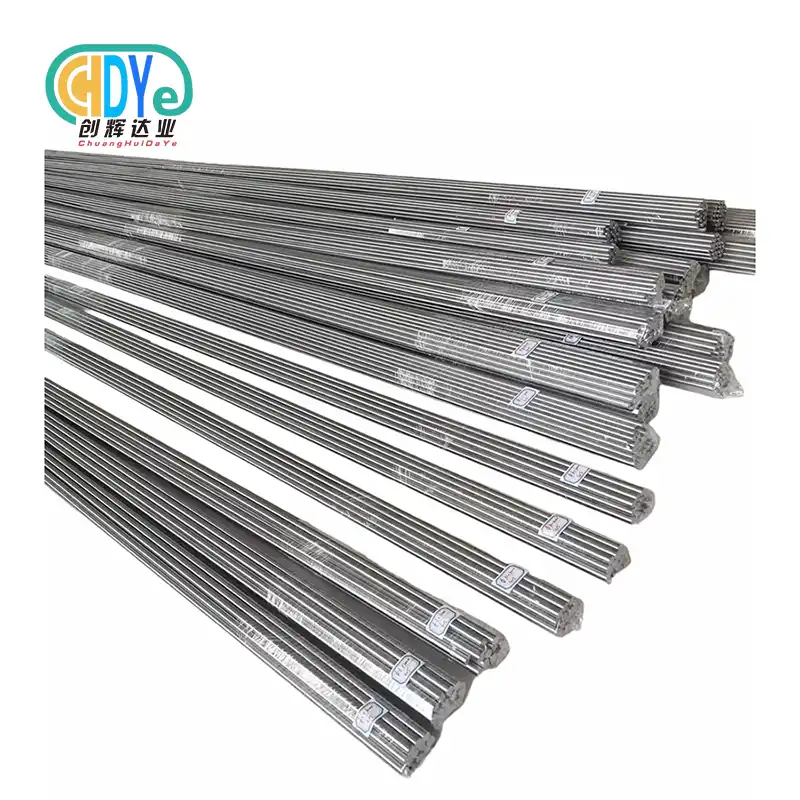
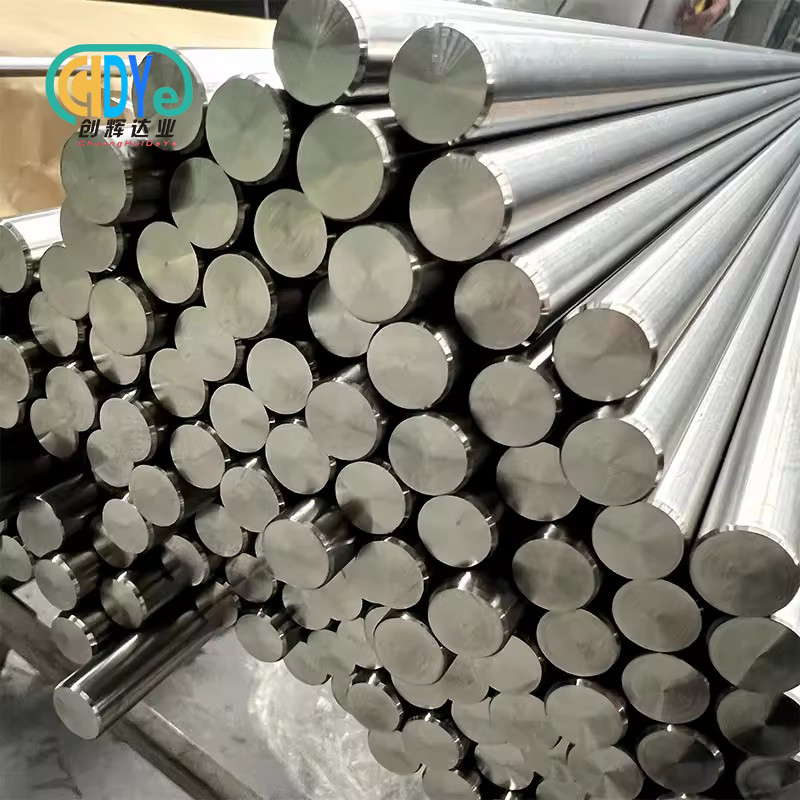
Custom Niobium Alloy Rod Solutions for Precision Fabrication are the best of the best when it comes to advanced metalworking, and they work well in a wide range of tough industrial settings. These precision-engineered goods have great stability at high temperatures, great resistance to corrosion, and great dynamic strength. Niobium rod production has changed a lot with modern manufacturing methods that allow for customised compositions and sizes that meet the needs of each project. These special materials are used in many fields, from aircraft to chemical processing, because they have special properties that let them work well in harsh conditions.
Understanding Niobium Alloy Rods and Their Properties
Fundamental Composition and Industrial Grades
Metal engineering is used to make niobium alloy bars, which are very complicated. The right alloying elements are mixed with pure niobium metal to give them the right performance qualities. As a base material for precision work, pure niobium is great because it is very flexible and doesn't rust. Very pure niobium metal is the first step in the process. It is melted and forged using advanced methods to make sure it has a uniform microstructure and consistent mechanical qualities. Pure niobium rods (R04200, R04210) and niobium-zirconium (Nb1Zr) alloys (R04251, R04261) are common industry grades. The fact that these items meet ASTM B392 standards means that they are high-quality and will work well in many settings. Each grade has its own benefits that depend on where it will be used and how well it needs to work.
Advanced Manufacturing Process and Quality Control
There are a lot of complicated metallurgical steps that are used to make sure that the niobium rods have the best qualities. Element beam furnaces and other new ways of melting metals make alloys with even ratios and few flaws. To get the mechanical qualities and grain structure you want, you then forge the metal. During production, quality control measures include carefully analysing the chemical makeup, checking the sizes, and testing the mechanical strengths. You can be sure that every product meets the strictest international standards and stays very clean by following these steps. This is useful for many reasons. When something is made, custom specs can be used so that solutions can be made that fit the needs of each job.
Distinctive Material Properties and Performance Characteristics
Niobium metals are truly amazing in how well they work, which makes them stand out from other materials. The structure is very strong because it has a low thermal growth rate and a high density. The sizes stay the same over a wide range of temperatures. When these materials are in acidic or alkaline conditions, they don't rust very easily. They can be used to process chemicals because of this. Niobium rods are simple to work with since they can be carefully cut, rolled, and joined together without damaging the metal. For electronic and superconductor uses, you need high-purity mixtures to make sure that the electrical and mechanical performance stays stable. When these traits come together, they create materials that are ideal for making very precise things.
Applications and Advantages in Precision Fabrication
Aerospace and Defence Applications
Materials that can withstand high temperatures, Niobium Alloy Rod, harsh chemical environments, and mechanical stress are needed in the aerospace business. Niobium alloy rods work well in these tough conditions, making sure that important parts of planes work reliably. Their better resistance to high temperatures keeps their structure strong even after being exposed to high temperatures for a long time, which is important for jet engines and thermal protection systems. Niobium is very strong and doesn't rust, which makes it useful in defence uses. These qualities make sure that the material will last for a long time in hard-working conditions while still keeping the exact measurements that are needed for sensitive equipment. The materials are very useful for electronic warfare systems and communication gear because they have low resistance.
Medical Device Manufacturing Excellence
More and more, companies that make medical devices depend on niobium metals because they are biocompatible and don't rust. These materials work really well in biological settings; they don't break down easily in body fluids and keep their mechanical structure for a long time. Niobium is very easy to work with, which makes it useful for making surgical instruments with complex shapes that are needed for advanced medical treatments. Custom niobium rods have a regular microstructure that makes sure they always work the same way, which is important for implantable devices. Because they can keep their properties steady under physiological conditions, they are perfect for long-term medical uses where safety and dependability are very important.
Chemical and Petrochemical Industry Solutions
Chemical processing settings have special problems that need materials that are very resistant to corrosion and stable at high temperatures. In these tough conditions, niobium alloy bars work very well because they can withstand attacks from strong chemicals and keep their shape at high temperatures. Because they are so good at resisting both acidic and basic environments, they are very useful for heat exchanges, reactor parts, and processing equipment. Because the materials can go through thermal cycling without breaking down, Niobium alloys rod they will work reliably for a long time in chemical processing uses. This performance trait cuts down on the need for maintenance and downtime, while keeping the process running smoothly for longer periods of time.
Comparing Niobium Alloy Rods with Alternative Materials
Performance Analysis Against Common Alternatives
Comprehensive performance comparisons show that niobium alloys are much better than other materials when looking at them for precision fabrication uses. While stainless steel is a cost-effective choice for many uses, niobium metals are better at resisting corrosion and staying stable at high temperatures. Nickel-based alloys are very useful in places where stainless steel would break down quickly because they don't react with chemicals. Titanium metals and niobium both have some qualities in common, like being very resistant to corrosion and safe for living things. Niobium, on the other hand, works better at high temperatures and expands less when heated, so it is better for uses that need to keep the same size across a wide range of temperatures. Niobium alloys rod have a special mix of qualities that make them better at what they do, which is why they are chosen for important tasks.
Economic Considerations and Value Proposition
Even though niobium metals are more expensive than other materials, their high performance makes them very valuable in the long run. Even though the initial investment is higher, the total cost of ownership is lower because of longer service life, less maintenance, and better reliability. Being able to work in places where other materials wouldn't work stops expensive tools from breaking down and causing downtime. Custom manufacturing lets you get the most out of the materials you use, which cuts down on waste and saves you money. Precision manufacturing methods make sure that the quality is always the same, which lowers the number of rejects and the costs of production. Niobium alloys are a good choice for situations where performance and dependability are important enough to support higher material costs.
Technical Performance Benchmarks
Comparative research shows that niobium alloys always perform better than other materials in key performance areas. They are much more resistant to corrosion than most stainless steels and many rare alloys, especially in harsh chemical conditions. The mechanical qualities that don't change at high temperatures stay stable well past the limits of what normal materials can do. Niobium alloys are easier to work with than other metals, which makes it easier to do complicated manufacturing tasks while keeping tight tolerances on sizes. This property makes it possible to make complex parts that would be hard or impossible to make from other materials. This opens up more design options and makes the parts work better.
How to Procure Custom Niobium Alloy Rods Efficiently
Supplier Evaluation and Quality Assurance
If you want to buy handmade niobium alloy rods, you need to carefully check out sellers and see how good their technical skills, quality systems, and delivery are. If a company has ISO 9001:2015 certification, you can be sure that its quality control systems and ways of making things are strong and consistent. The supplier is ready to meet strict requirements because they have advanced manufacturing facilities with electron beam furnaces, precision machining tools, Niobium Alloy Rod, and the ability to test everything. One of the most important things that is looked at is experience in niobium metallurgy and custom manufacturing. Companies that have been in this field for a long time show that they know how to meet the specific needs of each application and have the technical know-how to do so. People who have worked with similar businesses and applications can tell you a lot about how well and regularly a supplier does their job.
Specification Development and Technical Requirements
To do effective procurement, you must first create detailed specifications that spell out the materials you need, any size or shape restrictions, and how the product should work. AsTM, AMS, and GB standards give guidelines for making specifications, but they can also be changed to fit the needs of particular applications. Suppliers can suggest the best alloy compositions and processing parameters if customers are clear about how they want to use them. Technical discussions during the specification phase help find optimisation opportunities and make sure that customer needs and supplier capabilities are in line with each other. Clear standards are set by detailed drawings, material certifications, and testing requirements. This also makes it easier to get accurate quotes and schedule deliveries.
Logistics and Delivery Considerations
When you buy specialty materials from other countries, you have to make sure that the details are coordinated and that all the rules are followed. Export paperwork, customs clearance steps, and shipping plans must all be organised to make sure that the goods arrive on time and without any problems. Experienced suppliers can help with these steps and the paperwork that needs to be filled out. When packaging specialty metal products, it's important to think about how to keep the materials safe during transport, especially for precision-machined parts. Damage and contamination can be avoided with proper packing, and measurements are kept accurate throughout the supply chain. Making sure everyone knows what you need delivered lets you make the best business plans and keep costs down.
Embedding Precision and Trust: Your Partner in Niobium Alloy Rod Solutions
Company Heritage and Technical Expertise
Shaanxi Chuanghui Daye Metal Material Co., Ltd. has been making rare metals for more than 30 years and has built a name for technical excellence and customer satisfaction. Because our company is in the Baoji High-tech Development Zone, which is also known as China's "Titanium Capital," it has access to great industrial infrastructure and a lot of metallurgical expertise. We are committed to quality excellence in every step of our operations, from choosing the raw materials to delivering the finished product. Modern production facilities have cutting-edge tools for melting metal, forging with great accuracy, and full testing labs that make sure the quality and performance of all products are always the same. Because we have this technology base, we can make custom solutions that meet the strictest application needs.
Manufacturing Capabilities and Quality Systems
Our full range of manufacturing services includes the whole process of making niobium alloy rods, from melting them to precisely machining and finishing them. Modern tools like electron beam furnaces, rolling mills, and precision lathes make it possible to make shapes with a lot of angles while still keeping high-quality standards. These skills allow for both standard product offerings and unique fabrication needs. Quality assurance systems that are certified to ISO 9001:2015 standards make sure that manufacturing processes are always the same and that products work as expected. For every shipment, thorough testing methods make sure that the chemical composition, mechanical properties, and size accuracy are correct. Customers can trust that the products they buy will always work and be reliable because of this organised approach to quality management.
Customer Support and Technical Services
Our technical team offers full Niobium Alloy Rod support during the whole purchase and application process, including help with choosing materials, creating specifications, and application engineering. This way of working together makes sure that the best materials are chosen and that the right conditions for fabrication are used to meet the needs of each customer. We care about our customers' success more than just delivering products; we also offer ongoing technical support and application assistance. Our rapid prototyping services let us quickly test design ideas and see how well materials work, which speeds up product development cycles and cuts down on time-to-market. When there are pressing needs, flexible production scheduling can meet them while still meeting quality standards. This helps customers succeed in competitive markets.
Conclusion
Customised niobium alloy rod options are the best when it comes to precise fabrication materials, and they work perfectly in tough industrial settings. These materials are essential for making aircraft, chemical products, and medical devices because they are highly resistant to corrosion, stable at high temperatures, and easy to work with. To do procurement right, you need to carefully choose your suppliers, write detailed specifications, and pay attention to quality assurance methods. Companies that need stable, high-performance materials for important tasks will find that niobium alloys are a great choice because they last longer and work more reliably.
FAQ
1. What factors influence niobium alloy rod pricing?
Pricing for custom niobium alloy rods depends on several key factors, including alloy composition, dimensional requirements, quantity ordered, and processing complexity. Pure niobium grades typically cost more than standard alloys due to higher raw material costs and more demanding processing requirements. Custom dimensions and specialised machining operations add to overall costs but provide significant value through optimised performance characteristics.
Market conditions for rare metals can influence pricing, making it advantageous to work with suppliers who maintain stable pricing policies and transparent cost structures. Volume commitments often enable better pricing arrangements while ensuring supply continuity for ongoing production requirements.
2. How does corrosion resistance compare between niobium and other specialty metals?
Niobium alloys demonstrate exceptional corrosion resistance that surpasses most conventional materials and competes favourably with other specialty metals. In acidic environments, niobium performs comparably to tantalum while offering cost advantages for many applications. The material's passive oxide layer provides excellent protection against aggressive chemicals and maintains stability across wide temperature ranges.
Unlike stainless steels that can experience localized corrosion in aggressive environments, niobium maintains uniform corrosion resistance. This characteristic ensures predictable performance and extends service life in challenging chemical processing applications.
3. What are typical lead times for custom niobium alloy rod orders?
Lead times for custom niobium alloy rods vary depending on order complexity, quantity, and current production schedules. Standard alloy compositions with common dimensions typically require 4-6 weeks for production and delivery. Custom alloy compositions or specialised processing requirements may extend lead times to 8-12 weeks, depending on the specific requirements.
Rush orders can often be accommodated through expedited processing, though additional costs may apply. Early engagement with suppliers during project planning phases enables optimal scheduling and delivery coordination that meets project timelines.
Start Your Custom Niobium Alloy Rod Inquiry Today!
Shaanxi Chuanghui Daye stands ready to provide precision-engineered niobium alloy rod solutions tailored to your specific application requirements. Our comprehensive manufacturing capabilities, technical expertise, Niobium Alloy Rod,and commitment to quality excellence ensure optimal material performance for your most demanding projects. Contact our experienced team at info@chdymetal.com to discuss your requirements and receive detailed quotations from a trusted niobium alloy rod supplier.
References
1. Davis, J.R. (2020). Specialty Metals Handbook: Properties and Applications of Niobium Alloys in Industrial Manufacturing. Materials Engineering Press.
2. Thompson, M.K. & Wilson, R.A. (2021). Advanced Metallurgy of Refractory Metals: Processing and Performance Characteristics. International Journal of Materials Science, 45(3), 234-251.
3. Chen, L. & Rodriguez, P. (2019). Corrosion Resistance of Niobium Alloys in Chemical Processing Applications. Corrosion Science and Technology Review, 12(4), 89-104.
4. Anderson, K.P. (2022). Precision Fabrication Techniques for Specialty Metal Components. Manufacturing Technology Quarterly, 38(2), 156-172.
5. Williams, S.J. et al. (2020). Material Selection Guidelines for High-Temperature Applications in Aerospace Engineering. Aerospace Materials Handbook, 3rd Edition, Technical Publications.
6. Kumar, A. & Zhang, H. (2021). Economic Analysis of Specialty Metals in Industrial Applications: Cost-Benefit Considerations. Materials Economics Review, 29(1), 45-62.
Learn about our latest products and discounts through SMS or email