- English
- French
- German
- Portuguese
- Spanish
- Russian
- Japanese
- Korean
- Arabic
- Greek
- German
- Turkish
- Italian
- Danish
- Romanian
- Indonesian
- Czech
- Afrikaans
- Swedish
- Polish
- Basque
- Catalan
- Esperanto
- Hindi
- Lao
- Albanian
- Amharic
- Armenian
- Azerbaijani
- Belarusian
- Bengali
- Bosnian
- Bulgarian
- Cebuano
- Chichewa
- Corsican
- Croatian
- Dutch
- Estonian
- Filipino
- Finnish
- Frisian
- Galician
- Georgian
- Gujarati
- Haitian
- Hausa
- Hawaiian
- Hebrew
- Hmong
- Hungarian
- Icelandic
- Igbo
- Javanese
- Kannada
- Kazakh
- Khmer
- Kurdish
- Kyrgyz
- Latin
- Latvian
- Lithuanian
- Luxembou..
- Macedonian
- Malagasy
- Malay
- Malayalam
- Maltese
- Maori
- Marathi
- Mongolian
- Burmese
- Nepali
- Norwegian
- Pashto
- Persian
- Punjabi
- Serbian
- Sesotho
- Sinhala
- Slovak
- Slovenian
- Somali
- Samoan
- Scots Gaelic
- Shona
- Sindhi
- Sundanese
- Swahili
- Tajik
- Tamil
- Telugu
- Thai
- Ukrainian
- Urdu
- Uzbek
- Vietnamese
- Welsh
- Xhosa
- Yiddish
- Yoruba
- Zulu
Niobium Alloy Rod Material Properties You Need to Know
Understanding the critical properties of niobium alloy rods is essential for procurement professionals seeking high-performance materials for demanding industrial applications. These specialised rods combine exceptional strength, corrosion resistance, and thermal stability, making them indispensable across aerospace, chemical processing, electronics, and medical device manufacturing sectors. The unique material properties of niobium alloy rods enable superior performance in extreme environments where conventional metals fail, delivering long-term reliability and cost-effectiveness for critical engineering projects.
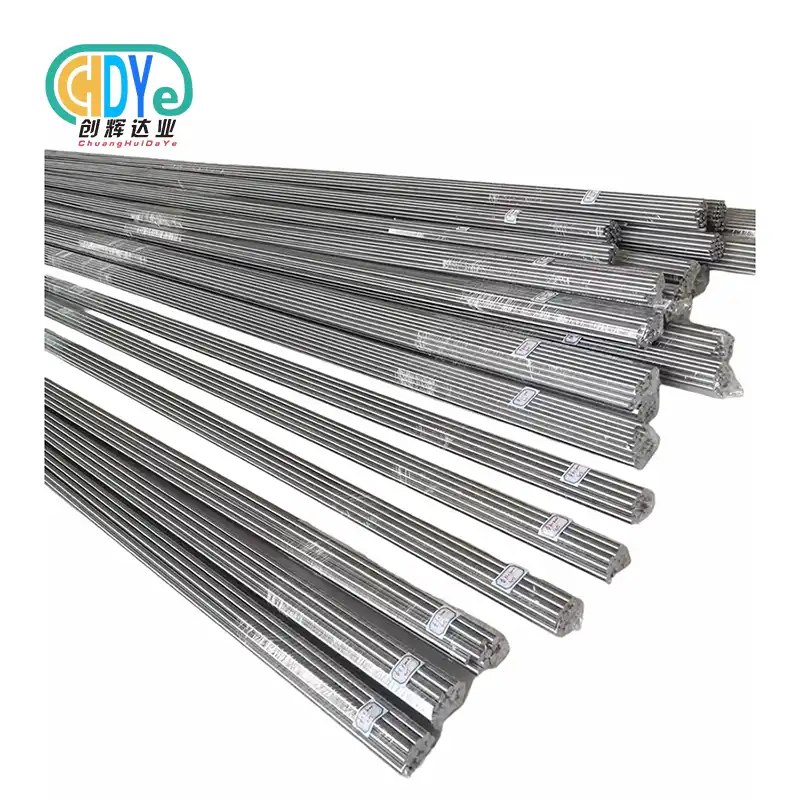
Understanding Niobium Alloy Rods: Composition and Key Properties
Niobium alloy rods are made of an advanced group of materials that were designed to meet the strictest needs of industry. These high-performance bars are mostly made up of niobium metal mixed with carefully chosen alloying elements that improve certain performance traits.
Chemical Composition and Alloying Elements
The chemicals that make up a niobium metal rod are the building blocks of any good one. Grades R04200 and R04210 of pure niobium rods have at least 99.9% niobium in them, which guarantees their high purity and consistent performance. But alloyed versions have metals like zirconium, titanium, hafnium, nickel, and tungsten added to them in a planned way to improve certain properties. One of the most important types for business is niobium-zirconium alloys (Nb1Zr grades R04251 and R04261). Adding about 1% zirconium makes the material much stronger and less likely to creep, while still letting it be very flexible. Because of this mix, Nb1Zr alloys are very useful for building structures at high temperatures in the nuclear and aircraft industries.
Mechanical Properties and Performance Characteristics
Niobium alloy bars are different from other building materials because of how they are made mechanically. When they are annealed, these rods have a very high tensile strength, usually between 200 and 400 MPa. They can reach even higher strengths by cold working them. The material is very flexible, so it can be shaped in complicated ways without cracking or breaking. The most important thing that sets niobium alloys apart is that they keep their mechanical qualities at high temperatures. Many metals lose their strength quickly as the temperature rises, but niobium stays strong well above 1000°C. Because they are thermally stable and don't expand or contract much, these rods are perfect for precise uses that need to keep their shape over a wide range of temperatures.
Corrosion Resistance and Chemical Compatibility
Niobium alloy rods are very strong against acids, such as hydrochloric, sulphuric, and nitric acids in different amounts. This amazing corrosion resistance comes from the building of niobium alloy rods with a protective oxide layer that stops any further chemical attack. Niobium alloys have a surface that stays strong even in harsh chemical conditions, while stainless steels can get pitting or crevice corrosion.
Applications and Benefits of Niobium Alloy Rods in Industry
Nickel alloy rods are important in many high-tech fields because they have a special mix of qualities that make them stand out. Knowing about these uses helps people who work in procurement understand how valuable these things are.
Aerospace and Defence Applications
Niobium alloy rods are very important in aircraft uses because they are used in jet engine parts, rocket nozzles, and high-temperature structural elements. Materials that can handle high temperatures, oxidising environments, and mechanical stress are needed in the aerospace business. Niobium alloys work really well in these situations because they keep their shape when other materials would break. Niobium has a high melting point (2477°C) and is resistant to thermal shock. This makes it very useful for parts that are subject to sudden changes in temperature. Niobium alloy bars are used by engine makers to make precise brackets, supports, and special fasteners that need to work well through thousands of thermal cycles.
Chemical Processing and Industrial Equipment
Chemical processing facilities utilise niobium alloy rods extensively for constructing reaction vessels, heat exchangers, and piping systems handling corrosive media. The material's immunity to most chemical attacks eliminates the need for protective coatings or frequent replacements, reducing maintenance costs and improving operational reliability. Processing equipment manufacturers particularly value niobium's compatibility with both acidic and alkaline environments. This versatility allows for the design of multi-purpose systems capable of handling various chemical processes without material compatibility concerns.
Electronics and Semiconductor Manufacturing
The electronics industry leverages niobium alloy rods in high-temperature furnace components, vacuum chamber elements, and specialised electrodes. The material's low electrical resistivity and stable electrical properties at elevated temperatures make it essential for semiconductor processing equipment. Superconductor applications represent another critical use case, where niobium's unique properties enable the creation of high-performance magnetic systems for research and industrial applications. The combination of superconducting properties and mechanical workability makes niobium alloys irreplaceable in this specialised field.
Comparing Niobium Alloy Rods with Alternative Materials
Procurement decisions often involve comparing niobium alloys against other high-performance materials. Understanding these comparisons enables informed material selection based on specific application requirements and cost considerations.
Niobium vs. Titanium Alloys
While titanium alloys offer excellent strength-to-weight ratios and corrosion resistance, niobium alloys surpass them in high-temperature applications and chemical resistance. Titanium's maximum service temperature is typically limited to 600°C, whereas niobium maintains performance well above 1000°C. However, niobium alloy rods' titanium's lower density makes it preferable for weight-critical applications where temperature requirements are moderate.
Niobium vs. Tantalum
Tantalum shares many properties with niobium, including excellent corrosion resistance and high-temperature performance. However, niobium offers significant cost advantages while providing comparable performance in most applications. The similar chemical properties of these materials often make niobium a cost-effective substitute for tantalum in applications where the marginal performance differences are not critical.
Niobium vs. Stainless Steel and Superalloys
Conventional stainless steels and even advanced superalloys cannot match niobium's combination of chemical resistance and high-temperature stability. While these materials may offer lower initial costs, the superior performance and longevity of niobium alloys often result in lower total cost of ownership through reduced maintenance and replacement requirements.
Quality Assurance and Procurement Considerations
To buy niobium alloy rods successfully, you need to know about quality standards, testing procedures, and factors for judging suppliers. Material efficiency and project success are directly affected by these factors.
International Standards and Specifications
International standards like ASTM B392 say what chemicals are in niobium alloy rods of good quality, as well as their mechanical qualities and size tolerances. Following these rules makes sure that the quality of the materials and their performance are the same across all suppliers and output lots. Based on the needs of the product, extra rules from groups like AMS (Aerospace Material Specifications) and GB (Chinese National Standards) may be needed. To meet these high standards, people who work in procurement should make sure that sellers keep their certifications and testing tools up to date.
Testing and Quality Control Protocols
Niobium alloy rods have full quality control plans that include testing their mechanical properties, looking at their chemical makeup, and checking the quality of their surfaces. Advanced methods like X-ray fluorescence spectroscopy prove the elements' make-up, and tensile testing confirms the material's mechanical properties. Inspection of the surface finish makes sure that there are no flaws that could affect performance or machining processes.In the medical and aerospace fields, where material pedigree needs to be kept up to date throughout the supply chain, traceability paperwork is very important. Suppliers should give full certification packages that include inspection reports, heat treatment records, and mill test certificates.
Supplier Selection and Evaluation
To pick the right supplier, you need to look at their technical skills, quality processes, and how well they deliver. Systematic quality management is guaranteed by ISO 9001:2015 certification, while aircraft quality capability is shown by certifications like AS9100. Equipment for melting, forging, and machining should all be looked at as part of a manufacturing capability review. Advanced factories with electron beam furnaces, controlled atmosphere processing, and precision machining usually make goods of the highest quality and consistency in their properties.
Chuanghui Daye: Your Trusted Niobium Alloy Rod Supplier
Shaanxi Chuanghui Daye Metal Material Co., Ltd. is one of the best places in China to find high-quality niobium alloy bars. It is in the Baoji High-tech Development Zone, which is known as the "Titanium Capital." Our company makes high-quality niobium alloy goods by combining over 30 years of experience in the rare metals business with cutting-edge manufacturing tools. Pure niobium bars (R04200, R04210) and special alloys like Nb1Zr (R04251, R04261) are among our many products. They are all made according to ASTM B392 standards. Modern technologies for melting and forging make sure that every bar we make is very pure, strong, niobium alloy rods and resistant to corrosion.
The company's ISO 9001:2015 approval shows that we are dedicated to quality throughout the whole production process. From checking the raw materials to the final packing, every step is subject to strict quality control to make sure that the product always works well and is reliable. Our production skills cover all kinds of niobium alloys, such as those made from zirconium, hafnium (C103), nickel, tungsten, and titanium. Custom sizes and processing services can be used to meet the specific needs of each project, and they can be used for both regular tasks and new engineering ideas. Chuanghui Daye's dedication goes beyond just making things; they also offer full technical help and consultation services. Our experienced team works closely with customers to find the best materials, processing settings, and application strategies. This way, we can make sure that the products work perfectly in harsh conditions.
Conclusion
Rods made of niobium alloy are an important material option for industries that need to work well in harsh conditions. Because they are stable at high temperatures, don't rust, and have good mechanical qualities, they are essential for uses in aerospace, chemical processing, electronics, and medicine. Knowing these things about the materials lets you make smart buying choices that improve both efficiency and cost-effectiveness. To fully gain from these advanced materials, implementation must be done correctly, including choosing the right supplier, adhering to quality standards, and using the right application engineering.
FAQ
1. What makes niobium alloy rods superior for high-temperature applications?
Niobium alloy rods excel in high-temperature environments due to their exceptional thermal stability and resistance to oxidation. With a melting point of 2477°C and the ability to maintain mechanical properties above 1000°C, these rods outperform most conventional metals. The low thermal expansion coefficient ensures dimensional stability during thermal cycling, making them ideal for precision applications in extreme temperature conditions.
2. How do I choose between niobium and titanium alloy rods for my application?
The choice between niobium and titanium alloy rods depends on specific application requirements. Niobium offers superior high-temperature performance and chemical resistance, making it ideal for temperatures above 600°C and corrosive environments. Titanium provides better strength-to-weight ratios for applications where weight reduction is critical, and temperatures remain moderate. Consider factors such as operating temperature, chemical exposure, weight constraints, and cost when making this decision.
3. What certifications should I look for when selecting a niobium alloy rod supplier?
Essential certifications include ISO 9001:2015 for quality management systems and compliance with industry standards such as ASTM B392. For aerospace applications, AS9100 certification is highly valuable. Additionally, verify that suppliers can provide complete material traceability documentation, mill test certificates, and have appropriate testing capabilities, including chemical analysis and mechanical property testing equipment.
Partner with Chuanghui Daye for Premium Niobium Alloy Rod Solutions
Shaanxi Chuanghui Daye Metal Material Co., Ltd. invites industry professionals to experience the superior quality and reliability of our niobium alloy rod products. As an established niobium alloy rod manufacturer with ISO 9001:2015 certification, we provide comprehensive solutions from standard grades to custom specifications tailored to your exact requirements.
Our expert team stands ready to support your procurement needs with technical consultation, rapid quotations, and flexible delivery options. Contact us at info@chdymetal.com to discuss your specific application requirements and discover how our high-performance niobium alloy rods can enhance your project success. Join leading aerospace, chemical processing, niobium alloy rods and electronics companies that trust Chuanghui Daye for their critical material needs.
References
1. Davis, J.R., ed. "Speciality Handbook: Refractory Metals and Alloys." ASM International Materials Park, Ohio, 1993.
2. Shields, J.A. "Applications of Molybdenum Metal and Its Alloys." International Molybdenum Association Technical Report, London, UK, 2013.
3. Boyer, R., Welsch, G., and Collings, E.W. "Materials Properties Handbook: Titanium Alloys." ASM International, Materials Park, Ohio, 1994.
4. American Society for Testing and Materials. "ASTM B392-20: Standard Specification for Niobium and Niobium Alloy Ingots." ASTM International, West Conshohocken, PA, 2020.
5. Aggarwal, G., and Smialek, J.L. "High Temperature Oxidation Behaviour of Niobium Alloys." NASA Technical Memorandum 106793, Cleveland, Ohio, 1995.
6. International Organisation for Standardisation. "ISO 9001:2015 Quality Management Systems - Requirements." International Organisation for Standardization, Geneva, Switzerland, 2015.
Learn about our latest products and discounts through SMS or email