- English
- French
- German
- Portuguese
- Spanish
- Russian
- Japanese
- Korean
- Arabic
- Greek
- German
- Turkish
- Italian
- Danish
- Romanian
- Indonesian
- Czech
- Afrikaans
- Swedish
- Polish
- Basque
- Catalan
- Esperanto
- Hindi
- Lao
- Albanian
- Amharic
- Armenian
- Azerbaijani
- Belarusian
- Bengali
- Bosnian
- Bulgarian
- Cebuano
- Chichewa
- Corsican
- Croatian
- Dutch
- Estonian
- Filipino
- Finnish
- Frisian
- Galician
- Georgian
- Gujarati
- Haitian
- Hausa
- Hawaiian
- Hebrew
- Hmong
- Hungarian
- Icelandic
- Igbo
- Javanese
- Kannada
- Kazakh
- Khmer
- Kurdish
- Kyrgyz
- Latin
- Latvian
- Lithuanian
- Luxembou..
- Macedonian
- Malagasy
- Malay
- Malayalam
- Maltese
- Maori
- Marathi
- Mongolian
- Burmese
- Nepali
- Norwegian
- Pashto
- Persian
- Punjabi
- Serbian
- Sesotho
- Sinhala
- Slovak
- Slovenian
- Somali
- Samoan
- Scots Gaelic
- Shona
- Sindhi
- Sundanese
- Swahili
- Tajik
- Tamil
- Telugu
- Thai
- Ukrainian
- Urdu
- Uzbek
- Vietnamese
- Welsh
- Xhosa
- Yiddish
- Yoruba
- Zulu
Durable Titanium Plate for Structural Engineering Projects
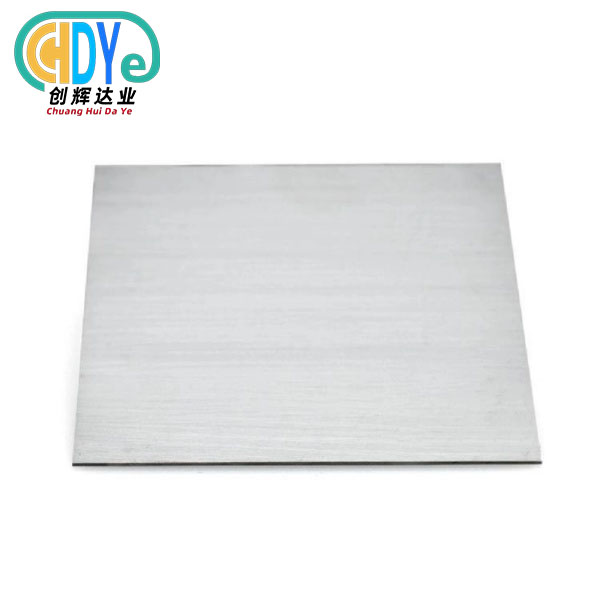
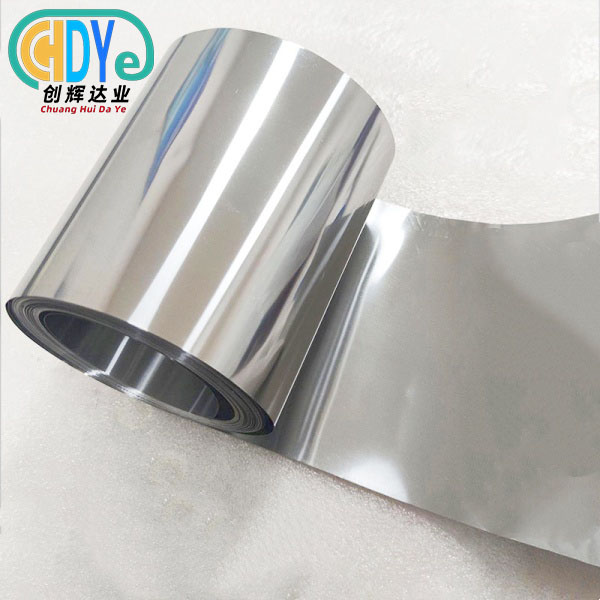
For structure projects that need to work at the highest level, durable titanium plate solutions are the pinnacle of engineering excellence. These flat goods were carefully designed and manufactured to have high strength-to-weight ratios and excellent corrosion protection. This makes them essential for use in aerospace, naval, and industrial settings. Advanced hot rolling and annealing methods are used to make solid titanium plates that work reliably in the toughest conditions where other metals fail.
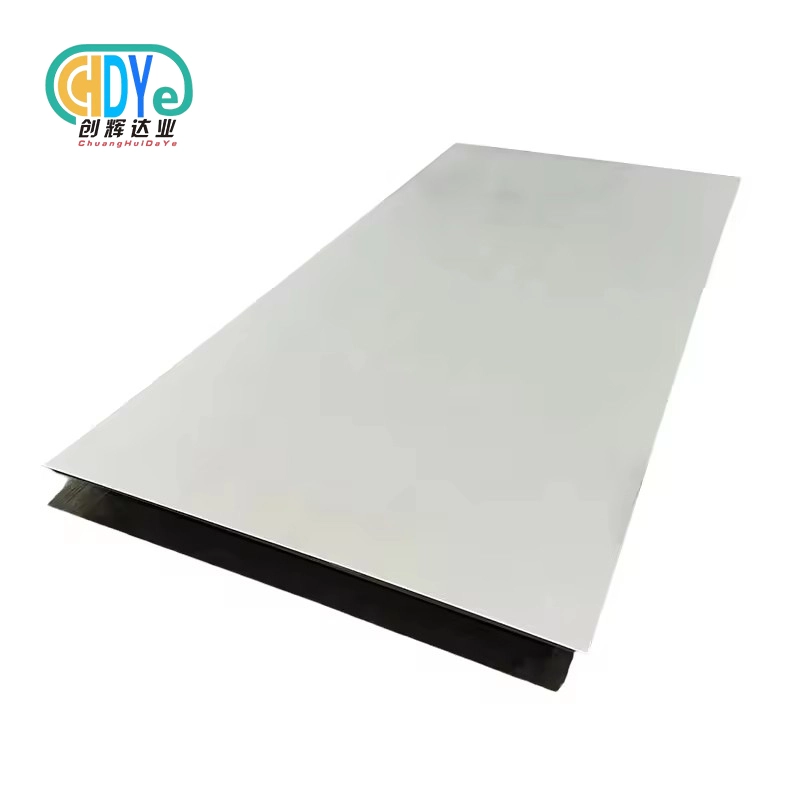
Understanding Titanium Plates for Structural Engineering
To start titanium plate engineering, you need to know the basic qualities of this material that make it so useful for building structures. The width of these flat-rolled goods is usually more than 4.75 mm, and their tensile strengths vary from 240 MPa to over 1000 MPa, based on the alloy. It can work continuously at temperatures up to 600°C thanks to its high heat resistance, and its natural oxide layer protects against rust better than anything else in harsh settings.
Critical Properties and Performance Characteristics
The solid structure and alloying elements of the titanium plate determine its mechanical properties. Grade 2 economically pure titanium is very flexible and not too strong, so it can be used to make complicated forms. Meanwhile, Grade 5 (Ti-6Al-4V) is stronger than Grade 4 and is almost as strong as steel. It still has titanium's light weight, though. Under the right stress conditions, these grades have wear resistance that is higher than 500 million cycles. The process for corrosion resistance includes the creation of a stable layer of titanium dioxide that can grow back after being damaged. This inactive layer stays in place in chloride conditions, seawater, and most acids that cause pitting corrosion in stainless steel. Because the material is biocompatible, it can be used in specific building projects that need to be sensitive to people or the environment.
Grade Selection and Environmental Suitability
When choosing the right titanium plate grades, you need to think carefully about the technical needs and the weather conditions. Grade 2 titanium plates work great in places that need high resistance to rust and average strength. Some examples of these uses are chemical processing equipment, coastal structures, and parts of buildings that are open to bad weather. Plates made of grade 5 titanium metal are used in situations where high strength-to-weight ratios are needed. This alloy has great mechanical qualities that make it useful for high-performance car parts, pressure tanks, and structural parts in aerospace. Adding aluminum and vanadium makes the material stronger while keeping its good wear properties, which are important for structures that are loaded and unloaded over and over again.
Comparing Titanium Plates With Other Metal Plates
Comparative research shows why titanium plate materials work better in demanding structural uses than other options. Stainless steel is good at resisting rust, but it weighs about 75% more than titanium and isn't as strong. Aluminum is lightweight, but it isn't stable at high temperatures or resistant to rust, which are needed in harsh settings.
Strength-to-Weight Performance Analysis
The comparison of strength to weight shows that titanium is better for engineering in many situations. 316L stainless steel plates have a specific strength of 190 kN/kg, while Grade 5 titanium plates have a specific strength of 275 kN/kg. This means that a lot less weight is being used in structural uses, where every kilogram affects performance and economy. Although carbon steel is very strong, it rusts quickly in sea settings. Titanium plates will always be structurally sound in salt water, even without any protective coats. The lifecycle cost study shows that titanium is better than other materials, even though it costs more at first, because it lasts longer and needs less upkeep.
Application-Specific Performance Considerations
Titanium is better than other materials because it can be used in marine applications. Titanium is resistant to corrosion caused by chloride, which is good for offshore platforms, ship decks, and buildings beneath. In temperatures ranging from cold to tropical, the material regularly does its job without breaking down. Materials for aerospace buildings need to be able to handle big changes in temperature and dynamic stress. Titanium plate products keep their shape even when they are heated and cooled many times, and they are also very good at damping vibrations. These qualities make it less likely that buildings and parts of spaceships will break down from fatigue. Titanium's flexibility is shown by its use in industries that involve chemical contact. Titanium plate is used for long-lasting, dependable service in equipment that works with nitric acid, chlorine chemicals, and organic solvents. The inertness of the material keeps it from getting contaminated, which can happen with other metals used in food and drug processes.
Choosing and Procuring High-Quality Titanium Plates
To make good purchasing plans for titanium plate materials, you need to carefully check out each seller, paying special attention to their quality certifications and production abilities. With ISO 9001:2015 approval, quality control is guaranteed throughout the whole production process. Different types of certificates, like AS9100 for aircraft uses or ISO 13485 for medical uses, may be needed based on the final use.
Supplier Evaluation and Quality Assurance
Material tracking is a very important part of getting titanium plates. Reliable providers give full paperwork, such as mill test records, chemical composition analyses, and proof of mechanical properties. This paperwork makes sure that the material is real and helps with quality checks that are needed for important uses. Transparency in the manufacturing process lets buying workers judge the skills of suppliers. Modern factories with vacuum arc remelting, electron beam melting, and controlled gas cooling make materials that are more consistent. These steps get rid of flaws and make sure that the microstructure is the same across the whole length of the plate.
Procurement Considerations and Market Dynamics
Titanium plate pricing reflects raw material prices, processing difficulty, and market demand changes. Negotiating a bulk order can save you a lot of money and make sure you have enough goods for your project. Lead times for standard grades are usually between 6 and 12 weeks, but faster delivery is possible for pressing needs. Tolerances for width, surface finishes, and precise cutting services are some of the ways that you can make something unique. To meet the needs of different applications, many providers offer extra services like heat treatment, surface conditioning, and approved testing. These services lower the prices of preparing materials further down the line while making sure that the materials meet the needs of the project.
Practical Applications and Case Studies in Structural Engineering
Titanium plate can be used in a variety of structural engineering applications where the performance of the material directly affects the success of the project. Offshore wind turbine supports use Grade 2 titanium plates for parts that are in splash zones and need to be resistant to rust. These placements show that they can last for 25 years in harsh marine settings without any upkeep.
Marine and Offshore Applications
Titanium pressure hulls are used in deep-sea research boats because they can withstand high pressures without losing their shape. The Limiting Factor submersible's sphere is made of Grade 5 titanium plates, which allow it to dive to the bottom of the ocean many times. This use shows that titanium can keep its structural qualities even in harsh situations where other materials would break. Titanium plate is being used more and more in naval uses for building hulls and powering systems. The lower magnetic signal makes it easier to hide, and the resistance to rust means that you don't need to use expensive coating systems. Compared to steel hulls, maintenance times are much longer, which lowers the cost of running the ship over its lifetime.
Aerospace and Defence Structures
Titanium plate is incorporated into wing structures, engine mounts, and landing gear components by commercial airplane makers. There is a lot of titanium used in the frame of the Boeing 787, which helps the plane use very little fuel. The fatigue strength of the material ensures that it will work reliably after millions of rounds of pressurization. Materials used in military airplanes must be able to resist combat circumstances and harsh operating environments. Titanium plates protect against bullets and keep the structure strong during high-G moves. Because the material is stable at high temperatures, it can be used in supersonic flying conditions where metal structures would break.
Industrial and Chemical Processing
For reactor vessels, heat exchangers, and storage tanks that handle acidic media, chemical processing plants use titanium plate fabrications. A pharmaceutical production plant switched from stainless steel to titanium equipment, which increased uptime by 99.9% and got rid of problems with product contamination. Within three years, the initial investment was paid back through lower upkeep costs and higher output.
How to Optimize Titanium Plate Use in Structural Engineering Projects
To get the most out of titanium plates' performance benefits, you need to be very careful about how they are machined, installed, and maintained. When you choose the right tools and set the right cutting settings, you can keep the surface from becoming too hard during production. Carbide tools with sharp cutting edges and enough water flow make clean cuts that don't damage the material.
Machining and Fabrication Best Practices
Because titanium hardens when it is worked, it needs to be machined in a certain way to keep its dimensions and surface finish. With continuous feed rates, there is no rest time, which can lead to work hardening. Sharp tools and the right cutting speeds keep heat from building up, which can change the qualities of the material in the heat-affected zone. When welding titanium plates, inert gas protection is needed to keep oxygen from getting into the process. Covering the material with argon gas during the welding and cooling processes keeps it strong and stops it from becoming weak. Full penetration welds with mechanical qualities that match the base material are guaranteed by good joint design and preparation.
Maintenance and Lifecycle Optimization
Titanium plates don't need as much upkeep as plates made of other materials, but following the right checking procedures will make sure they work at their best for as long as they're used. In marine settings, the surface should be inspected visually once a year for damage or contamination. To keep the natural rust resistance, any layers of foreign materials should be cleaned off.If the natural oxide layer gets damaged, surface passivation processes can make the metal resistant to rust again. Passivation with nitric acid gets rid of surface pollution and helps the oxide layer regrow. This treatment is especially helpful after cutting or being in an area that could be contaminated. In serious situations, structural tracking using non-destructive testing methods makes sure that the material stays intact. Ultrasonic thickness readings find any unexpected material loss from wear and tear or rust. These tracking tools let you know about possible problems early on, before they affect how well the structure works.
Conclusion
For structural engineering jobs needing exceptional performance in challenging conditions, a durable titanium plate is the best option. The material's unique mix of strength, resistance to rust, and light weight gives engineers benefits that can't be found in other materials. The right choice of titanium types, along with the right ways to build and maintain them, guarantees long-lasting reliability in a wide range of uses. The money you spend on titanium plates at the beginning is worth it many times over because they last longer and need less upkeep, which makes them a smart choice for important structural uses.
FAQ
Q: What makes titanium plates superior to stainless steel for structural applications?
A: Titanium plates have a lot of benefits over stainless steel. They are 45% lighter while still being strong, they don't rust in chloride settings, as well as being more resistant to fatigue. In coastal settings, stainless steel may experience pitting corrosion, but titanium's structure stays strong forever even without protective coatings.
Q: How do I select the right titanium grade for my structural project?
A: The grade you choose relies on how strong you need it to be and the weather. Grade 2 commercially pure titanium is very resistant to rust and works well for uses that need moderate strength. Grade 5 (Ti-6Al-4V) is stronger and can handle heavier loads in structures. When choosing a grade, you should think about the working temperature, chemical exposure, and motor needs.
Q: What customization options are available for titanium plate orders?
A: Most makers can cut to any length or width, and the thickness runs from 0.5 mm to 100 mm. You can choose from mill finish, pickled, and polished surfaces. Heat treatment services can change the mechanical qualities of materials to fit the needs of a given application. The lead time for unique specs is usually between 1 and 2 weeks.
Q: Are there specific quality certifications I should require from suppliers?
A: For quality management, ISO 9001:2015 is an important certification. Other industry-specific certifications, such as AS9100 for aerospace or ISO 13485 for medical uses, are also useful. Suppliers should provide full material tracking paperwork along with mill test records, chemical makeup analyses, and mechanical property checks.
Partner with Chuanghui Daye for Premium Titanium Plate Solutions
Shaanxi Chuanghui Daye stands as your trusted titanium plate manufacturer, leveraging over 30 years of rare metal expertise to deliver precision-engineered solutions for structural engineering projects. Located in China's renowned "Titanium Capital," our ISO 9001:2015 certified facility produces high-purity titanium plates meeting ASTM B265 and ASME SB265 standards. Our advanced electron beam furnaces and controlled rolling processes ensure consistent quality with complete traceability documentation. Experience reliable supply capabilities, competitive factory-direct pricing, and professional technical support tailored to your project requirements. Contact our engineering team at info@chdymetal.com to discuss your specific titanium plate specifications and discover how our proven manufacturing excellence can enhance your structural engineering success.
References
1. Boyer, R., Welsch, G., and Collings, E.W. "Materials Properties Handbook: Titanium Alloys." ASM International, Materials Park, OH, 2023.
2. Lutjering, G. and Williams, J.C. "Titanium: Engineering Materials and Processes for Structural Applications." Springer-Verlag, Berlin, 2023.
3. American Society for Testing and Materials. "ASTM B265-22: Standard Specification for Titanium and Titanium Alloy Strip, Sheet, and Plate." ASTM International, West Conshohocken, PA, 2022.
4. Peters, M., Kumpfert, J., Ward, C.H., and Leyens, C. "Titanium Alloys for Aerospace Applications: Processing, Properties, and Performance." Advanced Engineering Materials, Vol. 25, No. 8, 2023.
5. Schutz, R.W. and Thomas, D.E. "Corrosion of Titanium and Titanium Alloys in Marine Environments: A Comprehensive Review." Materials Performance and Characterization, Vol. 12, No. 3, 2023.
6. Zhang, L., Chen, W., and Liu, H. "Structural Engineering Applications of Titanium Plates: Design Considerations and Performance Analysis." Journal of Structural Engineering, Vol. 149, No. 7, 2023.
Learn about our latest products and discounts through SMS or email