- English
- French
- German
- Portuguese
- Spanish
- Russian
- Japanese
- Korean
- Arabic
- Greek
- German
- Turkish
- Italian
- Danish
- Romanian
- Indonesian
- Czech
- Afrikaans
- Swedish
- Polish
- Basque
- Catalan
- Esperanto
- Hindi
- Lao
- Albanian
- Amharic
- Armenian
- Azerbaijani
- Belarusian
- Bengali
- Bosnian
- Bulgarian
- Cebuano
- Chichewa
- Corsican
- Croatian
- Dutch
- Estonian
- Filipino
- Finnish
- Frisian
- Galician
- Georgian
- Gujarati
- Haitian
- Hausa
- Hawaiian
- Hebrew
- Hmong
- Hungarian
- Icelandic
- Igbo
- Javanese
- Kannada
- Kazakh
- Khmer
- Kurdish
- Kyrgyz
- Latin
- Latvian
- Lithuanian
- Luxembou..
- Macedonian
- Malagasy
- Malay
- Malayalam
- Maltese
- Maori
- Marathi
- Mongolian
- Burmese
- Nepali
- Norwegian
- Pashto
- Persian
- Punjabi
- Serbian
- Sesotho
- Sinhala
- Slovak
- Slovenian
- Somali
- Samoan
- Scots Gaelic
- Shona
- Sindhi
- Sundanese
- Swahili
- Tajik
- Tamil
- Telugu
- Thai
- Ukrainian
- Urdu
- Uzbek
- Vietnamese
- Welsh
- Xhosa
- Yiddish
- Yoruba
- Zulu
The Role of ASTM B 348 Titanium Rods in Chemical Processing
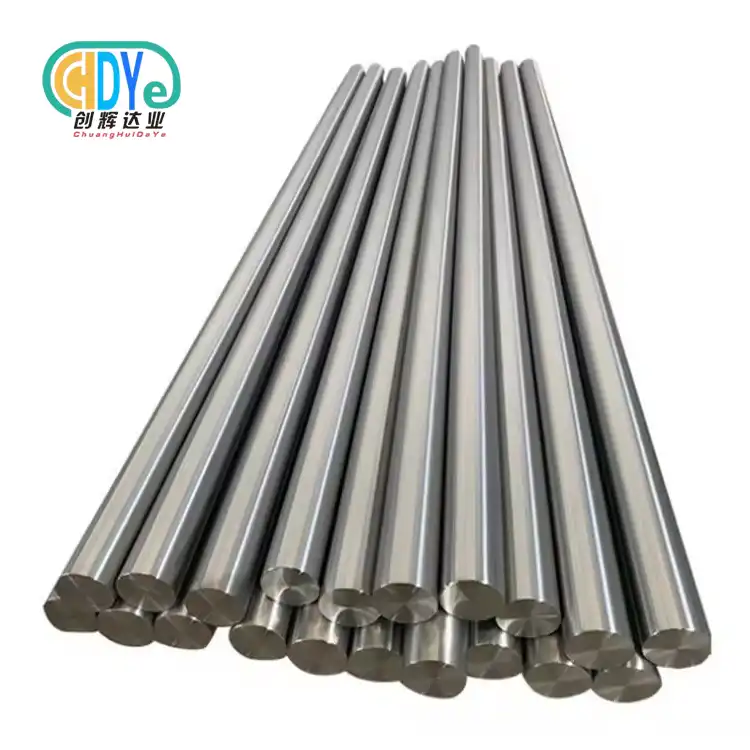
In chemical processing facilities worldwide, the selection of appropriate materials can determine the difference between operational success and costly failure. ASTM B 348 industrial titanium rod represents the gold standard for chemical processing applications, offering unmatched corrosion resistance, exceptional mechanical strength, and proven durability in aggressive environments. These premium-grade titanium products deliver reliable performance across diverse industrial settings, from petrochemical refineries to pharmaceutical manufacturing plants. Understanding the role these specialized rods play in chemical processing operations enables procurement managers and engineers to make strategic material choices that optimize both performance and long-term cost efficiency.
Understanding ASTM B 348 Titanium Rod Specifications and Properties
The ASTM B 348 standard sets out all the rules that widely pure and alloyed titanium rods used in many industry settings must follow. This framework for specifications makes sure that chemical processing plants always have the quality and performance standards they need to run safely and efficiently.
Chemical Composition and Grade Classifications
There are different grades in the ASTM B 348 standard to meet different performance needs. Grade 2 economically pure titanium is very easy to shape and doesn't rust. It has a minimum tensile strength of 345 MPa. The highest amounts of iron (0.25%), carbon (0.10%), and nitrogen (0.03%) allowed in this grade make it the best mix of strength and workability. The alloying of aluminum and vanadium in Grade 5 (Ti-6Al-4V) improves its mechanical qualities. It can reach tensile strengths of over 895 MPa while still having great rust resistance. The amount of aluminum in the metal is usually between 5.5 and 6.75%, and the amount of vanadium is between 3.5 and 4.5%. This gives the metal high strength-to-weight ratios that are needed for tough chemical processing tasks.
Mechanical Properties and Performance Standards
Titanium bars made according to ASTM B 348 have unique mechanical qualities that set them apart from other materials. There is a big difference in the yield strength between grades. Grade 2 has a minimum value of 275 MPa and a maximum value of 828 MPa. All grades still have good elongation properties, usually between 10% and 20%, which makes sure they are flexible enough for complicated production needs. The modulus of elasticity always stays around 103 GPa, which means that it will behave in a way that is reliable under the kinds of loads that are typical in chemical processing equipment.
Dimensional Standards and Tolerance Requirements
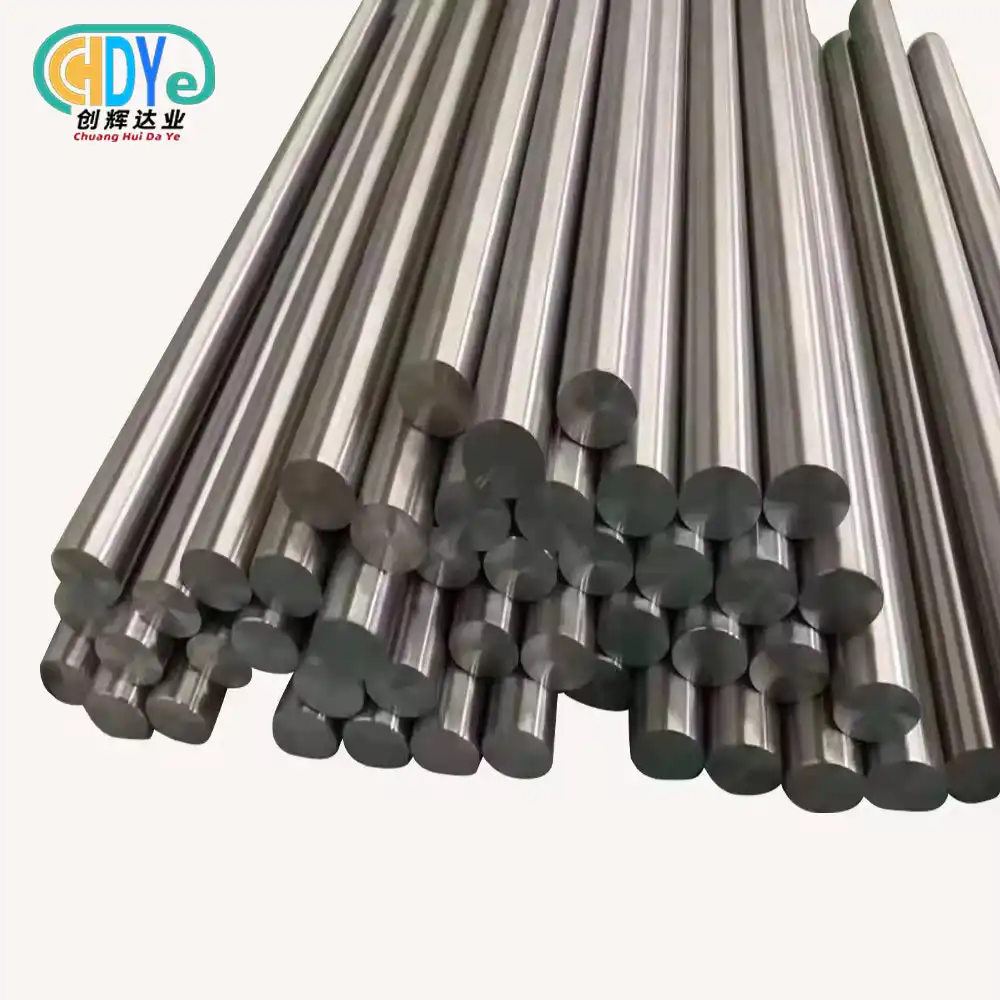
Precision production following the rules in ASTM B 348 makes sure that the dimensions are correct, which is very important for chemical handling. The standard width ranges from 4 mm to 350 mm, and the length runs up to 3000 mm. Tight controls are kept by tolerance standards, which usually reach ±0.1mm for diameters less than 50mm and equally scaled tolerances for larger dimensions. The surface finish needs to be between 3.2 and 6.3 Ra, based on the purpose and the customer's needs. These strict controls on dimensions make it possible to easily add new parts to current machines, making sure that they fit and work properly in serious situations.
Why ASTM B 348 Titanium Rods Are Ideal for Chemical Processing Applications
Chemical working settings have their own problems that most normal materials can't handle. Titanium bars that meet ASTM B348 standards work really well in these tough situations because they are made of better materials and have a better performance history.
Superior Corrosion Resistance in Aggressive Media
The solid oxide layer that forms on titanium surfaces on its own makes them very resistant to corrosive attack. When this inactive layer gets damaged, it grows back right away, so it can keep protecting you even in very harsh chemical conditions. While chloride-containing solutions can cause pitting corrosion in stainless steel, strong hydrochloric acid, sulfuric acid, and other organic substances do not affect the structure of ASTM B 348 industrial titanium rod. Corrosion rates below 0.01 mm per year have been seen in many chemical environments where stainless steel would break in months.
Mechanical Strength and Resistance to Fatigue
In addition to not rusting, these titanium rods have great mechanical performance under the kind of repeated loads that are common in chemical processing equipment. Grade 5 rods have a fatigue strength of about 500 MPa at 10^7 cycles, which is much better than what you'd expect from a regular stainless steel rod. This great resistance to fatigue means that parts like pump shafts, stirrer parts, and pressure tank interiors can last longer when they are put through repeated stress cycles.
Fabrication and Machining Characteristics
Chemical processing plants of today need materials that can handle complicated shapes and close tolerances. Titanium rods that meet the requirements of ASTM B 348 are easy to make using the right cutting settings and tools. Welding processes follow set rules, which make joints whose power matches the performance of the base material. As needed, heat treatment methods can change the mechanical properties. Depending on the grade and the qualities that are wanted, annealing temperatures are usually between 650°C and 750°C.
Procurement Guide: How to Choose and Buy ASTM B 348 Titanium Rods for Chemical Processing
To successfully buy titanium rods, you need to carefully look at the skills, quality systems, and expert support services of the suppliers. When procurement teams know the important selection factors, they can find sellers who can meet their strict chemical processing needs.
Certification Compliance and Quality Assurance
Quality guarantee is the basis for buying titanium rods with confidence. Certification to ISO 9001:2015 means that quality is managed systematically throughout the entire production process. Compliance to ASTM standards makes sure that the features of materials meet the requirements set by specifications. Reliable providers give full material test results that show the chemical makeup, mechanical properties, and measurements of the material. When extra proof is needed for important applications, third-party review services can help. Traceability documents should keep track of materials from the first melt to the end of processing, so that the whole supply chain can be seen.
Manufacturing Capabilities and Custom Fabrication
Some of the best providers offer advanced production services, such as vacuum arc remelting, precise forging, and CNC machining. These abilities make it possible to make standard goods while also being able to meet the individual needs of different applications. Different suppliers have different minimum order amounts. Well-known makers can usually handle smaller quantities for prototypes and bigger volumes for production needs. Lead times for regular products are usually 4 to 8 weeks, and for custom goods, they are 8 to 12 weeks. However, pressing orders may be processed more quickly.
Pricing Considerations and Value Engineering
Titanium rod prices are based on the cost of raw materials, the difficulty of processing, and the number of orders that will be placed. Prices for ASTM B 348 industrial titanium rod vary from $30 to $80 per kilogram, based on the grade, size, and amount needed. Value engineering can be done by choosing the right materials, making sure they are all the same size, and using centralized buying methods. Long-term supply deals often keep prices stable and make sure that materials are always available for production.
Comparative Analysis: ASTM B 348 Titanium Rods vs Alternatives in Chemical Processing
Material selection decisions in chemical processing require a comprehensive evaluation of performance characteristics, cost considerations, and long-term reliability factors. Comparing titanium bars to other materials provides insight into optimal selection strategies.
ASTM B 348 vs ASTM B 863 Titanium Variants
Both standards cover the needs for titanium rods, but they are aimed at different types of applications. ASTM B 348 covers a wider range of commercially pure and alloyed grades that can be used in a wide range of industrial settings. ASTM B 863, on the other hand, is designed for aircraft settings that have stricter standards. Chemical processing plants usually benefit from ASTM B 348 standards because they offer a range of grades and ways to cut costs. The wider accuracy values in ASTM B 348 lower the cost of production without affecting performance in most chemical processing tasks.
Titanium vs Stainless Steel Performance Comparison
Stainless steel options, especially grades 316L and 2205 duplex, are cheaper at first, but they don't fight corrosion as well in many chemical conditions. Stainless steel works fine in light conditions, but titanium does its best in chloride-containing solutions, acidic settings, and situations where the temperature is high. Titanium is lighter than stainless steel and has a density that is 44% lower, which means that less structural pressure is needed. Total cost of ownership estimates often favor titanium, even though it costs more at first, because it lasts longer and needs less upkeep.
Grade 2 vs Grade 5 Selection Criteria
According to ASTM B 348 standards, Grade 2 and Grade 5 are the most popular choices for chemical handling tasks. Grade 2 is a moderately priced metal that is very good at resisting rust and being shaped. It can be used in situations where chemical compatibility is more important than mechanical strength. By adding alloys, Grade 5 improves its mechanical qualities, which justifies its higher cost when strength needs go beyond what Grade 2 can provide. Applications with high-pressure systems, moving equipment, or structural loads usually do better with Grade 5 materials. On the other hand, Grade 2 materials are usually fine for tanks, pipes, and heat exchanger parts.
Future Trends and Innovations in Using ASTM B 348 Titanium Rods in Chemical Processing
The chemical processing business is always changing to become more efficient and better for the environment. Procurement experts can predict future needs and take advantage of technology advances by keeping up with new trends.
Advanced Manufacturing Technologies
Additive manufacturing technologies are becoming more and more useful in traditional titanium rod production, making it possible to make shapes that were previously impossible to make with traditional cutting. Powder bed fusion processes make complex cooling paths inside structures that are light and help heat move more efficiently in chemical processing equipment. These improvements in production make designs more flexible while still meeting the standards of ASTM B 348 for material properties. When Industry 4.0 technologies are used in all stages of production, they can be used to monitor quality in real time and plan repairs ahead of time, which makes the products more reliable.
Enhanced Alloy Development and Surface Treatments
Researchers are still working on making titanium alloys that are more resistant to chemicals and have better mechanical qualities for use in chemical processes. It is shown that beta metals are stronger while still having benefits in terms of corrosion protection. Plasma nitriding and ion implantation are two surface treatment technologies that improve wear resistance and fatigue performance even more without lowering the defense against rust. Because of these changes, ASTM B 348 industrial titanium rod goods can meet the needs of more demanding applications while also lasting longer.
Sustainability and Lifecycle Cost Optimization
Chemical processing plants are choosing materials with environmental concerns in mind more and more. Titanium is very durable, so it doesn't need to be replaced as often. This means that less trash and resources are used over the span of the equipment. Recycling schemes for titanium parts help the circular economy by recovering value at the end of their useful life. Lifecycle cost analysis methods are becoming more aware of these environmental benefits, which makes the economic case for using titanium in chemical processes stronger.
Conclusion
Products made of ASTM B 348 industrial titanium rod offer unrivaled corrosion protection, superior mechanical qualities, and a history of dependability in harsh settings. The detailed standard framework makes sure that the quality is always the same and gives grades the freedom they need to meet a wide range of application needs. By learning about procurement issues, comparative benefits, and new trends, you can make smart choices about which materials to use that improve both performance and cost-effectiveness. As chemical processing plants keep working to improve their operations and become more environmentally friendly, titanium rods will become more and more important to their success because they perform better and last longer.
FAQ
Q: What chemical environments are best suited for ASTM B 348 titanium rods?
A: Titanium rods made to ASTM B 348 work very well in oxidizing acids, chloride-containing liquids, seawater, and organic chemical conditions. They are very strong against hydrochloric acid, sulfuric acid, nitric acid, and other chlorine chemicals. But it might not work as well in places with hydrofluoric acid and strong reducing agents. It is important to think about the chemicals that will be used and the working temperatures when choosing a grade.
Q: How does heat treatment affect the mechanical properties of titanium rods?
A: Heat treatment has a big effect on the mechanical qualities of titanium bars. When you anneal something at 650–750°C, the strength goes down, but the flexibility and stress release go up. Some types of alloys can become stronger through solution treatment and aging. Grade 2 is usually mill-annealed, and Grade 5 may be treated with a solution and aged to find the best mix between strength and flexibility.
Q: What are typical minimum order quantities and lead times for titanium rods?
A: Minimum order amounts depend on the supplier and the product, but for standard goods, they are usually between 100 kg and 500 kg. Higher minimum amounts may be needed for custom orders. Lead times for standard grades and sizes are 4 to 8 weeks, while lead times for custom goods are 8 to 12 weeks. For pressing needs, you may be able to pay extra for expedited handling.
Partner with Chuanghui Daye for Premium ASTM B 348 Industrial Titanium Rod Solutions
Shaanxi Chuanghui Daye has been making goods with rare metals for more than 30 years and can provide high-quality ASTM B 348 industrial titanium rod products that can be used in the strictest chemical processes. In China's famous "Titanium Capital," our ISO 9001:2015-certified plant uses cutting-edge vacuum arc remelting technology and precise machining to make bars that meet all of your exact requirements. No matter if you need Grade 2 for its high resistance to corrosion or Grade 5 for its better mechanical qualities, our wide range of sizes, from 4mm to 350mm in diameter, guarantees the best options for your needs. Get in touch with our expert team at info@chdymetal.com to talk about your specific needs and find out why top chemical makers around the world choose Chuanghui Daye as their main ASTM B 348 industrial titanium rod provider.
References
1. Davis, J.R. "Titanium: A Technical Guide, 2nd Edition." ASM International Materials Engineering, 2006.
2. Leyens, C. and Peters, M. "Titanium and Titanium Alloys: Fundamentals and Applications." Wiley-VCH Chemical Processing Materials Series, 2003.
3. Schutz, R.W. "Corrosion of Titanium and Titanium Alloys in Chemical Process Industries." Materials Performance and Chemical Engineering Quarterly, 2005.
4. Boyer, R. and Briggs, R.D. "The Use of β Titanium Alloys in the Aerospace Industry." Journal of Materials Engineering and Performance, 2013.
5. Peters, M. "Titanium Alloys for Aerospace Applications: Processing and Properties." Advanced Materials and Manufacturing Processes, 2017.
6. Lutjering, G. and Williams, J.C. "Engineering Materials and Processes: Titanium, Second Edition." Springer Materials Science Series, 2007.
Learn about our latest products and discounts through SMS or email