- English
- French
- German
- Portuguese
- Spanish
- Russian
- Japanese
- Korean
- Arabic
- Greek
- German
- Turkish
- Italian
- Danish
- Romanian
- Indonesian
- Czech
- Afrikaans
- Swedish
- Polish
- Basque
- Catalan
- Esperanto
- Hindi
- Lao
- Albanian
- Amharic
- Armenian
- Azerbaijani
- Belarusian
- Bengali
- Bosnian
- Bulgarian
- Cebuano
- Chichewa
- Corsican
- Croatian
- Dutch
- Estonian
- Filipino
- Finnish
- Frisian
- Galician
- Georgian
- Gujarati
- Haitian
- Hausa
- Hawaiian
- Hebrew
- Hmong
- Hungarian
- Icelandic
- Igbo
- Javanese
- Kannada
- Kazakh
- Khmer
- Kurdish
- Kyrgyz
- Latin
- Latvian
- Lithuanian
- Luxembou..
- Macedonian
- Malagasy
- Malay
- Malayalam
- Maltese
- Maori
- Marathi
- Mongolian
- Burmese
- Nepali
- Norwegian
- Pashto
- Persian
- Punjabi
- Serbian
- Sesotho
- Sinhala
- Slovak
- Slovenian
- Somali
- Samoan
- Scots Gaelic
- Shona
- Sindhi
- Sundanese
- Swahili
- Tajik
- Tamil
- Telugu
- Thai
- Ukrainian
- Urdu
- Uzbek
- Vietnamese
- Welsh
- Xhosa
- Yiddish
- Yoruba
- Zulu
Exploring the Benefits of Ti-6Al-4V Titanium Sheets in Engineering
In today's demanding engineering landscape, Ti-6Al-4V Titanium Sheet stands as one of the most versatile and reliable materials for critical applications. This alpha-beta titanium metal has a great strength-to-weight ratio and is very resistant to corrosion. This makes it an essential material in the medical, military, and industrial fields. Engineers and buying workers all over the world know that it is the only material that can keep structures strong in harsh conditions while also being easier to work with than other materials. This metal is a key part of many cutting-edge engineering projects that need to meet the highest performance standards because of the growing need for lightweight yet long-lasting solutions.
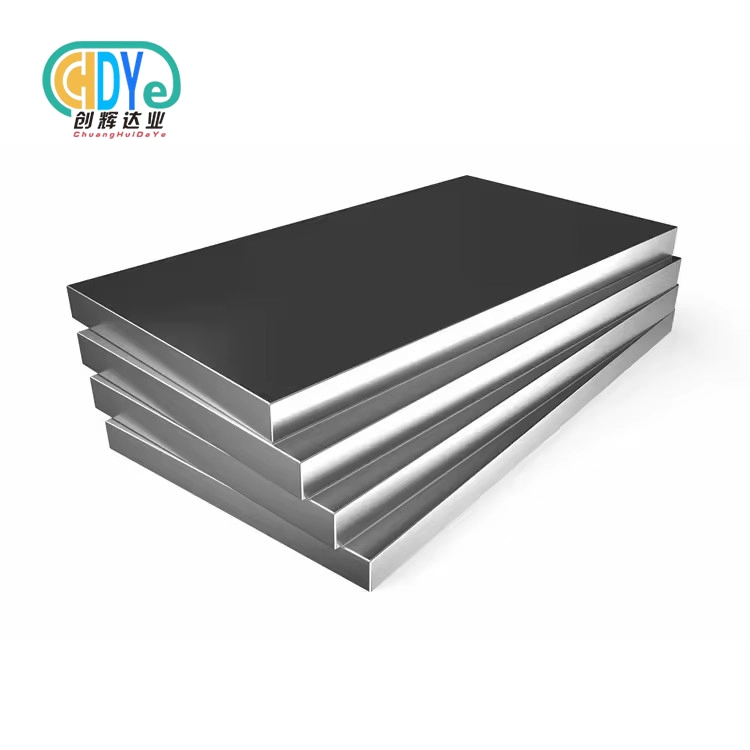
Understanding Ti-6Al-4V Titanium Sheets: Properties and Composition
Chemical Composition and Microstructure
The symbol Ti-6Al-4V Titanium Sheet stands for an alpha-beta titanium metal that is made up of 6% aluminum and 4% vanadium. The aluminum element makes it stronger and less dense, and the vanadium stabilizes the beta phase, which makes it tougher and easier to work with. This carefully balanced mix creates a two-phase microstructure with equal alpha phases inside a changed beta matrix. This gives the material amazing dynamic qualities that are better than those of pure titanium grades.
The managed chemical makeup makes sure that all batches of the product work the same way. The iron content stays below 0.40%, and the oxygen content stays below 0.20%. This keeps the material flexible without weakening it. Because the elements are perfectly balanced, the material can reach a minimum tensile strength of 895 MPa and a yield strength of 828 MPa. This makes it one of the strongest titanium alloys that can be bought in stores.
Mechanical Properties and Performance Characteristics
Ti-6Al-4V Titanium Sheet has amazing mechanical qualities that make it good for uses that require a lot of stress. Because it has a density of 4.43 g/cm³, it is stronger for its weight than steel or nickel metals. The material doesn't wear down easily, which is important for parts that are loaded and unloaded many times in aerospace and automobile uses.
Another big benefit of this metal is that it can be heated and shaped. By solution treating and aging the material, its mechanical properties can be improved even more, and its yield strength could go over 1100 MPa. The beta transus temperature, which is around 975°C, makes it possible to precisely control the microstructure during processing. This lets makers change the features to fit the needs of each application.
Manufacturing Standards and Quality Control
International standards like ASTM B265 and AMS 4911 say that the ways in which Ti-6Al-4V Titanium Sheet is made must be very strict. These requirements make sure that the dimensions, surface quality, and mechanical properties stay the same from one production run to the next. Advanced melting methods, like vacuum arc remelting and electron beam melting, get rid of flaws and make sure that the chemicals are spread out evenly in the material.
Quality assurance processes include a wide range of testing methods, such as spectrometry for chemical makeup analysis, tensile testing for proof, and ultrasonic flaw detection. Every batch that is made is microstructurally inspected to make sure that the phases are distributed correctly and that the grains are structured correctly. Protocols for surface inspection check the limits for flatness and roughness, making sure they work with precise production processes.
Comparative Analysis: Why Choose Ti-6Al-4V Over Alternatives?
Advantages Over Pure Titanium and Alternative Grades
When you compare Ti-6Al-4V Titanium Sheet to widely pure titanium, you can see that they work very differently, which helps you decide which material to use. Pure titanium is very good at resisting rust, but it's not strong enough for concrete or other building uses. The tensile strength of Ti-6Al-4V is almost twice that of Grade 2 pure titanium, but it still has about the same rust resistance.
The ELI (Extra Low intermediate) version of Ti-6Al-4V is more resistant to breaking because it has less intermediate element content. Oxygen levels below 0.13% and nitrogen levels below 0.05% make it more flexible, which makes it perfect for medical implants where biocompatibility and fatigue resistance are very important.
Performance Comparison with Conventional Materials
Compared to stainless steel and aluminum metals, Ti-6Al-4V Titanium Sheet works better in settings that are prone to corrosion. Its passive oxide layer makes it very resistant to saltwater, organic acids, and chemicals that oxidize metals. In naval uses, it works better than 316L stainless steel. Additionally, the material is not magnetic and is biocompatible, which means it can be used in more situations than typical metals can.
Cost is often a factor in the first choice of material, but lifetime study shows that Ti-6Al-4V is more cost-effective. Higher original material costs are often canceled out by lower maintenance needs, longer service life, and less weight in transportation. Because it can work at temperatures up to 400°C without losing many of its properties, it doesn't need protective coverings or to be replaced often.
Practical Applications and Advantages of Ti-6Al-4V Titanium Sheets
Aerospace and Defense Applications
The aerospace business is the biggest user of Ti-6Al-4V materials. Sheets are used for parts of airplane fuselages, engine shields, and structural elements. The material's ability to keep its shape even when temperatures change from -50°C to 350°C makes it very useful for airplanes that fly in a variety of weather situations. Its ability to prevent ballistics and let electromagnetic waves pass through it makes it useful for military use.
The methods used to make aircraft parts need to be very stable in terms of size and the quality of the surface. Normal methods, like brake forming, roll forming, and hydroforming, can be used to shape Ti-6Al-4V Titanium Sheet. It is very easy to weld with TIG and electron beam methods, which lets you do complicated assembly work without lowering the strength of the joints or their rust resistance.
Medical and Biomedical Industries
Ti-6Al-4V is being used more and more in orthopedic implants, surgical tools, and oral uses by companies that make medical devices. The stiffness of elasticity of the material (113 GPa) is very close to that of human bone. This means that it has fewer of the stress-shielding effects that can cause implants to come free. Complete biocompatibility makes sure that the tissue will accept the implant and that it will not break down when exposed to bodily fluids for long periods of time.
Precision cutting makes it possible to make the complicated shapes that are needed for modern medical equipment. Plasma spraying and anodizing are two surface processes that can improve the osseointegration qualities of implants. Because the material isn't magnetic, it can be used with MRIs, which gives people with Ti-6Al-4V implants more diagnostic choices.
Industrial and Marine Equipment
Ti-6Al-4V Titanium Sheet products are used in the chemical processing industry for heat exchangers, pressure tanks, and pipe systems that deal with toxic materials. The material is better than stainless steel at resisting stress corrosion cracking in salt conditions, especially when temperatures are high. Marine uses include propeller shafts, ship parts, and buildings for remote platforms that are exposed to saltwater and need to be very resistant to corrosion.
Manufacturers of processing tools like that the material can be made using normal methods. When carbide equipment is used with the right cutting settings, it can be used for machining. When the material is annealed, it becomes very flexible, which is great for forming. These industrial features make it possible to make things cheaply while keeping tight limits on dimensions.
Procurement Guide for Ti-6Al-4V Titanium Sheets
Supplier Selection and Certification Requirements
To choose reliable providers, you need to carefully check their production skills, quality control systems, and compliance with certifications. The basic quality standard is ISO 9001:2015 certification. For aircraft uses, AS9100 or NADCAP approvals may be needed. To make sure that the quality of the materials is always the same, supplier audits should check the ways that materials are melted, how they are tested, and how they are tracked.
Mill test papers that show chemical composition analysis, mechanical property proof, and dimensional inspection results are examples of documents that must be kept. From receiving the raw materials to the end steps of production, suppliers should keep full traceability. Advanced providers give extra services like custom cutting, surface treatments, and unique packaging to meet the needs of particular applications.
Pricing Factors and Market Considerations
The cost of raw materials, the difficulty of handling, and changes in market demand all affect the price of Ti-6Al-4V Titanium Sheet. The prices of aluminum and vanadium have a big effect on the costs of alloys, and the energy-intensive processes used to melt and process them add a lot of value. Specifications for thickness tolerances and surface finishes can change prices by 15 to 30 percent compared to normal business grades.
When you buy more than 500 kilograms, you can get better prices because of volume pricing. You can also get extra discounts if you sign a yearly supply deal. Lead times for normal sizes are usually between 8 and 12 weeks, while lead times for special sizes can be between 12 and 16 weeks. Keeping smart amounts of inventory on hand helps keep the supply chain running smoothly and reduces the need for working capital.
Technical Specifications and Ordering Considerations
Specifications for buying things must make it clear what sizes are needed, how the surface should be finished, and what material properties are expected. Standard sheet sizes are between 0.5 mm and 50 mm, and the width and length are bound by what the rolling mill can handle. Surface conditions can be mill finish, pickled finish, or ground finish, based on the needs of the product.
The conditions of the heat treatment should be defined based on what it will be used for. When material is annealed, it is easiest to shape for further processing, and when it is solution-treated and aged, it is at its strongest. During the buying process, it should be made clear if there are any special handling needs, such as ultrasonic inspection, stress release, or checking the dimensional range.
How to Make the Right Choice: Decision Criteria for B2B Buyers
Evaluating Material Certifications and Standards Compliance
Verification of material approval is an important part of making decisions about buying. ASTM B265 compliance makes sure that standards for size and chemical make-up are met, and AMS 4911 adds requirements for mechanical qualities and processing controls that are specific to aircraft. For medical uses, ASTM F136 approval is needed for biocompatibility and higher cleanliness standards.
Verification testing by a third party gives you more confidence in the quality of the material and that it meets the requirements. To make sure the data given by the seller is correct, independent labs can do chemical analysis, mechanical testing, and microstructural evaluation. This process of checking is especially important for important uses where a failure of the material could put people in danger or cause big financial losses.
Cost-Benefit Analysis and Total Ownership Considerations
Even though Ti-6Al-4V Titanium Sheet costs more than other materials, lifetime cost analysis often shows that it is much more cost-effective in the long run. Lower total ownership costs are caused by things like longer service life, less upkeep, and less weight. Saving energy by transporting less weight can quickly cover the higher costs of materials in mobile apps within two to three years.
Tooling needs, processing factors, and optimizing output are all things that affect the cost of manufacturing. The material is very easy to shape and machine, so it can be processed quickly and easily with normal tools. Welding skills get rid of the need for mechanical fasteners, which speeds up assembly and makes the structure stronger. These processing benefits help the general economics of the project in ways other than the cost of the raw materials.
Quality Assurance and Supply Chain Risk Management
For a supply chain to be resilient, it needs a wide range of suppliers and smart inventory management. Multiple qualified providers lower the risk of dependence while keeping prices low through competition between sellers. Long-term supply deals keep prices stable and give priority to certain items when the market is short.
Quality tracking systems should keep track of provider performance measures like quality issues, on-time deliveries, and meeting specifications. Regular checks of suppliers make sure that quality standards and process rules are still being followed. Continuous growth programs push providers to improve their skills while lowering costs by making their operations more efficient.
Conclusion
Because it is so strong, doesn't rust, and is easy to work with, Ti-6Al-4V Titanium Sheet continues to set the bar for high-performance industrial materials. The material has been used successfully in aircraft, medicine, and industry, showing that it is flexible and reliable in harsh conditions. Organizations can use these performance benefits while lowering costs by making strategic purchasing decisions based on a deep understanding of the materials and partnerships with suppliers. As engineering problems get trickier, Ti-6Al-4V is still an important material for coming up with new ideas that need to be reliable and work well.
FAQ
Q: What makes Ti-6Al-4V different from other titanium grades?
A: The combination of 6% aluminum and 4% vanadium in Ti-6Al-4V creates an alpha-beta lattice that makes it stronger than pure titanium grades. The aluminum lowers the density while raising the strength, and the vanadium stabilizes the beta phase to make it tougher. This mix makes tensile forces higher than 895 MPa, which is almost twice as high as commercially pure titanium.
Q: How does Ti-6Al-4V perform in corrosive environments compared to stainless steel?
A: Ti-6Al-4V is better at resisting corrosion in most situations, especially when it comes to saltwater and acidic settings. It creates a steady passive oxide layer that fixes itself when it gets broken, protecting it for a long time. Ti-6Al-4V doesn't pit or crack as stainless steel does in salt conditions, which makes it perfect for use in the marine and chemical processing industries.
Q: What are the most important things to think about when choosing sellers for bulk procurement?
A: When judging a supplier, you should look at their quality standards (at least ISO 9001:2015), their ability to make things, and their methods for keeping track of things. Check that the product meets the requirements of important standards like ASTM B265 or AMS 4911. Look over the mill test papers, check out the facilities, and see how long the wait time can be. Having a lot of skilled providers lowers the risks in the supply chain while keeping prices low.
Q: Can regular tools be used to join and shape Ti-6Al-4V sheets?
A: Yes, Ti-6Al-4V can be shaped very well after being heated, and it can be joined together using either TIG or electron beam welding. When used with the right tools, standard-making equipment like brake presses and roll formers works well. Welding needs an inert gas cover to keep the work from getting contaminated, but when done right, it makes parts that are very strong.
Q: What kinds of thicknesses do Ti-6Al-4V sheets come in?
A: Standard thicknesses run from 0.5 mm to 50 mm, and width and length depend on the powers of the rolling mill. Custom thickness specs may be possible, but the waiting time will be longer. To make sure the parts work with the intended uses, tolerance standards and surface finish specs should be made clear during the procurement process.
Partner with Chuanghui Daye for Premium Ti-6Al-4V Titanium Sheet Solutions
The Shaanxi Chuanghui Daye Metal Material Co., Ltd. has been in the rare metal business for more than 30 years and specializes in selling high-quality titanium and titanium alloy goods. As the "Titanium Capital" of China, Baoji, our ISO 9001:2015-certified plant guarantees stable quality and reliable supply for buyers around the world. Our thorough testing procedures, which include analyzing the chemical makeup, checking the mechanical properties, and keeping full records of all the steps taken, ensure that the material you use is pure and safe for your important projects. Our skilled team offers expert help and low factory-direct prices for Ti-6Al-4V Titanium Sheet solutions, whether you need standard sizes or custom processing services. Get in touch with our experts at info@chdymetal.com to talk about your specific needs and find out how our trusted Ti-6Al-4V Titanium Sheet source can help you reach your engineering goals with reliable quality and on-time delivery around the world.
References
1. Boyer, R.R. "An Overview on the Use of Titanium in the Aerospace Industry." Materials Science and Engineering: A, vol. 213, no. 1-2, 1996, pp. 103-114.
2. Donachie, Matthew J. "Titanium: A Technical Guide, 2nd Edition." ASM International, Materials Park, Ohio, 2000.
3. Lütjering, Gerd, and James C. Williams. "Titanium Engineering Materials and Processes." Springer-Verlag Berlin Heidelberg, 2007.
4. ASTM International. "Standard Specification for Titanium and Titanium Alloy Strip, Sheet, and Plate." ASTM B265-20, West Conshohocken, PA, 2020.
5. Peters, M., et al. "Titanium Alloys for Aerospace Applications." Advanced Engineering Materials, vol. 5, no. 6, 2003, pp. 419-427.
6. Rack, Henry J., and John I. Qazi. "Titanium Alloys for Biomedical Applications." Materials Science and Engineering: C, vol. 26, no. 8, 2006, pp. 1269-1277.
Learn about our latest products and discounts through SMS or email