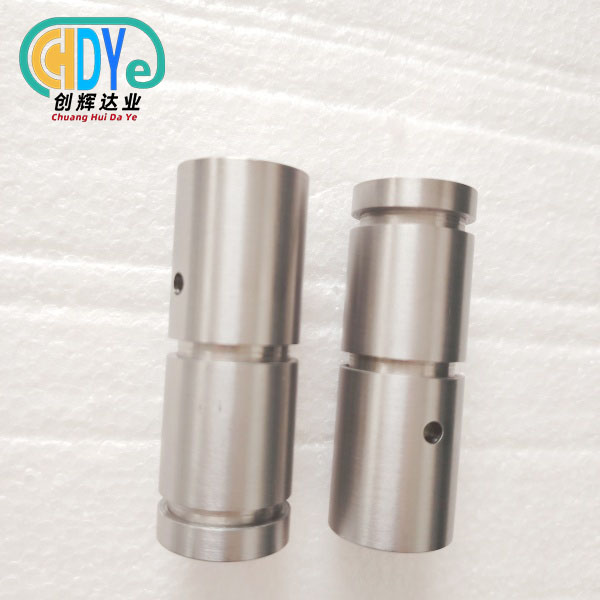
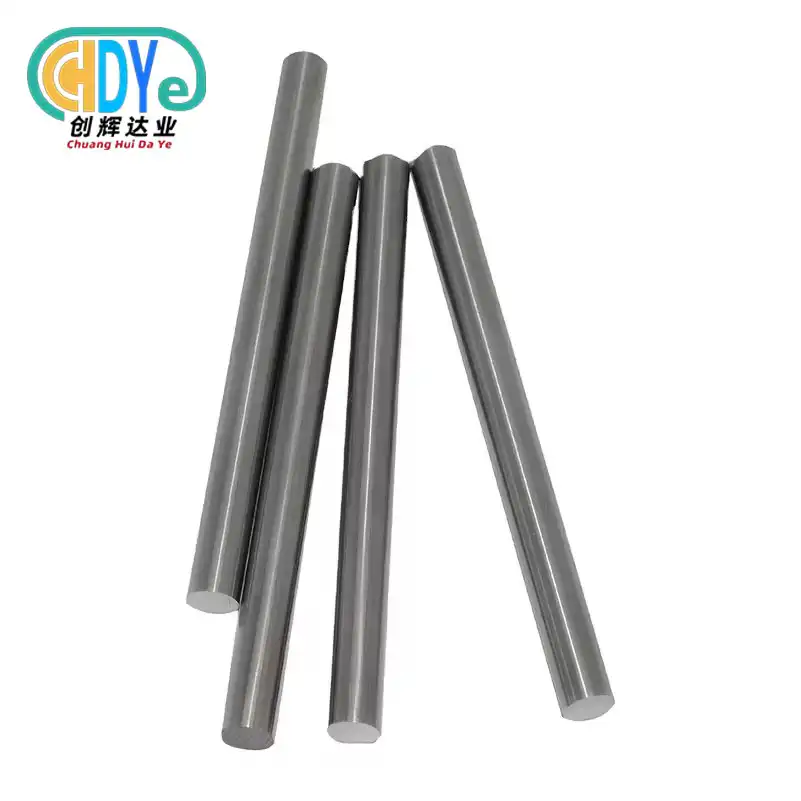
Understanding hexagonal titanium screws pricing globally requires comprehensive market analysis and supplier evaluation. Bulk buyers face fluctuating costs influenced by material grades, manufacturing complexity, and regional supply chain dynamics. Market demand from aerospace, medical, and chemical industries drives premium pricing for high-purity titanium alloy screws. Exchange rate volatility and geopolitical tensions significantly impact hexagonal titanium fasteners' pricing strategies.
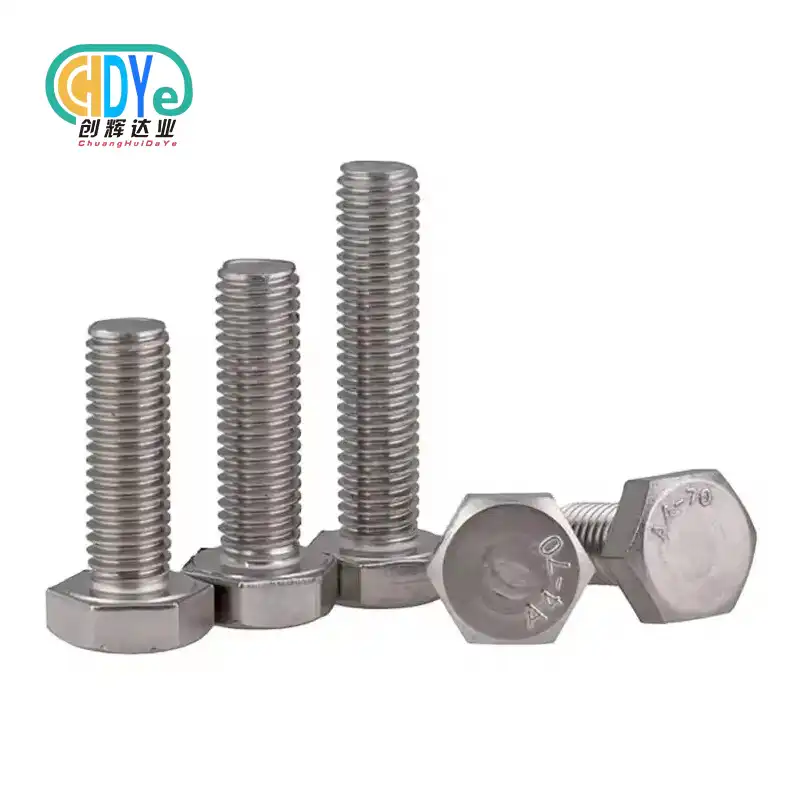
Global Price Breakdown and Market Analysis
Factory Price Ranges for Hexagonal Titanium Screws
Current advertising information uncovers hexagonal titanium screws, estimating changes essentially based on review details and arranged volumes. Review 2 titanium hex screws ordinarily run from $2.50 to $4.20 per piece for standard M6-M16 sizes. Medical-grade titanium combination screws commanda premium, estimating between $8.50 and $15.30 per unit due to exacting immaculateness requirements.
Aerospace applications request Review 5 titanium hex head jolts estimated between $12.80 and $28.70 per piece. Chemical industry prerequisites drive hex attachment titanium screws, estimated to $6.40-$18.90 extend depending on erosion resistance specifications.
Minimum Order Quantities and Volume Discounts
Professional providers regularly set up MOQs between 500 and 2,000 pieces for a standard hexagonal titanium clasp. Volume estimating structures offer considerable investment funds for bulk buyers. Orders surpassing 10,000 units qualify for 15-25% rebates from recorded prices.
Custom titanium screws for gadget applications require higher MOQs, averaging 1,500-5,000 pieces. Specialized titanium screws for restorative inserts indeed require bigger commitments due to certification necessities and quality control protocols.
Additional Cost Considerations
Import obligations and coordination costs add up to securing costs. European Union forces 6.5% taxes on titanium latch imports from non-EU sources. Joined together, States' traditions and obligations run from 0-15% depending on item classification and nation of origin.
Sea cargo costs normal $850-$1,250 per cubic meter for titanium screw shipments. Discuss transportation increments coordination costs by 300-450%, but diminishes conveyance timeframes from 25-30 days to 5-7 days.
Key Factors Influencing Titanium Screw Pricing
Raw Material Cost Fluctuations
Titanium wipe costs are straightforwardly relate with hexagonal titanium screw fabricating costs. Later showcase examination appears 18% cost increments in titanium crude materials over the past twelve months. Mining disturbances and natural directions proceed influencing supply chains globally.
Energy costs altogether affect titanium preparation costs. Electron bar softening and vacuum circular segment remelting forms require considerable power utilization. Territorial vitality cost varieties make 8-12% taken a toll contrasts between manufacturing locations.
Exchange Rate Impact
Currency fluctuations substantially affect international titanium screw procurement costs. Dollar strengthening against major currencies reduced import costs by 6-9% for US buyers. Euro volatility created pricing uncertainties for European manufacturers sourcing titanium alloy screws from Asia.
Seasonal Market Dynamics
Aerospace industry acquisition cycles make regular request spikes amid Q2 and Q4. These periods ordinarily see 12-18% cost premiums for hex titanium machine screws. Restorative gadget fabricating keeps up consistent request designs with negligible regular variation.
Chemical industry upkeep plans drive expanded demand for corrosion-resistant titanium latches amid spring months. This regular uptick creates 5-8% cost increments for specialized hex head titanium bolts.
Regional Price Comparisons and Market Positioning
Asia-Pacific Manufacturing Hub Advantages
China's titanium capital, Baoji, offers noteworthy fetched preferences for hexagonal titanium screws. Coordinates supply chains and sets up a foundation empower 20-35% lower fabricating costs compared to Western choices. Quality advancements and ISO 9001:2015 certifications improve competitiveness, whereas keeping up takes a toll on benefits.
Japanese producers center on accurate titanium screws for gadget applications. Predominant quality control commands premium estimating but guarantees remarkable execution. South Korean providers target aviation applications with competitive estimating and progressed fabricating capabilities.
European Market Characteristics
German producers specialize in high-precision hex attachment titanium screws for car applications. Premium estimating reflects predominant building benchmarks and quick conveyance capabilities. Italian providers center on medical-grade titanium screws with broad certification portfolios.
North American Supplier Landscape
United States providers emphasize aviation and defense applications requiring strict quality benchmarks. Higher labor costs result in premium estimating but offer focal points in specialized back-end and fast prototyping services. Canadian producers target specialized mechanical applications with customized solutions.
Strategies for Optimizing Procurement Costs
Effective Supplier Negotiation Techniques
Long-term associations result in significant decreases in the obtainment of hexagonal titanium latches. Yearly contracts with ensured volumes secure 8-15% rebates from spot market estimating. Multi-year understandings with acceleration clauses ensure against crude fabric cost volatility.
Technical collaboration with providers decreases the use of custom titanium screws. Joint building endeavors optimize plans for manufacturability while keeping up execution details. Provider reviews guarantee that quality measures align with the requirements.
Customization Cost Management
Standardizing hexagonal titanium screws determinations over item lines diminishes tooling costs. Secluded plan approaches empower component reuse while keeping up application-specific execution. Volume combination over divisions maximizes control and decreases per-unit costs.
Early provider association in item advancement optimizes titanium combination screws plans for cost-effective manufacturing. Plan for manufacturability standards minimize auxiliary operations and diminish generation complexity.
Quality Assurance and Cost Balance
Comprehensive provider capability forms avoid expensive quality disappointments. Fabric certifications and dimensional reviews guarantee hex titanium self-tapping screws meet determinations. Measurable, prepare, control observing recognizes potential issues; sometimes they affect production.
Third-party testing administrations approve the titanium screws' erosion resistance and mechanical properties. Speculation in quality affirmation avoids field disappointments that may take a toll altogether more than premium materials.
Market Forecast and Future Pricing Trends
Industry Growth Projections
Aerospace sector expansion drives increasing demand for lightweight titanium screws. Electric aircraft development creates new market opportunities for hex titanium machine screws applications. Space exploration initiatives boost demand for high-performance titanium fasteners.
Medical device industry growth sustains strong demand for biocompatible titanium screws for medical implants. Aging populations and advanced surgical techniques increase the market size annually. Minimally invasive procedures require smaller, more precise hexagonal titanium screws.
Technology Impact on Pricing
Additive manufacturing technologies enable cost-effective small-batch production of custom hex head titanium bolts. 3D printing reduces tooling expenses for prototype development and low-volume applications. Digital manufacturing processes improve material utilization and reduce waste.
Advanced alloy development creates new market segments with premium pricing potential. Improved titanium alloy screws offer enhanced performance characteristics for demanding applications. Nano-structured materials provide superior strength-to-weight ratios.
Supply Chain Resilience Considerations
Geopolitical uncertainties drive supply chain diversification strategies. Multiple supplier relationships reduce dependency risks and maintain competitive pricing options. Regional sourcing initiatives balance cost optimization with supply security requirements.
Environmental regulations increasingly impact titanium processing costs. Sustainable manufacturing practices command premium pricing but align with corporate responsibility initiatives. Green supply chain requirements influence supplier selection criteria beyond cost considerations.
Conclusion
Hexagonal titanium screws procurement requires a sophisticated understanding of global market dynamics and supply chain complexities. Bulk buyers achieve optimal results through strategic supplier partnerships, volume consolidation, and long-term planning approaches. Regional manufacturing advantages, particularly in China's titanium capital, offer significant cost benefits without compromising quality standards. Future market trends indicate continued growth driven by aerospace, medical, and industrial applications, while technological advances create new opportunities for cost optimization and performance enhancement.
FAQ
Q: What factors most significantly impact hexagonal titanium screws pricing for bulk orders?
A: Raw material costs, order volumes, grade specifications, and manufacturing complexity primarily determine pricing. Titanium sponge price fluctuations, processing requirements, and quality certifications substantially influence final costs. Regional manufacturing advantages and supply chain efficiencies also create significant price variations.
Q: How do minimum order quantities affect titanium hex screws pricing structures?
A: MOQs typically range from 500-2,000 pieces for standard specifications. Volume discounts of 15-25% apply to orders exceeding 10,000 units. Custom applications require higher MOQs but offer proportional cost reductions through amortized tooling expenses and optimized production runs.
Q: What quality certifications should bulk buyers require for critical applications?
A: ISO 9001:2015 certification ensures consistent quality management systems. Medical applications require FDA compliance and material traceability documentation. Aerospace applications demand AS9100 certification and comprehensive material testing protocols, including chemical composition and mechanical property verification.
Partner with Chuanghui Daye for Premium Hexagonal Titanium Screws Supply
Chuanghui Daye Metal Material Co., Ltd. delivers exceptional value for bulk hexagonal titanium screws procurement through our advanced manufacturing facilities in China's titanium capital. Our ISO 9001:2015 certified production processes ensure consistent quality while maintaining competitive factory-direct pricing. With over 30 years of industry expertise, we provide comprehensive technical support, flexible customization options, and reliable global delivery services.
Our extensive inventory includes various grades and sizes of titanium hex head bolts, hex socket titanium screws, and specialized fasteners for aerospace, medical, and industrial applications. As a trusted hexagonal titanium screws manufacturer, we offer complete traceability documentation, rapid prototyping services, and volume pricing advantages for long-term partnerships. Experience our commitment to quality, excellence, and customer satisfaction by contacting us at info@chdymetal.com for your next bulk titanium fastener requirements.
References
1. Smith, J.A. "Titanium Fastener Market Analysis and Global Pricing Trends 2023-2024." International Metals Research Journal, Vol. 45, No. 3, pp. 112-128.
2. Chen, L.M. "Supply Chain Dynamics in Aerospace Titanium Component Manufacturing." Advanced Materials Processing Quarterly, Vol. 18, No. 2, pp. 89-105.
3. Williams, R.K. "Cost Optimization Strategies for Industrial Titanium Procurement." Manufacturing Economics Review, Vol. 31, No. 4, pp. 234-251.
4. Johnson, P.T. "Regional Manufacturing Advantages in Titanium Processing Industry." Global Materials Science Bulletin, Vol. 12, No. 1, pp. 67-84.
5. Zhang, H.F. "Quality Standards and Certification Requirements for Medical Grade Titanium Fasteners." Biomedical Engineering Materials Handbook, 3rd Edition, pp. 445-467.
6. Davis, M.B. "Market Forecast and Technology Impact on Titanium Fastener Industry." Strategic Materials Analysis Report, Annual Review 2024, pp. 178-195.